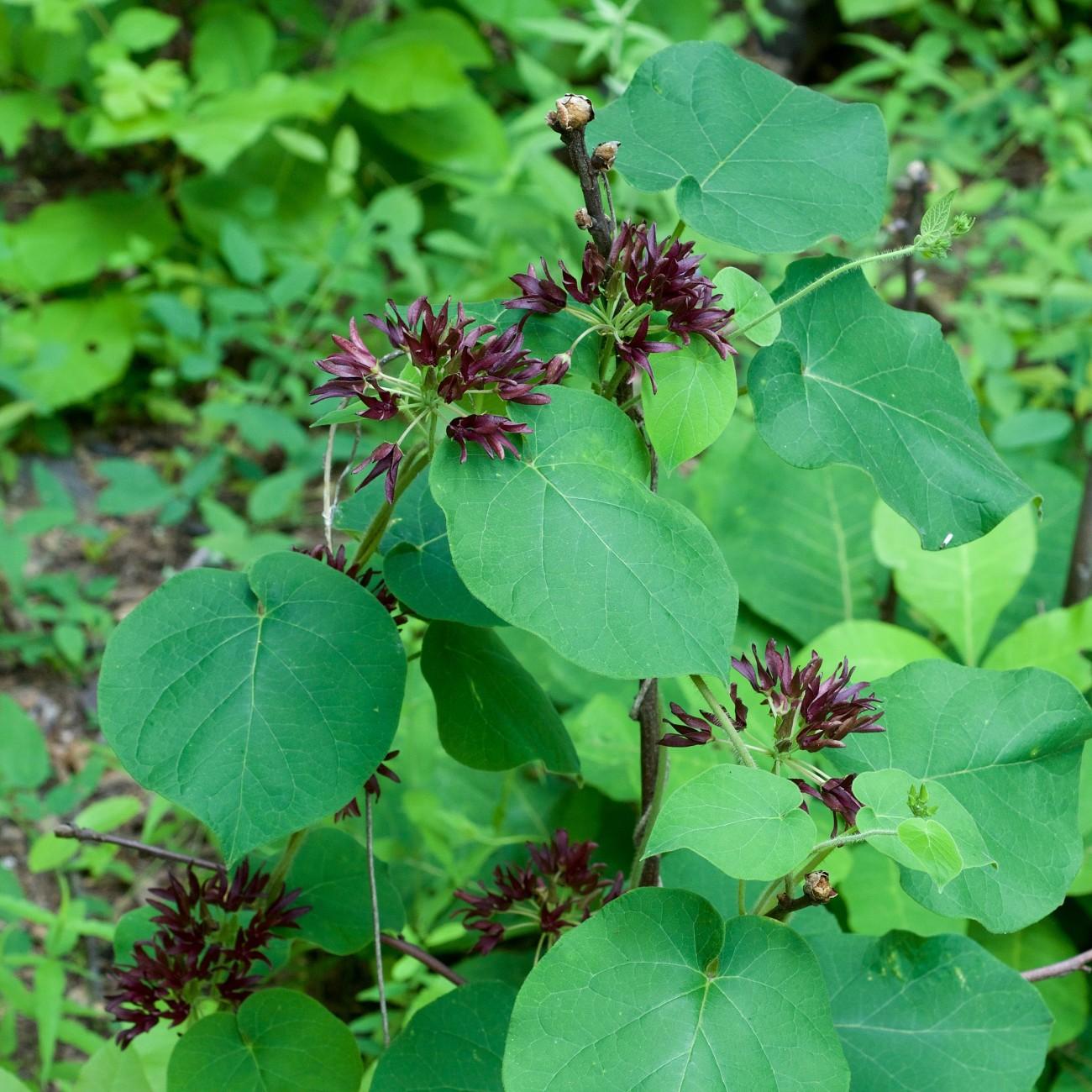
Climbing Milkweed
Funastrum cynanchoides
Overview
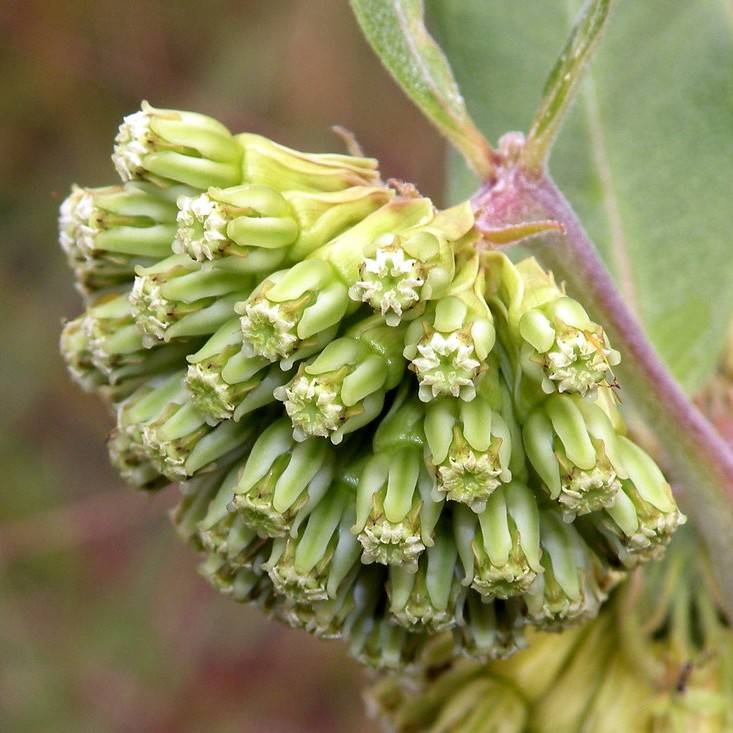
Climbing milkweed, also called fringed twinevine, is a twining herbaceous vine that sprawls or climbs over adjacent vegetation, fences, and structures. Its clusters of small, star-shaped pale pink or white flowers bloom from late spring to early fall, emitting a sweet, honey-like fragrance that attracts pollinators. Like other milkweed species, it is a host plant for monarch butterfly caterpillars, which feed exclusively on its foliage to gain protective toxic compounds from the plant. It is well-adapted to arid and semi-arid climates, thriving in dry, sunny habitats such as desert washes, grasslands, and open woodlands.
Care Guide
Watering
Climbing milkweed is highly drought-tolerant once established, requiring only occasional deep watering during extended periods of extreme heat or drought. Overwatering is the most common cause of issues, so allow the top several inches of soil to dry out completely between waterings, and reduce irrigation almost entirely during the winter dormant period. Newly planted vines will need regular light watering for the first 2-3 months to support root establishment, but gradually reduce frequency as the plant matures.
Light
This vine requires full sun, meaning at least 6-8 hours of direct unfiltered sunlight per day, to produce abundant blooms and healthy foliage. It can tolerate very light partial shade, but plants grown in shadier conditions will have sparse growth, fewer flowers, and may be more susceptible to pest infestations. When grown outdoors, plant it in a south or west-facing location with no overhead shade from trees or buildings for best performance.
Soil
Climbing milkweed adapts well to a wide range of soil types, including sandy, loamy, and even rocky or poor quality soils, as long as there is excellent drainage. It prefers a neutral to slightly alkaline soil pH between 6.5 and 8.0, and will not survive in heavy, compacted clay soils that hold excess moisture around the root zone. If growing in a container, use a well-draining cactus or succulent potting mix amended with perlite or coarse sand to improve drainage further.
Fertilizer
This low-maintenance vine rarely requires fertilization, as it is adapted to grow in nutrient-poor soils in its native range. Excess fertilizer will promote lush, tender foliage growth that is more attractive to aphids and reduces the concentration of protective cardiac glycosides that monarch caterpillars rely on. If growth is extremely stunted, apply a diluted balanced slow-release fertilizer once at the start of the growing season in early spring, and avoid fertilizing for the rest of the year.
Temperature
Climbing milkweed thrives in hot, dry climates, with an optimal growing temperature range between 65-95°F (18-35°C). It is winter hardy to USDA zones 8-11, able to tolerate brief dips down to 15°F (-9°C) if the root zone is protected with a layer of mulch; in colder zones, it can be grown as an annual or overwintered indoors in a container. High summer temperatures do not harm the plant as long as it is not overwatered during extreme heat spells.
Pruning
Pruning is generally minimal, focused on removing dead, damaged, or diseased stems in early spring before new growth emerges. You can also trim back overgrown vines to control their spread and prevent them from smothering adjacent smaller plants, as climbing milkweed can spread aggressively in ideal conditions. Avoid heavy pruning during the active growing season when monarch caterpillars may be present on the foliage to avoid harming butterfly larvae.
Propagation
Climbing milkweed is most easily propagated from seed, which can be sown directly outdoors in fall after the last frost, or started indoors 6-8 weeks before the final frost date in your region. Seeds require no stratification, but soaking them in warm water for 24 hours before sowing will improve germination rates, which typically occur within 1-2 weeks at 70-75°F (21-24°C). It can also be propagated from semi-hardwood stem cuttings taken in late summer, rooted in moist, well-draining potting mix with rooting hormone to speed up root development.
Humidity
This vine is adapted to low-humidity arid and semi-arid environments, tolerating humidity levels as low as 10% with no adverse effects. Average indoor humidity levels between 30-50% are ideal for container-grown plants, and it does not require misting or supplemental humidity. High humidity levels above 60% can increase the risk of fungal leaf spot and root rot, so ensure good air circulation around the plant in more humid climates.
Repotting
Container-grown climbing milkweed only needs repotting every 2-3 years, when the roots have completely filled the pot and begin growing out of the drainage holes. Repot in early spring before new growth starts, moving the plant to a container only 1-2 inches larger in diameter than the previous pot to avoid excess soil that holds unwanted moisture. Use a fresh well-draining cactus or succulent potting mix, and avoid disturbing the root ball more than necessary to reduce transplant shock.
Uses & Symbolism
Climbing milkweed is widely planted in native and pollinator gardens to support monarch butterfly populations, as it serves as a host plant for their caterpillars and a nectar source for adult butterflies, bees, and other beneficial pollinators. Its twining growth habit makes it an excellent choice for covering fences, trellises, arbors, and other garden structures, adding vertical interest with its fragrant blooms and dense foliage. In its native range, it has been used in traditional Indigenous medicine for minor topical ailments, though its toxic compounds mean internal consumption is never safe.
Diseases & Pests
Climbing milkweed is relatively pest and disease resistant when grown in suitable conditions, but overwatering and high humidity can lead to fungal issues such as root rot, powdery mildew, and leaf spot, which can be prevented by ensuring proper drainage and good air circulation. Common pests include aphids, milkweed bugs, and spider mites, which can be controlled with a strong jet of water to dislodge them or applications of insecticidal soap, avoiding chemical pesticides that would harm monarch caterpillars. Deer and rabbit typically avoid feeding on this plant due to its toxic foliage, making it a good choice for gardens prone to wildlife browsing.
Guides that mention Climbing Milkweed
Related plants
Other plants you might like if you grow Climbing Milkweed.