Campanule Feuilles Larges
Campanula latifolia
Overview
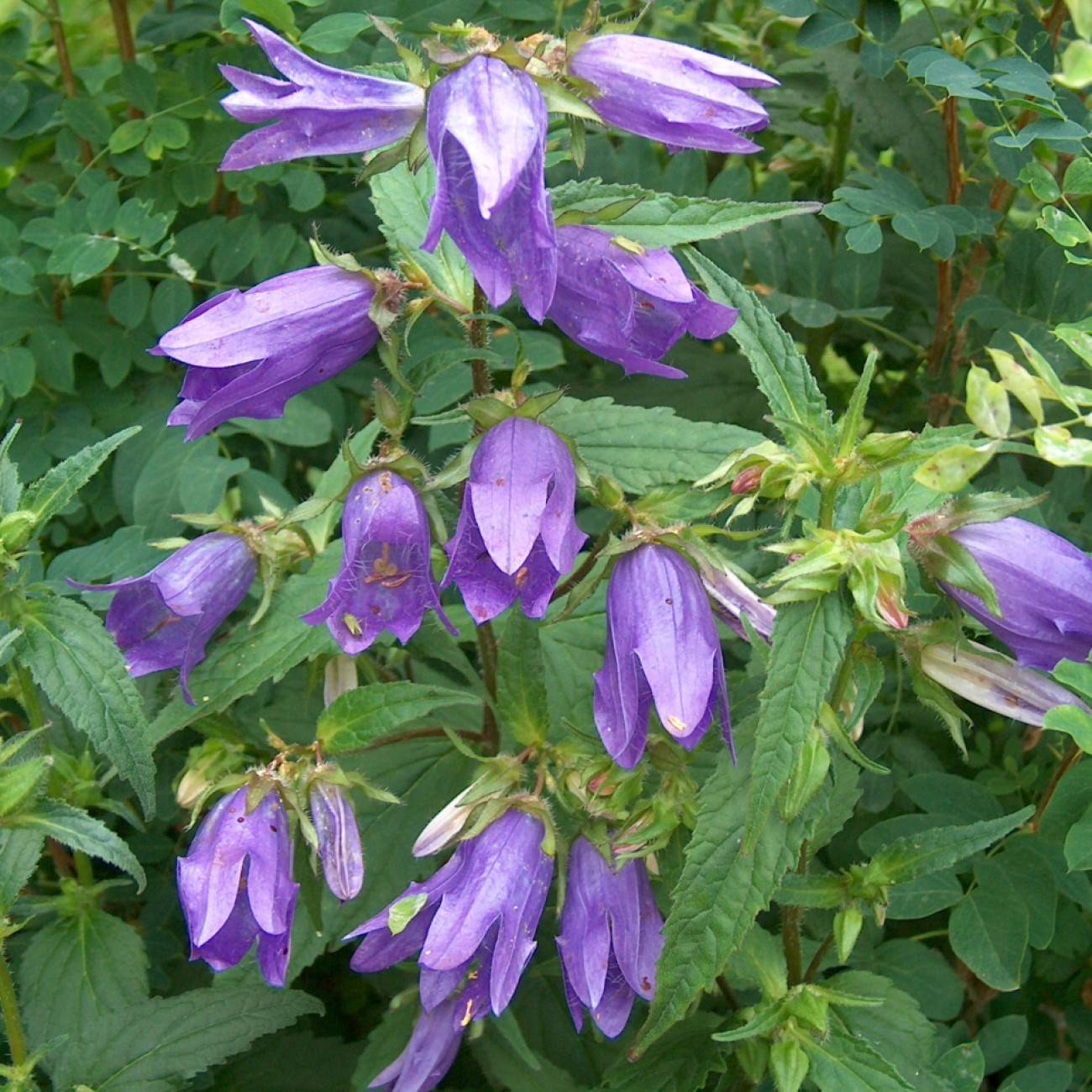
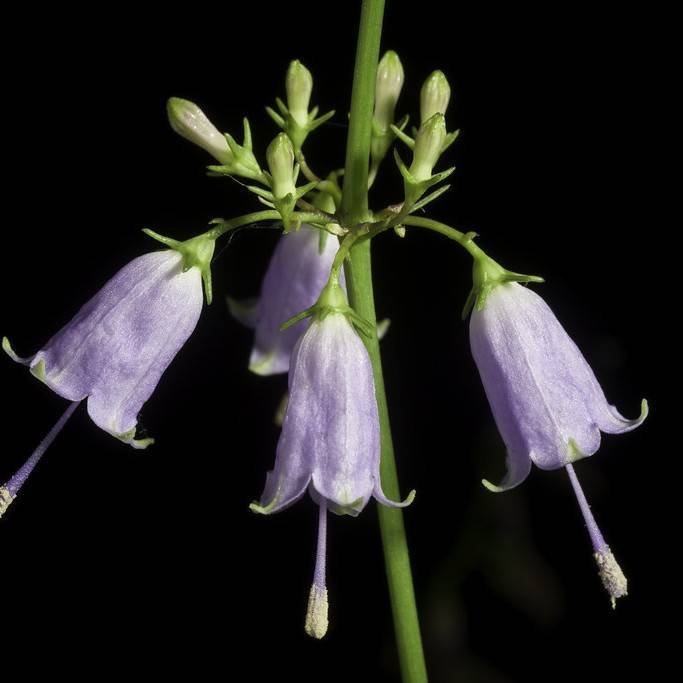
Campanule Feuilles Larges, or giant bellflower, is a robust herbaceous perennial native to temperate Eurasian woodland edges and meadows. It forms dense basal clumps of oval, toothed green leaves before sending up upright, unbranched stems lined with nodding, 2-inch wide bell flowers in shades of violet-blue, lilac, or rarely white. Adaptable and low-maintenance, it naturalizes readily in suitable growing conditions, making it a popular choice for cottage and wildlife gardens.
Care Guide
Watering
Water regularly to keep soil consistently moist but not waterlogged, especially during periods of hot, dry weather. Reduce watering frequency in fall and winter once the plant dies back to its root system, allowing the top 1 inch of soil to dry out between sessions. Avoid overhead watering to minimize fungal risk on foliage.
Light
Thrives in partial shade, particularly in regions with hot summer climates, where it benefits from protection from intense midday sun. It can also tolerate full sun in cooler, northern regions as long as soil moisture remains consistent. Too much deep shade will reduce flowering and cause stems to become leggy.
Soil
Prefers fertile, well-drained loam or sandy loam soil with a neutral to slightly alkaline pH, though it can adapt to mildly acidic conditions. Amending planting sites with compost or well-rotted manure before planting improves nutrient content and drainage. Heavy, waterlogged clay soils will cause root rot and should be avoided.
Fertilizer
Apply a balanced, slow-release granular fertilizer in early spring just as new growth emerges to support healthy foliage and flower development. Alternatively, feed with a diluted liquid all-purpose fertilizer every 4 to 6 weeks during the active growing season. Avoid over-fertilizing, as this leads to excessive leaf growth at the expense of blooms.
Temperature
Grows best in cool to moderate temperatures between 55–75°F (13–24°C) during its active growing season. It is cold-hardy to USDA zones 3–8, tolerating winter temperatures as low as -40°F (-40°C) when established. High heat and humidity above 85°F (29°C) can cause foliage stress, so mulching around the base helps keep roots cool.
Pruning
Deadhead spent flower spikes regularly throughout the blooming period to encourage a second, lighter flush of flowers later in the season and prevent unwanted self-seeding. Once the entire plant dies back in late fall, cut all stems down to 1–2 inches above the soil line to prepare for winter dormancy. Remove any yellowed or damaged foliage during the growing season to improve air circulation.
Propagation
Easily propagated by division in early spring or late fall, splitting mature clumps into smaller sections with healthy roots and at least one growing point each. It can also be grown from seed sown directly outdoors in fall or started indoors 8–10 weeks before the last frost date. Softwood cuttings taken from new spring growth root readily in moist potting mix under indirect light.
Humidity
Adaptable to average outdoor humidity levels between 40–60%, which is typical of its native temperate woodland habitat. It does not require extra humidity in most garden settings, though prolonged periods of high humidity above 70% increase the risk of fungal leaf spots. Good air circulation around plants helps mitigate humidity-related issues.
Repotting
For potted specimens, repot every 2–3 years in early spring before new growth emerges, moving to a container one size larger with fresh, nutrient-rich potting mix. Ensure the container has adequate drainage holes to prevent root rot. Divide overcrowded clumps during repotting to maintain plant vigor and reduce competition for resources.
Uses & Symbolism
Campanule Feuilles Larges is a popular addition to cottage gardens, shaded borders, and wildlife plantings, where its tall flower spikes add vertical interest and attract bees, butterflies, and hummingbirds. Cut stems with open blooms make long-lasting, elegant additions to fresh floral arrangements. Historically, some European herbal traditions used small amounts of the plant for treating respiratory and inflammatory conditions, though medicinal use is not common today.
Diseases & Pests
Common fungal issues include powdery mildew, leaf spot, and rust, which occur most often in humid conditions with poor air circulation or overhead watering. Aphids, slugs, and snails are frequent pests that feed on young foliage and tender flower buds, particularly in damp, shaded spots. Root rot may develop in poorly drained, waterlogged soils, especially during winter dormancy.
Related plants
Other plants you might like if you grow Campanule Feuilles Larges.