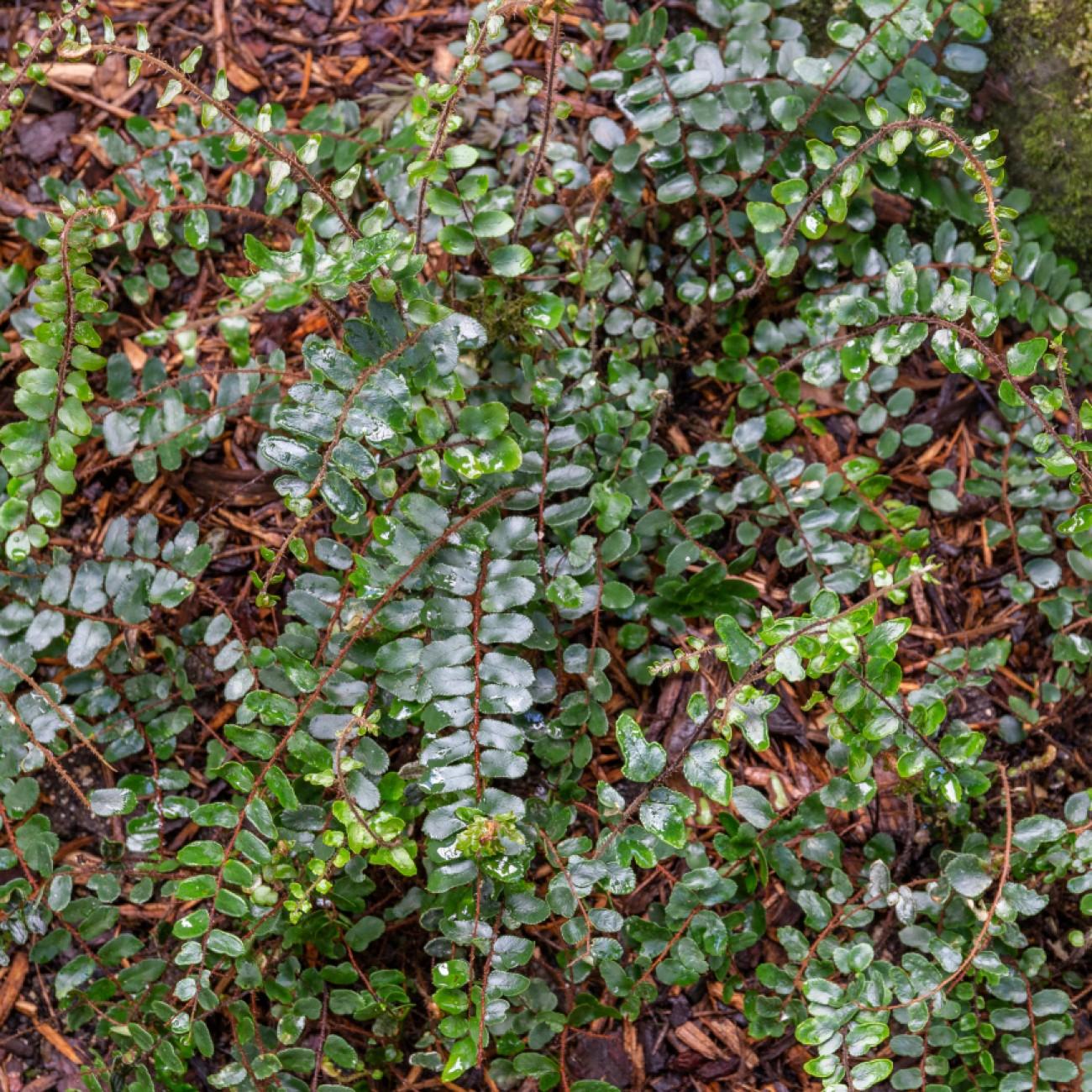
Button Fern
Pellaea rotundifolia
Overview
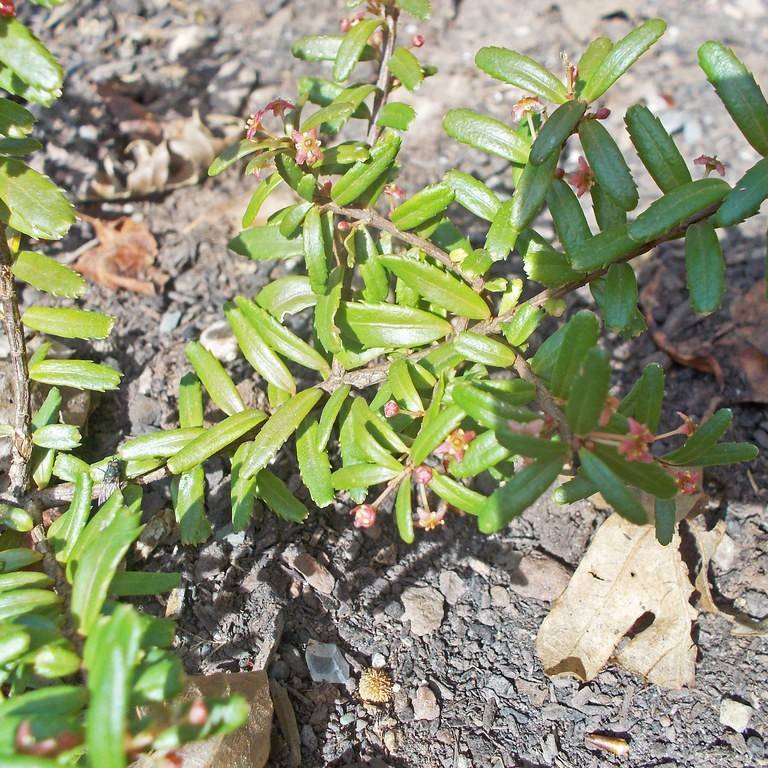
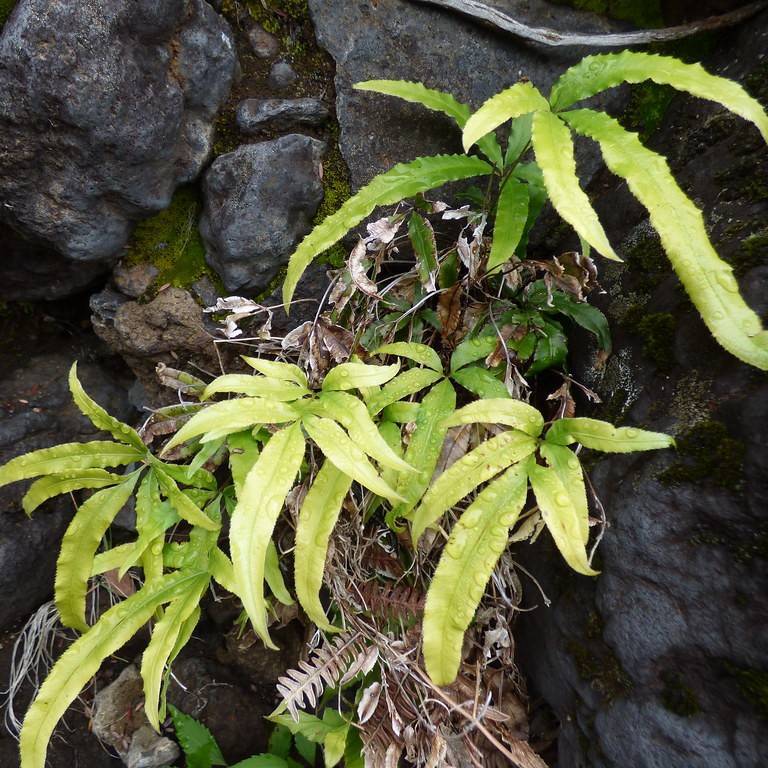
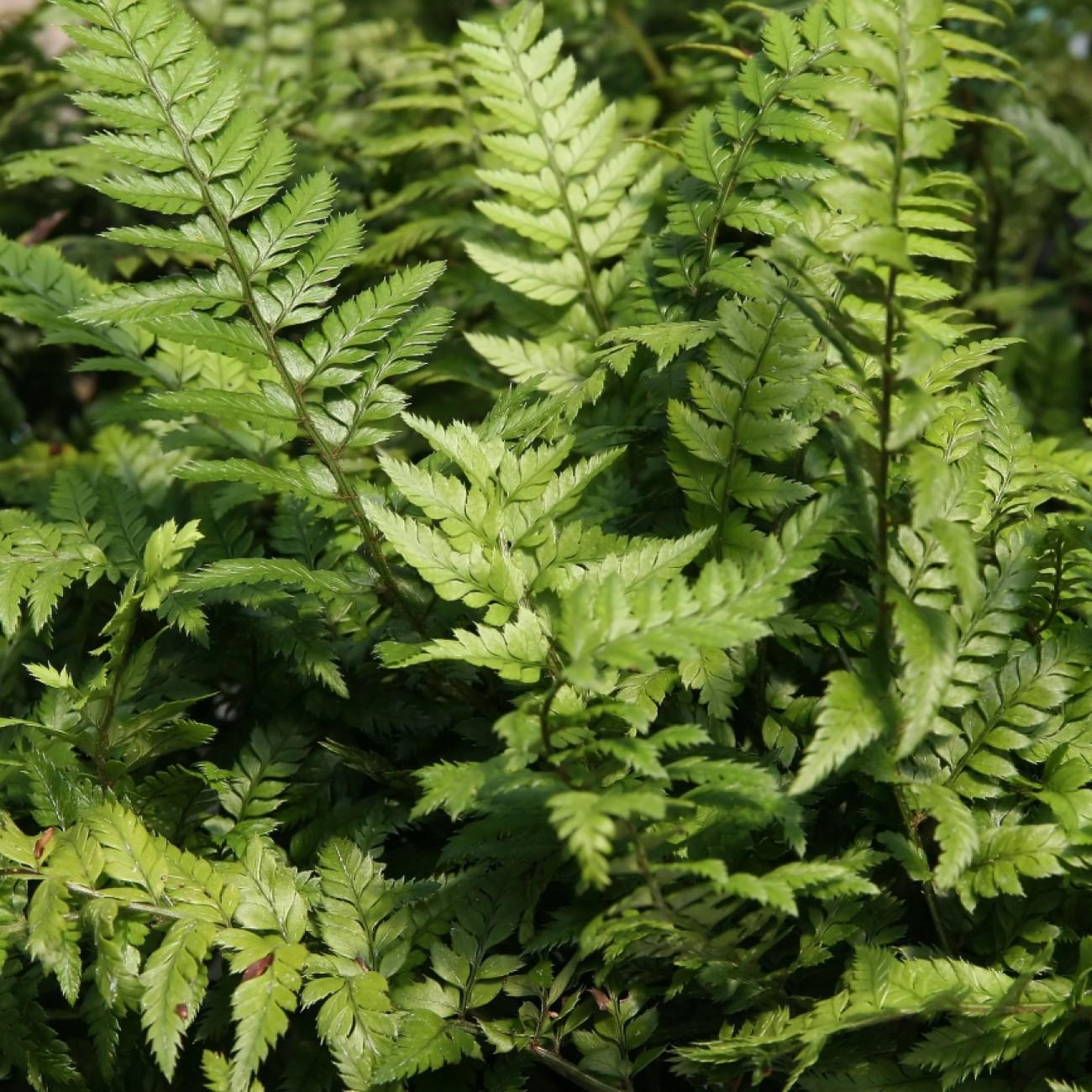
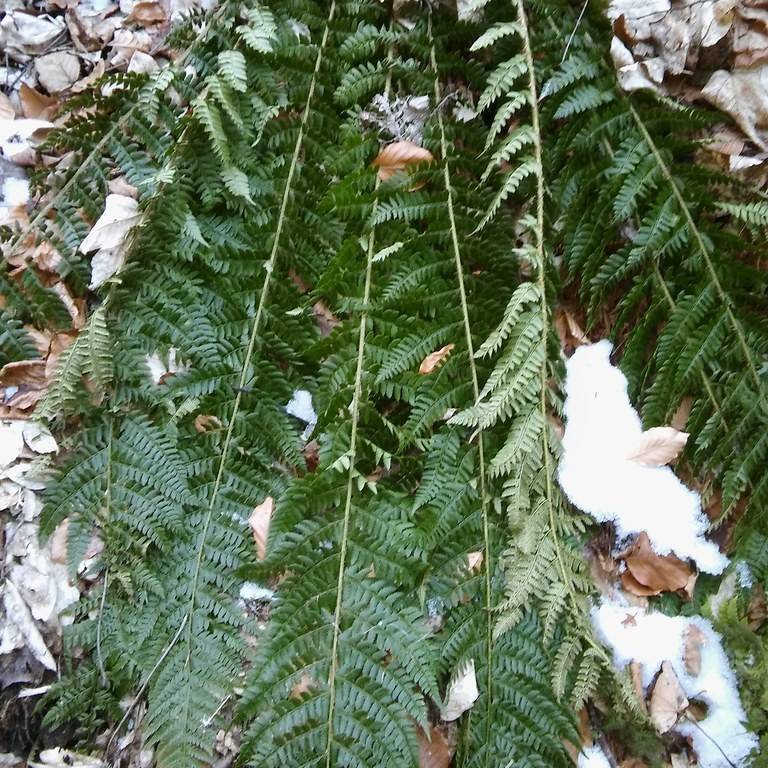
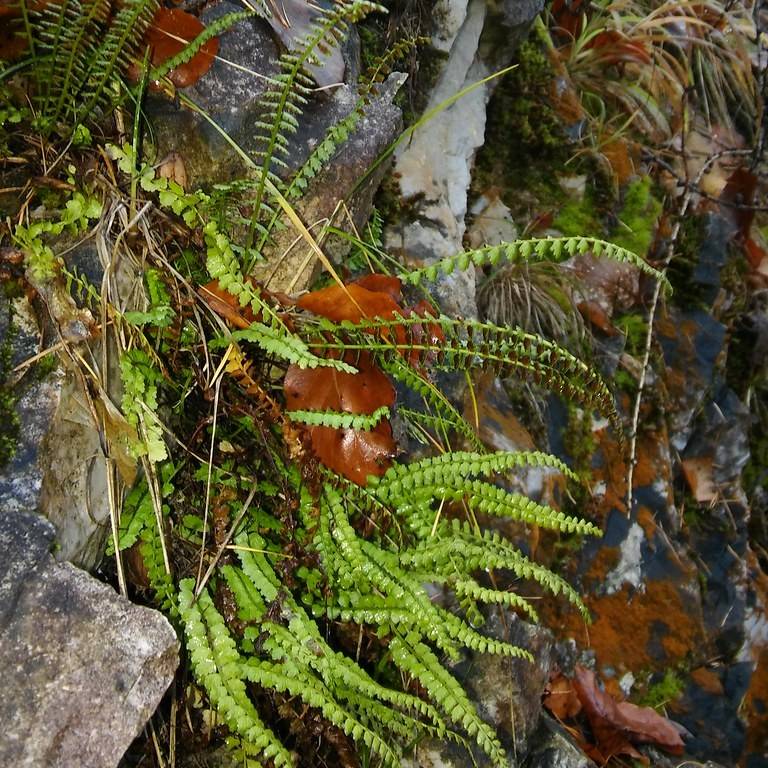
Button fern is a distinctive evergreen fern recognizable for its small, rounded, dark green leaflets arranged along slender, arching fronds, giving it a neat, lacy yet sturdy appearance. Unlike many delicate fern species, it has thick, leathery foliage that resists wilting better in lower-humidity indoor environments, making it a popular choice for home cultivation. In its native habitat, it grows as an understory plant in cool, moist forested areas, often rooting in rocky crevices or leaf litter.
Care Guide
Watering
Water button fern when the top 1 inch of soil feels dry to the touch, taking care to avoid overwatering that can lead to root rot; empty excess water from the saucer after each watering to prevent soggy roots. Reduce watering frequency in fall and winter when growth slows, only providing enough moisture to keep the soil from drying out completely.
Light
Thrives in bright, indirect light, such as near a north-facing or east-facing window, but can tolerate lower light conditions better than many other fern species. Avoid direct, intense sunlight, which will scorch its delicate round leaflets and cause yellowing or browning of foliage.
Soil
Requires a loose, well-draining, slightly acidic potting mix with high organic content; a blend of standard potting soil, peat moss or coco coir, and perlite or orchid bark works well to support healthy root growth. Avoid heavy, compacted soils that hold excess moisture, as this will quickly lead to root rot in this species.
Fertilizer
Feed once a month during the spring and summer growing season with a balanced, water-soluble houseplant fertilizer diluted to half the recommended strength to avoid burning the fern’s sensitive roots. Do not fertilize in fall and winter when the plant is dormant, as this can cause nutrient buildup in the soil that damages roots.
Temperature
Prefers consistent temperatures between 60-75°F (15-24°C), and can tolerate brief dips down to 50°F (10°C) but is not frost-hardy. Avoid placing it near cold drafts from windows, air conditioning units, or heating vents, as sudden temperature fluctuations can cause frond drop.
Pruning
Prune away any yellow, brown, or dead fronds at the base using clean, sharp scissors to encourage new growth and maintain the plant’s tidy appearance. Light pruning can be done at any time of year, but major trimming is best performed in early spring just before the active growing season begins.
Propagation
Most easily propagated by division during repotting in early spring: carefully separate the root ball into smaller sections, each with a healthy clump of fronds and roots, and plant each division in its own pot with fresh potting mix. Spore propagation is possible but much slower and more challenging, making it less suitable for home growers.
Humidity
Tolerates average household humidity levels of 40-50% better than most tropical ferns, but will grow more vigorously with humidity levels of 50-60%. If your home is very dry, increase humidity by placing the pot on a tray of pebbles filled with water, grouping it with other plants, or running a small humidifier nearby.
Repotting
Repot every 2-3 years in early spring, moving to a pot only 1-2 inches larger than the current one, as button ferns prefer to be slightly root-bound and will suffer in overly large pots with excess soil that holds too much moisture. Ensure the new pot has adequate drainage holes to prevent waterlogging of the root system.
Uses & Symbolism
Button fern is primarily grown as an ornamental houseplant, often used in hanging baskets, tabletop planters, or shaded terrariums to add lush, compact greenery to indoor spaces. It is also a popular choice for shaded outdoor gardens in mild, frost-free climates, where it is used as a ground cover in rock gardens or under tall trees.
Diseases & Pests
Button fern is relatively pest-resistant, but can be affected by common houseplant pests such as aphids, mealybugs, and scale insects, which can be treated with insecticidal soap or neem oil applications. Overwatering is the most common issue, leading to root rot and yellowing fronds, while overly dry conditions or direct sun can cause browning of leaflet edges and premature frond drop.
Related plants
Other plants you might like if you grow Button Fern.