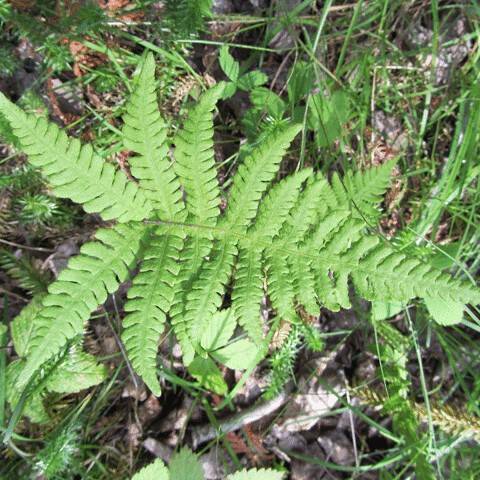
Broad Beech Fern
Phegopteris hexagonoptera
Overview
Broad beech fern is a clumping deciduous fern named for its soft, broadly triangular fronds that resemble beech tree leaves in shape. Its fronds emerge light green in spring, deepen to medium green through the growing season, and die back to the ground after the first frost. It spreads slowly via short, creeping rhizomes to form loose, non-invasive colonies in suitable woodland settings.
Care Guide
Watering
Keep the soil consistently moist but not waterlogged, as broad beech fern is sensitive to prolonged drought. Water deeply when the top 1 inch of soil feels dry, reducing frequency slightly in fall as fronds begin to senesce. Avoid overhead watering that can promote fungal growth on fronds.
Light
Grow best in partial to full shade, mimicking its native understory woodland habitat. Dappled sunlight through tree canopy is ideal; direct midday sun will scorch fronds and cause browning at the edges. It can tolerate very low light levels but will grow more slowly and produce fewer fronds.
Soil
Requires rich, well-drained, acidic soil with a pH between 4.5 and 6.0, amended with plenty of organic matter such as leaf mold or compost. The soil should retain moisture effectively without becoming soggy, as saturated conditions will rot the fern’s shallow rhizomes. Adding a layer of leaf mulch annually helps mimic its natural woodland growing medium.
Fertilizer
Fertilize sparingly once per year in early spring with a diluted, balanced slow-release fertilizer formulated for acid-loving plants. Over-fertilization can burn fronds and disrupt the fern’s natural slow growth rhythm, so avoid applying more than the recommended rate. In organically rich soils, additional fertilization may not be necessary at all.
Temperature
Thrives in cool to moderate temperatures between 55–75°F (13–24°C), typical of temperate deciduous woodlands. It is winter hardy in USDA zones 3–8, tolerating winter temperatures as low as -40°F (-40°C) when dormant. High summer temperatures above 85°F (29°C) can cause frond wilting if the plant is not kept sufficiently moist and shaded.
Pruning
Prune away dead, brown, or damaged fronds at the base in late winter or early spring before new growth emerges to improve air circulation and maintain a tidy appearance. You can also trim off any fronds that become scorched or diseased throughout the growing season as needed. Avoid cutting back green, healthy fronds during the growing season, as they provide energy for the fern’s rhizome growth.
Propagation
The most reliable propagation method is division of established clumps in early spring just as new fronds begin to unfurl. Gently dig up the clump, separate sections of rhizome with at least 2–3 healthy frond buds attached, and replant immediately at the same depth they were growing previously. It can also be grown from spores, but this is a slow, labor-intensive process that can take 2–3 years to produce mature plants.
Humidity
Prefers moderate to high humidity levels between 50–70%, similar to its native woodland environment. Low indoor humidity can cause frond edges to brown, so if grown as a houseplant, place it on a pebble tray filled with water or use a room humidifier to raise moisture levels. Outdoors, planting it in proximity to other woodland plants or a small water feature will help maintain adequate ambient humidity.
Repotting
If grown in containers, repot every 2–3 years in early spring before new growth emerges, using a peat-based potting mix amended with perlite and leaf mold for drainage and acidity. Choose a pot that is only 1–2 inches larger in diameter than the current one, as broad beech fern prefers slightly tight root conditions. Gently loosen any tangled roots before placing it in the new pot, and water thoroughly after repotting to settle the soil.
Uses & Symbolism
Broad beech fern is a popular choice for shaded woodland gardens, native plant landscapes, and shade borders, where its soft, lacy fronds provide textural contrast to broad-leaved shade perennials. It is also grown as a low-maintenance houseplant for low-light indoor spaces, such as north-facing rooms or office interiors. Ecologically, it provides cover for small ground-dwelling woodland creatures and serves as a host plant for several species of fern-feeding moths.
Diseases & Pests
Broad beech fern is relatively pest and disease resistant when grown in suitable conditions, but it can be susceptible to fungal leaf spots and rust if exposed to prolonged overhead moisture and poor air circulation. Common pests include aphids, mealybugs, and fern mites, which can be controlled with insecticidal soap or neem oil applications. Overly wet soil can lead to rhizome rot, the most serious threat to this fern, which can be prevented by ensuring proper soil drainage and avoiding overwatering.
Related plants
Other plants you might like if you grow Broad Beech Fern.
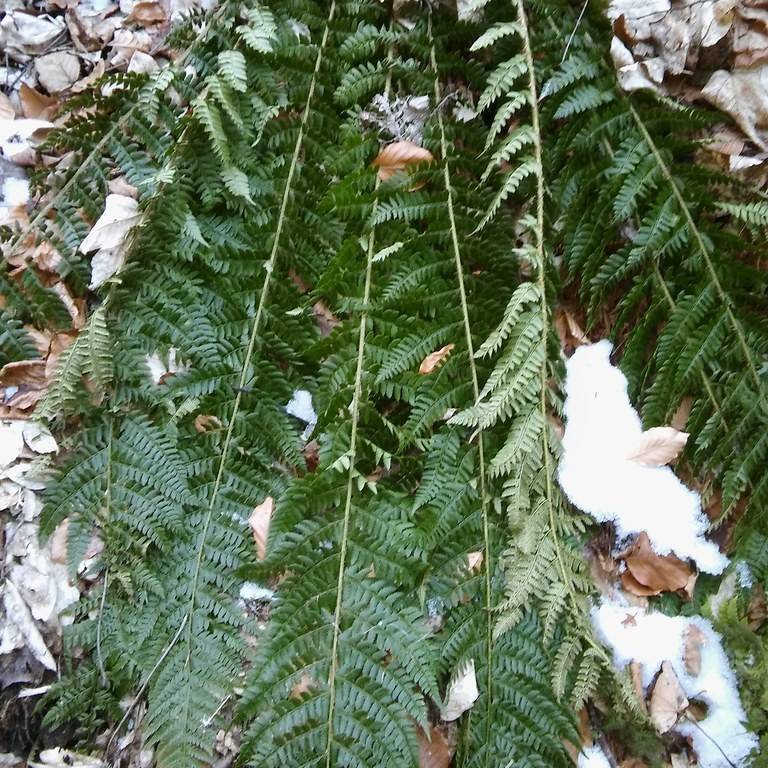
Braun's Holly Fern
Polystichum braunii
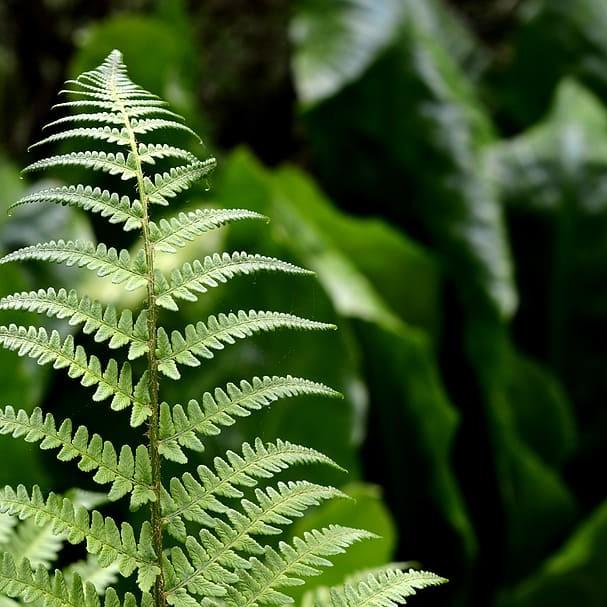
Beech Fern
Phegopteris connectilis
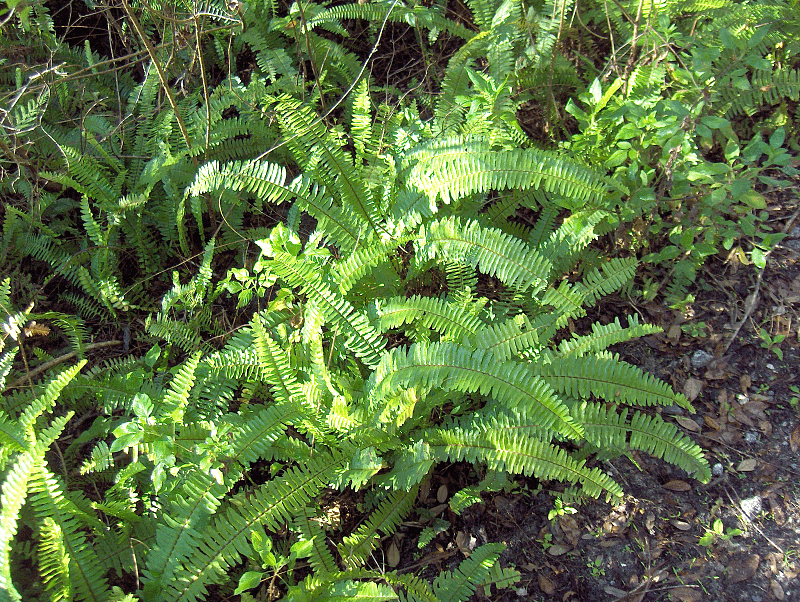
Boston Fern
Nephrolepis exaltata 'Bostoniensis'
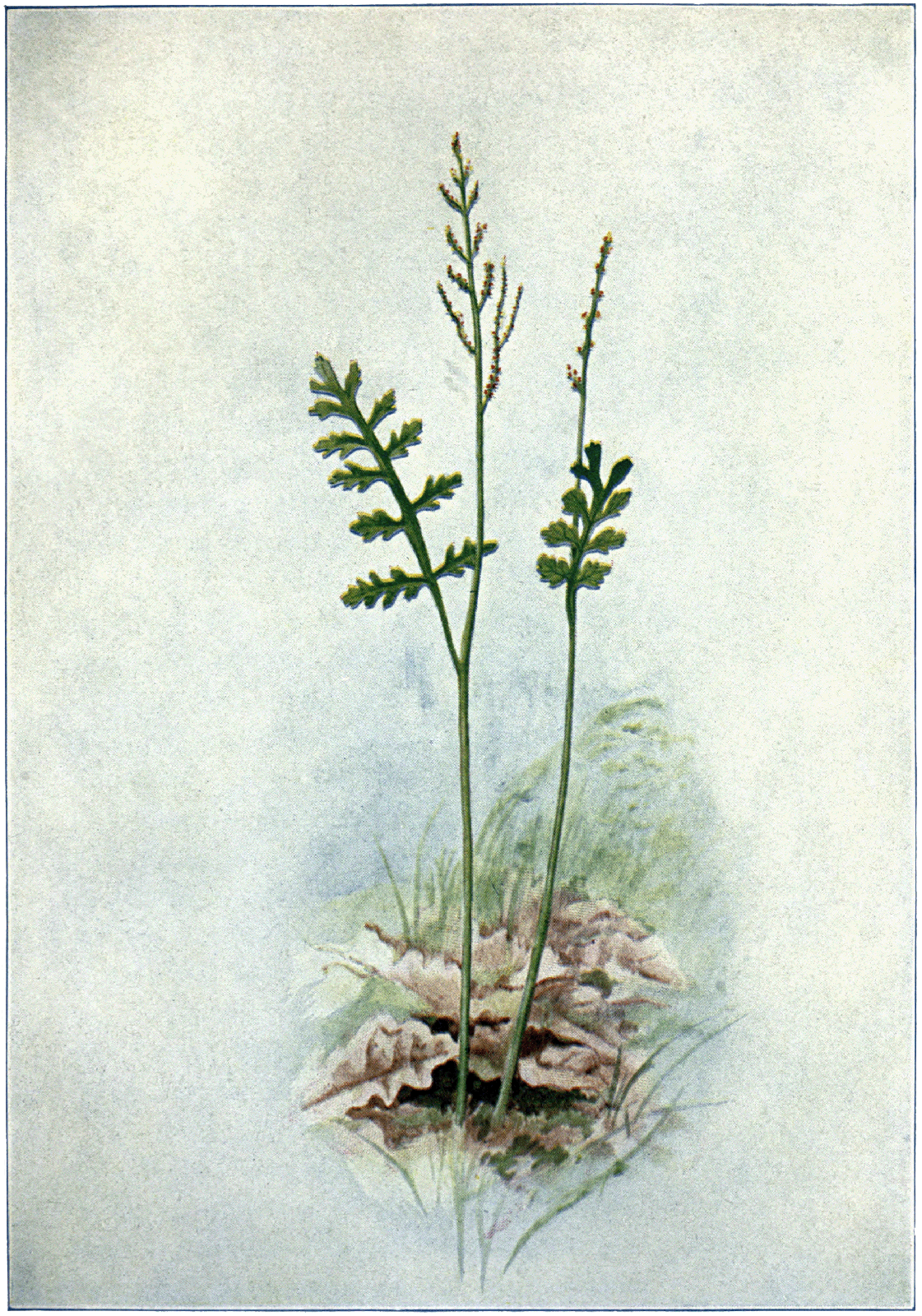
Chamomile Grape Fern
Botrychium matricariifolium
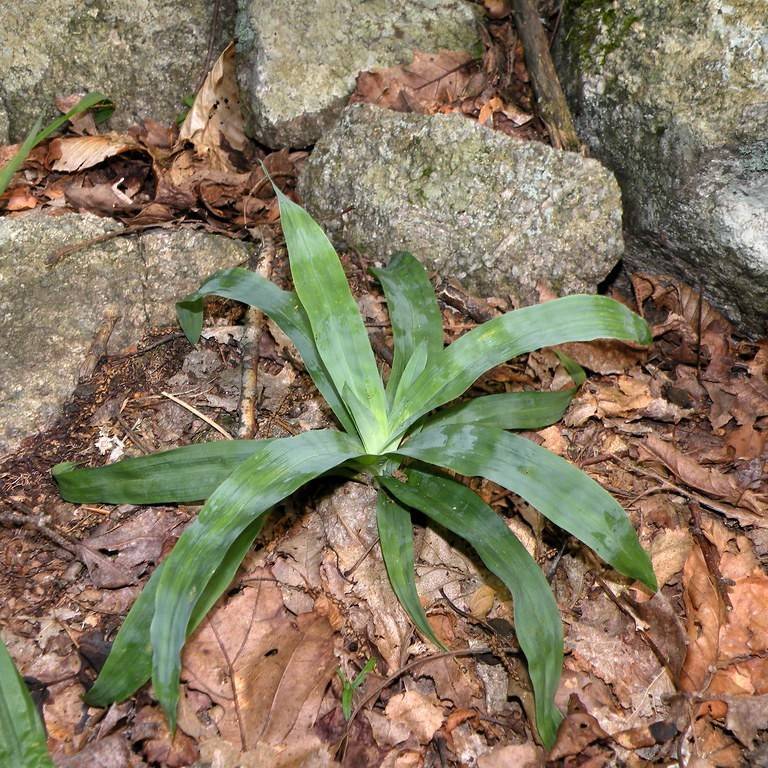
Broad Leaved Sedge
Carex platyphylla
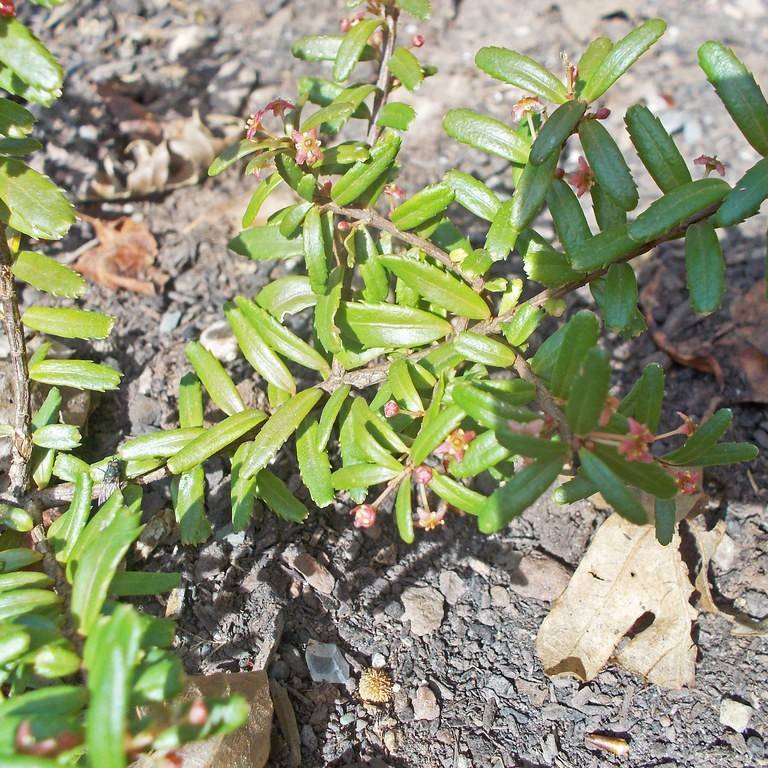
Cliff Green
Pellaea viridis
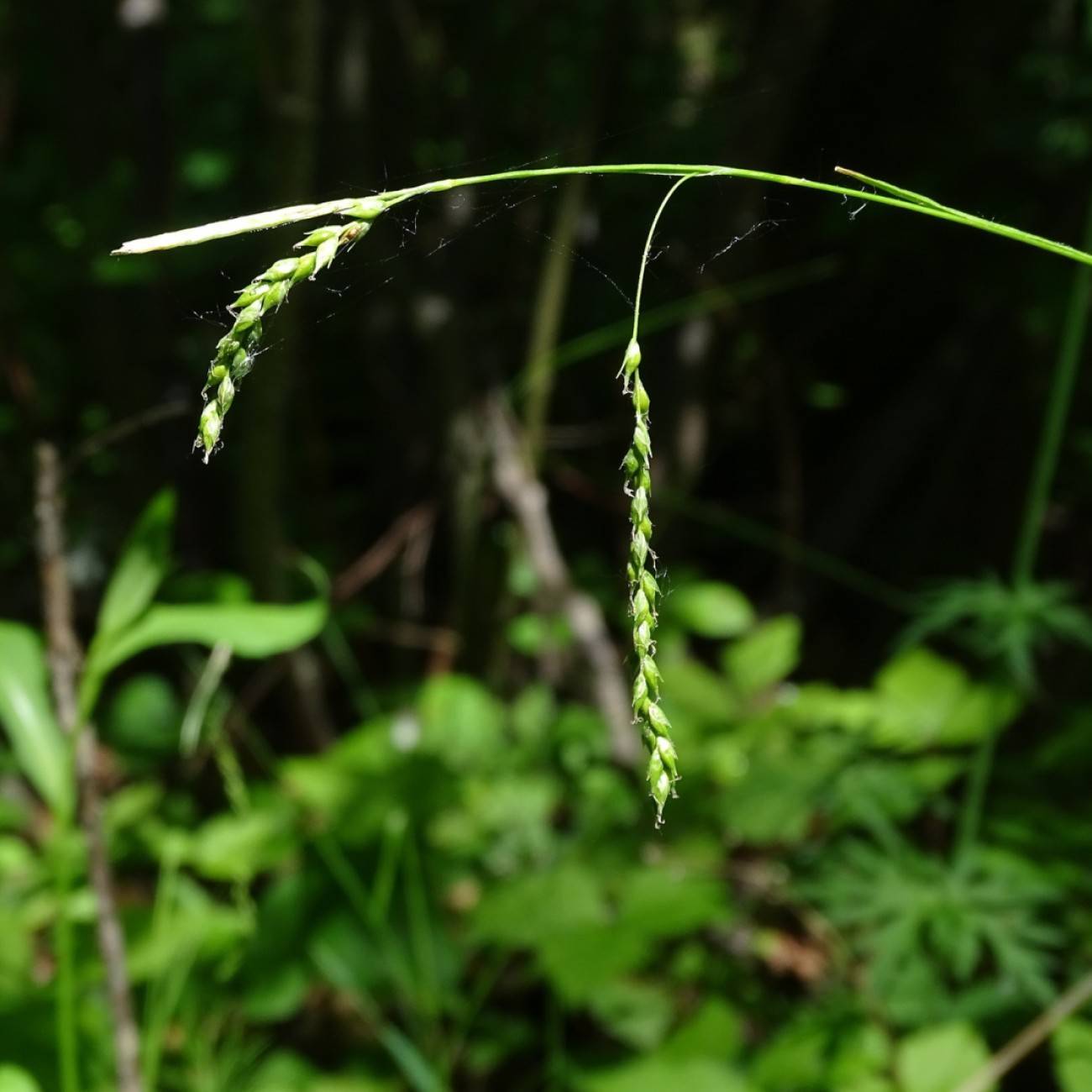
Drooping Wood Sedge
Carex arctata
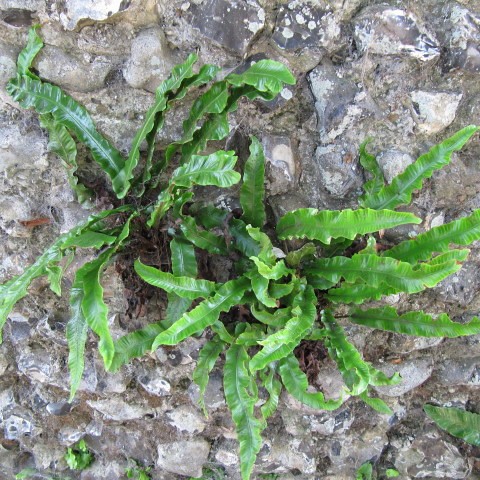
European Hart's Tongue Fern
Asplenium scolopendrium