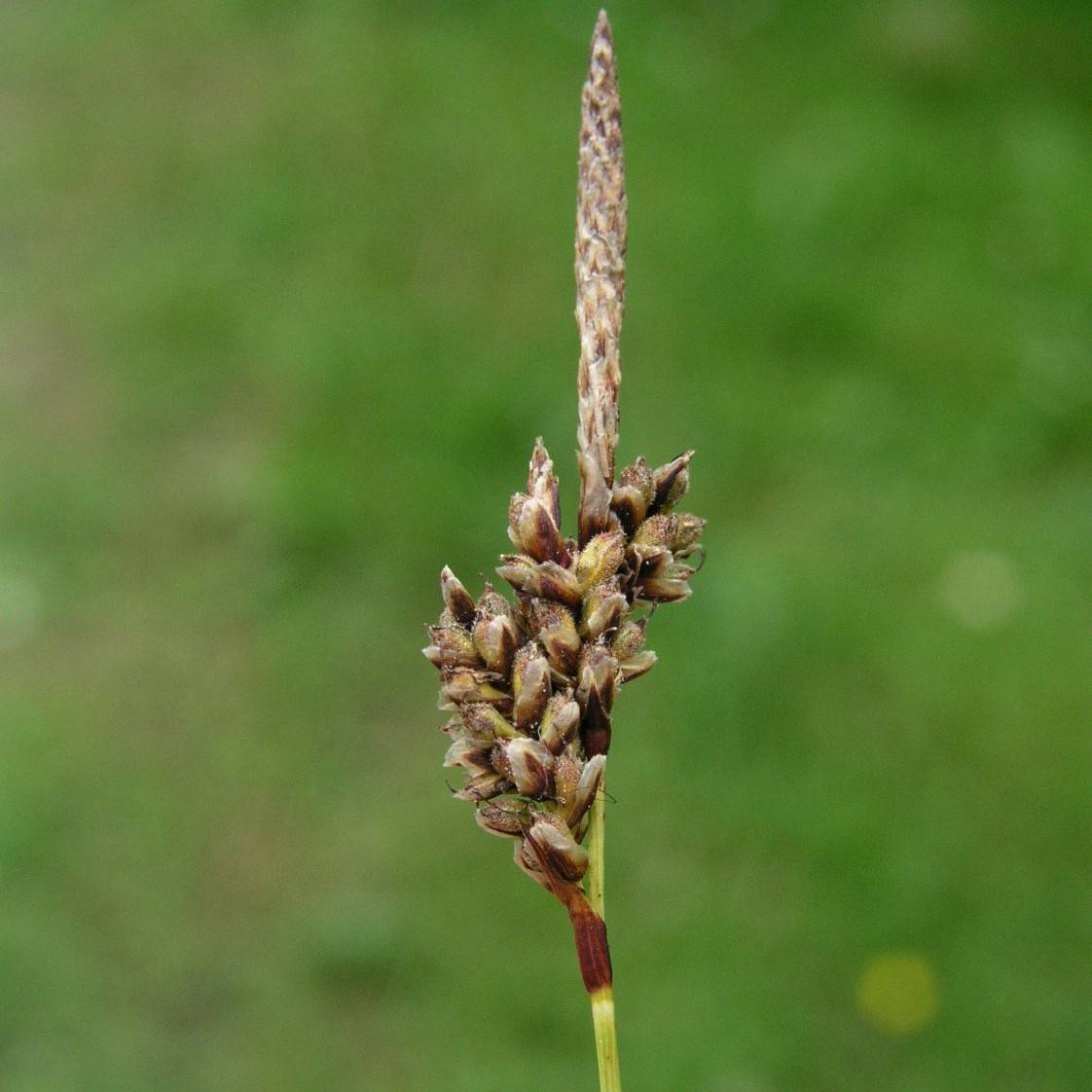
Circumpolar Sedge
Carex arctogena
Overview
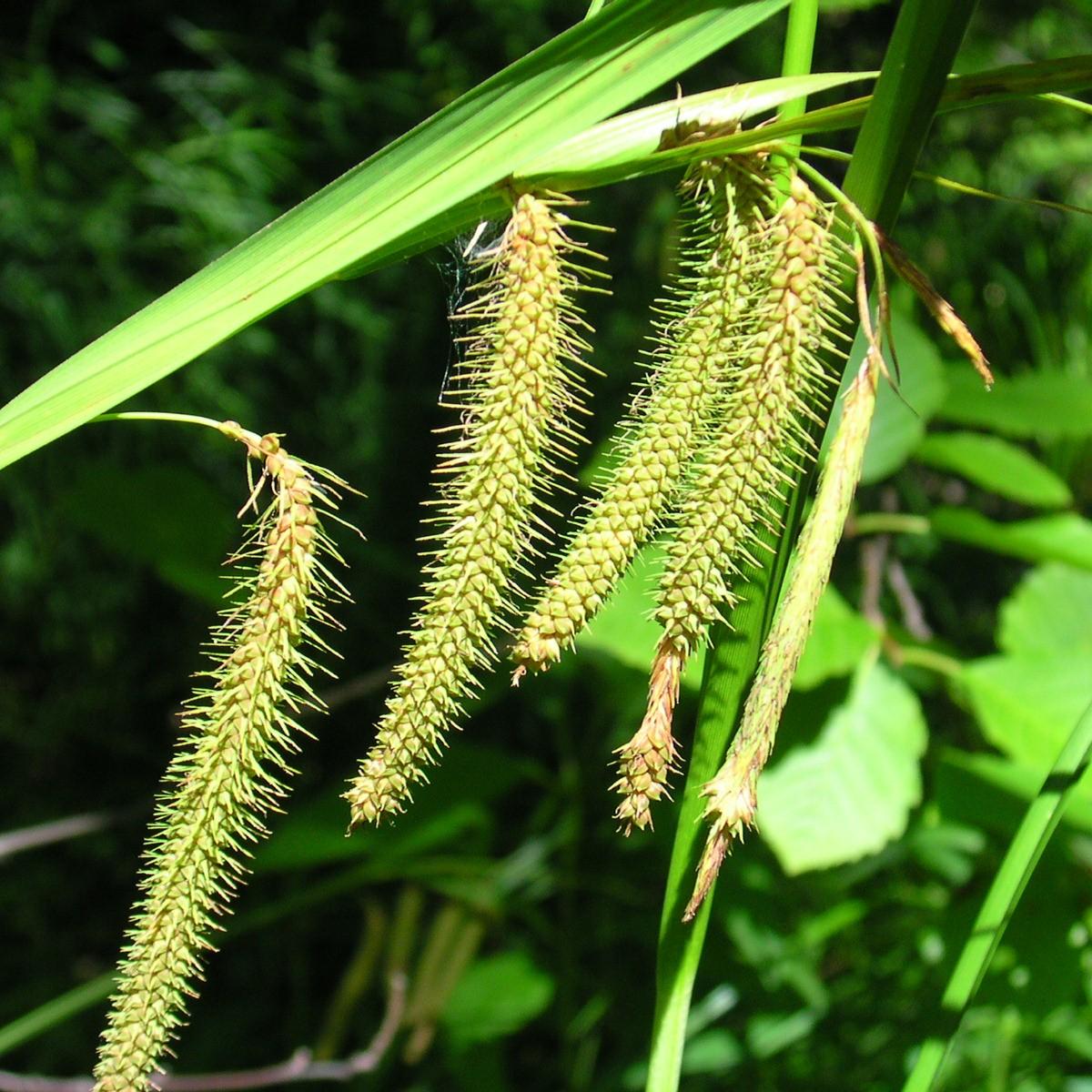
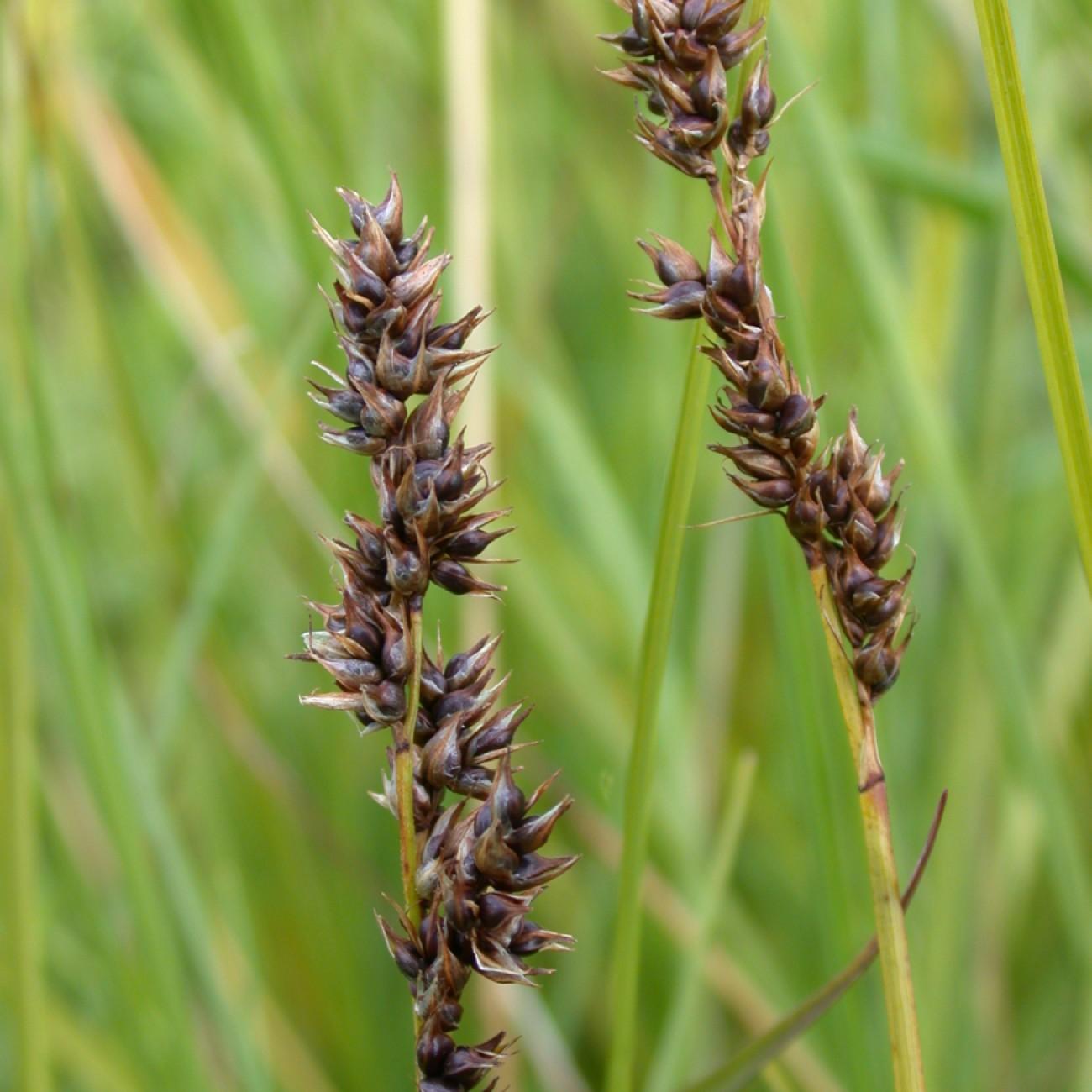
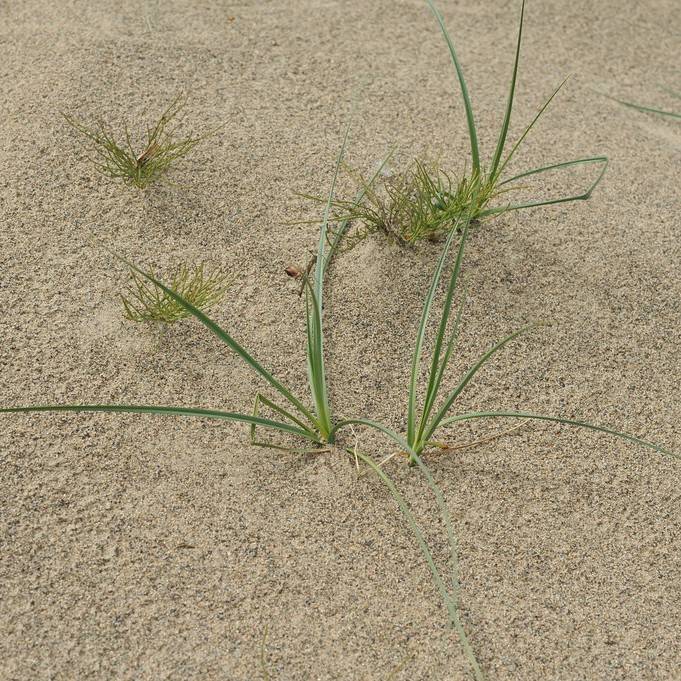
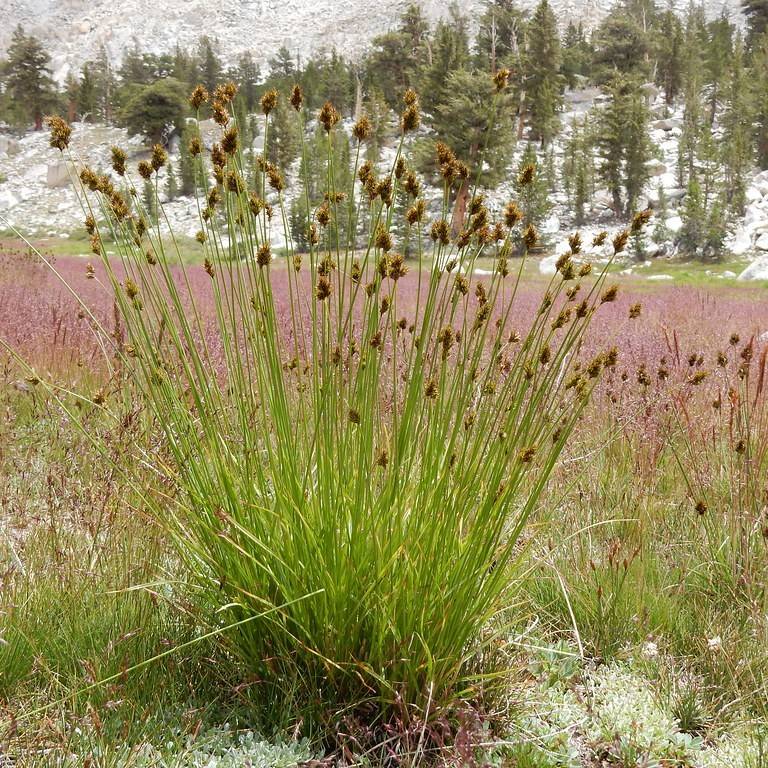
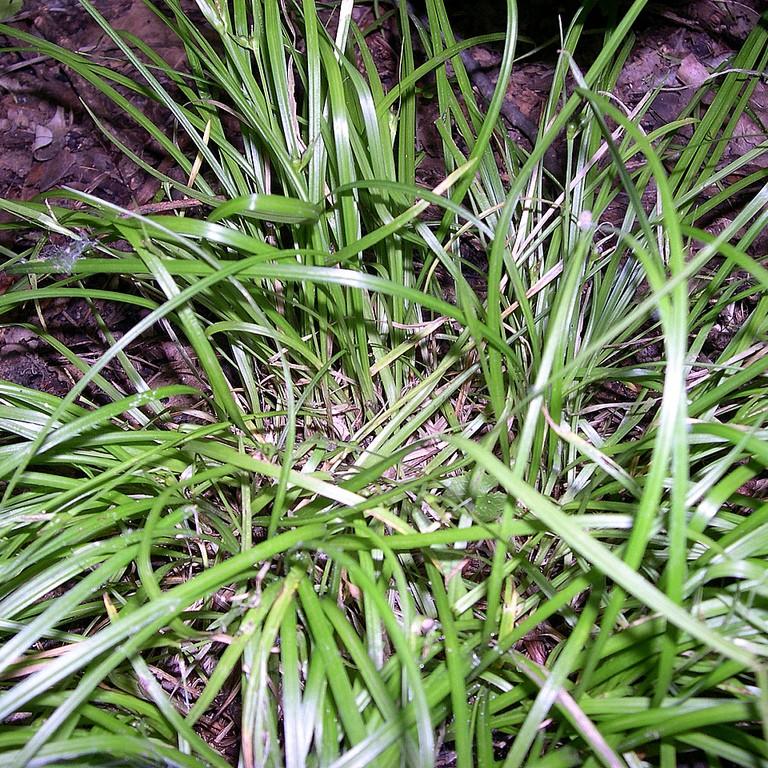
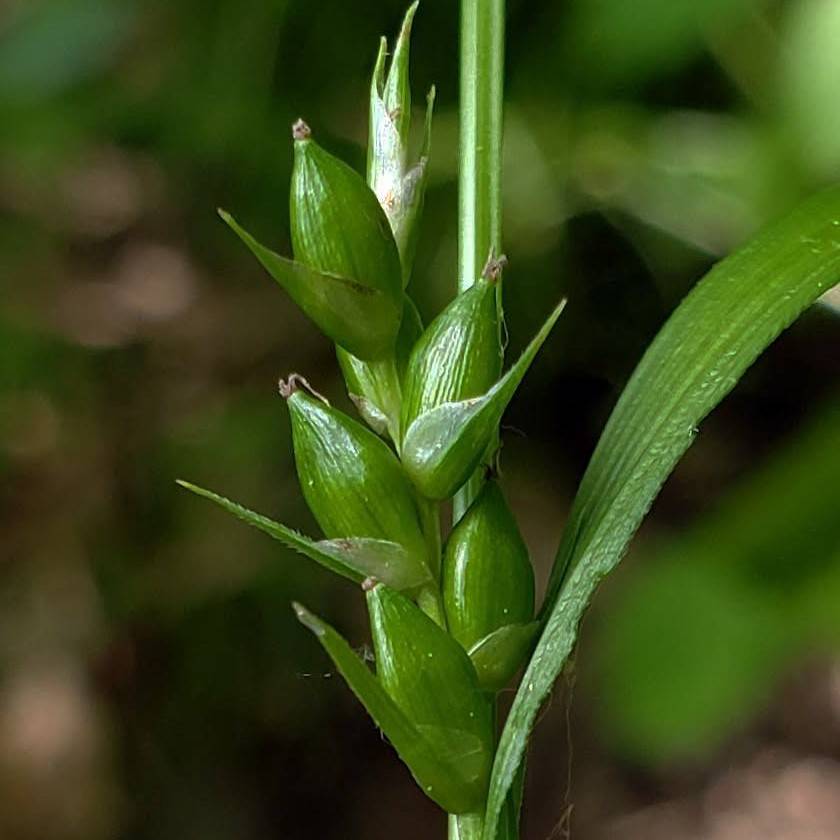
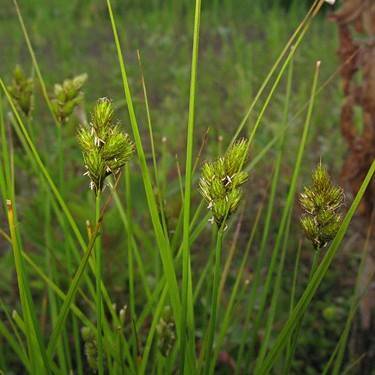
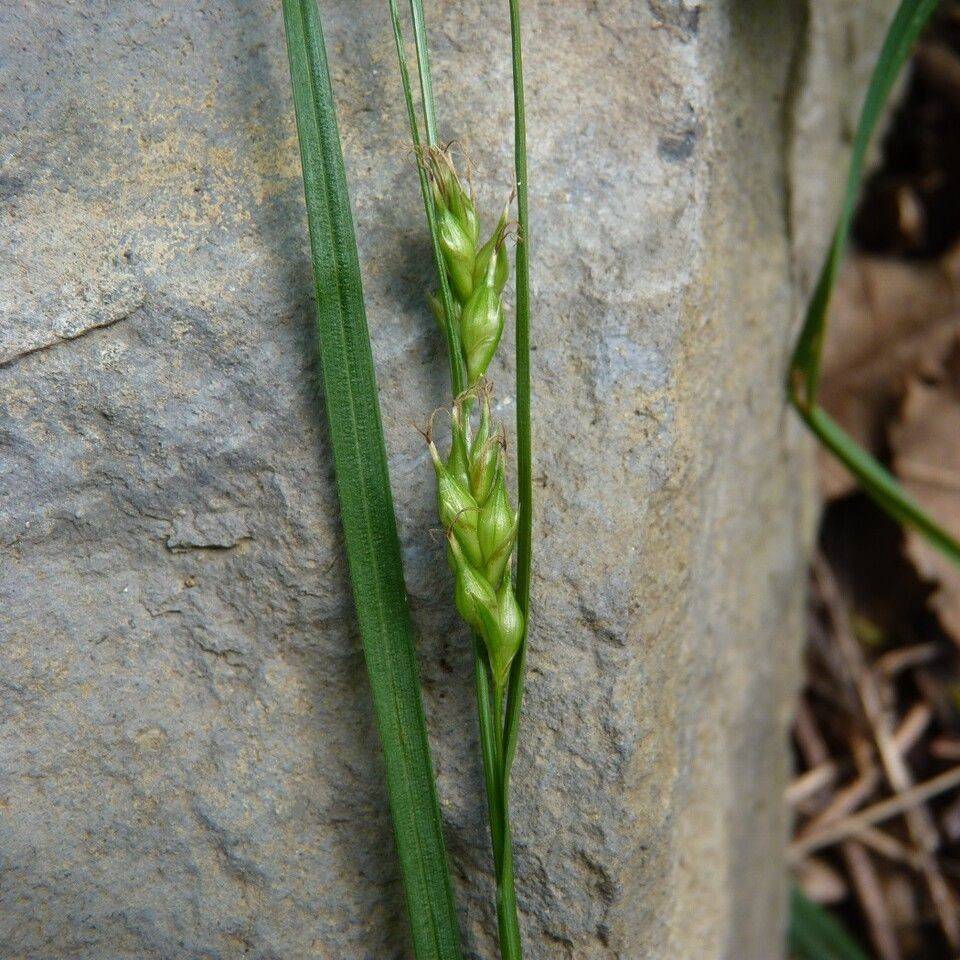
Circumpolar sedge is a clumping, grass-like perennial that forms dense mats in its native tundra, bog, and alpine wetland habitats. It features fine, narrow, bluish-green foliage and subtle, wind-pollinated flower spikes that appear in short growing seasons, providing forage for small Arctic herbivores and stabilizing fragile wetland soils. This species is highly adapted to extreme cold, short growing periods, and saturated, low-nutrient substrates, making it a key component of high-latitude ecosystems.
Care Guide
Watering
Circumpolar sedge requires consistently moist to saturated soil, as it is adapted to wet tundra and bog habitats; never allow the root zone to dry out completely, even during dormant periods. In cultivation, mimic its native environment by planting in areas with consistent access to water, such as the edge of a water feature or a permanently moist rock garden, and water frequently to maintain high soil moisture levels. During the short active growing season, avoid overwatering to the point of standing stagnant water if grown in warmer climates, as this can encourage root rot in non-native temperature conditions.
Light
This species thrives in full, direct sun in its native Arctic range, where summer daylight hours are nearly continuous; in more temperate growing zones, it tolerates light partial shade, especially during the hottest parts of the day. Provide at least 6 hours of direct sunlight daily to support healthy clump formation and prevent sparse, leggy growth. Avoid full shade, as this will reduce vigor and may prevent the plant from producing its characteristic flower spikes.
Soil
Circumpolar sedge prefers acidic, nutrient-poor, well-drained yet moisture-retentive soil, typical of tundra and peat bog environments. A mix of peat moss, coarse sand, and perlite, with little to no added organic matter, best replicates its native substrate. Avoid rich, fertile, or alkaline soils, as these can cause excessive, weak growth and reduce the plant's cold hardiness.
Fertilizer
This species is adapted to low-nutrient environments and requires very little fertilization; excess nutrients can damage its delicate root system and reduce its lifespan. If grown in cultivation, apply a very dilute, balanced liquid fertilizer once at the start of the growing season only, at 25% of the recommended strength for most garden plants. Avoid adding compost, manure, or slow-release fertilizers to the planting area, as these will create nutrient levels that are too high for circumpolar sedge to thrive.
Temperature
Circumpolar sedge is extremely cold hardy, tolerating winter temperatures as low as -40°F (-40°C) and even prolonged periods under snow cover. It prefers cool summer temperatures between 50-65°F (10-18°C) and struggles in sustained heat above 75°F (24°C), making it unsuitable for cultivation in warm temperate or tropical climates. In regions with mild winters, provide a period of cold stratification (2-3 months at temperatures below 40°F/4°C) annually to support healthy dormancy and regrowth.
Pruning
Pruning is minimal for circumpolar sedge; in late winter or early spring, trim away any dead, brown foliage from the previous growing season to make space for new spring growth. Avoid cutting into the green, living base of the clump, as this can damage the plant's growing points and reduce its ability to regrow. If grown in a contained garden space, trim back any spreading rhizomes annually to prevent it from overtaking smaller, more delicate alpine or bog plants.
Propagation
Circumpolar sedge is most easily propagated by division in early spring, just as new growth begins to emerge; gently separate clumps into smaller sections, each with intact roots and growing points, and replant immediately in moist, acidic soil. It can also be grown from seed, which requires a 3-month cold stratification period to break dormancy, followed by sowing on the surface of moist, low-nutrient growing medium under bright light. Seed-grown plants develop slowly, taking 2-3 years to reach mature clumping size, while division produces mature-sized plants in a single growing season.
Humidity
This species tolerates a wide range of humidity levels, from the dry, windy conditions of Arctic tundra to the high humidity of coastal bog environments. In cultivation, average outdoor humidity levels are sufficient, though it will benefit from occasional misting if grown in an unusually dry, warm climate. Avoid extremely low humidity below 30% for prolonged periods, as this can cause the tips of the fine foliage to brown and die back.
Repotting
If grown in containers, circumpolar sedge only needs repotting every 3-4 years, once the clump has completely filled the pot and roots begin to emerge from the drainage holes. Repot in early spring, using a low-nutrient, acidic, moisture-retentive potting mix, and select a pot only 1-2 inches larger than the previous one to avoid excess soil that can hold unnecessary moisture and cause root rot. After repotting, water thoroughly and keep the soil consistently moist for the first month to help the roots establish in the new substrate.
Uses & Symbolism
Circumpolar sedge is a key species for Arctic and alpine habitat restoration, as its dense, mat-forming root system stabilizes eroding wetland and tundra soils and provides habitat for small invertebrates and forage for grazing herbivores such as lemmings and caribou. In cool-climate gardens, it is used as a low-maintenance ground cover for bog gardens, water feature edges, and alpine rock gardens, adding fine texture and cool-toned foliage to these spaces. Indigenous Arctic communities have historically used the strong, flexible foliage of circumpolar sedge for weaving baskets, mats, and cordage.
Diseases & Pests
Circumpolar sedge is relatively disease-free in its native cold climate, but can be susceptible to root rot caused by fungal pathogens if grown in warm, stagnant, overly saturated soil. Common pests include aphids and spider mites, which may attack the foliage in warm, dry growing conditions; these can be controlled with a gentle spray of neem oil or insecticidal soap, avoiding harsh chemical treatments that can damage the delicate foliage. In overly fertile soils, the plant may develop weak, floppy growth that is more prone to fungal leaf spot diseases, which can be prevented by maintaining low nutrient levels and providing good air circulation around clumps.
Related plants
Other plants you might like if you grow Circumpolar Sedge.