Christmas Cactus
Schlumbergera × buckleyi
Overview
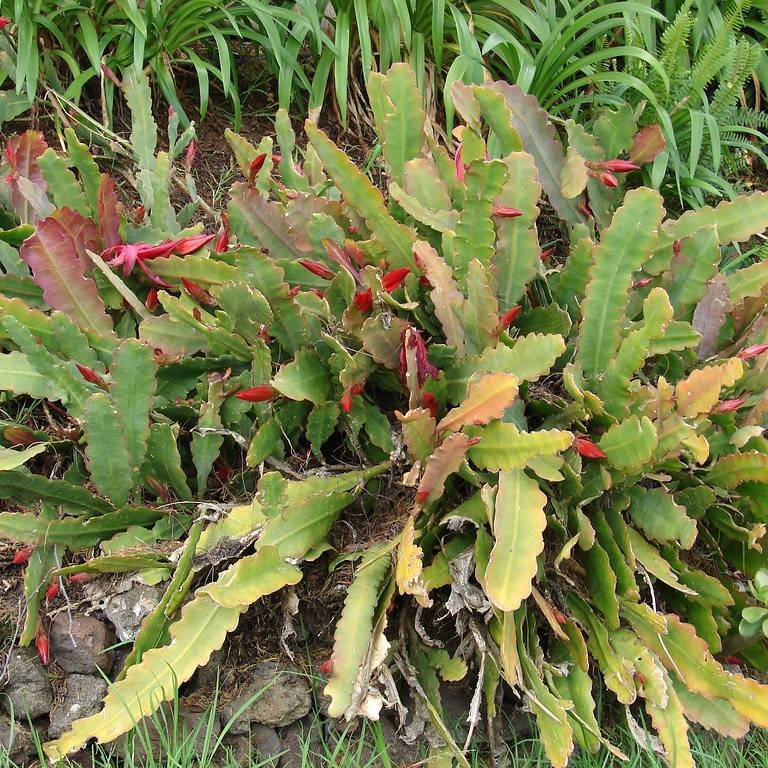
Christmas cactus is a hybrid epiphytic cactus, descended from wild Schlumbergera species native to Brazil’s cool, humid cloud forests. Unlike desert cacti, it has flattened, fleshy green stem segments with gently rounded edges, no sharp spines, and a trailing growth habit ideal for hanging baskets. It blooms prolifically in late fall to winter, producing tubular flowers in shades of pink, red, white, purple, or orange that last for several weeks. With proper care, it can live for decades, often passed down as a family heirloom.
Care Guide
Watering
Water Christmas cactus when the top 1 inch of soil feels dry to the touch, avoiding overwatering that can cause root rot. Reduce watering frequency slightly in the 4-6 weeks before bloom initiation to encourage flower bud formation, and never let the plant sit in standing water in its saucer.
Light
Thrives in bright, indirect light, such as that from an east-facing window; direct midday or afternoon sun can scorch its delicate stem segments. To trigger blooming, provide 12-14 hours of complete darkness per day for 6-8 weeks in late fall, along with cool temperatures, to stimulate flower bud development.
Soil
Requires well-draining, slightly acidic soil with high organic matter content; a mix formulated for cacti and succulents amended with peat moss or orchid bark works well. As an epiphyte, it needs soil that allows ample air flow to its shallow root system, so avoid heavy, compacted garden soils that retain too much moisture.
Fertilizer
Feed monthly with a balanced, water-soluble houseplant fertilizer diluted to half strength during the active growing season from spring to early fall. Stop fertilizing entirely once flower buds begin to form, usually in late fall, and resume feeding after blooming has finished to support new stem growth.
Temperature
Prefers average indoor temperatures between 65-75°F (18-24°C) during active growth, and cooler temperatures of 50-60°F (10-15°C) during the bud initiation period in fall. Avoid placing it near drafty windows, heating vents, or fireplaces, as sudden temperature fluctuations can cause flower buds to drop prematurely.
Pruning
Prune lightly after blooming finishes to encourage bushier, more compact growth, pinching or cutting off 1-2 end segments from each stem to stimulate new branching. Remove any yellowed, damaged, or mushy segments at any time to maintain plant health and prevent the spread of rot.
Propagation
Easily propagate from stem cuttings taken in spring or early summer, snipping a 2-3 segment long piece and letting the cut end callous over for 1-2 days before planting in moist, well-draining soil. Keep the soil lightly moist and the cutting in bright, indirect light until roots form, usually within 3-4 weeks, then care for it as you would a mature plant.
Humidity
Thrives in moderate to high humidity levels between 50-70%, which mimics its native cloud forest habitat. If indoor air is dry, especially during winter heating months, increase humidity by placing the plant on a pebble tray filled with water, grouping it with other plants, or using a small room humidifier.
Repotting
Repot only every 3-4 years in spring, as Christmas cactus blooms best when slightly root-bound, and overpotting can lead to excess moisture retention and root rot. Choose a pot only 1-2 inches larger than the current one, with ample drainage holes, and use fresh, well-draining cactus soil when repotting.
Uses & Symbolism
Most commonly grown as a decorative holiday houseplant, prized for its vibrant winter blooms that add color to indoor spaces during the holiday season. Its trailing growth habit makes it well-suited for hanging baskets, elevated planters, and windowsill displays, and it is a popular low-maintenance gift plant for holiday occasions. In mild, frost-free climates, it can also be grown outdoors as a shaded patio or container plant.
Diseases & Pests
Overwatering is the most common issue, leading to root rot, stem rot, and yellowing, mushy segments; ensure proper drainage and allow the top layer of soil to dry between waterings to prevent this. Common pests include mealybugs, aphids, and spider mites, which can be controlled with regular wiping of stems, neem oil applications, or insecticidal soap sprays. Sudden temperature changes, drafts, underwatering, or moving the plant while buds are forming can cause premature bud drop, so keep it in a stable location during the fall bloom initiation period.
Related plants
Other plants you might like if you grow Christmas Cactus.
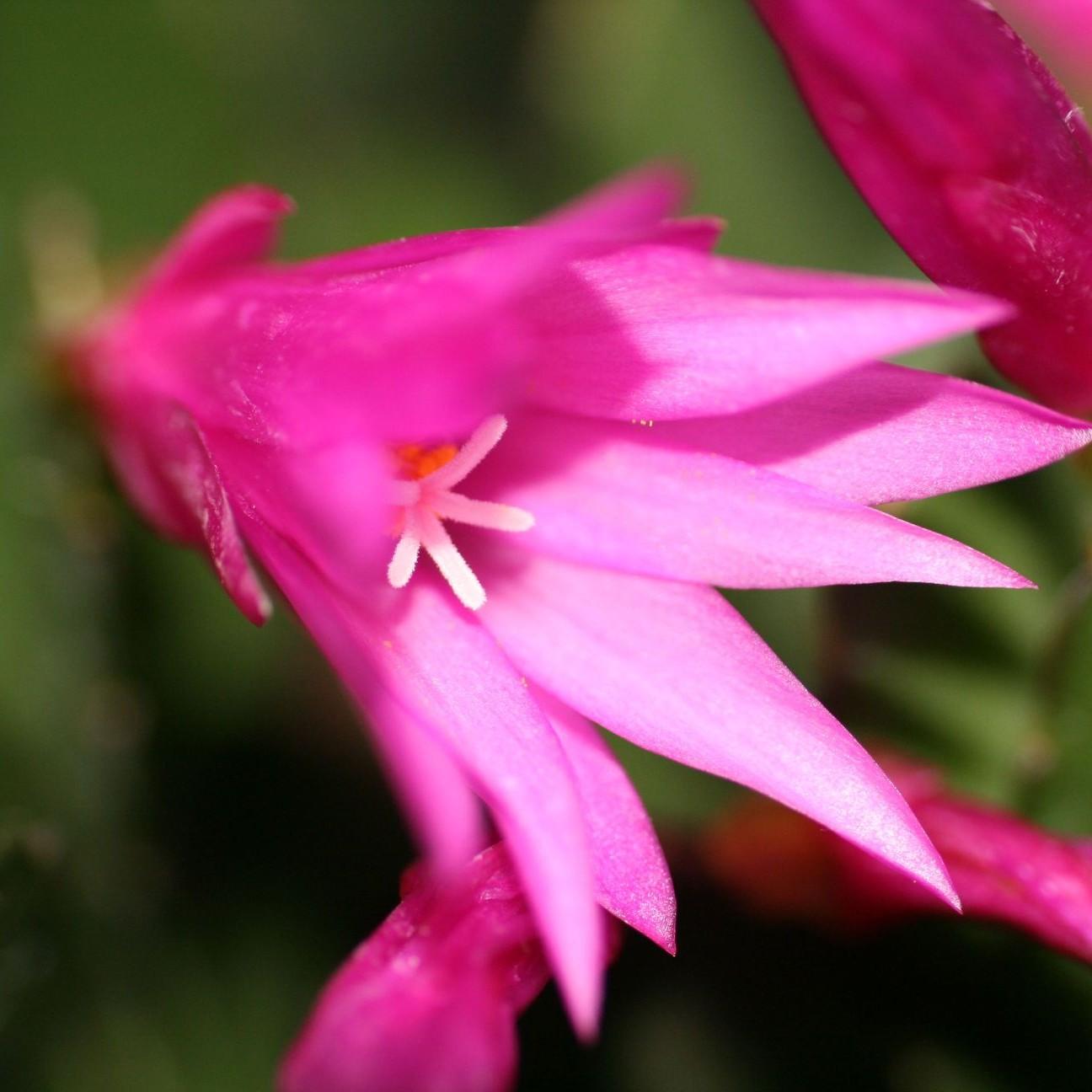
Easter Cactus
Schlumbergera gaertneri (syn. Hatiora gaertneri)
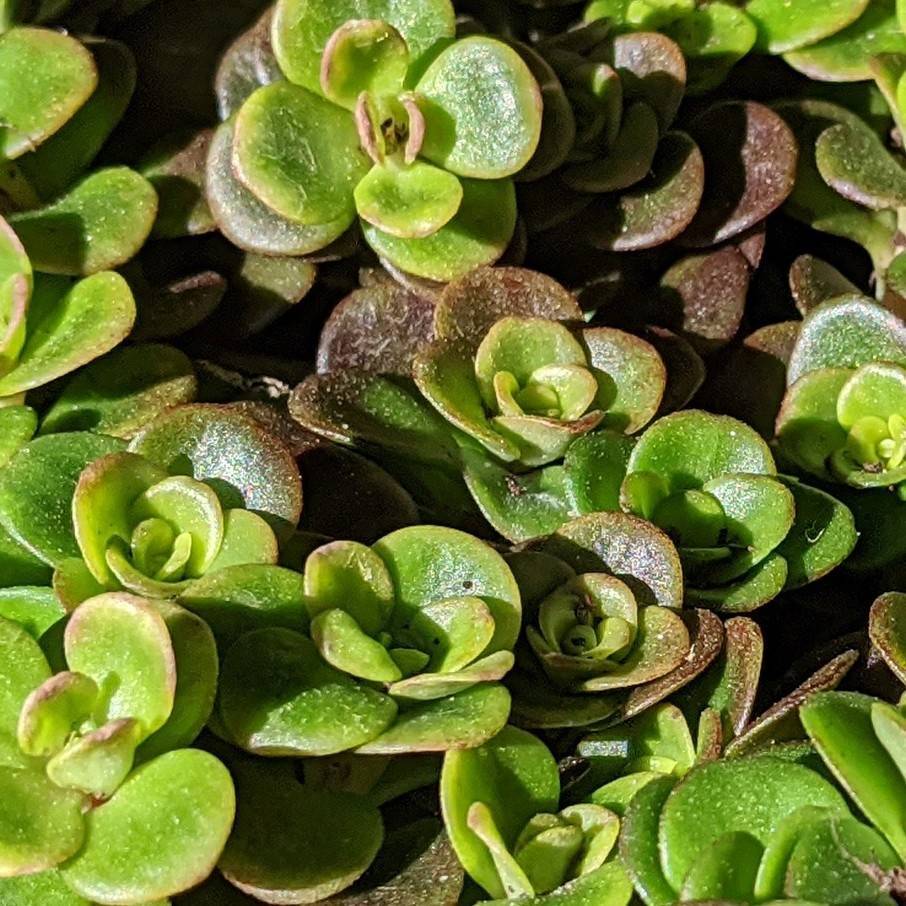
Chinese Sedum
Sedum tetractinum
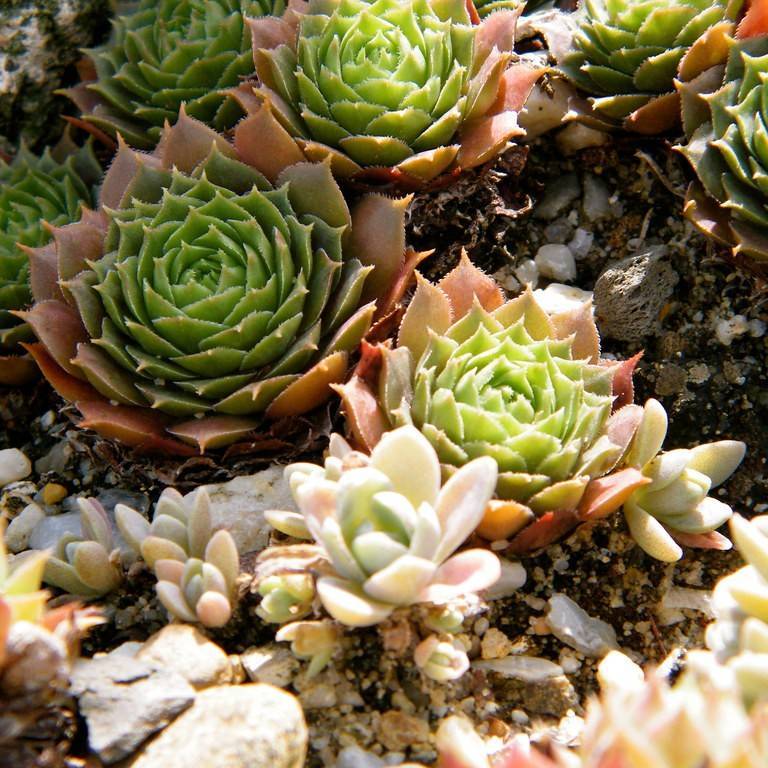
Hens And Chicks
Sempervivum tectorum
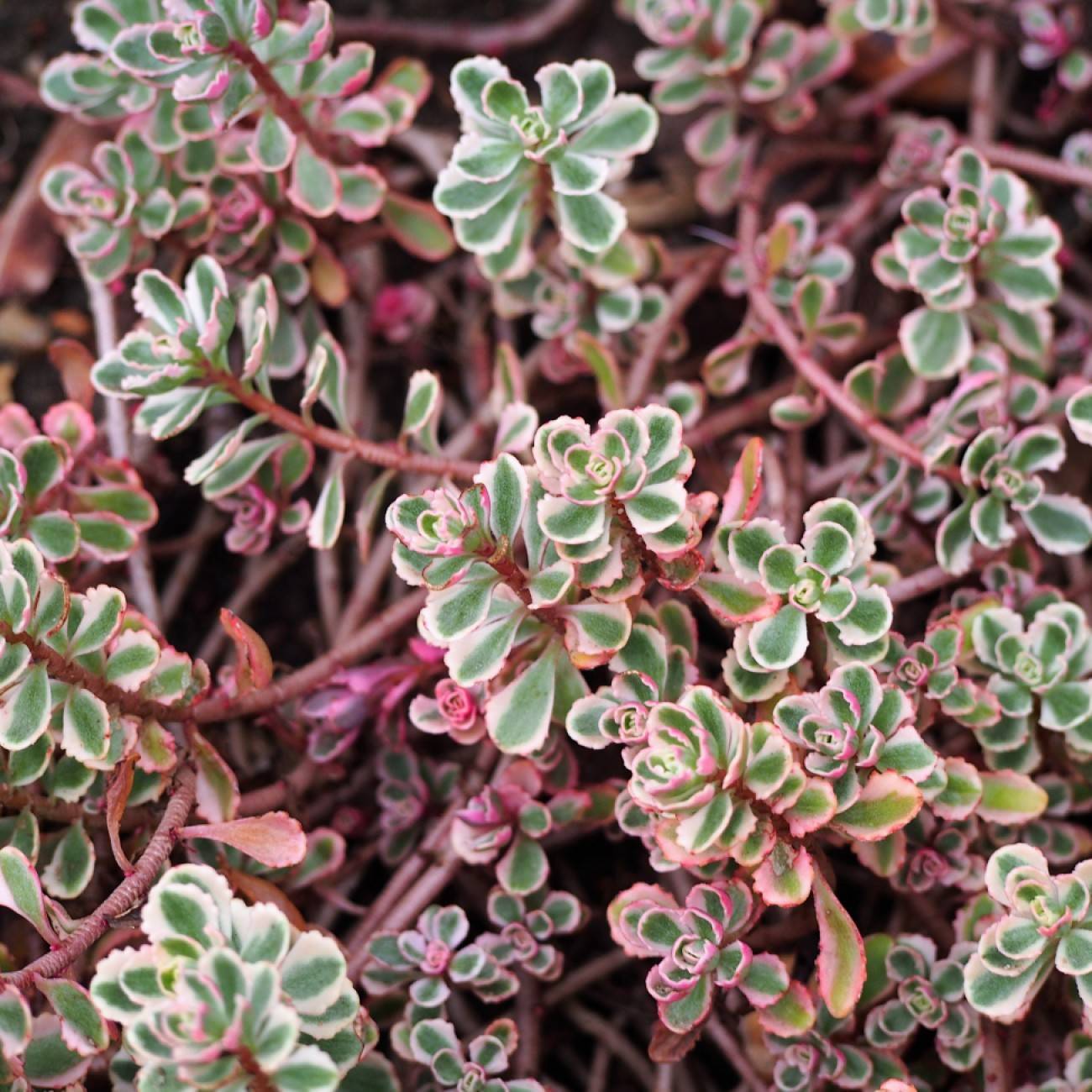
Caucasian Stonecrop
Phedimus spurius, formerly Sedum spurium
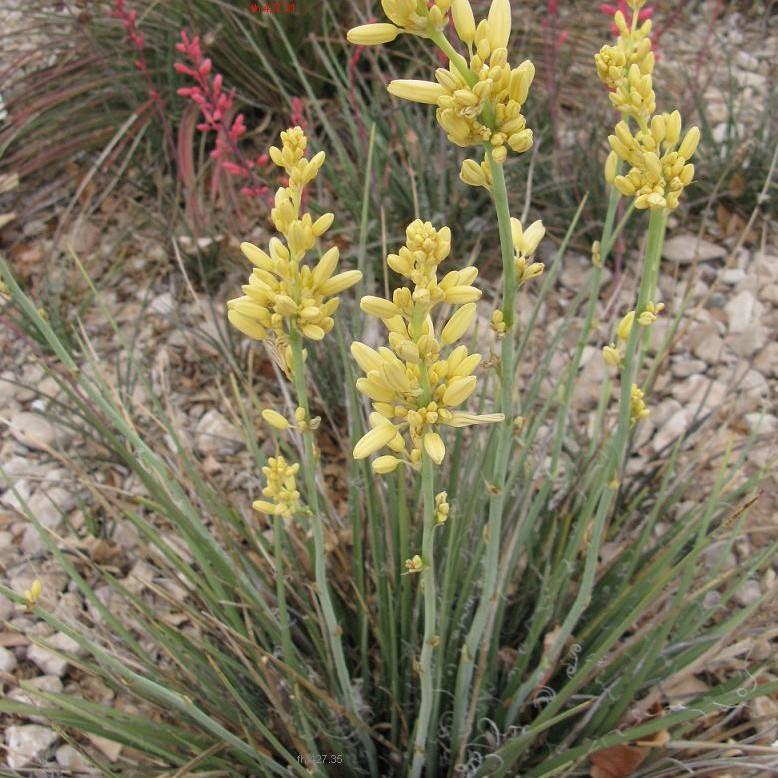
False Yucca
Hesperaloe parviflora
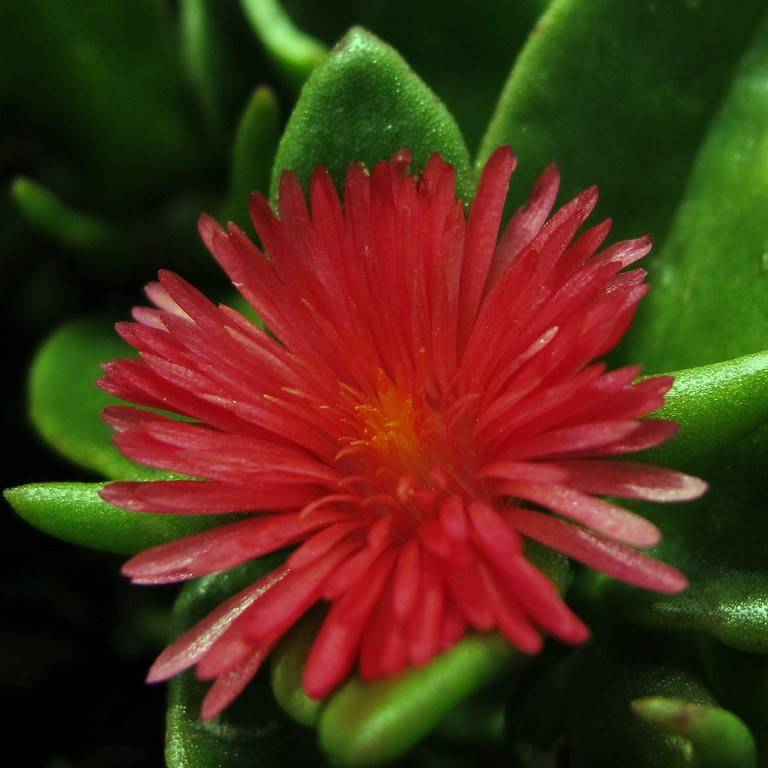
Heartleaf Iceplant
Mesembryanthemum cordifolium (syn. Aptenia cordifolia)
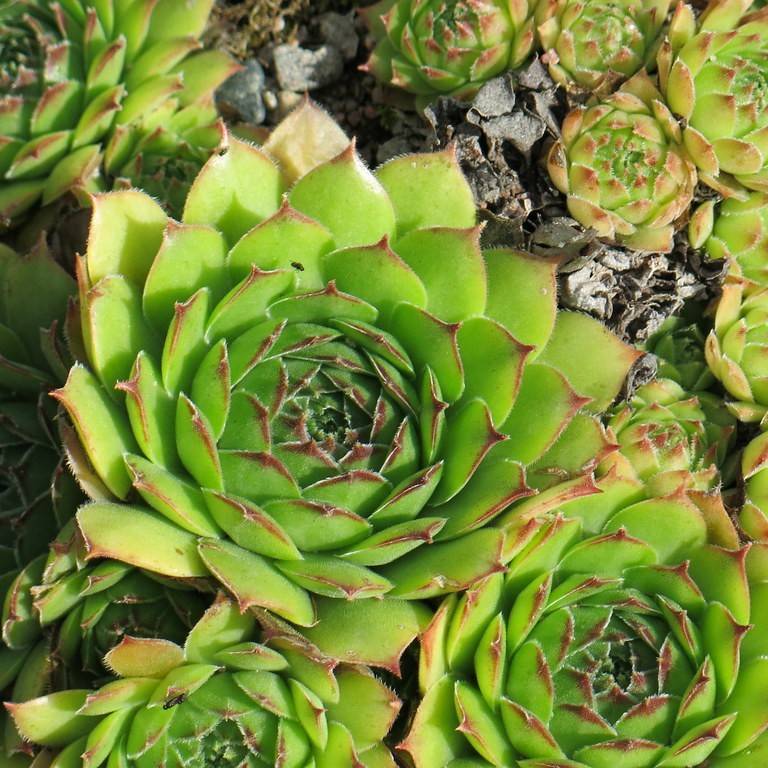
House Leek
Sempervivum tectorum
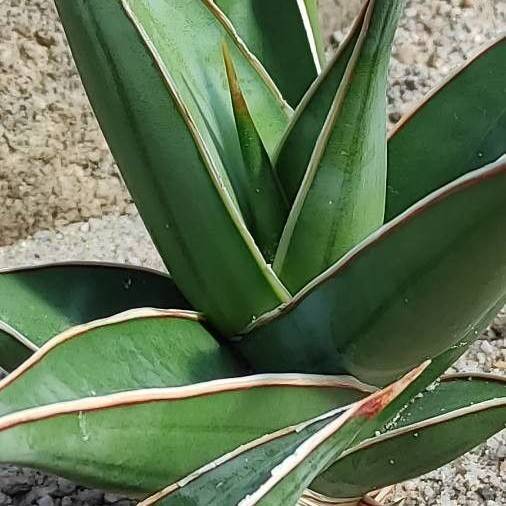
Blue Sansevieria
Sansevieria masoniana 'Blue' (syn. Dracaena masoniana 'Blue')