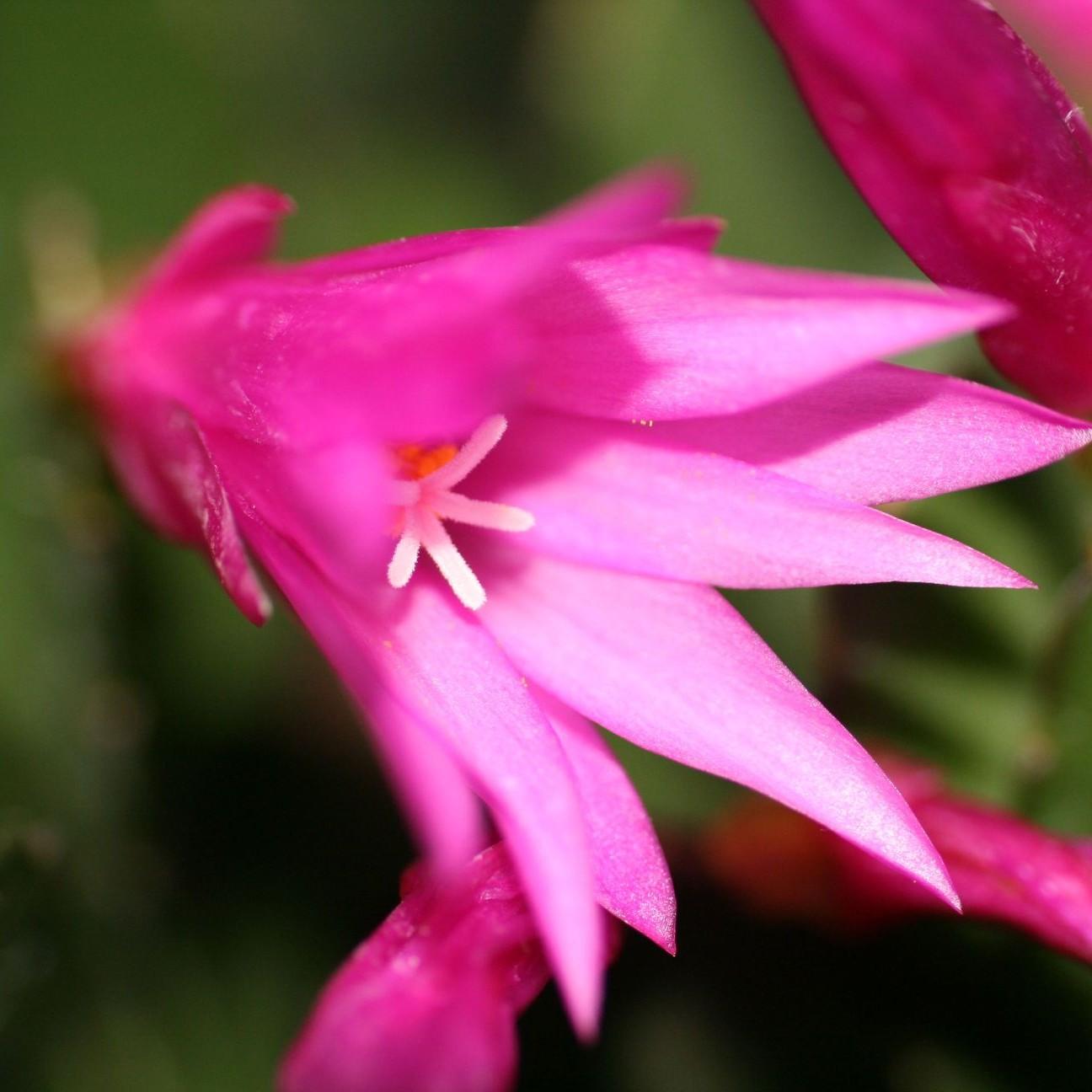
Easter Cactus
Schlumbergera gaertneri (syn. Hatiora gaertneri)
Overview
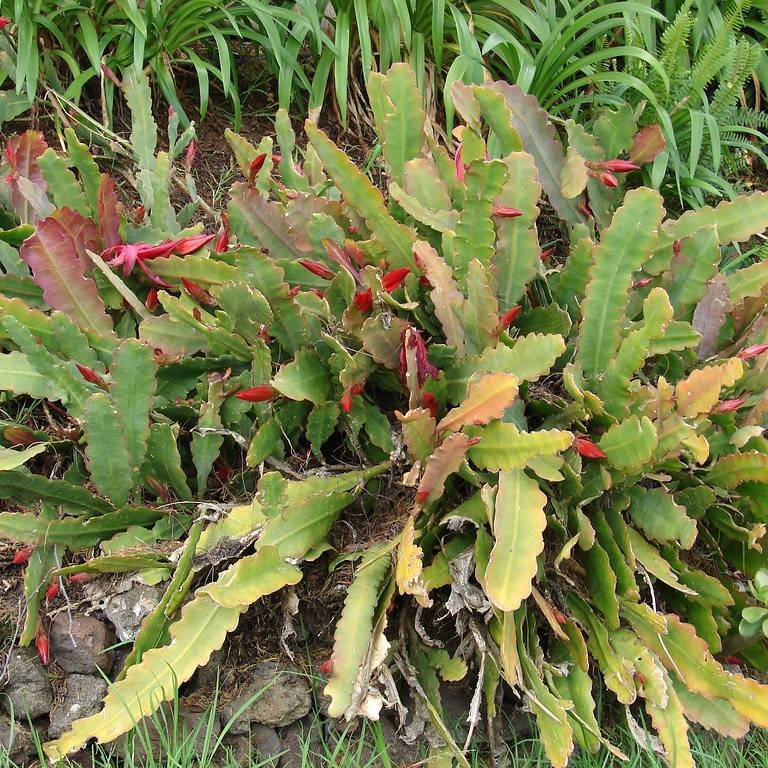
Unlike desert cacti, the Easter cactus is an epiphyte that naturally grows on tree branches in dappled, humid forest environments. Its flat, segmented, fleshy stems have softly rounded edges, distinguishing it from the closely related Christmas and Thanksgiving cacti. It typically blooms around March to April in the Northern Hemisphere, with flowers emerging from the tips of mature stem segments.
Care Guide
Watering
Water thoroughly when the top 1 inch of soil feels dry to the touch, avoiding overwatering that can lead to root rot. Reduce watering frequency slightly for 6-8 weeks in late winter before expected bloom to encourage bud formation, and avoid letting the plant sit in standing water in its saucer.
Light
Thrives in bright, indirect light; direct midday sun can scorch its delicate stem segments, while too little light will prevent blooming. East-facing windows are ideal, as they provide gentle morning sun and filtered afternoon light, or place it a few feet back from a south or west window with a sheer curtain for diffused light.
Soil
Requires a well-draining, porous, slightly acidic potting mix designed for epiphytic cacti or orchids, with ingredients like peat moss, perlite, pine bark, and coarse sand to support air flow around roots. Avoid heavy, moisture-retentive garden soil, which can suffocate the plant’s shallow, fine root system.
Fertilizer
Feed with a diluted, balanced liquid houseplant fertilizer (10-10-10 NPK) once a month during active growth from spring to early fall, after flowering has finished. Do not fertilize during the late winter resting period or while the plant is in bloom, as this can cause bud drop and damage new growth.
Temperature
Prefers average room temperatures between 60-75°F (15-24°C) during active growth and bloom periods. To trigger flowering, expose the plant to 6-8 weeks of cool nighttime temperatures between 45-55°F (7-13°C) and 12-14 hours of complete darkness each day in late winter.
Pruning
Prune spent flower stems immediately after blooming to encourage bushier growth and more blooms the following year, twisting or cutting off 1-2 segments from the end of each stem to promote branching. Remove any yellowed, shriveled, or damaged segments at any time to keep the plant healthy and improve air circulation.
Propagation
Easily propagated from stem cuttings taken in spring or early summer after flowering; twist off a healthy 2-3 segment stem, let the cut end callus over for 1-2 days, then plant in moist, well-draining cactus mix. Keep the soil lightly moist and in bright indirect light, and roots will typically form within 3-4 weeks, after which you can care for it like a mature plant.
Humidity
Prefers moderate to high humidity levels between 50-70%, replicating its native tropical forest habitat, which is higher than typical desert cacti require. Boost humidity by placing the pot on a pebble tray filled with water, grouping it with other plants, or using a small room humidifier, especially during dry winter heating months.
Repotting
Repot every 2-3 years in spring after flowering has finished, only when the plant has become completely root-bound, as it blooms best when slightly root-bound. Use a pot only 1-2 inches larger than the previous one with drainage holes, and avoid compacting the soil too tightly when repotting to preserve root aeration.
Uses & Symbolism
Primarily grown as a decorative houseplant for its showy, long-lasting spring blooms that add vibrant color to indoor spaces when many other houseplants are not flowering. It is a popular gift plant around the Easter holiday, and its compact, trailing growth habit makes it well-suited for hanging baskets or tabletop displays.
Diseases & Pests
Overwatering is the most common issue, leading to root rot, stem mushiness, and fungal infections, which can be prevented by proper drainage and allowing the soil to dry between waterings. Common pests include mealybugs, spider mites, and scale, which can be treated with neem oil, insecticidal soap, or rubbing alcohol applied directly to affected areas. Sudden temperature fluctuations, drafts, or moving the plant while it has buds can cause premature bud drop.
Related plants
Other plants you might like if you grow Easter Cactus.