Chocolate Mint
Mentha × piperita f. citrata 'Chocolate'
Overview
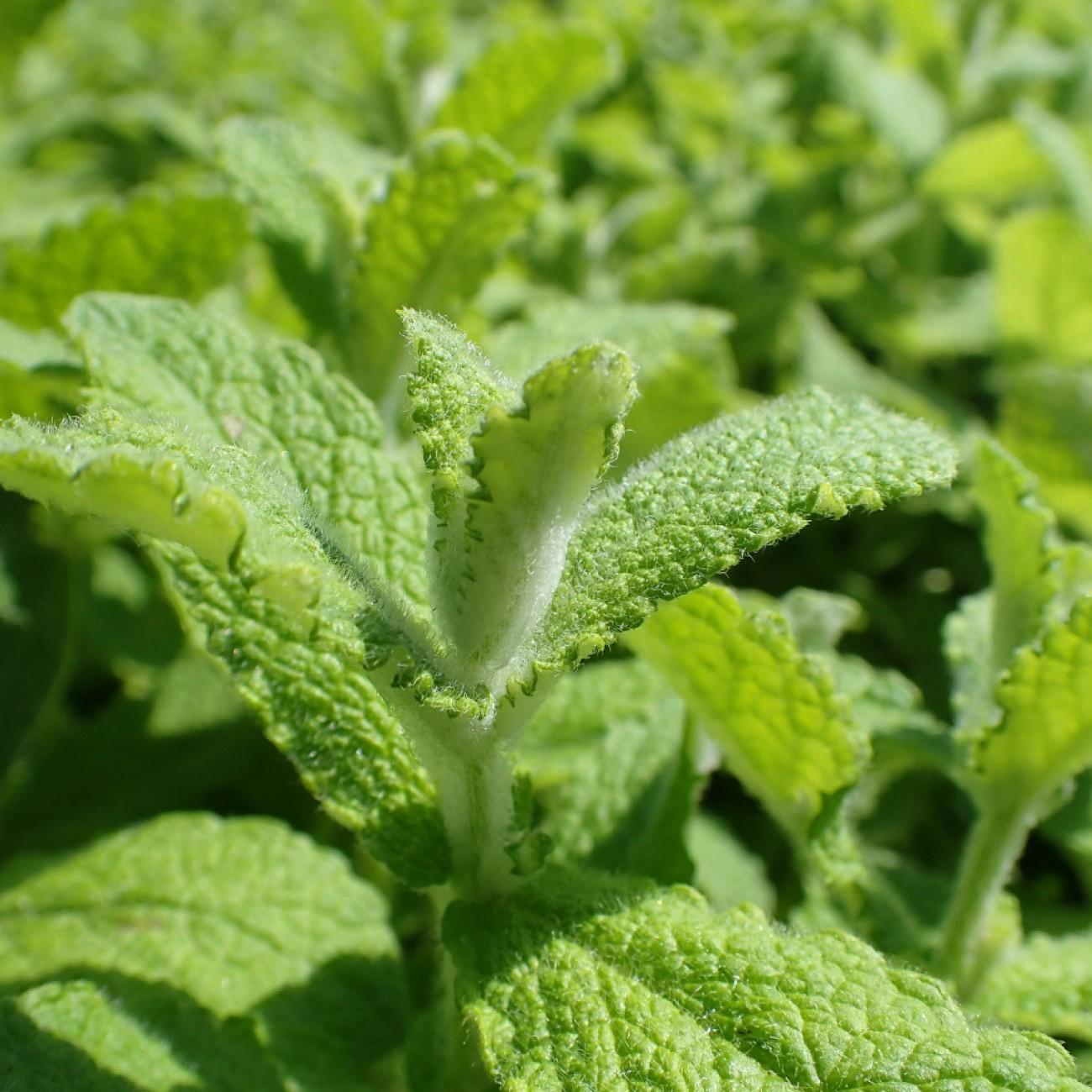
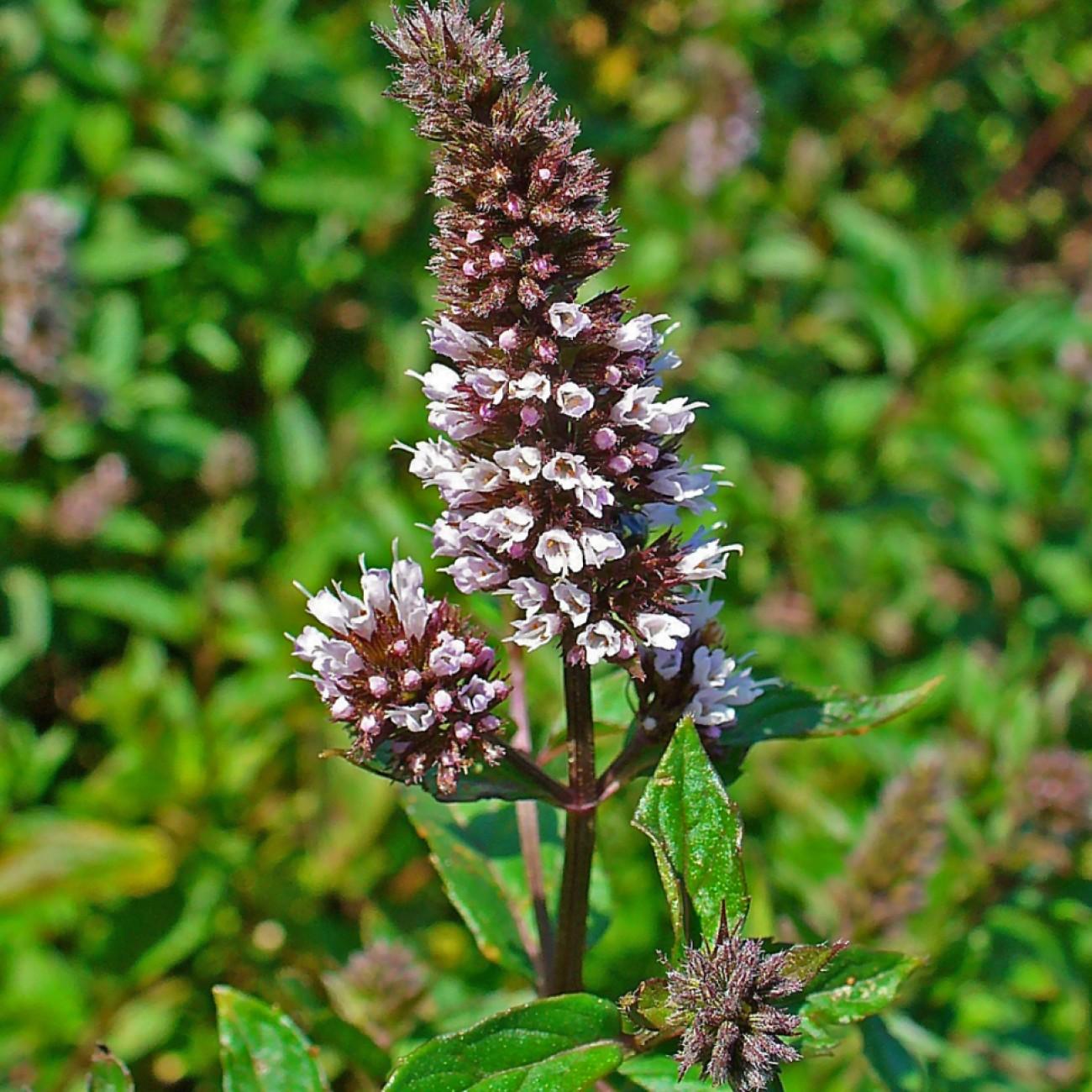
Chocolate mint is a sterile hybrid peppermint cultivar distinguished by its deep green, purple-tinged leaves and distinct aroma that combines cool mint with faint chocolate notes. It spreads aggressively via underground rhizomes, making it a vigorous ground cover in outdoor gardens or a fast-growing potted herb. Unlike many mint varieties, its flavor profile pairs exceptionally well with sweet and savory dishes alike, setting it apart as a popular choice for home gardeners and chefs.
Care Guide
Watering
Keep soil consistently moist but not waterlogged, watering when the top 1 inch of soil feels dry to the touch. Reduce watering frequency slightly in winter when growth slows, but never allow the root ball to dry out completely. Avoid overhead watering to minimize the risk of foliar fungal diseases.
Light
Thrives in full sun to partial shade, with 4-6 hours of direct sunlight daily for optimal flavor and growth. In extremely hot climates, provide afternoon shade to prevent leaf scorch and reduce moisture loss. When grown indoors, place in a bright south-facing window or under grow lights for at least 6 hours of light per day.
Soil
Prefers rich, well-draining loamy soil with a slightly acidic to neutral pH between 6.0 and 7.0. For potted plants, use a high-quality all-purpose potting mix amended with compost to boost nutrient content. If planting directly in the ground, amend heavy clay soil with sand and organic matter to improve drainage and prevent root rot.
Fertilizer
Feed lightly once a month during the active growing season (spring through summer) with a balanced, water-soluble fertilizer diluted to half strength. Avoid over-fertilizing, as this can lead to excessive foliage growth with reduced flavor and aroma intensity. Skip fertilization entirely in fall and winter when the plant enters dormancy.
Temperature
Grows best in temperatures between 60-75°F (15-24°C), and can tolerate light frosts down to 20°F (-7°C) when planted outdoors, dying back to the ground and regrowing in spring. Indoor plants should be kept away from cold drafts and heating vents to prevent leaf damage. In regions with harsh winters, potted outdoor plants should be brought indoors or mulched heavily to protect roots.
Pruning
Harvest or trim stems regularly throughout the growing season to encourage bushier, more compact growth and prevent legginess. Cut back stems to 2-3 inches above the soil line in late fall after growth slows to prepare the plant for dormancy. Remove any flower spikes as they appear, as flowering can reduce the intensity of the plant's flavor and aroma.
Propagation
Easily propagated from stem cuttings: snip a 4-6 inch healthy stem just below a leaf node, remove lower leaves, and place in water or moist potting mix until roots form in 1-2 weeks. Since it is a sterile cultivar, it does not produce viable seeds, so division of mature root clumps in spring or fall is another reliable propagation method. Ensure each divided section has a portion of the rhizome and several healthy shoots for best results.
Humidity
Tolerates average household humidity levels between 30-50%, but benefits from occasional misting if grown in very dry indoor environments. Outdoor plants naturally adapt to ambient humidity levels in their growing range, requiring no extra humidity intervention. Avoid placing indoor plants near dry heating sources in winter to prevent leaf tip browning.
Repotting
Potted chocolate mint should be repotted annually in spring to refresh soil and prevent root binding, as its aggressive rhizomes quickly fill containers. Choose a pot that is 1-2 inches larger than the current root ball, with drainage holes to prevent excess moisture retention. If you want to limit spread, keep the plant in a container rather than planting it directly in garden beds, as it can become invasive.
Uses & Symbolism
Fresh or dried chocolate mint leaves are widely used in culinary applications, including desserts, cocktails, teas, salads, and savory sauces, where their subtle chocolate-mint flavor adds a unique twist. Its fragrant foliage is also used in potpourris, sachets, and natural insect repellents to deter ants, mosquitoes, and other common pests. As an ornamental plant, it works well in hanging baskets, container gardens, or herb borders, with its purple-tinged foliage adding visual interest to planting arrangements.
Diseases & Pests
Common pests include aphids, spider mites, and whiteflies, which can be controlled with regular rinsing of foliage, neem oil sprays, or insecticidal soap. Fungal diseases such as powdery mildew and rust can occur in humid, poorly ventilated conditions, so ensure proper spacing between plants and avoid overhead watering to reduce risk. Root rot is a common issue in waterlogged soil, so always use well-draining soil and containers with drainage holes to prevent excess moisture around roots.
Related plants
Other plants you might like if you grow Chocolate Mint.