Apple Mint
Mentha suaveolens
Overview
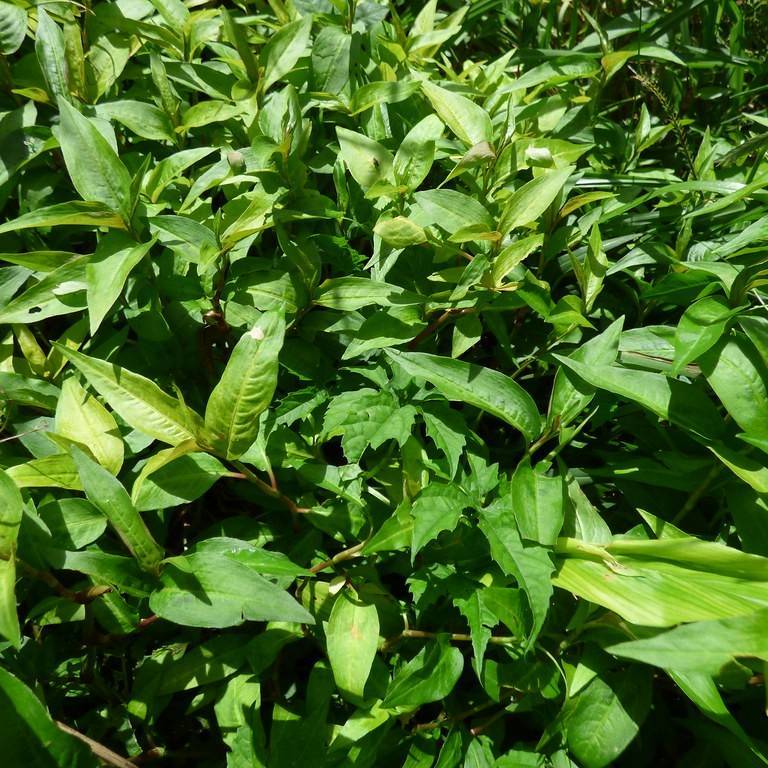
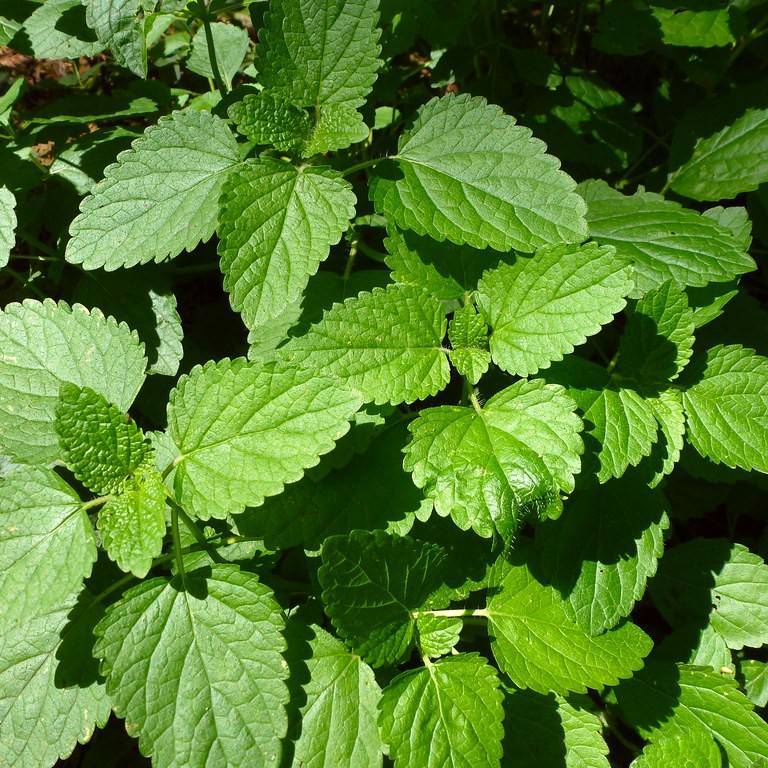
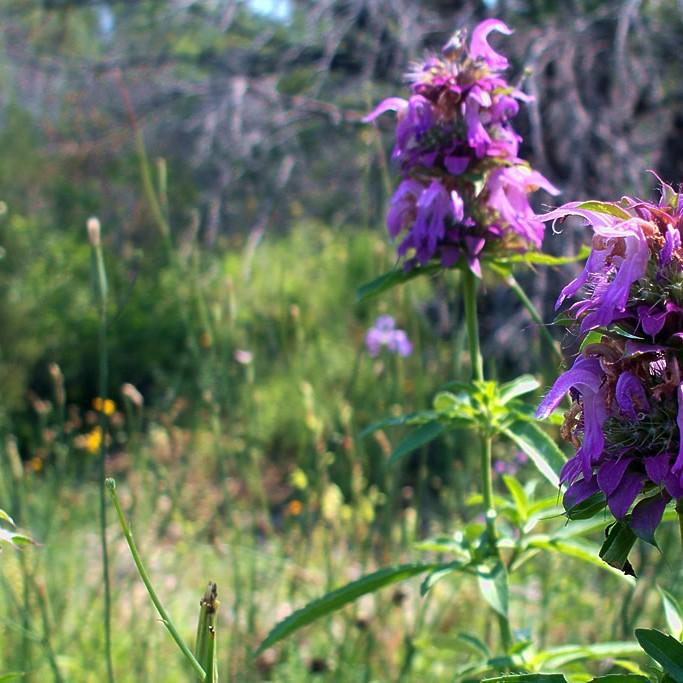
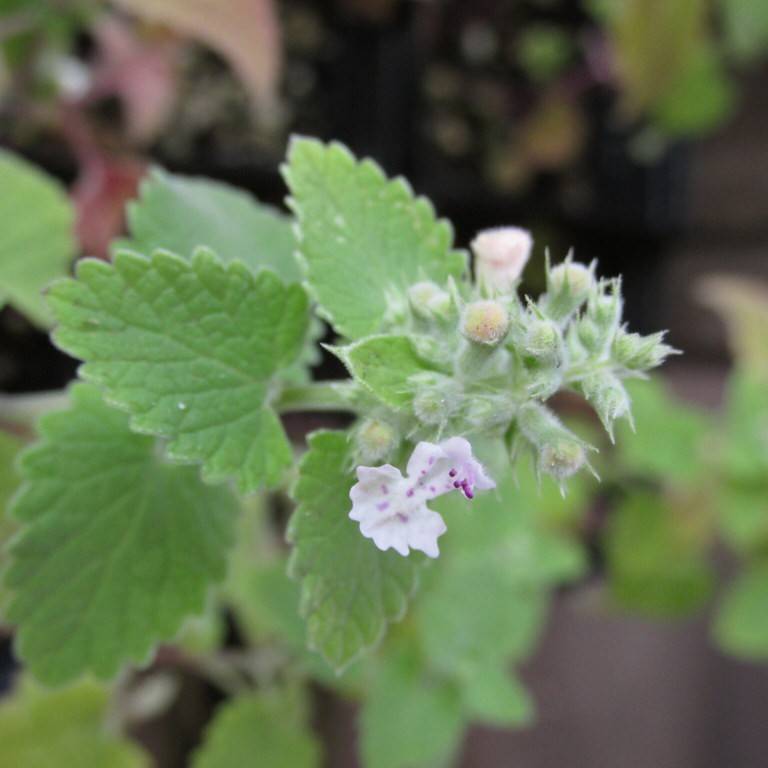
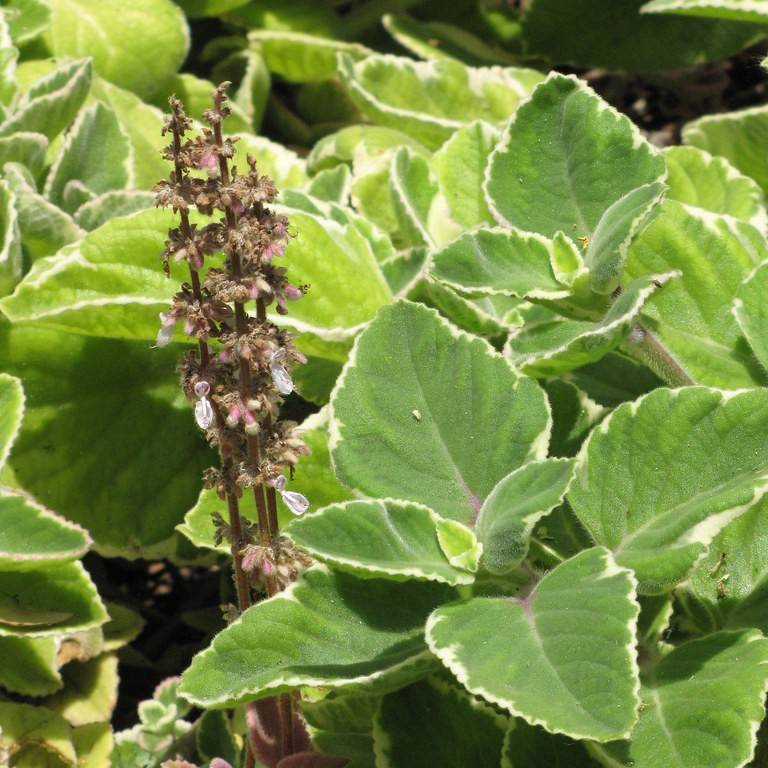
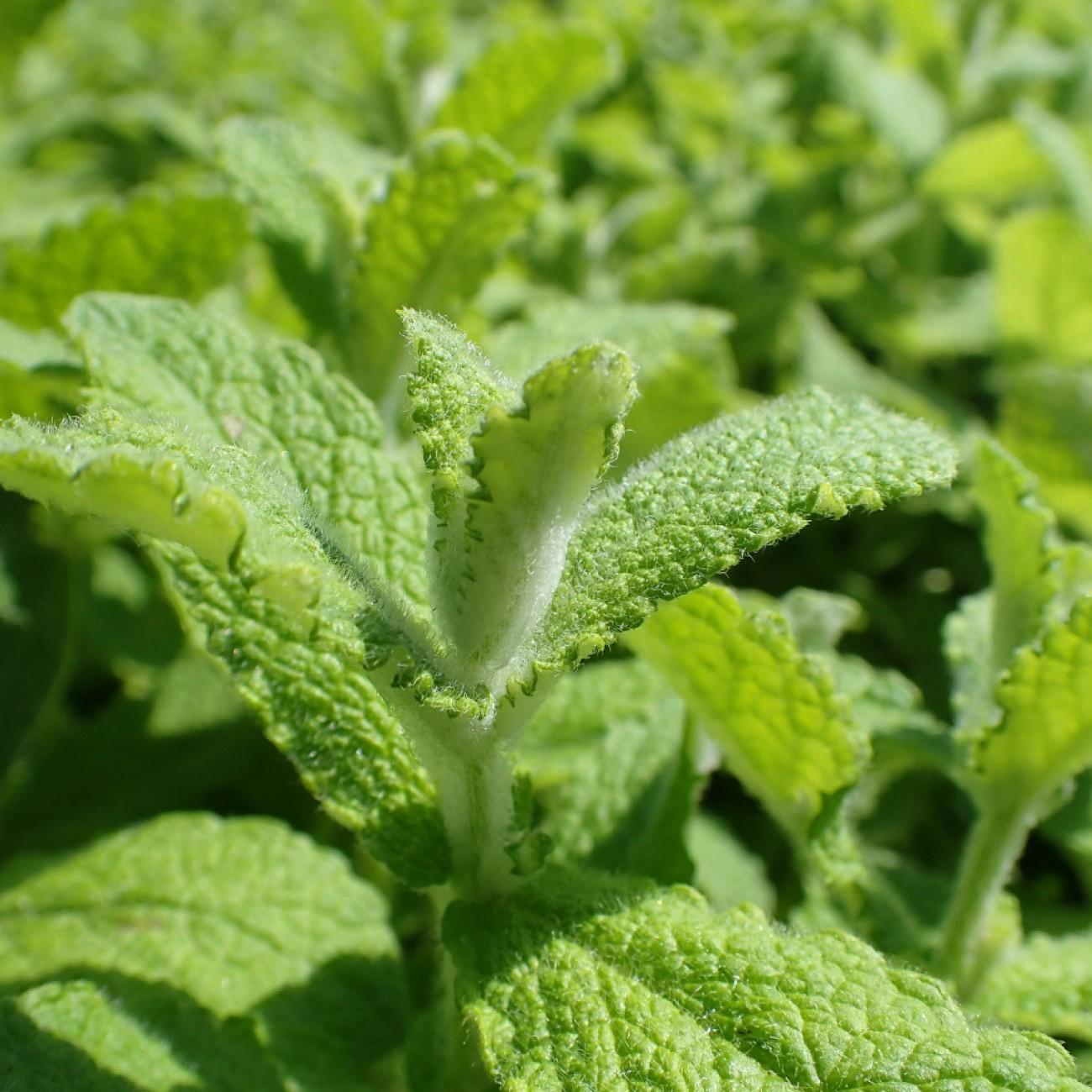
Apple mint is a fast-spreading herbaceous perennial distinguished by its soft, fuzzy, rounded leaves that release a sweet, fruity apple aroma when crushed. Unlike many sharper mints, it has a mild, fruity flavor that makes it a popular choice for culinary applications and herbal preparations. It produces small, pale purple or white flower spikes in mid to late summer that attract pollinators such as bees and butterflies.
Care Guide
Watering
Water apple mint regularly to keep the soil consistently moist but not waterlogged, as overly saturated conditions can lead to root rot. Reduce watering frequency in winter when growth slows, allowing the top 1 inch of soil to dry out between waterings. Container-grown plants may need more frequent watering, especially during hot, dry weather.
Light
Apple mint thrives in full sun to partial shade, with partial shade preferred in regions with intense midday summer heat to prevent leaf scorch. Indoor plants should be placed in a bright window with at least 4-6 hours of indirect or direct sunlight per day to maintain healthy growth and fragrance. Too little light will lead to leggy, sparse growth and reduced essential oil production.
Soil
Grow apple mint in rich, well-draining soil with a slightly acidic to neutral pH between 6.0 and 7.0. It adapts well to most garden soil types but benefits from the addition of organic matter such as compost to improve moisture retention and nutrient content. For container growing, use a high-quality all-purpose potting mix with added perlite or vermiculite to enhance drainage.
Fertilizer
Apple mint is a light feeder that only requires occasional fertilization, with a balanced, all-purpose liquid fertilizer applied once every 4-6 weeks during the active growing season from spring to early fall. Avoid over-fertilizing, as this can lead to excessive leaf growth with reduced flavor and aroma. Do not fertilize in winter when the plant is dormant.
Temperature
Apple mint grows best in moderate temperatures between 60-75°F (15-24°C) and is hardy in USDA zones 5-9. It can tolerate light frosts, with top growth dying back in winter and resprouting from the root system in spring in colder regions. Indoor plants should be kept away from cold drafts and heating vents to prevent leaf damage.
Pruning
Prune apple mint regularly throughout the growing season by pinching back stem tips to encourage bushier, more compact growth and prevent legginess. Cut back flower stalks as they appear if you are growing the plant primarily for its leaves, as flowering can reduce leaf production and flavor. In late fall, cut the entire plant back to 2-3 inches above the soil line to prepare it for winter dormancy.
Propagation
Apple mint is most easily propagated by root division, which can be done in spring or fall by digging up a clump, separating the root runners, and replanting them in new locations. It can also be propagated from stem cuttings taken in spring or summer, rooted in water or moist potting mix in 1-2 weeks. As it spreads aggressively via underground runners, it is often grown in containers to prevent it from overtaking garden beds.
Humidity
Apple mint tolerates average household humidity levels between 40-60% but benefits from occasional misting in very dry indoor environments. High humidity levels combined with poor air circulation can increase the risk of fungal diseases, so ensure the plant has adequate space around it for airflow. Outdoor plants generally do not require additional humidity adjustments, as they adapt well to natural climate conditions.
Repotting
Container-grown apple mint should be repotted every 1-2 years in spring, as its vigorous root system will quickly fill a pot and become root-bound. Choose a pot one size larger than the current one with drainage holes, and refresh the potting mix to replenish nutrients. If you wish to keep the plant compact, you can divide the root ball during repotting to reduce its size instead of moving it to a larger container.
Uses & Symbolism
Apple mint is widely used in culinary applications, adding a mild, fruity flavor to teas, cocktails, salads, sauces, jellies, and desserts. It is also used in herbal medicine for its mild digestive and calming properties, and its fragrant leaves are often added to potpourri, sachets, and natural skincare products. As an ornamental plant, it is used in herb gardens, pollinator gardens, and hanging baskets, where its spreading growth habit and attractive flowers provide visual interest.
Diseases & Pests
Apple mint is relatively pest-resistant, but it can be affected by common mint pests such as aphids, spider mites, and whiteflies, which can be controlled with insecticidal soap or neem oil. Fungal diseases such as powdery mildew and rust can occur in conditions of high humidity and poor air circulation, so ensure plants have adequate spacing and avoid overhead watering. Root rot can develop if the plant is grown in poorly draining soil or overwatered, so ensure proper drainage and avoid letting the plant sit in standing water.
Related plants
Other plants you might like if you grow Apple Mint.