Chinese Water Pine
Glyptostrobus pensilis
Overview
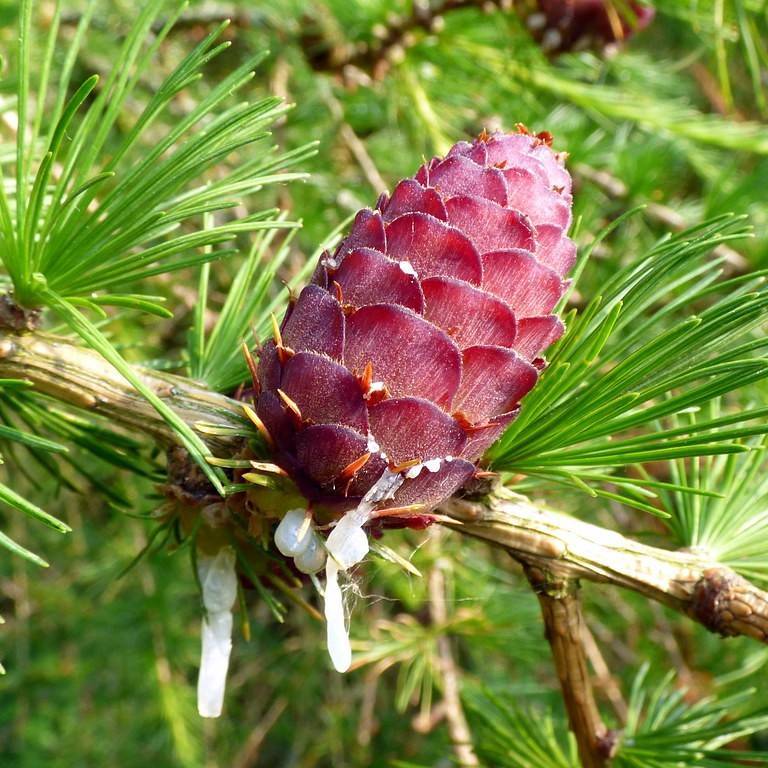
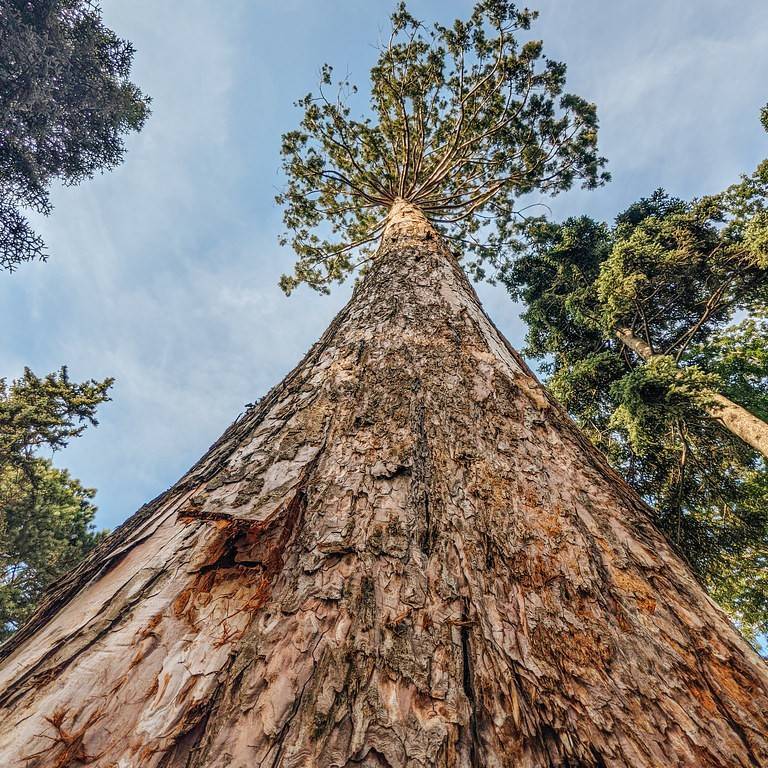
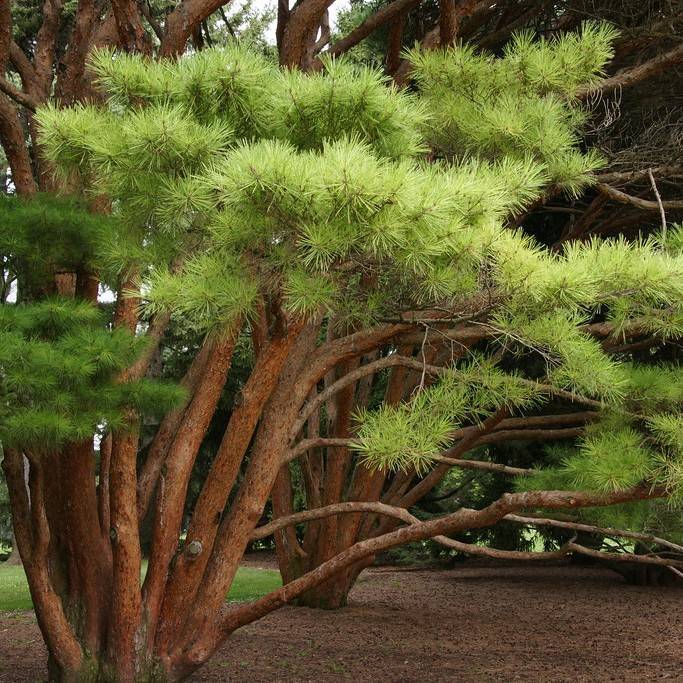
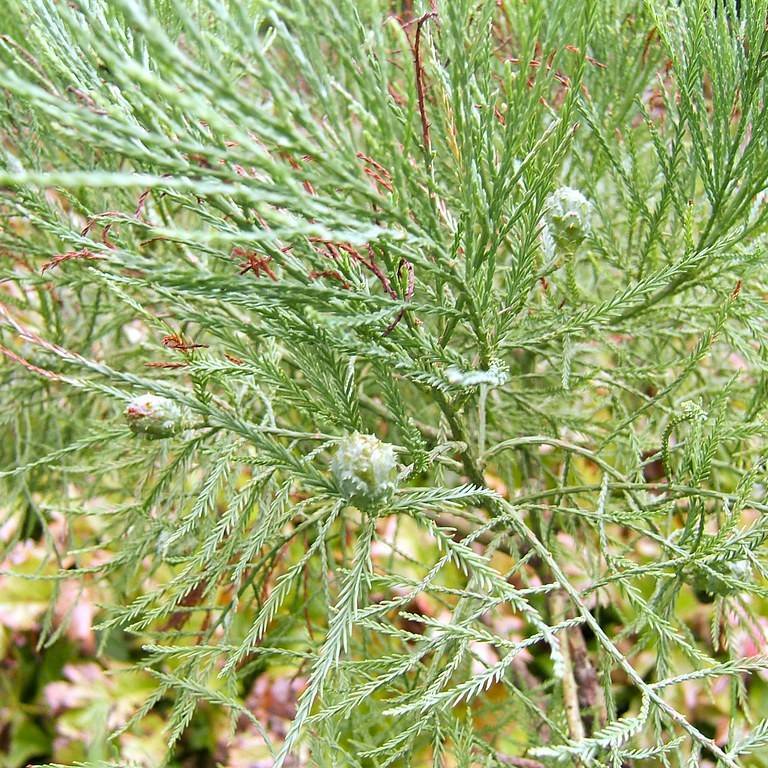
Chinese Water Pine is a rare, ancient conifer and the only living species in the Glyptostrobus genus, dating back over 100 million years. It thrives in saturated wetland habitats, producing woody, root-like pneumatophores that protrude above water to facilitate gas exchange in oxygen-poor soil. Its soft, light green needles turn a warm reddish-brown in autumn before shedding, making it one of the few deciduous conifers in the cypress family. Mature trees have a broad, pyramidal form and furrowed, reddish-brown bark that adds year-round structural interest.
Care Guide
Watering
Keep the soil consistently saturated or submerged for optimal growth, as this species is adapted to permanent wetland conditions. Never allow the root zone to dry out completely; even short periods of drought can cause severe stress and needle drop. For potted specimens, place the container in a tray of standing water that is refreshed regularly to prevent stagnation.
Light
Grows best in full, direct sunlight for at least 6 hours per day, which supports dense foliage growth and strong root development. It can tolerate partial shade, but prolonged low light will lead to sparse, leggy growth and reduced autumn coloration. Young saplings may benefit from light dappled shade during their first 1-2 years of establishment to prevent scorching in extreme heat.
Soil
Prefers acidic, loamy, highly moisture-retentive soil with a high organic matter content, mimicking its native wetland habitat. It tolerates heavy clay soils, periodic flooding, and even brackish water conditions better than most conifers. Avoid fast-draining, sandy or alkaline soils, which can cause nutrient deficiencies and poor root health.
Fertilizer
Apply a balanced, slow-release acidic fertilizer once annually in early spring, just before new needle growth emerges. Avoid over-fertilizing, as excess nutrients can burn the delicate root system and disrupt its adaptation to low-nutrient wetland soils. Potted specimens may benefit from a diluted liquid acidic fertilizer applied every 2-3 months during the growing season to replenish leached nutrients.
Temperature
Thrives in subtropical to warm temperate climates, with ideal growing temperatures between 60-85°F (15-29°C). It is cold hardy to USDA zone 7, tolerating short periods of temperatures as low as 0°F (-18°C) once established. Young saplings should be protected from hard freezes and frost during their first 3 years to prevent dieback of new growth.
Pruning
Prune only in late winter before new growth begins, removing dead, damaged, or crossing branches to maintain a healthy, open structure. Avoid heavy pruning, as Chinese Water Pine does not resprout vigorously from old, bare wood. You can trim stray lower branches to shape the tree’s form, but never remove more than 10% of the foliage in a single year.
Propagation
Most commonly propagated from fresh, stratified seed sown in saturated, acidic potting mix in early spring. Seeds require 30-60 days of cold stratification at 33-40°F (1-4°C) to break dormancy and germinate reliably. Semi-hardwood cuttings taken from young, healthy trees in late summer can also root successfully when treated with rooting hormone and kept in high-humidity, saturated conditions.
Humidity
Adaptable to a wide range of humidity levels, thriving in the 50-80% relative humidity common to its native subtropical wetland habitats. It tolerates average indoor humidity if kept consistently well-watered, but very dry air below 40% may cause browning of needle tips. Misting the foliage regularly during dry, hot periods can help prevent moisture stress and maintain vibrant needle color.
Repotting
Repot young potted specimens every 2-3 years in early spring before new growth emerges, using a heavy, acidic, moisture-retentive potting mix. Choose a heavy, non-porous pot to prevent tipping, as the tree develops a wide, shallow root system and may be top-heavy when mature. Mature specimens rarely need repotting; instead, refresh the top 2-3 inches of soil annually to replenish nutrients.
Uses & Symbolism
Chinese Water Pine is widely planted as an ornamental tree along pond edges, stream banks, and in rain gardens, where its flood tolerance and seasonal autumn color add landscape interest. Its rot-resistant, lightweight wood is traditionally used in southern China for construction, boat building, and water-resistant craft projects. It is also planted for erosion control in riparian zones, as its extensive root system stabilizes saturated soil and reduces bank erosion.
Diseases & Pests
Chinese Water Pine is relatively pest and disease resistant, but can develop root rot if grown in poorly oxygenated, stagnant water for extended periods. Aphids and spider mites may infest stressed specimens, particularly those grown in overly dry conditions, causing yellowing and dropping of needles. Fungal blight can occur in overly crowded, poorly ventilated plantings, leading to brown lesions on new growth; this can be managed by improving air circulation and removing affected branches.
Related plants
Other plants you might like if you grow Chinese Water Pine.