Chinese Tupelo
Nyssa sinensis
Overview
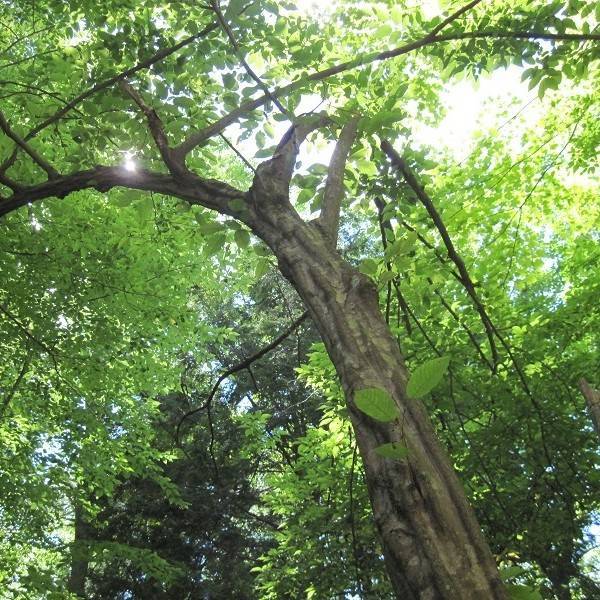
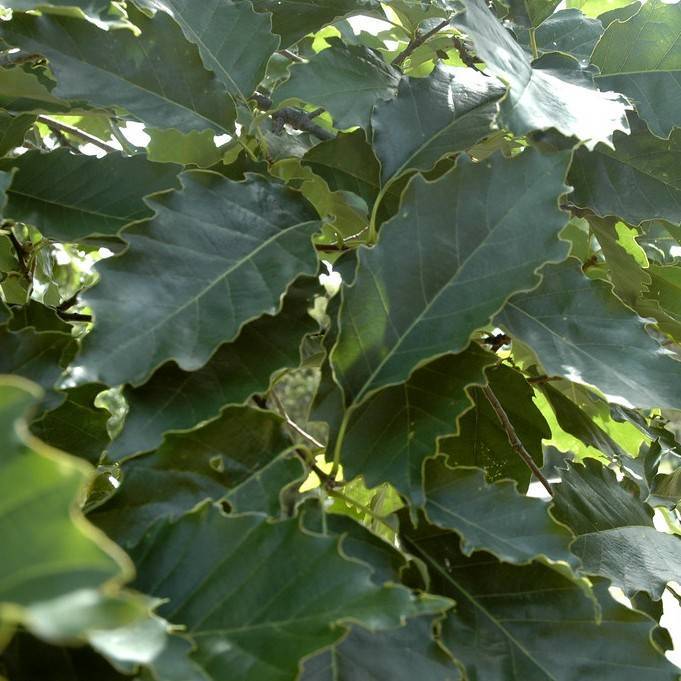
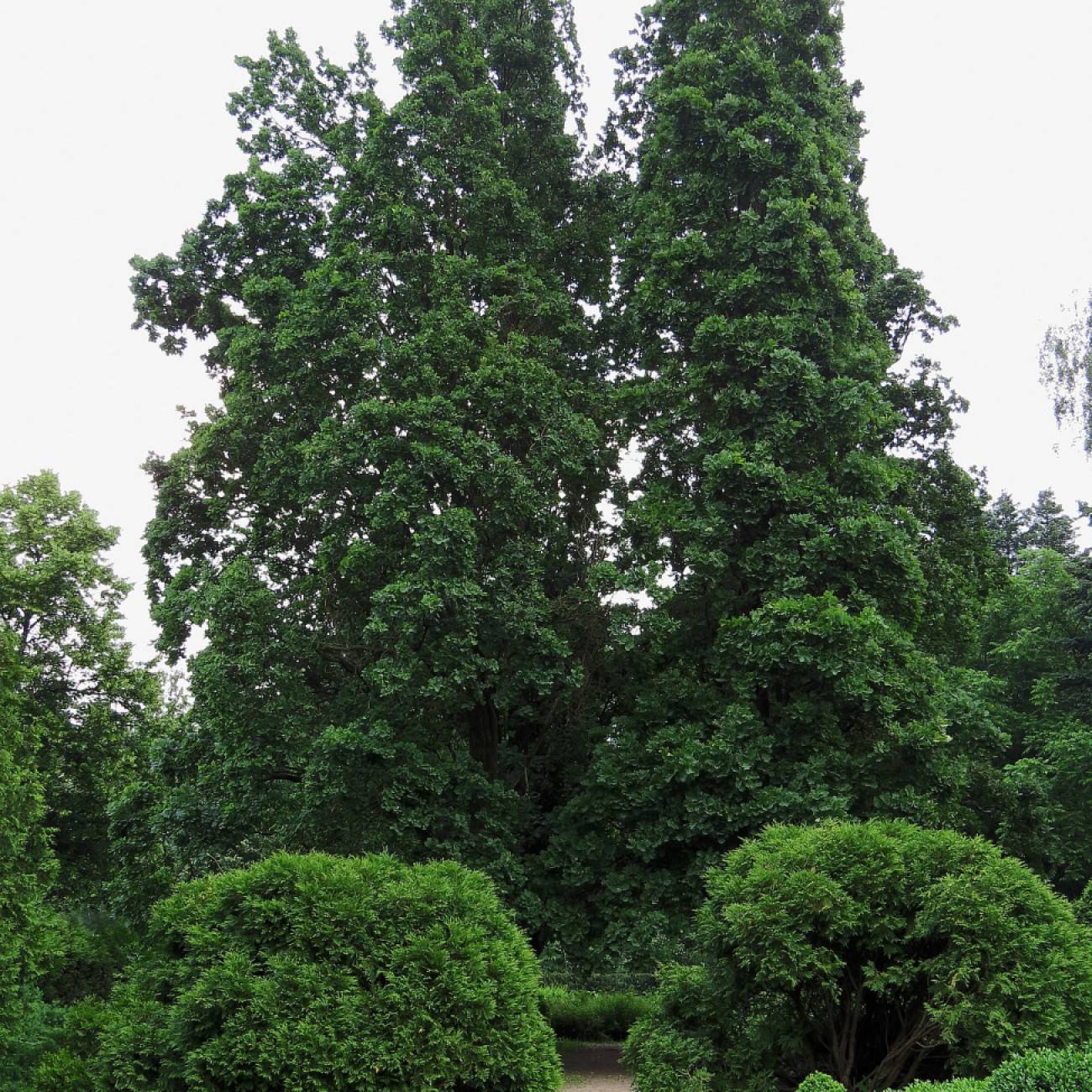
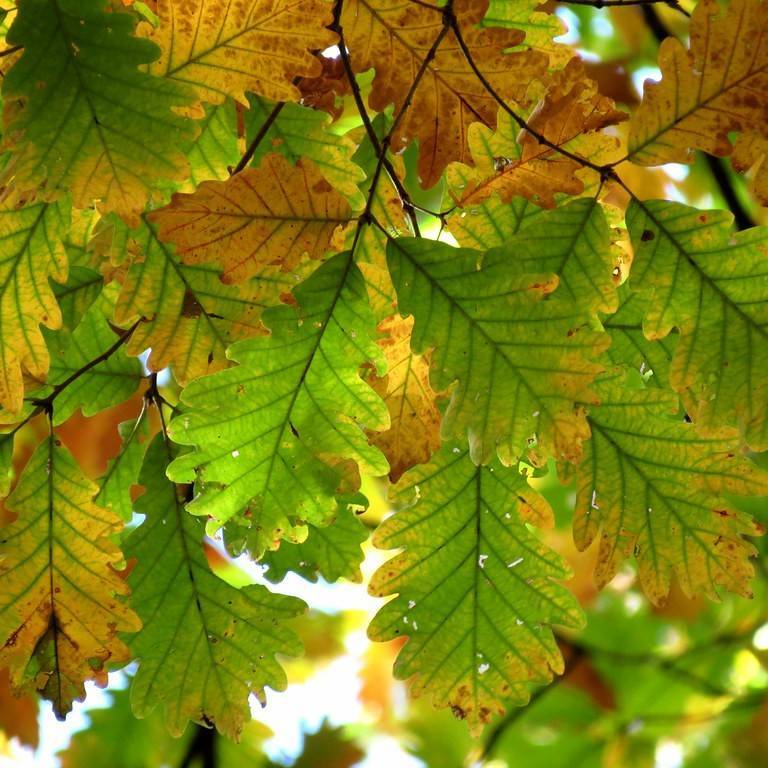
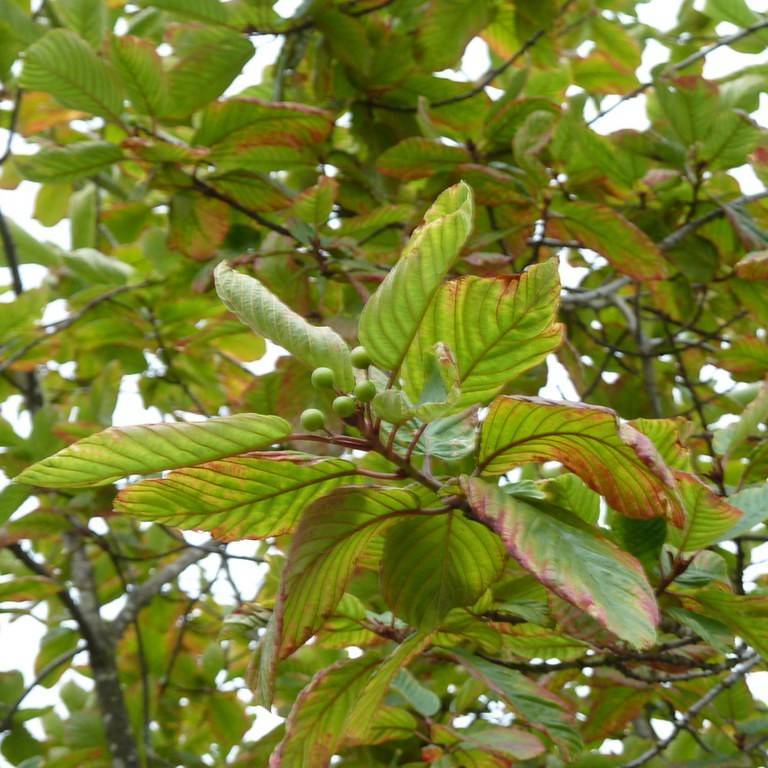
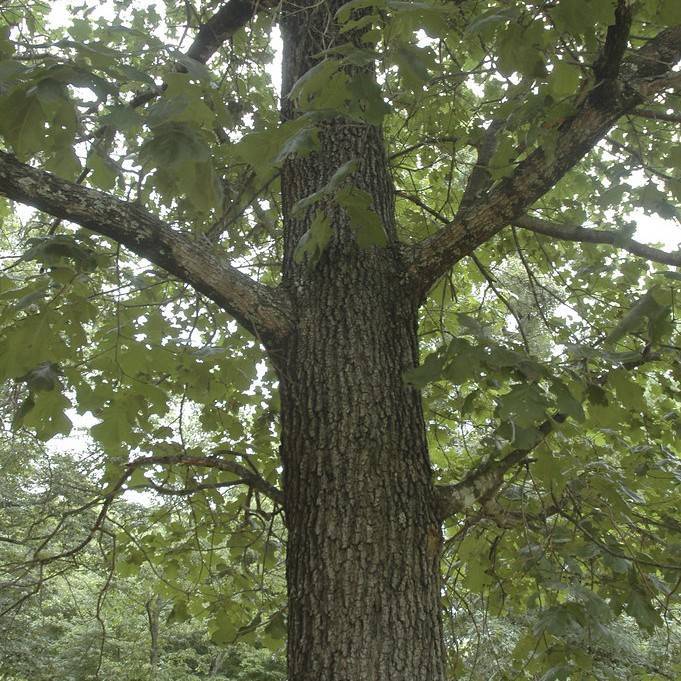
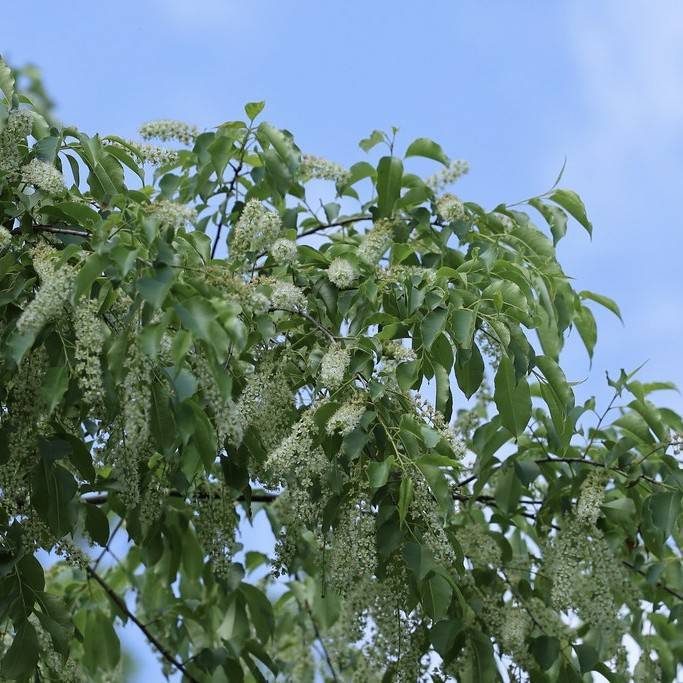
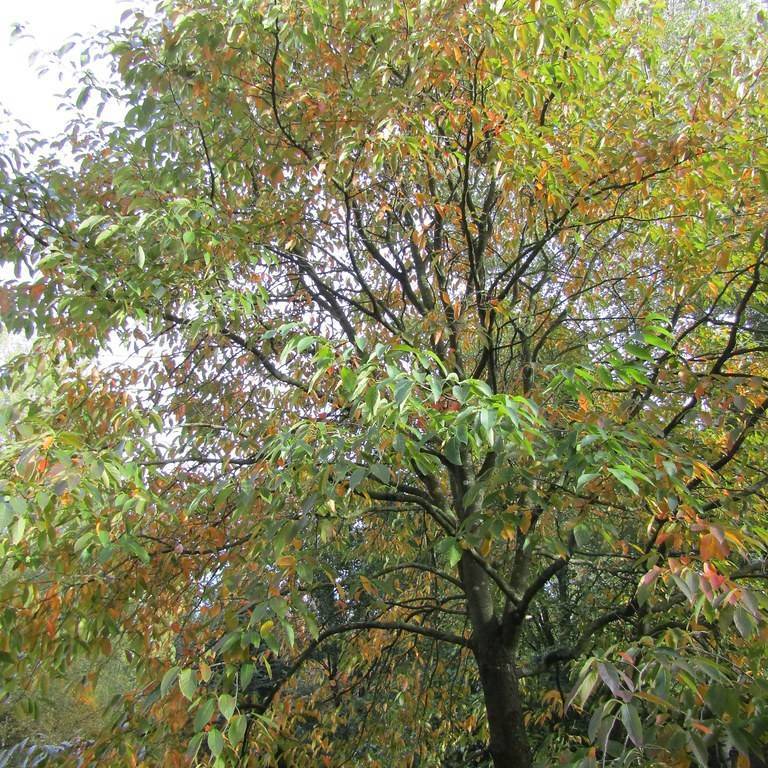
Native to subtropical and warm temperate forests of China, Chinese Tupelo is a medium-sized deciduous tree with a broadly pyramidal growth habit when young, maturing to a rounded, spreading crown. Its glossy, oval leaves emerge reddish-purple in spring, fade to deep green in summer, and burst into fiery shades of crimson, orange, and gold in fall, making it a standout seasonal landscape specimen. It produces small, inconspicuous greenish-white flowers in spring that give way to dark blue, berry-like drupes attractive to birds and local wildlife.
Care Guide
Watering
Chinese Tupelo prefers consistently moist, well-drained soil and tolerates periodic flooding, making it well suited to low-lying or rain garden sites; water deeply during extended dry periods to prevent leaf drop and stress. Avoid letting the root zone dry out completely, especially for young, newly planted trees, as drought can impair foliage color and overall growth. Mature specimens have moderate drought tolerance but still perform best with regular moisture during hot summer months.
Light
This tree thrives in full sun to partial shade, with full sun exposure encouraging the most vivid autumn foliage coloration. In warmer parts of its growing range, it benefits from light afternoon shade to prevent leaf scorch during periods of extreme heat. Too much deep shade will lead to sparse foliage and reduced fall color intensity.
Soil
Chinese Tupelo adapts to a wide range of soil types, including clay, loam, and sandy soils, as long as they are acidic to neutral in pH (5.0 to 7.0). It tolerates poorly drained, wet soils better than many ornamental trees, including occasional standing water, but will not thrive in permanently waterlogged, anaerobic conditions. Amending heavy soils with organic matter at planting time improves root establishment and long-term health.
Fertilizer
Feed young Chinese Tupelo trees annually in early spring with a balanced, slow-release granular fertilizer formulated for acid-loving trees to support steady growth. Mature specimens only require fertilization every 2 to 3 years, as over-fertilization can lead to excessive weak growth that is prone to storm damage. Avoid applying fertilizer late in the growing season, as this can stimulate tender new growth that will be damaged by early fall frost.
Temperature
Chinese Tupelo is hardy in USDA zones 6 through 9, tolerating winter temperatures as low as -10°F (-23°C) once fully established. It prefers warm, humid summer conditions typical of its native range, but can adapt to drier summer climates if provided with adequate moisture. Young trees may require winter protection, such as a layer of mulch around the root zone, in the colder parts of its growing range to prevent root freeze damage.
Pruning
Prune Chinese Tupelo during late winter dormancy to remove dead, damaged, or crossing branches, and to maintain a strong, balanced structural form. Avoid heavy pruning, as this species bleeds sap profusely if cut actively growing, which can weaken the tree and increase disease risk. Remove any suckers growing from the base of the trunk as they appear to direct energy to the main canopy.
Propagation
Chinese Tupelo is most commonly propagated from seed, which requires 3 to 4 months of cold stratification to break dormancy before sowing in moist, acidic potting mix. Semi-hardwood cuttings taken in mid to late summer can also be rooted with the use of rooting hormone and consistent high humidity, though success rates are typically lower than seed propagation. Grafting onto hardy Nyssa sylvatica rootstock is sometimes used to preserve specific cultivars with particularly vivid foliage traits.
Humidity
This tree prefers moderate to high humidity levels, matching the conditions of its native subtropical Chinese forest habitats, but adapts well to average outdoor humidity levels in most temperate growing zones. In very dry climates, occasional misting of young foliage can help prevent leaf edge browning, though mature trees do not require supplemental humidity. Good air circulation around the canopy helps prevent fungal leaf diseases in areas with high summer humidity.
Repotting
Chinese Tupelo is almost exclusively grown as an outdoor landscape tree and is not suitable for long-term container growth, so repotting is rarely required. Young saplings grown in nursery containers should be planted in their permanent landscape location in early spring before new growth emerges to minimize root disturbance. If temporarily keeping a sapling in a container, use a large, well-drained pot with acidic potting mix and upgrade pot size only when roots are visibly growing through drainage holes.
Uses & Symbolism
Chinese Tupelo is widely planted as an ornamental specimen tree in parks, large gardens, and streetscapes for its stunning seasonal foliage and attractive, low-maintenance growth habit. Its tolerance of wet soils makes it a popular choice for rain gardens, riparian buffer plantings, and low-lying areas prone to periodic flooding. The small blue drupes produced in fall provide a valuable food source for native songbirds and small mammals, supporting local biodiversity in cultivated landscapes.
Diseases & Pests
Chinese Tupelo is relatively resistant to most pests and diseases, though it can occasionally be affected by leaf spot, powdery mildew, and canker diseases in areas with poor air circulation and prolonged high humidity. Common insect pests include scale, aphids, and tupelo leafminer, which typically cause only cosmetic damage unless infestations are severe. Root rot can occur in poorly drained, permanently waterlogged soils, so proper site selection is critical to long-term health.
Related plants
Other plants you might like if you grow Chinese Tupelo.