Blue Beech
Carpinus caroliniana
Overview
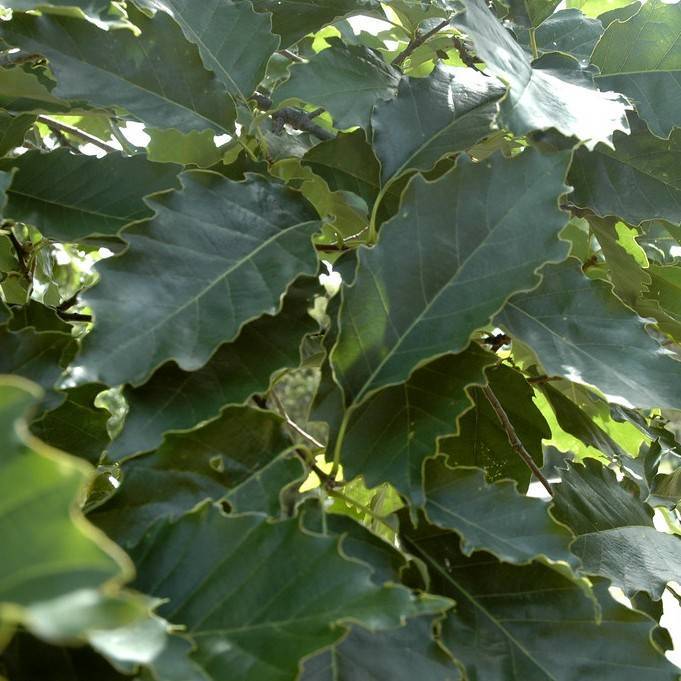
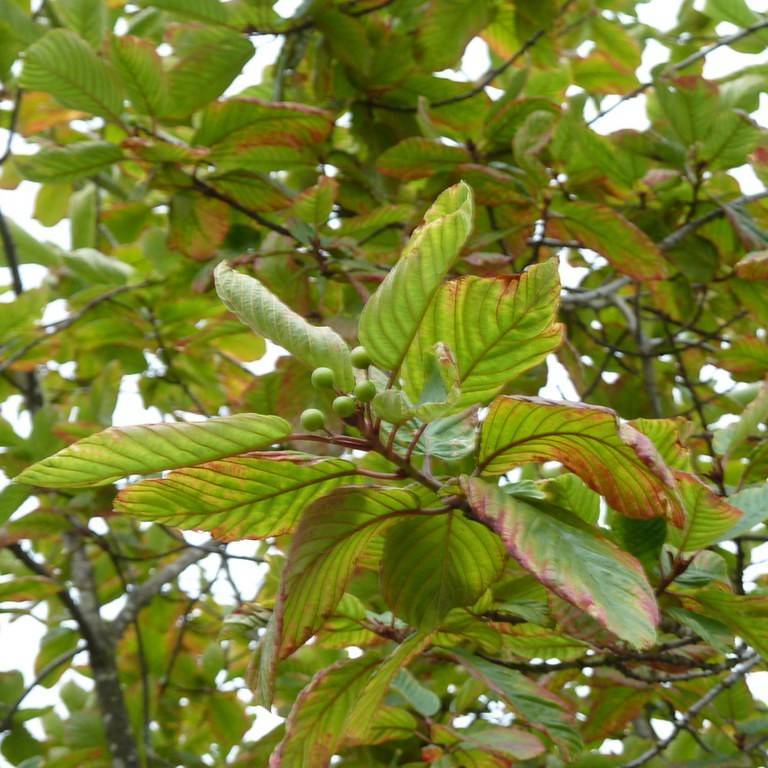
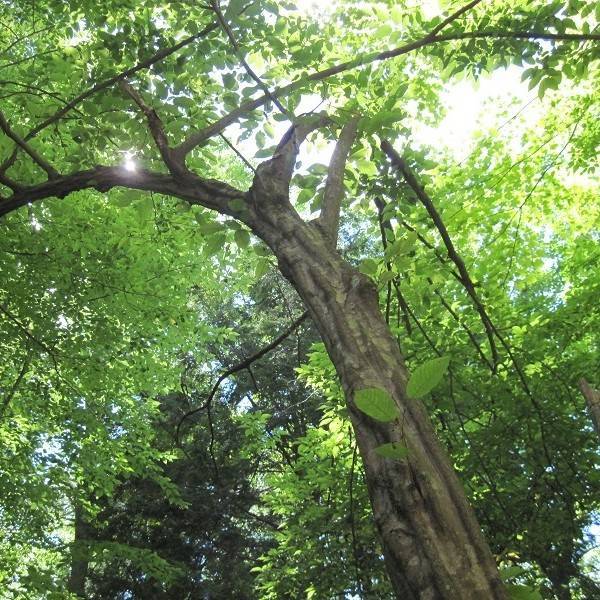
Blue Beech, also called American Hornbeam or Musclewood, is a slow-growing deciduous tree native to eastern North American woodlands. Its distinctive smooth, fluted blue-gray bark resembles flexed muscle, giving it one of its common nicknames, while its serrated oval leaves turn rich shades of yellow, orange, and red in autumn. It produces small, dangling catkins in spring followed by clustered winged nutlets that provide food for local wildlife. This adaptable understory tree thrives in shaded, moist sites, making it a popular choice for naturalized landscapes and native plant gardens.
Care Guide
Watering
Blue Beech prefers consistently moist, well-drained soil, so water deeply once a week during dry periods, avoiding waterlogged conditions that can cause root rot. Established trees have moderate drought tolerance, but young specimens require regular supplemental watering to support root development. Reduce watering frequency in fall and winter as the tree enters dormancy.
Light
This understory tree grows well in partial to full shade, though it can tolerate full sun in cooler regions if provided with adequate moisture. Too much intense, direct sun in warmer climates can scorch its leaves and slow growth. It is an excellent choice for shaded garden spots where many other trees struggle to thrive.
Soil
Blue Beech adapts to a wide range of soil types, including loam, clay, and sandy soils, as long as they are well-drained and high in organic matter. It prefers a slightly acidic to neutral pH between 5.5 and 7.5, though it can tolerate mildly alkaline conditions. Adding a layer of organic mulch around the base helps retain soil moisture and regulate temperature.
Fertilizer
Young Blue Beech trees benefit from a balanced, slow-release fertilizer applied in early spring before new growth emerges to support healthy development. Mature trees rarely need fertilization if planted in nutrient-rich soil, but a light application of nitrogen-rich fertilizer can be applied every 2-3 years if growth is stunted or leaves appear pale. Avoid over-fertilizing, as this can lead to excessive weak growth that is prone to damage.
Temperature
Blue Beech is hardy in USDA zones 3 through 9, tolerating winter temperatures as low as -40°F (-40°C) and summer heat up to 95°F (35°C) when provided with adequate shade and moisture. It is well-adapted to the variable temperature ranges of its native eastern North American range, withstanding both cold winters and warm, humid summers. Extreme temperature fluctuations in late spring can damage new growth, so provide a layer of mulch to insulate roots.
Pruning
Prune Blue Beech during late winter dormancy to remove dead, damaged, or crossing branches, and to shape the tree if desired. Avoid heavy pruning, as this slow-growing tree takes a long time to regrow, and only remove up to 10% of the canopy in a single year. Prune out any suckers that grow from the base of the tree to maintain a single trunk form if preferred.
Propagation
Blue Beech is most commonly propagated from seeds, which require 3-4 months of cold stratification to break dormancy before sowing in moist, well-drained soil. Softwood cuttings taken in early summer can also root successfully if treated with rooting hormone and kept in high humidity conditions. Seed-grown trees may take 10-15 years to reach maturity and produce flowers and fruit.
Humidity
Blue Beech thrives in moderate to high humidity levels typical of its native woodland habitat, tolerating average household humidity if grown as a small indoor specimen, though it performs best outdoors. In very dry climates, occasional misting of the foliage can help prevent leaf browning, especially for young potted specimens. It is tolerant of short periods of low humidity, but prolonged dry air can slow growth and reduce foliage health.
Repotting
If grown in a container as a small specimen, repot Blue Beech every 2-3 years in early spring before new growth starts, using a well-drained, organic-rich potting mix. Choose a pot that is 2-3 inches larger in diameter than the current one to give roots room to grow, and ensure it has ample drainage holes to prevent waterlogging. Once the tree reaches 6-8 feet tall, it is best transplanted to an outdoor location for optimal growth.
Uses & Symbolism
Blue Beech is widely planted in native and naturalized landscapes as an understory tree, providing shade, habitat, and food for birds, squirrels, and pollinators that feed on its catkins and nutlets. Its hard, dense wood is used for making tool handles, mallets, and small woodworking projects, as it is extremely durable and resistant to splitting. It is also a popular choice for bonsai due to its attractive bark, small leaves, and graceful growth habit.
Diseases & Pests
Blue Beech is relatively resistant to most pests and diseases, though it can occasionally be affected by leaf spot, canker, and powdery mildew in overly humid or poorly ventilated conditions. Common pests include aphids, scale insects, and borers, which can be controlled with horticultural oil or insecticidal soap if infestations are severe. Root rot can occur in waterlogged soil, so ensure proper drainage to prevent this potentially fatal issue.
Related plants
Other plants you might like if you grow Blue Beech.