Chinese Quince
Pseudocydonia sinensis
Overview
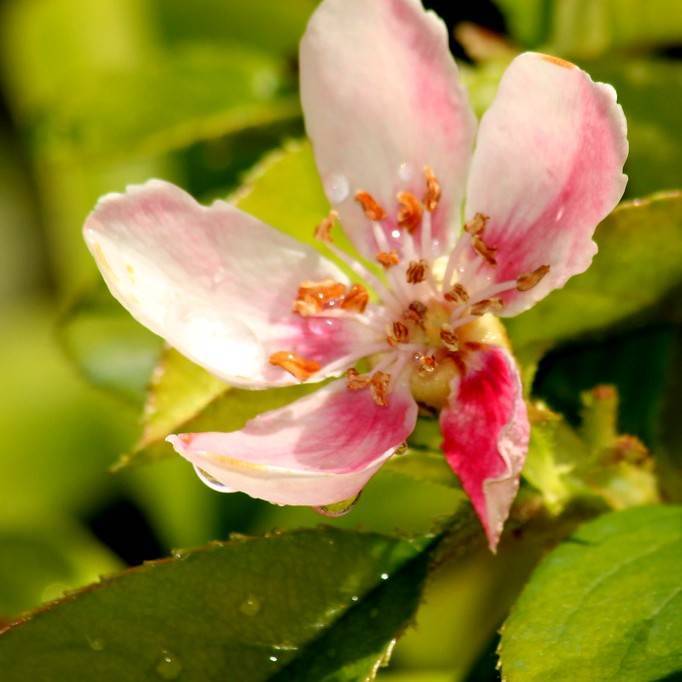
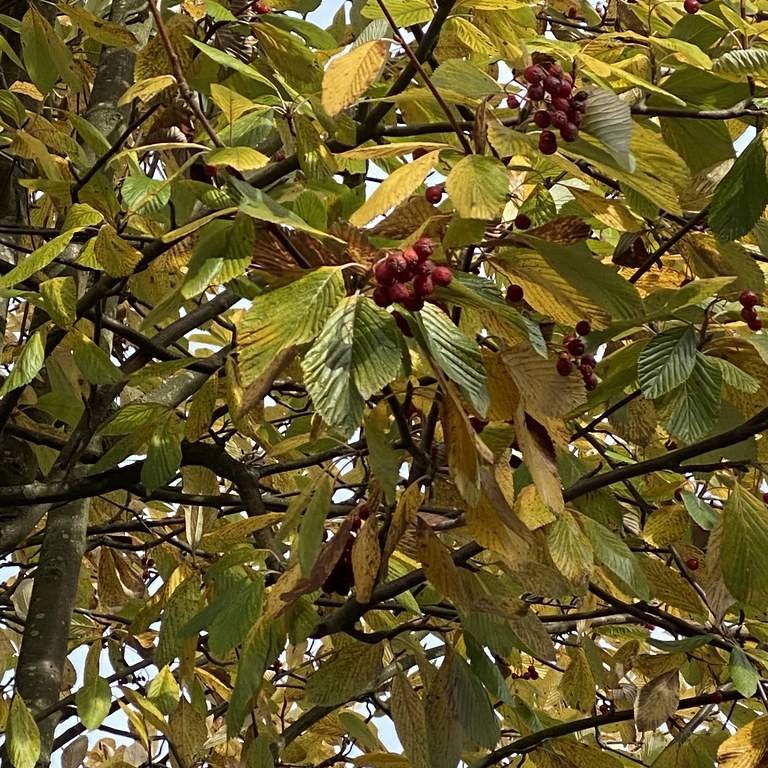
Chinese Quince is the sole species in the Pseudocydonia genus, closely related to common quince (Cydonia oblonga) and flowering quinces (Chaenomeles). It produces pale pink, five-petaled flowers in early spring before glossy, dark green oval leaves emerge, which turn warm yellow and orange in autumn. Its distinctive flaky bark peels to reveal patches of gray, brown, and orange, creating year-round ornamental interest even when leafless. The large, ovoid yellow fruit ripen in late autumn, emitting a strong, sweet aroma when mature.
Care Guide
Watering
Water young trees deeply once or twice weekly during the first 2–3 growing seasons to establish a strong root system, reducing frequency to every 10–14 days once mature. Avoid overwatering and soggy soil, as this can cause root rot; allow the top 2–3 inches of soil to dry out between waterings. During prolonged droughts, increase watering frequency to prevent fruit drop and leaf scorch.
Light
Chinese Quince thrives in full sun, requiring at least 6 hours of direct, unfiltered sunlight daily to produce abundant blooms and fruit. It can tolerate partial shade, but growth will be sparser, flowering will be reduced, and fruit yields will be significantly lower. In regions with extreme summer heat, light afternoon shade can prevent leaf scorch without impacting overall performance.
Soil
It adapts to a wide range of soil types, including loam, sandy loam, and clay loam, as long as the medium is well-draining. It prefers a slightly acidic to neutral pH between 6.0 and 7.0, though it can tolerate mildly alkaline conditions up to pH 7.5. Avoid heavy, waterlogged soils, as these will stunt growth and increase the risk of root rot.
Fertilizer
Apply a balanced, slow-release 10-10-10 fertilizer in early spring just before new growth emerges, spreading it evenly around the drip line of the tree and watering thoroughly to work it into the soil. Avoid high-nitrogen fertilizers, as these promote excessive leaf growth at the expense of blooms and fruit. For mature, fruit-bearing trees, add a side dressing of compost in late autumn to replenish soil nutrients over the dormant season.
Temperature
This hardy tree tolerates winter temperatures as low as -10°F (-23°C), suitable for USDA hardiness zones 5 through 9. It requires a minimum of 400–500 chill hours below 45°F (7°C) during winter dormancy to break bud and produce flowers the following spring. Extreme late spring frosts can damage emerging flower buds, so plant in a sheltered location if late frost events are common in your area.
Pruning
Prune during late winter dormancy, removing any dead, damaged, or crossing branches to improve air circulation and light penetration throughout the canopy. Thin out crowded inner growth to reduce the risk of fungal diseases and ensure even fruit development. You can also prune to maintain a desired shape or height, as Chinese Quince responds well to shaping, making it suitable for espalier or bonsai cultivation.
Propagation
The most common propagation method is seed sowing, using fresh seed extracted from ripe fruit in autumn, stratified for 90–120 days at 33–40°F (1–4°C) before sowing in spring. Semi-hardwood cuttings taken in mid to late summer can also root successfully when treated with rooting hormone and kept in a humid, warm environment. Grafting onto quince rootstock is often used for cultivated varieties to ensure consistent fruit quality and earlier fruiting.
Humidity
Chinese Quince adapts well to a wide range of humidity levels, thriving in the moderate humidity of its native temperate habitat. It tolerates dry air as long as soil moisture is adequate, though very low humidity during flowering can reduce pollination success. High humidity combined with poor air circulation increases the risk of foliar fungal diseases, so ensure adequate spacing between plants and prune regularly to improve airflow.
Repotting
For Chinese Quince grown in containers or as bonsai, repot every 2–3 years in late winter just before dormancy breaks, pruning back up to one-third of the root ball to encourage healthy new growth. Use a well-draining, loamy potting mix with added perlite or coarse sand to improve drainage, and choose a container with ample drainage holes to prevent waterlogging. After repotting, water thoroughly and keep the plant in a shaded, protected location for 1–2 weeks to allow roots to recover.
Uses & Symbolism
The fragrant, tart fruit is edible when cooked, commonly used to make jams, jellies, preserves, and infused liqueurs, and is often placed in bowls as a natural air freshener due to its strong, pleasant aroma. It is a popular ornamental landscape tree for its showy spring blooms, vibrant autumn foliage, and attractive mottled bark, and is frequently trained as a bonsai specimen for its rugged, aged appearance and small leaf size. In traditional Chinese medicine, extracts from the fruit are used to address sore throats, digestive discomfort, and inflammatory conditions.
Diseases & Pests
Chinese Quince is susceptible to fungal diseases including fire blight, powdery mildew, and leaf spot, especially in warm, humid conditions with poor air circulation. Common pests include aphids, scale insects, and codling moths, which can damage leaves, stems, and developing fruit if left untreated. Routine inspection, proper pruning to improve airflow, and timely application of horticultural oils or appropriate fungicides can prevent and control most pest and disease issues.
Related plants
Other plants you might like if you grow Chinese Quince.
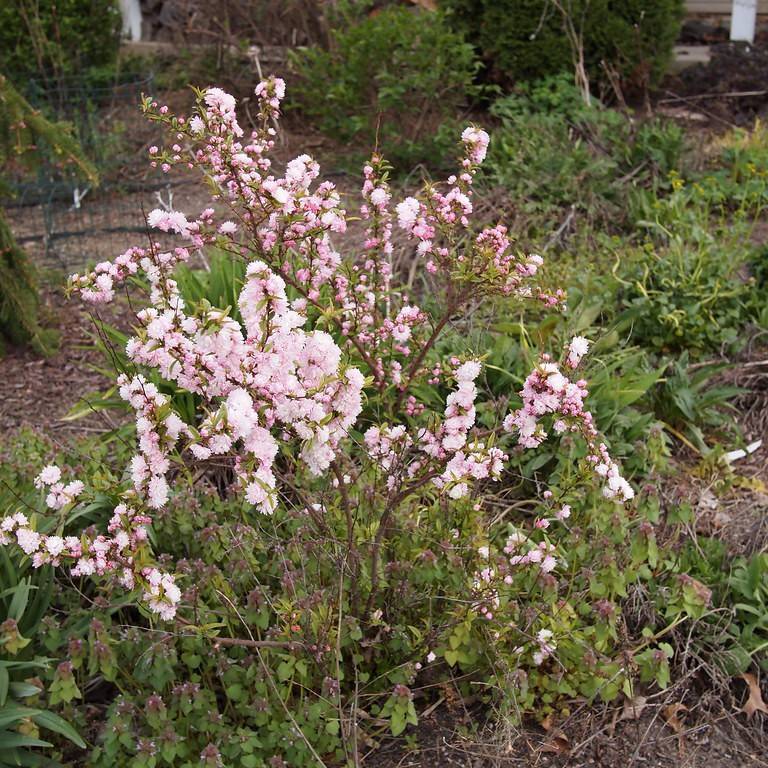
Chinese Plum
Prunus mume
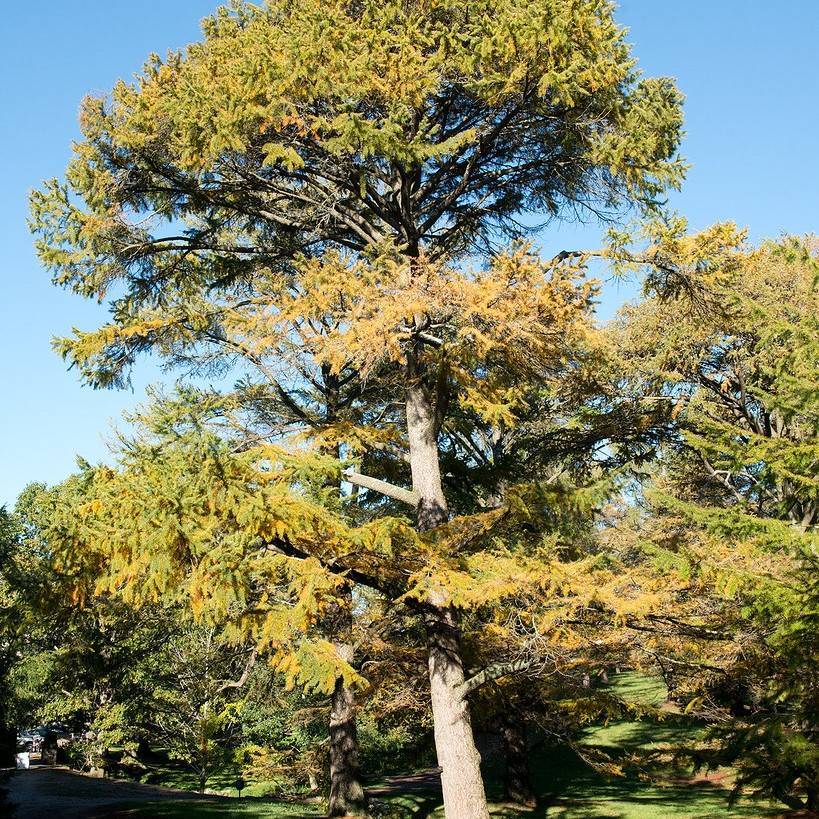
Golden Larch
Pseudolarix amabilis
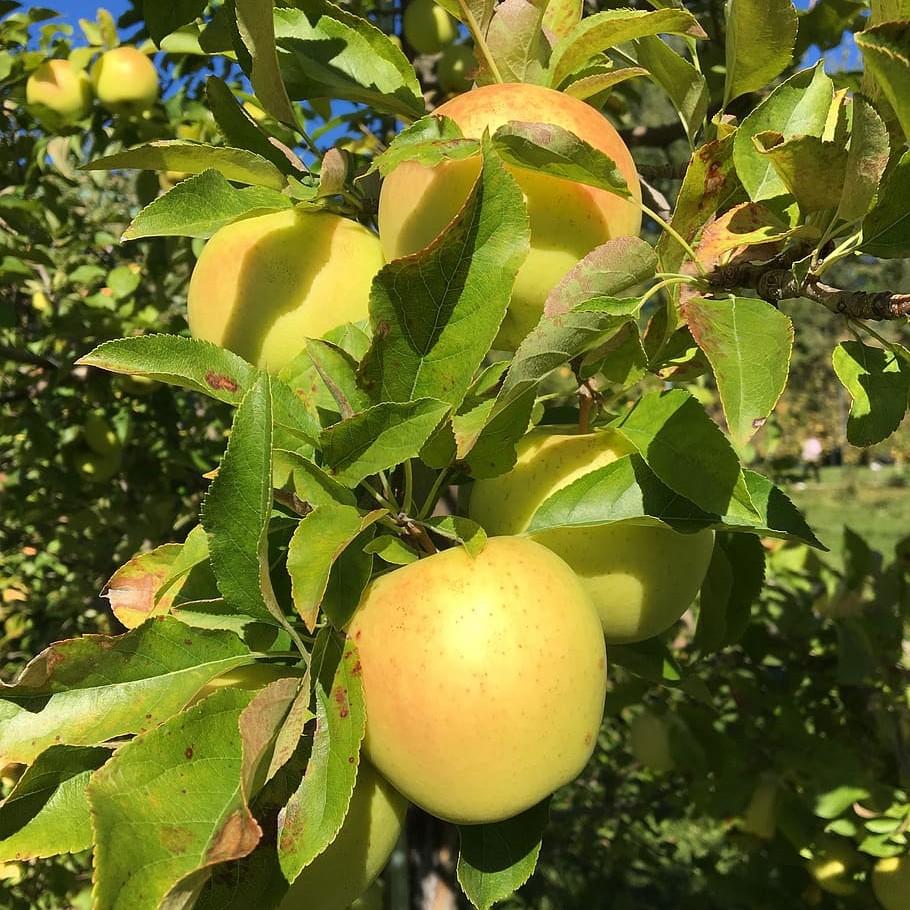
Flowering Crabapple
Malus spp. (ornamental cultivars)
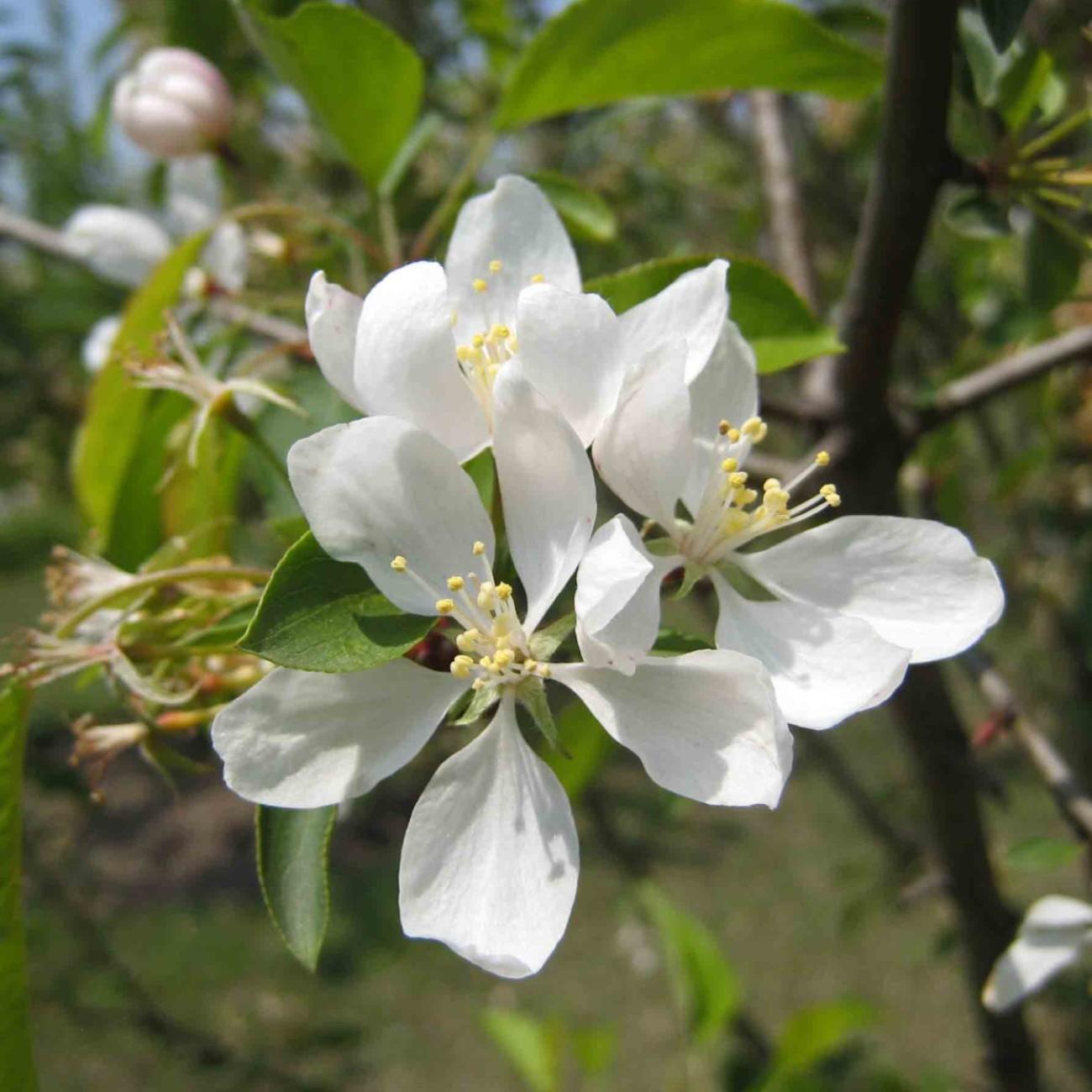
Crabapple
Malus sylvestris, Malus coronaria, and hybrid Malus cultivars
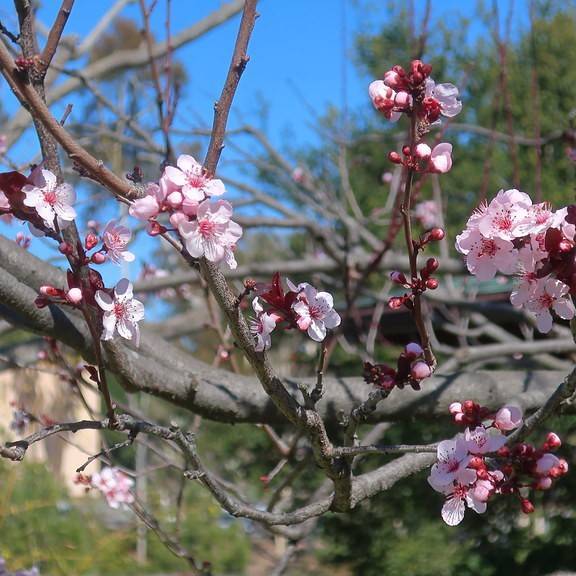
Cherry Plum
Prunus cerasifera
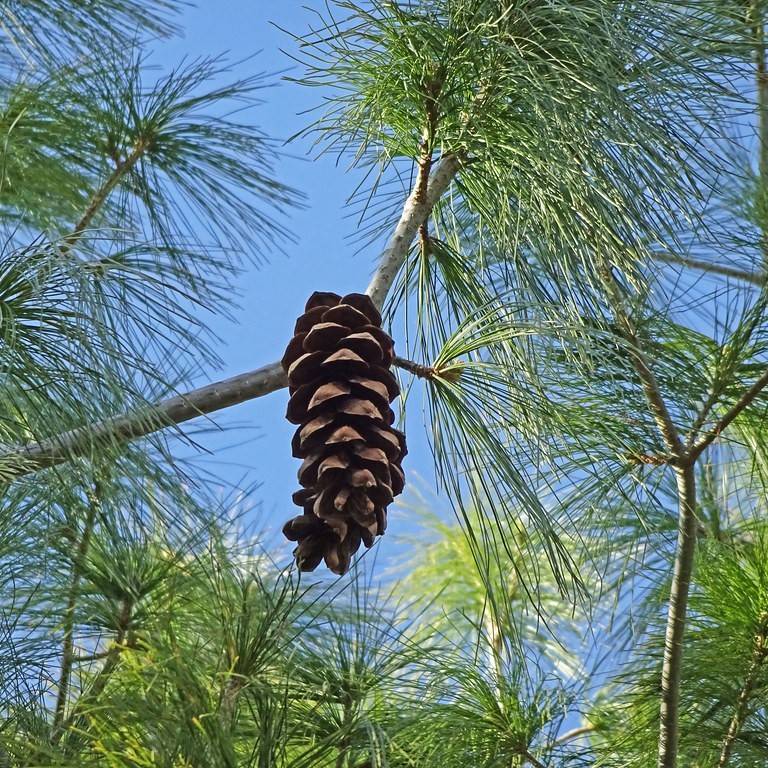
Himalayan Pine
Pinus wallichiana
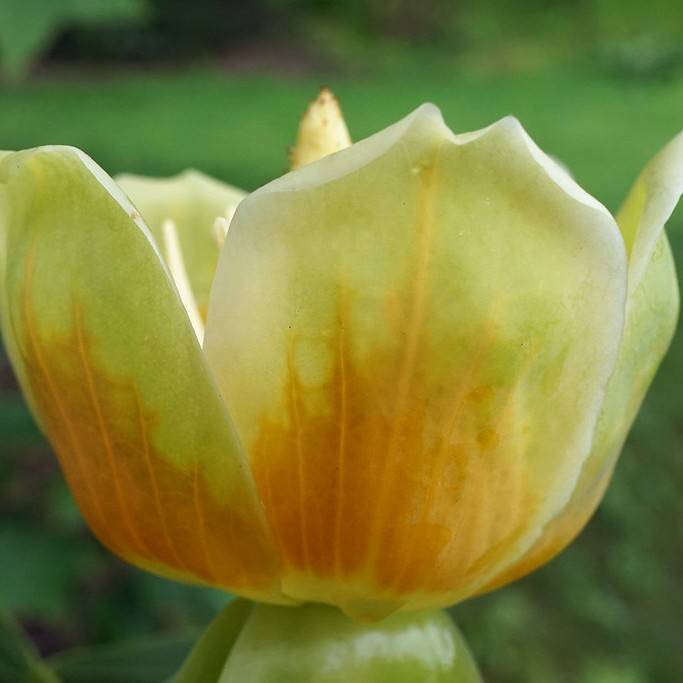
Chinese Tulip Tree
Liriodendron chinense
Japanese Flowering Cherry
Prunus serrulata