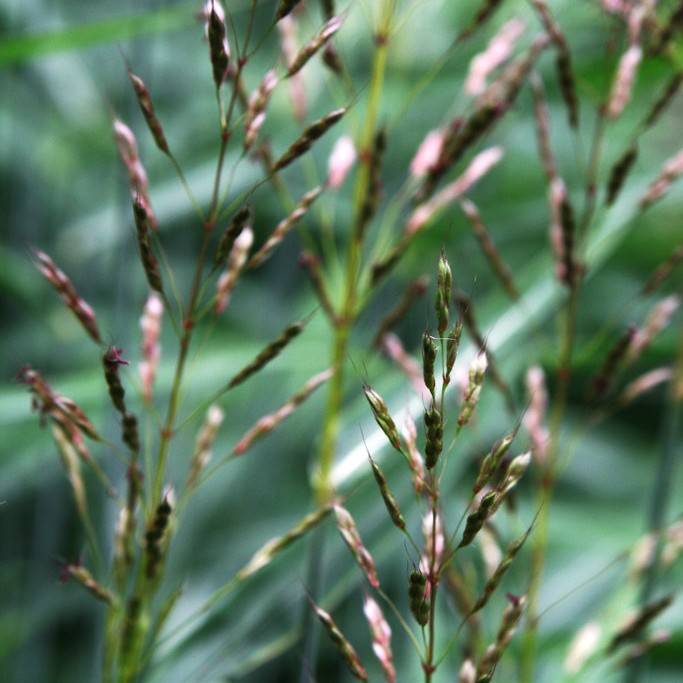
Frost Grass
Spodiopogon sibiricus
Overview
Frost grass is a cool-season ornamental grass named for the frosted, silvery appearance of its airy, open flower panicles that emerge in late summer. Its upright, arching green foliage turns warm shades of bronze and tan in fall, providing year-round structural interest in garden beds and borders. Adaptable to a wide range of growing conditions, it is particularly prized for its tolerance of cold winters and resistance to common grass pests.
Care Guide
Watering
Water frost grass regularly during its first growing season to establish a deep, extensive root system, keeping soil consistently moist but not waterlogged. Once established, it is moderately drought-tolerant, requiring supplemental water only during extended periods of high heat or little rainfall, as soggy winter soil can cause root rot. Avoid overwatering in dormant winter months, allowing the top several inches of soil to dry out between waterings.
Light
Frost grass thrives in full sun, which encourages the most robust growth, densest flowering, and strongest upright habit that reduces flopping. It can tolerate partial shade, particularly in regions with very hot summer afternoons, though excessive shade will lead to lankier growth and fewer silvery plumes. Provide at least 6 hours of direct sunlight per day for optimal performance.
Soil
This adaptable grass grows well in most well-drained soil types, including average garden loam, sandy soil, and clay soil, as long as standing water does not accumulate around its roots. It prefers a neutral to slightly acidic pH range of 5.5 to 7.0, but can tolerate mildly alkaline conditions without issue. Amending heavy, poorly draining soil with organic matter such as compost before planting will reduce the risk of root rot and support healthier growth.
Fertilizer
Frost grass is a light feeder that rarely requires regular fertilization if grown in average garden soil. Over-fertilizing, especially with high-nitrogen formulas, will lead to excessive, soft growth that is prone to flopping over. A light application of a balanced, slow-release granular fertilizer in early spring, just as new growth emerges, is sufficient for plants grown in very poor, nutrient-deficient soil.
Temperature
Frost grass is exceptionally cold-hardy, suitable for USDA hardiness zones 4 through 9, tolerating winter temperatures as low as -30°F (-34°C) without damage. It prefers cool summer temperatures, and may go semi-dormant during extended periods of 90°F (32°C) or higher heat, resuming active growth once temperatures moderate in fall. Winter foliage provides insulation for the crown, so avoid cutting it back until late winter or early spring before new growth appears.
Pruning
Minimal pruning is required for frost grass; leave the dried foliage and spent plumes intact through winter to provide visual interest and protect the plant’s crown from extreme cold. Cut the entire clump back to 3 to 4 inches above the soil line in late winter or early spring, just before new green shoots begin to emerge from the base. Remove any yellowed or damaged foliage during the growing season as needed to maintain a tidy appearance.
Propagation
Frost grass is most easily propagated by division in early spring, just as new growth starts to emerge, or in early fall after flowering has finished. Dig up the entire mature clump, use a sharp spade or knife to separate it into smaller sections, each with a healthy portion of roots and several growing shoots, then replant immediately at the same depth as the original plant. It can also be grown from seed sown directly outdoors in fall or cold-stratified and sown indoors in spring, though seed-grown plants may take 2 to 3 years to reach full mature size and flower.
Humidity
Frost grass adapts well to a wide range of humidity levels, thriving in the moderate humidity typical of its native temperate Asian range. It tolerates both dry, low-humidity conditions and higher humidity, as long as its soil is well-drained to prevent fungal issues. No extra humidity measures are needed when growing this grass outdoors, and it does not perform well as an indoor houseplant due to its high light and space requirements.
Repotting
Frost grass is almost exclusively grown outdoors in landscape beds, so repotting is rarely required, though it can be grown in large containers for patio displays. Container-grown plants should be repotted every 2 to 3 years in early spring, moving to a pot one size larger with fresh, well-draining potting mix amended with compost. If the clump becomes root-bound, divide it during repotting to maintain healthy growth and prevent overcrowding in the container.
Uses & Symbolism
Frost grass is a popular choice for ornamental landscape use, planted in mass as a groundcover, in mixed perennial borders, or as a specimen plant to add vertical texture and late-season interest. Its silvery plumes are long-lasting in both fresh and dried cut flower arrangements, making it a favorite for cut flower gardens. It also provides cover and food for native songbirds, which feed on its small seeds through the winter months.
Diseases & Pests
Frost grass is largely pest and disease resistant, with few common issues when grown in suitable conditions. Overly wet, poorly drained soil can lead to root rot and fungal leaf spots, which can be avoided by ensuring proper drainage and spacing plants to allow for good air circulation. Rarely, aphids or spider mites may infest stressed plants, which can be treated with a strong spray of water or insecticidal soap for severe infestations.
Related plants
Other plants you might like if you grow Frost Grass.
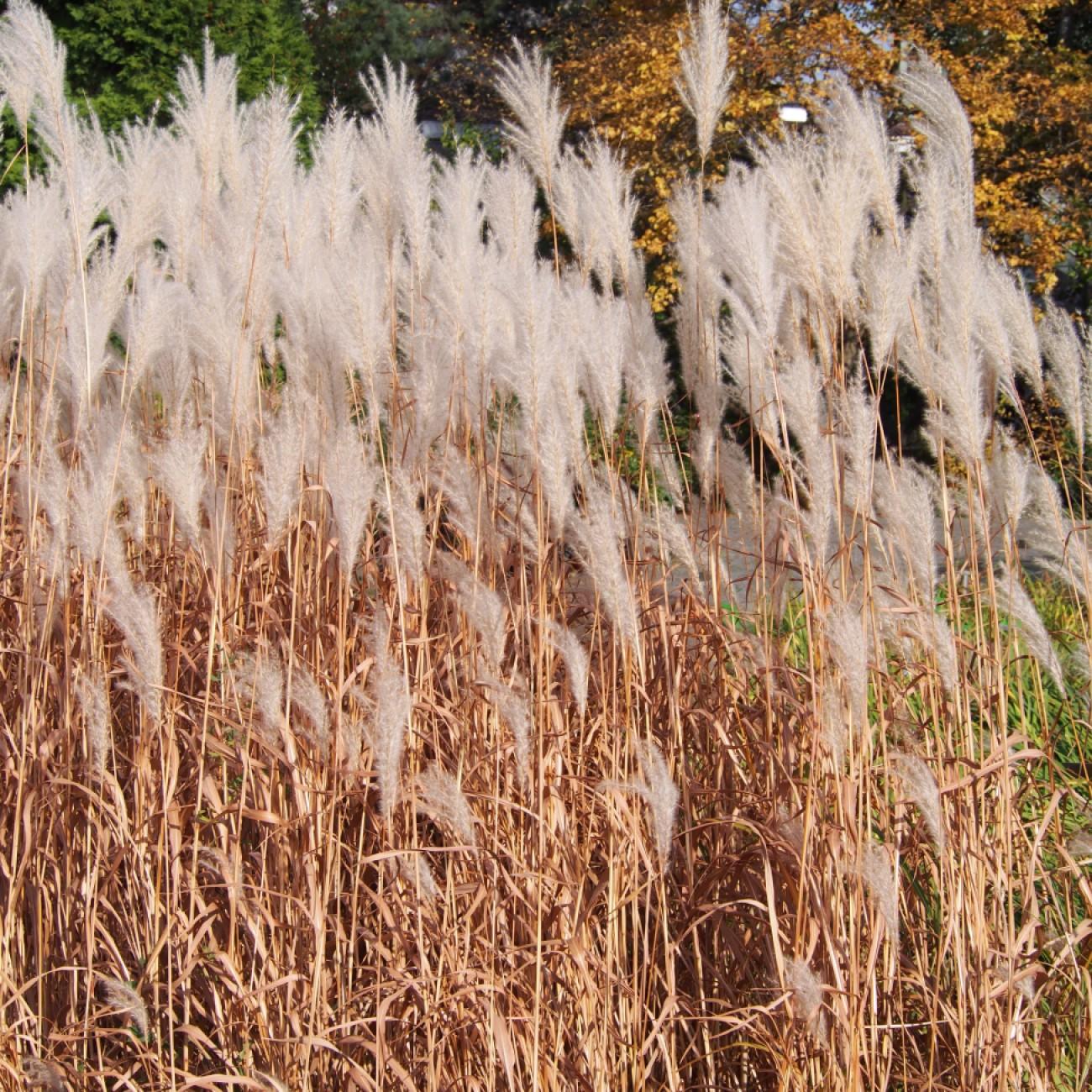
Amur Silvergrass
Miscanthus sacchariflorus
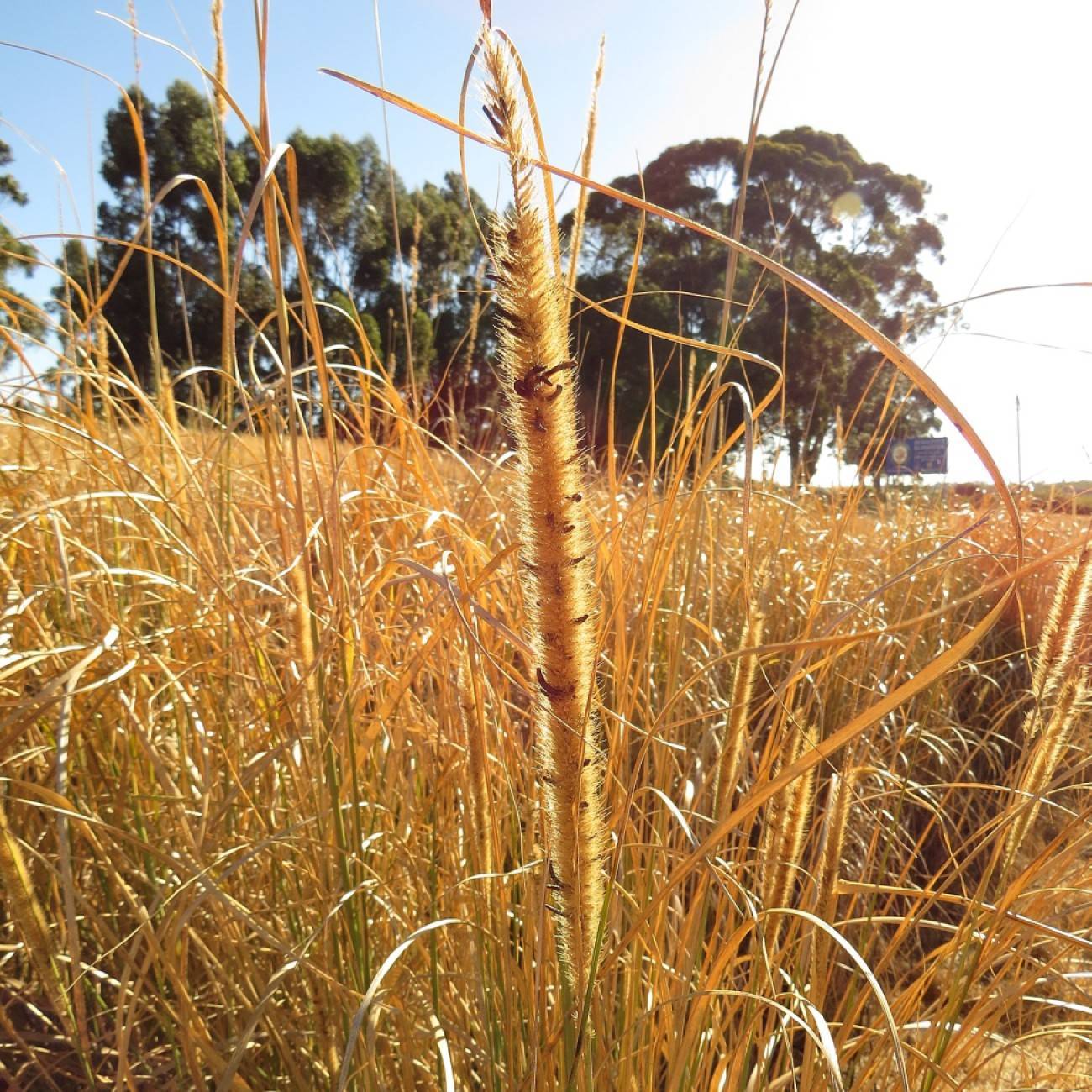
African Feather Grass
Cenchrus macrourus

Fountain Grass
Cenchrus setaceus
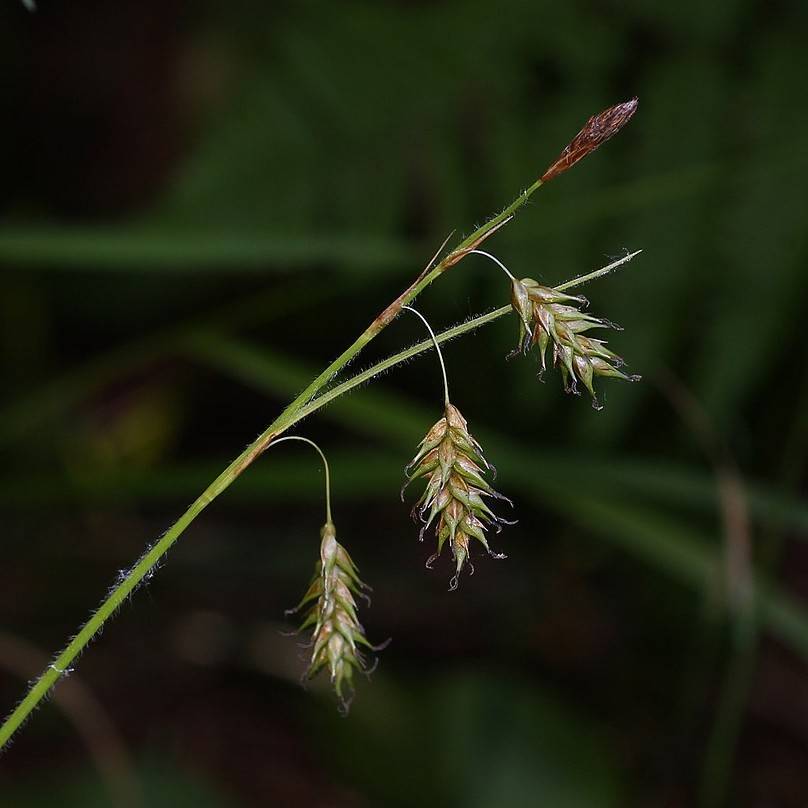
Chestnut Colored Sedge
Carex buchananii
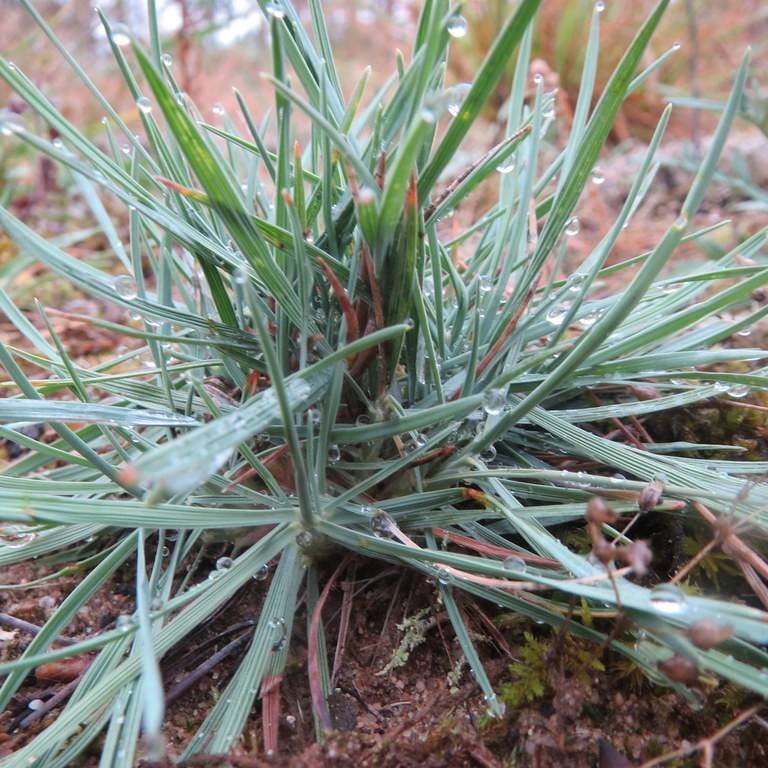
Grey Blue Koeleria
Koeleria glauca
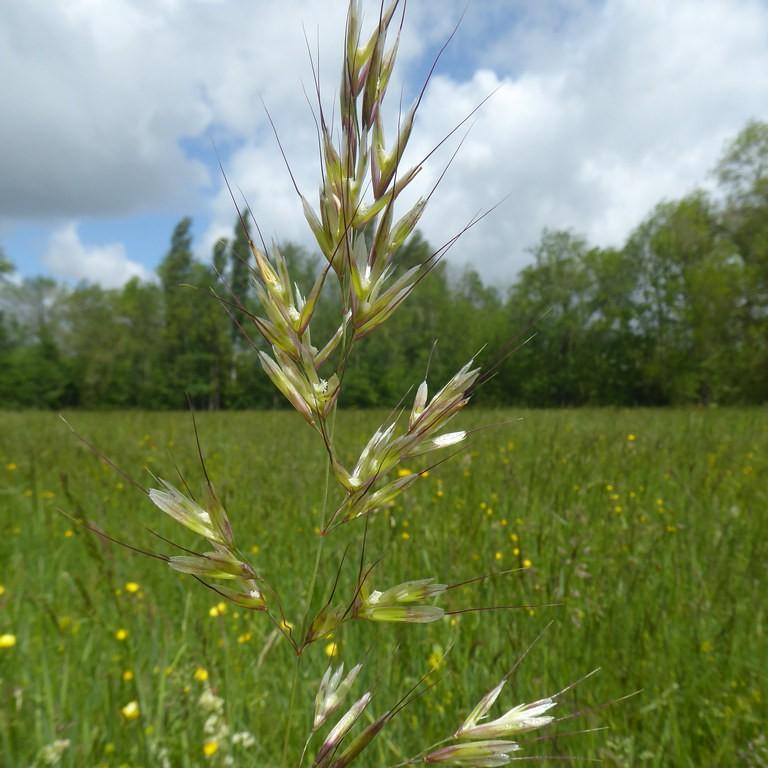
Downy Alpine Oatgrass
Helictotrichon sedenense
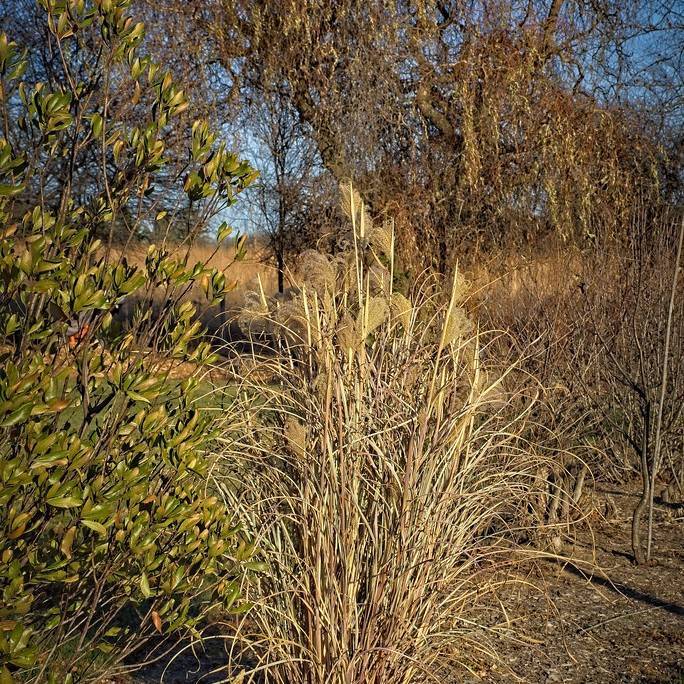
Eulalia Grass
Miscanthus sinensis
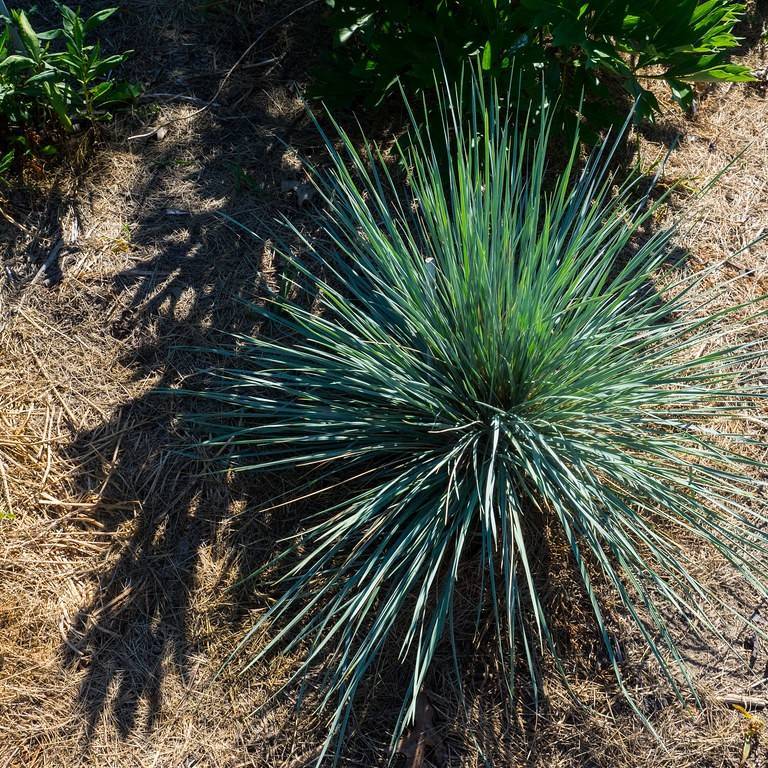
Blue Oat Grass
Helictotrichon sempervirens