Amur Silvergrass
Miscanthus sacchariflorus
Overview
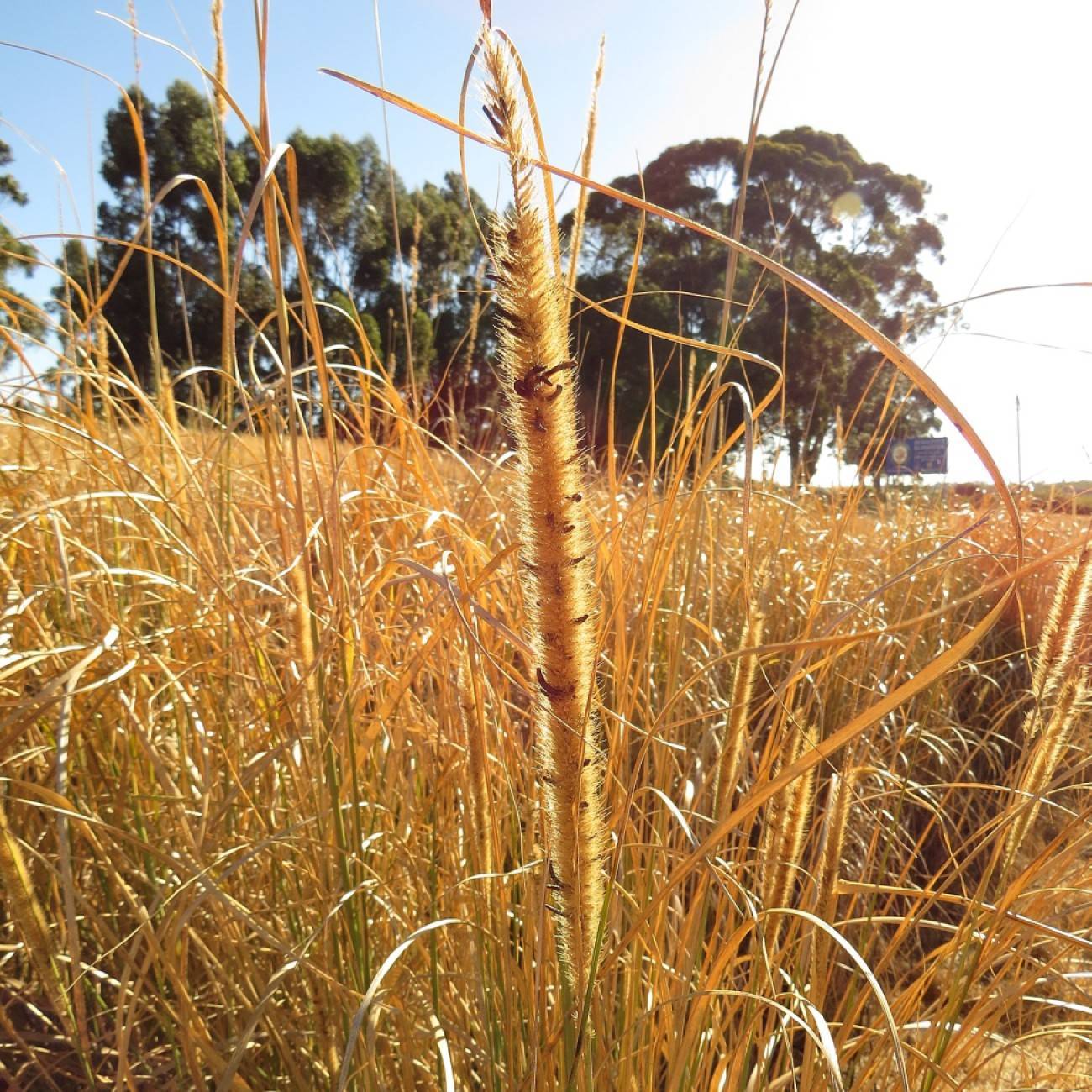
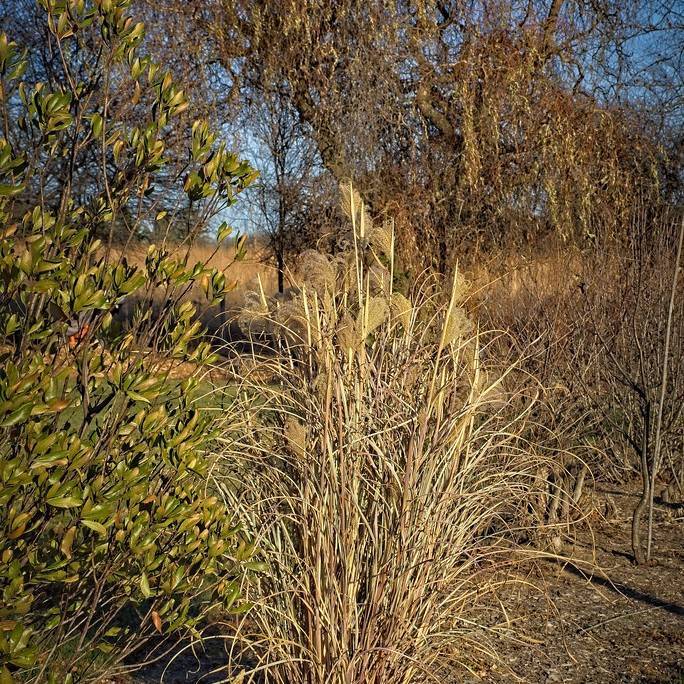
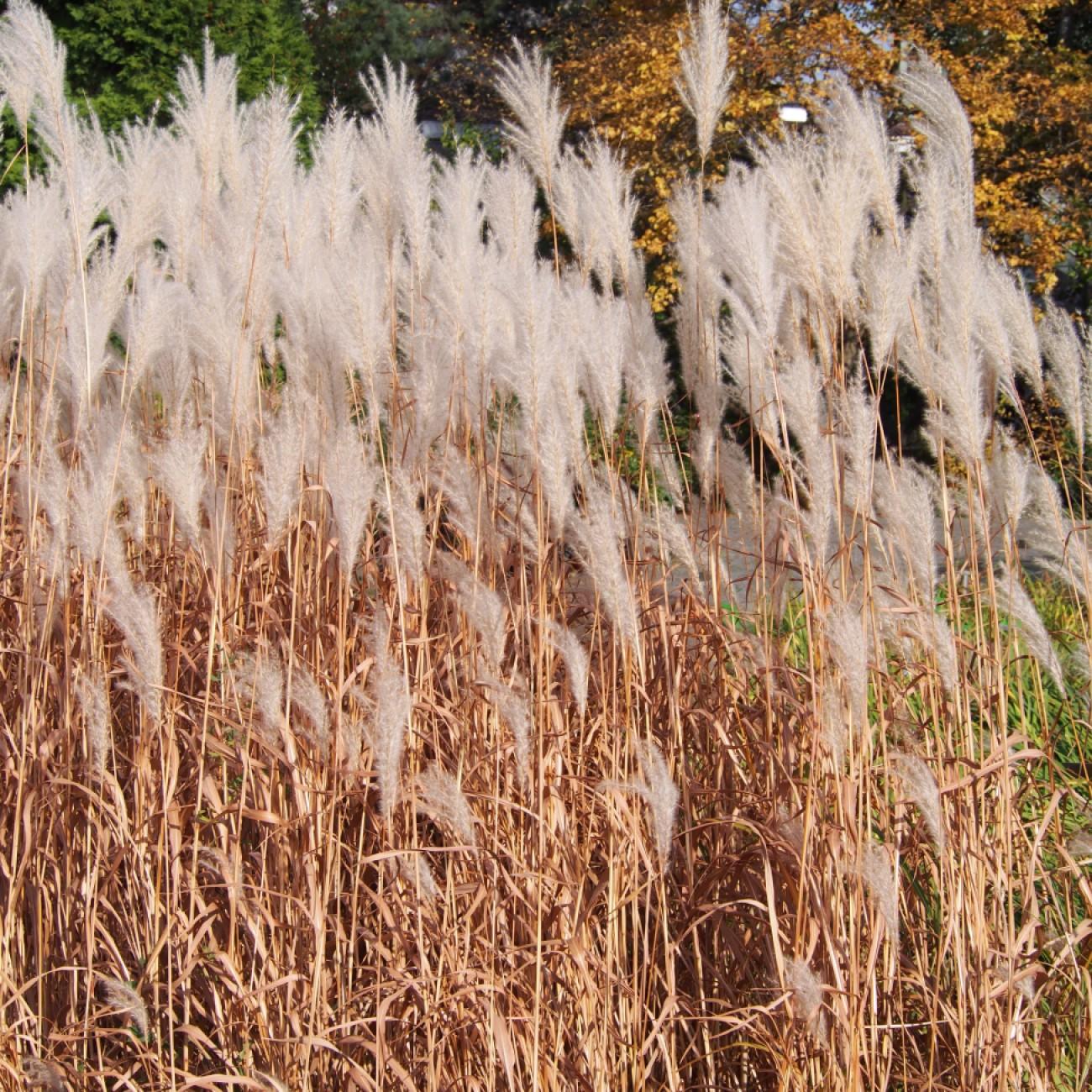
Amur silvergrass is a robust, rhizomatous perennial grass that forms dense, upright clumps of arching green foliage that turns golden yellow in fall. In late summer to early fall, it produces feathery, silvery-white flower plumes that rise 2 to 3 feet above the foliage, creating a dramatic, airy display in the landscape. Hardy to USDA zones 4 to 9, it spreads slowly via underground rhizomes, making it less aggressive than many other ornamental Miscanthus species.
Care Guide
Watering
Amur silvergrass prefers consistently moist, well-drained soil, and will thrive with regular watering during its active growing season, especially in hot, dry conditions. Once established, it is moderately drought tolerant, though prolonged dry periods may cause leaf browning and reduce flowering. Avoid overwatering in poorly drained soils, as this can lead to root rot.
Light
This grass grows best in full sun, receiving at least 6 hours of direct sunlight per day, which encourages robust growth and abundant flower plume production. It can tolerate partial shade, but plants grown in shadier locations will be less upright, produce fewer plumes, and may have a leggier, more open growth habit.
Soil
Amur silvergrass is highly adaptable to a wide range of soil types, including sandy, loam, clay, and even occasionally wet or saline soils. It prefers a neutral to slightly acidic soil pH between 5.5 and 7.5, but will tolerate slightly alkaline conditions as well. Good drainage is recommended to prevent root rot, though it can withstand periodic flooding better than many other ornamental grasses.
Fertilizer
This grass is a light feeder and generally does not require frequent fertilization, especially when grown in average garden soil. A light application of a balanced, slow-release granular fertilizer in early spring, before new growth emerges, will support healthy foliage and flower development for the season. Avoid overfertilizing, as this can lead to excessive, floppy growth that is prone to lodging, particularly in shaded or wet locations.
Temperature
Amur silvergrass is cold hardy down to -30°F (-34°C), making it suitable for growing in USDA zones 4 through 9. It thrives in warm summer temperatures between 65°F and 85°F (18°C to 29°C), which support active foliage growth and plume development. It can tolerate occasional extreme heat above 90°F (32°C) if provided with adequate moisture, and will die back to the ground naturally after the first hard frost in fall.
Pruning
Prune Amur silvergrass in late winter or early spring, before new green shoots emerge, cutting the entire clump back to 4 to 6 inches above the ground to remove dead foliage and make way for fresh growth. Deadheading spent flower plumes is not required, as the dried plumes provide winter interest and food for small birds. If spread becomes a concern, trim back rhizomes around the perimeter of the clump annually in early spring to contain growth.
Propagation
The most common and reliable method of propagating Amur silvergrass is via division, performed in early spring just as new growth begins to emerge. Dig up the entire clump, use a sharp spade or knife to split it into smaller sections, each with a healthy portion of roots and growing shoots, then replant sections at the same depth they were growing previously, spaced 3 to 4 feet apart. It can also be grown from seed, though seed-grown plants may exhibit variable characteristics, and seeds may not germinate reliably in cooler climates.
Humidity
Amur silvergrass adapts well to a wide range of humidity levels, thriving in both humid summer conditions common to its native East Asian range and drier continental climates. It has no specific humidity requirements, though very low humidity combined with high heat may cause the tips of foliage to brown, which can be mitigated with occasional deep watering. It tolerates high humidity well, with no increased risk of fungal disease if planted in a location with good air circulation.
Repotting
When grown in containers, Amur silvergrass should be repotted every 2 to 3 years in early spring, before new growth starts, to refresh the soil and prevent the rhizomes from becoming root bound. Choose a large, heavy container with drainage holes, at least 18 inches in diameter, to accommodate the grass’s extensive root system and prevent it from tipping over as it grows tall. Use a high-quality, well-draining potting mix, and divide the clump if it has outgrown its container to keep the plant manageable for container culture.
Uses & Symbolism
Amur silvergrass is widely planted as an ornamental specimen in landscapes, used for screening, erosion control on slopes or stream banks, and as a dramatic backdrop in perennial borders. Its dried flower plumes are popular in cut flower arrangements, both fresh and dried, for their soft, silvery texture and long-lasting appearance. It also provides habitat and food for native birds and beneficial insects, and its dense clumps offer shelter for small wildlife during the winter months.
Diseases & Pests
Amur silvergrass is largely pest and disease resistant, with very few common issues when grown in appropriate conditions. It may occasionally be affected by rust, leaf spot, or anthracnose fungal diseases, particularly in overly wet, humid conditions with poor air circulation, which can be managed by removing affected foliage and ensuring plants are spaced properly. Rarely, aphids or spider mites may infest foliage, which can be treated with a strong jet of water or insecticidal soap if populations become problematic.
Related plants
Other plants you might like if you grow Amur Silvergrass.