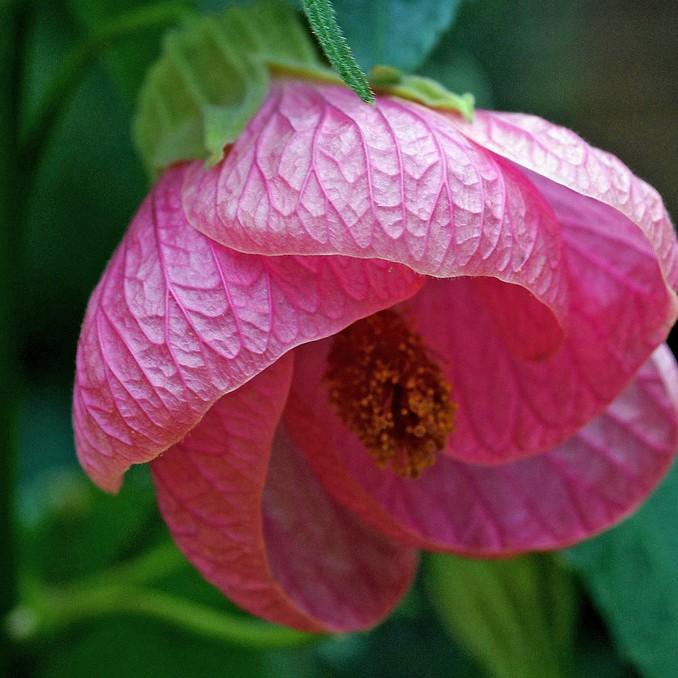
Chinese Lantern
Physalis alkekengi
Overview
Chinese Lantern is a rhizomatous perennial that spreads readily via underground roots, forming dense clumps in garden settings. Its small, white, bell-shaped summer flowers are unassuming, but they develop into the plant’s signature bright orange, inflated papery calyces by late summer, which persist into fall. As the husks dry, they become translucent, revealing the bright red, edible ripe berry inside.
Care Guide
Watering
Water Chinese Lantern regularly to keep soil consistently moist but not waterlogged, especially during hot, dry periods. Reduce watering in fall once the foliage begins to die back, and avoid overwatering in winter when the plant is dormant. Established plants have moderate drought tolerance, but consistent moisture supports better husk production.
Light
Grow Chinese Lantern in full sun for the most vibrant orange husk color and heaviest fruit production. It can tolerate partial shade, though growth may be leggier and husk production reduced. In extremely hot climates, light afternoon shade can prevent foliage scorch.
Soil
Chinese Lantern adapts to a wide range of soil types, including sandy, loam, and clay soils, as long as drainage is good to prevent root rot. It thrives in slightly acidic to neutral soil with a pH between 6.0 and 7.5. Amending poor soil with compost will support more vigorous growth.
Fertilizer
Fertilize sparingly in early spring with a balanced, all-purpose granular fertilizer, as excess nitrogen will promote lush foliage over flower and husk production. Avoid fertilizing after mid-summer, as this can encourage soft growth that is vulnerable to early frost damage. Potted specimens benefit from a diluted liquid fertilizer applied once every 4 to 6 weeks during the growing season.
Temperature
Chinese Lantern is extremely cold hardy, tolerating winter temperatures down to -40°F (-40°C) in USDA zones 3 through 9. It grows best in average summer temperatures between 60°F and 75°F (15°C to 24°C), and can tolerate short periods of higher heat if provided with adequate moisture. Freezing temperatures in fall will kill back above-ground foliage, but the root system will regrow the following spring.
Pruning
Prune back dead foliage to the ground in late fall or early spring to make room for new growth. Because it spreads aggressively via rhizomes, dig up and remove unwanted shoots annually to contain its spread and prevent it from overtaking other garden plants. Cut stems with mature orange husks in late summer for fresh or dried arrangements, as this will also help control spread.
Propagation
Chinese Lantern is most easily propagated by dividing rhizomes in early spring before new growth emerges, separating clumps into smaller sections with at least one growing bud each. It can also be grown from seed sown directly outdoors in fall, or started indoors 6 to 8 weeks before the last expected frost for spring planting. Seeds typically germinate in 2 to 4 weeks at temperatures between 65°F and 70°F (18°C to 21°C).
Humidity
Chinese Lantern tolerates a wide range of humidity levels, thriving in average outdoor humidity between 40% and 70%. It does not require extra humidity in most growing conditions, though extremely dry air may cause leaf edge browning during prolonged heatwaves. Good air circulation around the plant helps prevent fungal diseases in high-humidity environments.
Repotting
Potted Chinese Lantern should be repotted every 1 to 2 years in early spring, moving to a slightly larger pot with fresh, well-draining potting mix. Because it spreads aggressively, choose a deep pot to accommodate rhizome growth, or use a root barrier in mixed containers to prevent it from overtaking other plants. Trim back excess rhizomes during repotting to keep the plant contained and encourage healthy new growth.
Uses & Symbolism
The dried papery orange husks of Chinese Lantern are highly popular in dried floral arrangements, wreaths, and fall decor, retaining their bright color for months. Ripe, fully red berries are edible when cooked, used in jams, jellies, and sauces, though they must be fully ripe to avoid toxic solanine content. In traditional Chinese medicine, the plant has been used topically to treat inflammation and minor skin conditions, though internal use is not recommended without professional guidance.
Diseases & Pests
Chinese Lantern is relatively pest-resistant, but may be affected by common solanaceous pests including aphids, whiteflies, and spider mites, which can be controlled with insecticidal soap or neem oil. Fungal diseases such as powdery mildew and leaf spot may occur in overly wet, poorly ventilated conditions, which can be prevented by spacing plants for good air flow and avoiding overhead watering. Root rot can develop in waterlogged soil, so ensuring proper drainage is critical to long-term plant health.
Related plants
Other plants you might like if you grow Chinese Lantern.
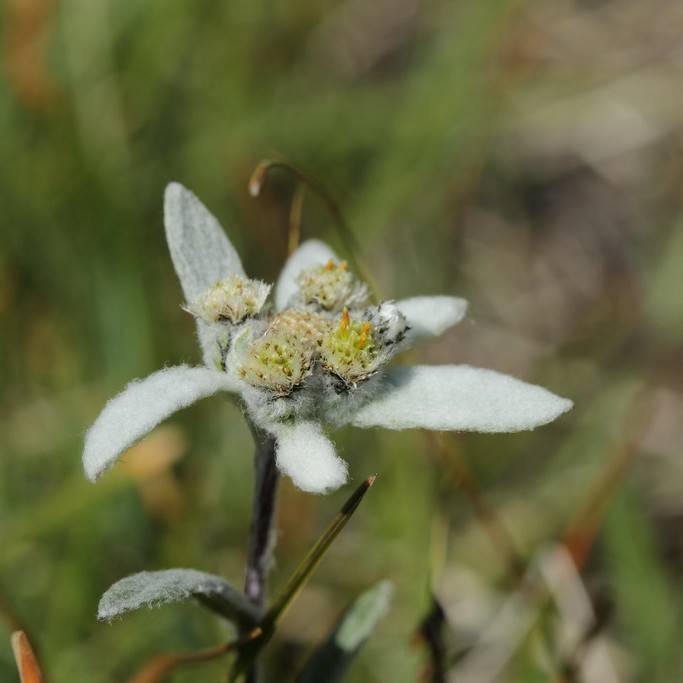
Edelweiss
Leontopodium alpinum
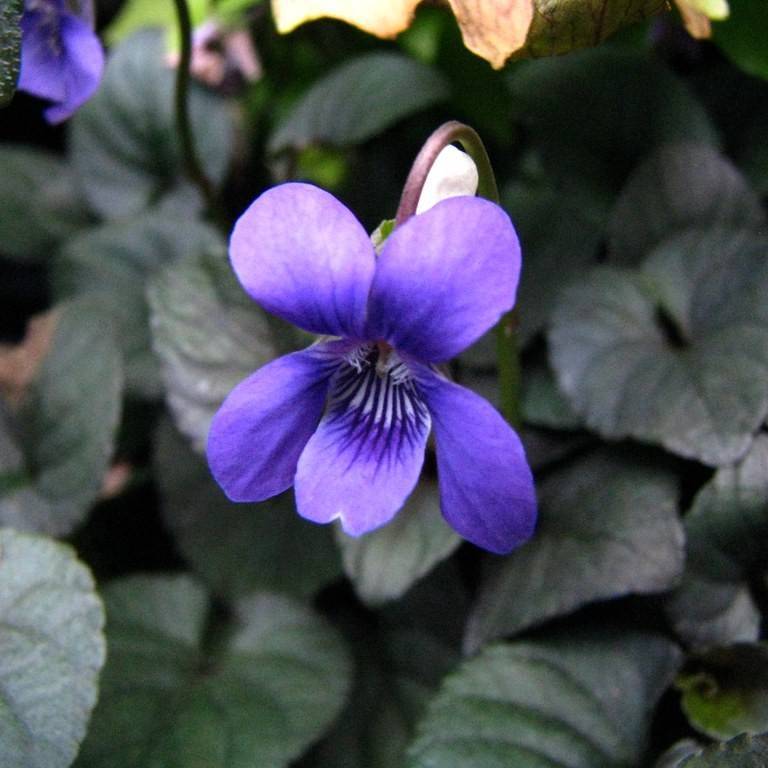
Labrador Violet
Viola labradorica
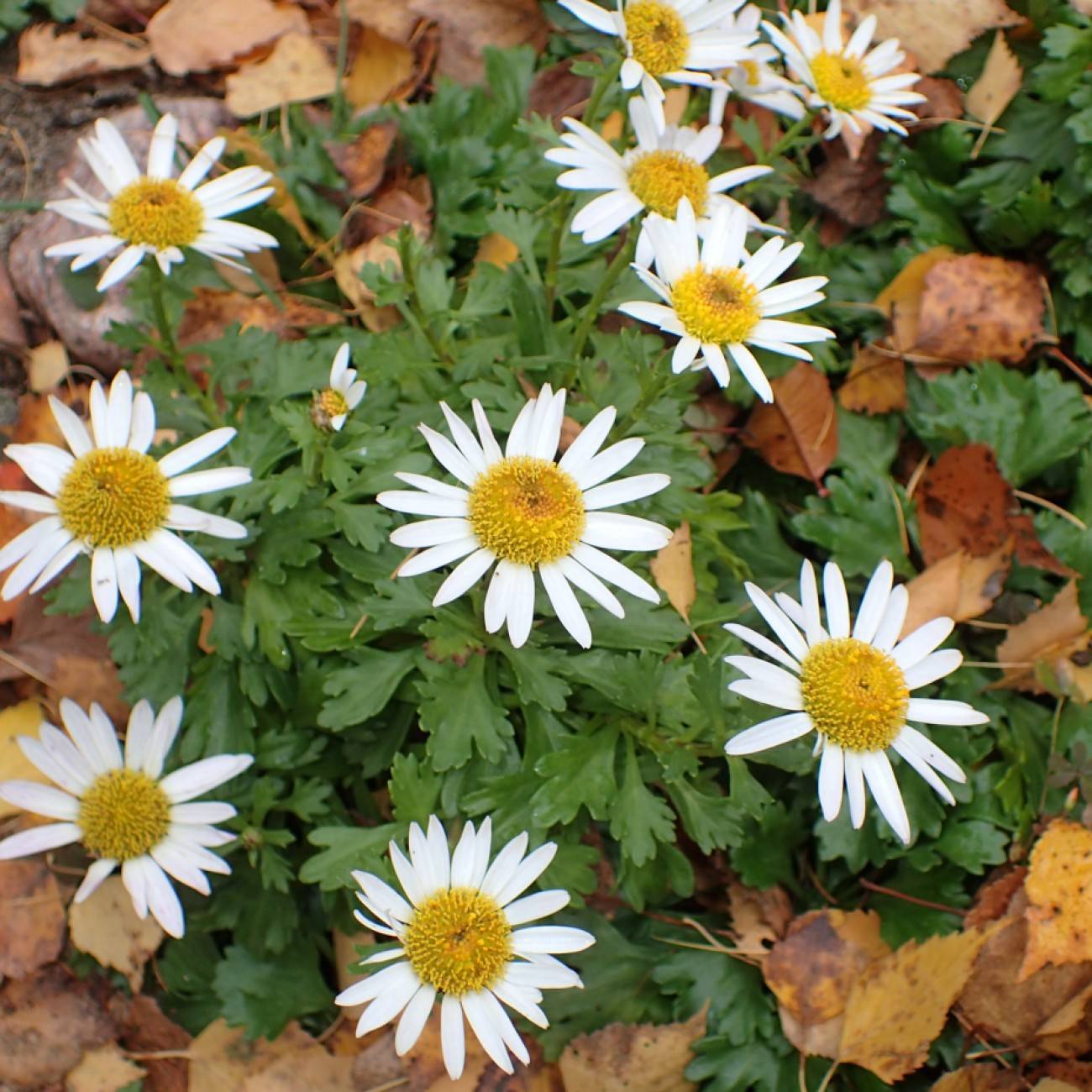
Arctic Daisy
Arctanthemum arcticum (syn. Chrysanthemum arcticum)
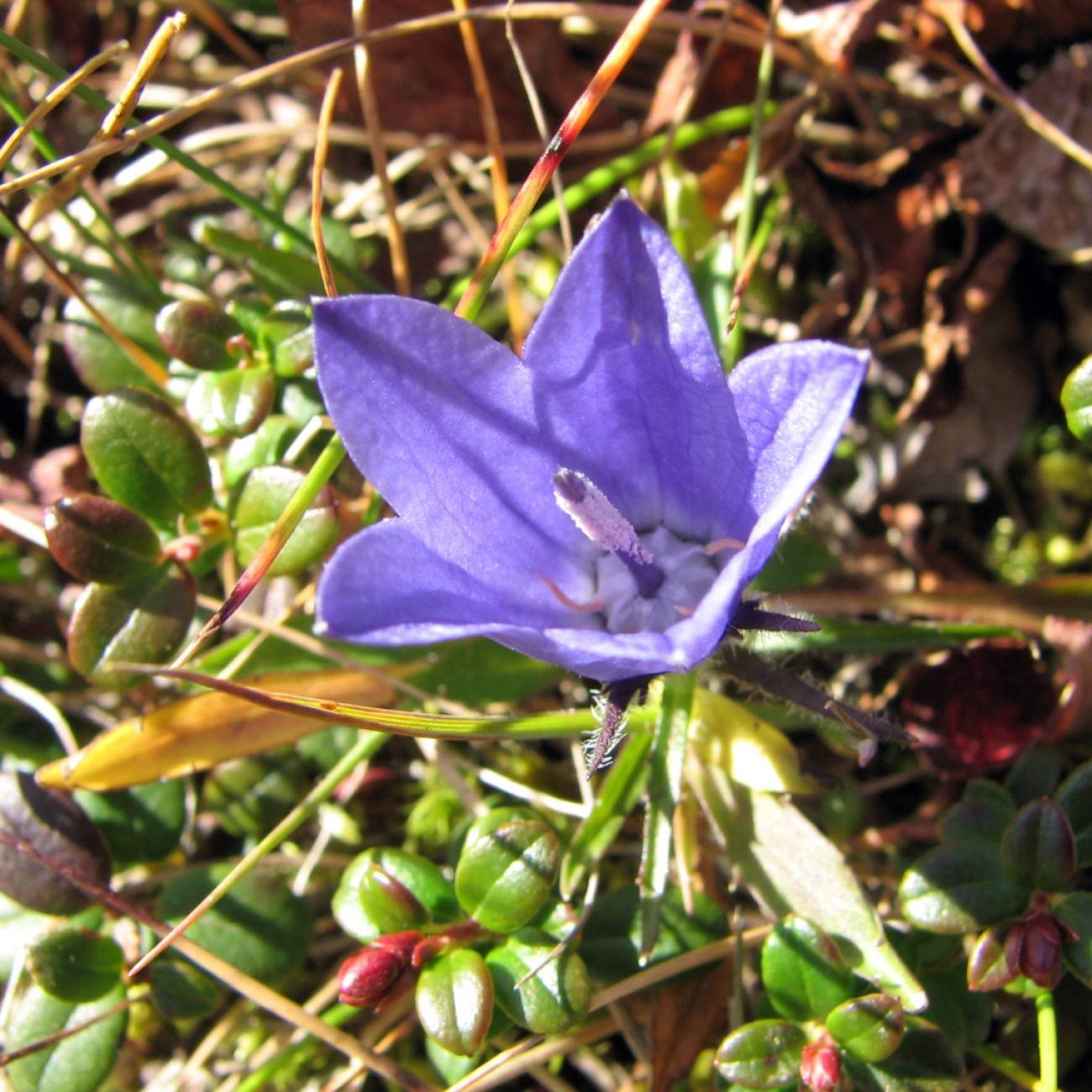
Alaska Bellflower
Campanula alaskana
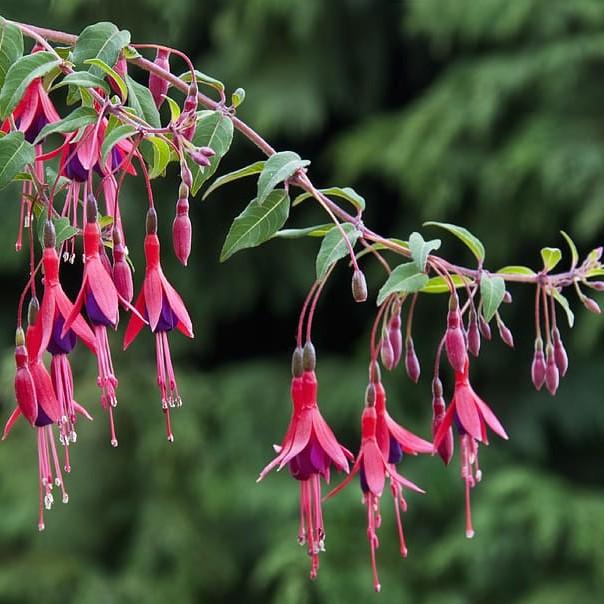
Hardy Fuchsia
Fuchsia magellanica
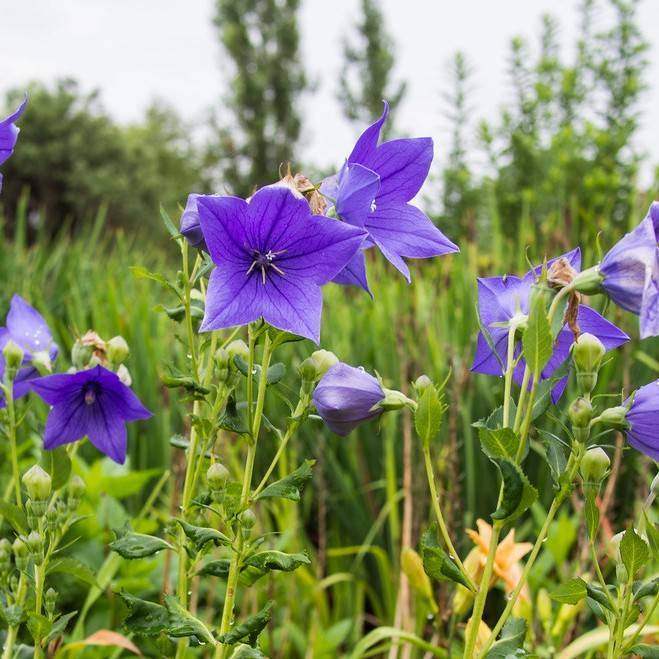
Balloon Flower
Platycodon grandiflorus
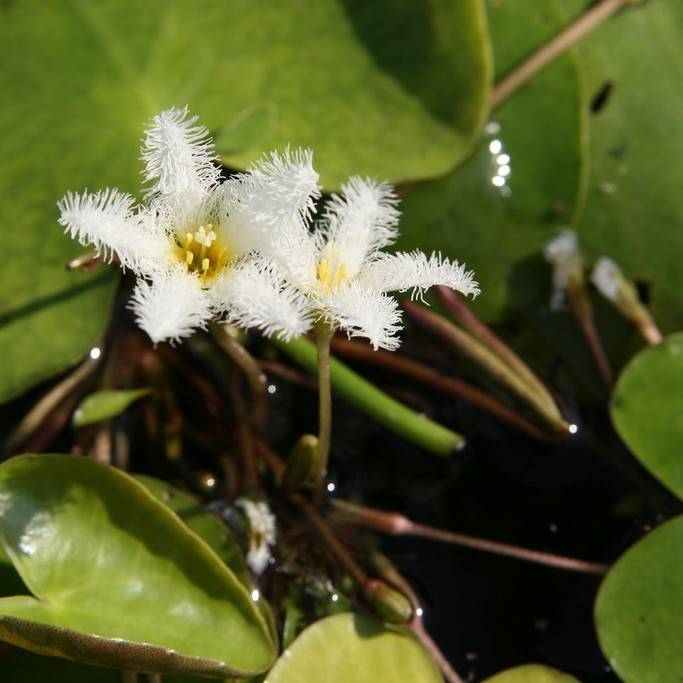
Crested Floatingheart
Nymphoides cristata
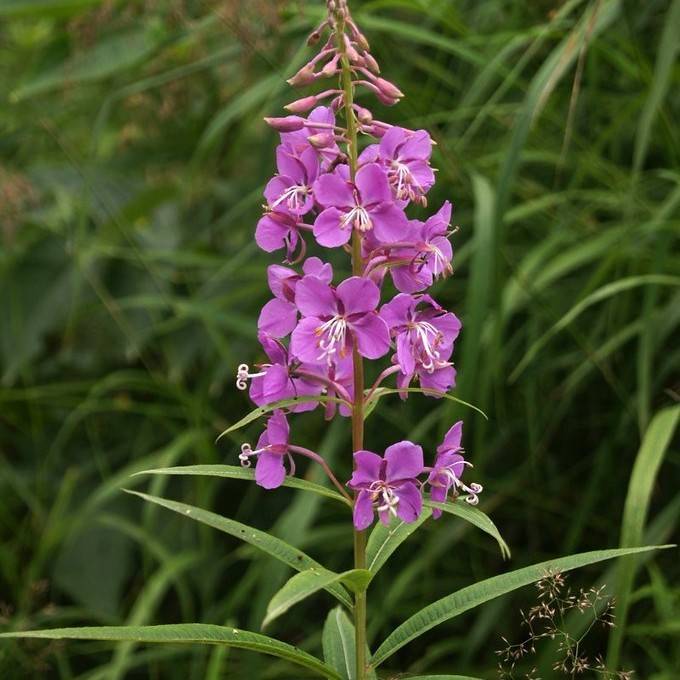
Hybrid Fireweed
Chamerion angustifolium 'Album' or interspecific Chamerion hybrids