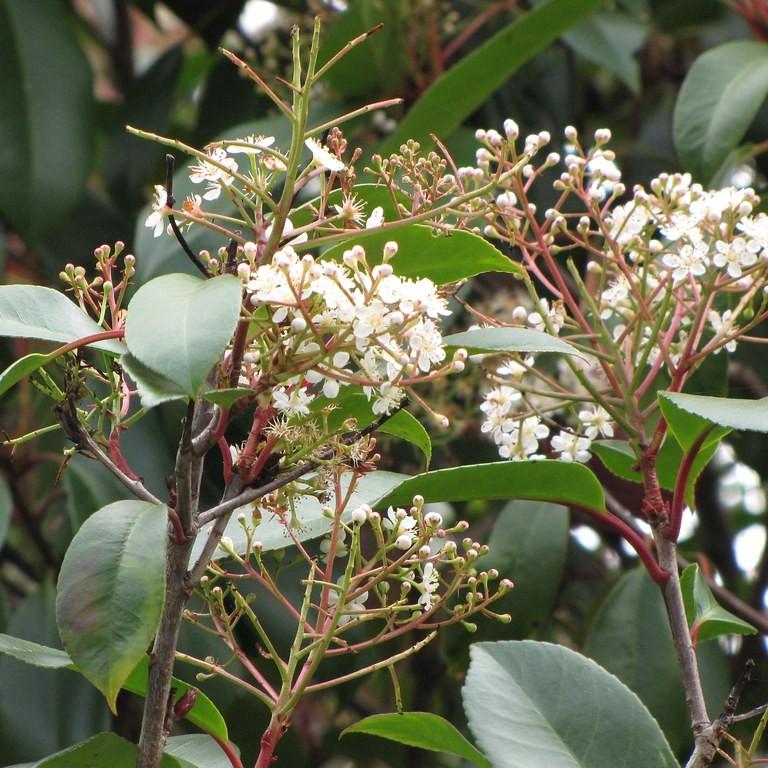
Chinese Hawthorn
Crataegus pinnatifida
Overview
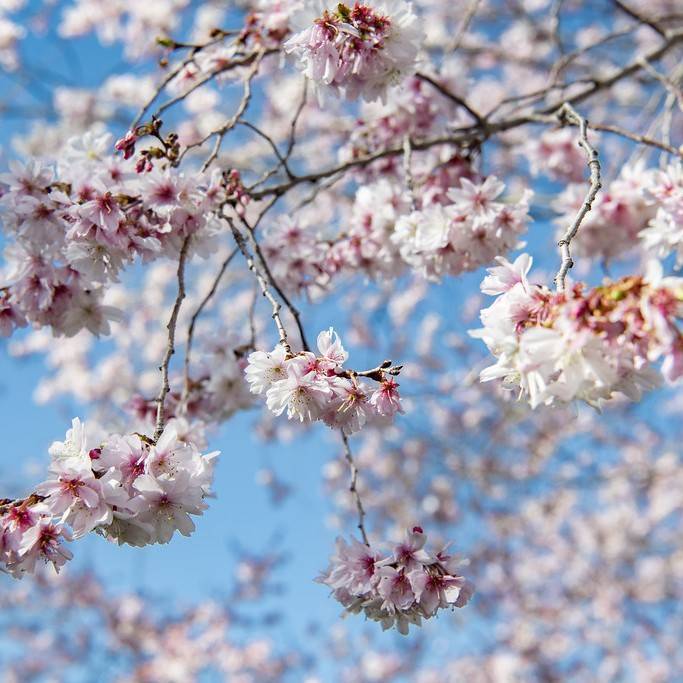
Chinese hawthorn is a cold-hardy deciduous tree with lobed, dark green leaves that turn warm yellow and red hues in autumn. It produces clusters of fragrant white flowers in spring, followed by bright red, apple-like 1–2 cm berries that ripen in late summer to early fall. Widely cultivated across temperate regions, it is both a productive fruit crop and a popular ornamental for its seasonal interest and tolerance of varied growing conditions.
Care Guide
Watering
Water young Chinese hawthorn trees deeply once per week during dry periods to establish a strong root system, reducing frequency to once every 10–14 days once mature. Avoid overwatering or allowing the root system to sit in standing water, as this can cause root rot; allow the top 2–3 inches of soil to dry out between waterings. During extended droughts, increase watering frequency to prevent fruit drop and leaf scorch.
Light
Grow Chinese hawthorn in full sun, defined as a minimum of 6 hours of direct, unfiltered sunlight per day, to support robust flowering, fruit production, and dense foliage growth. It can tolerate partial shade, but reduced light will result in sparser blooms, smaller fruit yields, and more leggy, open growth habit. Avoid planting in full shade, as this will severely limit fruiting and increase susceptibility to fungal diseases.
Soil
Chinese hawthorn adapts to a wide range of soil types, including loam, sandy loam, and even heavy clay, as long as the site has good drainage. It prefers a slightly acidic to neutral soil pH between 6.0 and 7.5, though it can tolerate mildly alkaline conditions up to pH 8.0. Amend heavy, poorly draining soils with compost or aged manure before planting to improve structure and reduce the risk of root rot.
Fertilizer
Feed established Chinese hawthorn trees once per year in early spring, just before new growth emerges, using a balanced slow-release 10-10-10 fertilizer formulated for fruit trees. Apply the fertilizer evenly around the dripline of the tree, avoiding direct contact with the trunk, and water thoroughly after application to help nutrients penetrate the root zone. Avoid fertilizing after mid-summer, as this can stimulate tender new growth that is vulnerable to damage from early fall frosts.
Temperature
Chinese hawthorn is extremely cold hardy, thriving in USDA hardiness zones 3 through 8, and can tolerate winter temperatures as low as -40°F (-40°C). It prefers temperate growing conditions with average summer temperatures between 60°F and 85°F (15°C to 29°C), and requires a minimum of 800–1000 chill hours below 45°F (7°C) during winter to trigger consistent spring flowering and fruit set. Extreme heat above 95°F (35°C) for extended periods can cause leaf scorch, so provide supplemental water during heatwaves to reduce stress.
Pruning
Prune Chinese hawthorn during late winter dormancy, before new buds break, to remove dead, damaged, or crossing branches that rub against each other and create entry points for pests and disease. Thin out crowded inner growth to improve air circulation and light penetration, which reduces fungal disease risk and supports more even fruit ripening. You can also prune to maintain a desired shape or size, as the tree responds well to hard pruning and can even be trained as a hedge.
Propagation
Chinese hawthorn is most commonly propagated from seed, though seeds require 3–4 months of cold stratification in moist, refrigerated conditions to break dormancy before sowing, and seedlings may take 5–8 years to produce fruit. For faster fruiting and to preserve specific cultivar traits, propagate via grafting onto compatible hawthorn rootstock in late winter or early spring, using scion wood from mature, high-yielding trees. Softwood cuttings taken in early summer can also root successfully if treated with rooting hormone and kept in a warm, humid environment until roots develop.
Humidity
Chinese hawthorn tolerates a wide range of humidity levels, growing well in both moderately dry and humid temperate climates, with ideal relative humidity between 40% and 70%. High humidity combined with poor air circulation can increase the risk of fungal diseases such as powdery mildew and leaf spot, so ensure the planting site has good airflow to reduce moisture buildup on foliage. It is highly tolerant of dry air once established, making it suitable for semi-arid regions with regular irrigation.
Repotting
If grown in a container, repot young Chinese hawthorn trees every 2–3 years in early spring before new growth begins, using a well-draining potting mix amended with compost to support healthy root growth. Choose a pot that is 2–3 inches larger in diameter than the current container, with multiple drainage holes to prevent waterlogging. Mature container-grown specimens can be repotted every 4–5 years, with annual top-dressing of fresh compost in years when repotting is not performed.
Uses & Symbolism
The tart, nutrient-dense berries of Chinese hawthorn are a staple in traditional Chinese cuisine, used to make tanghulu (candied fruit on skewers), hawthorn flakes, jams, wines, and sweet-sour sauces. In traditional Chinese medicine, the berries are used to aid digestion, improve blood circulation, and support cardiovascular health, with modern research confirming they contain antioxidant and anti-inflammatory compounds. It is also planted as an ornamental landscape tree for its showy spring flowers, vibrant fall foliage, and persistent red fruit that provides food for songbirds in winter.
Diseases & Pests
Fungal diseases such as powdery mildew, leaf spot, and fire blight are the most common issues for Chinese hawthorn, especially in humid, poorly ventilated growing conditions. Fire blight, a bacterial disease, causes blackened, scorched-looking branches and can kill entire sections of the tree if left untreated, requiring prompt pruning of infected tissue. Root rot can occur in waterlogged, poorly draining soils, leading to yellowing leaves, wilting, and eventual tree death if drainage is not improved.
Related plants
Other plants you might like if you grow Chinese Hawthorn.