Chinese Creeping Lobelia
Lobelia chinensis
Overview
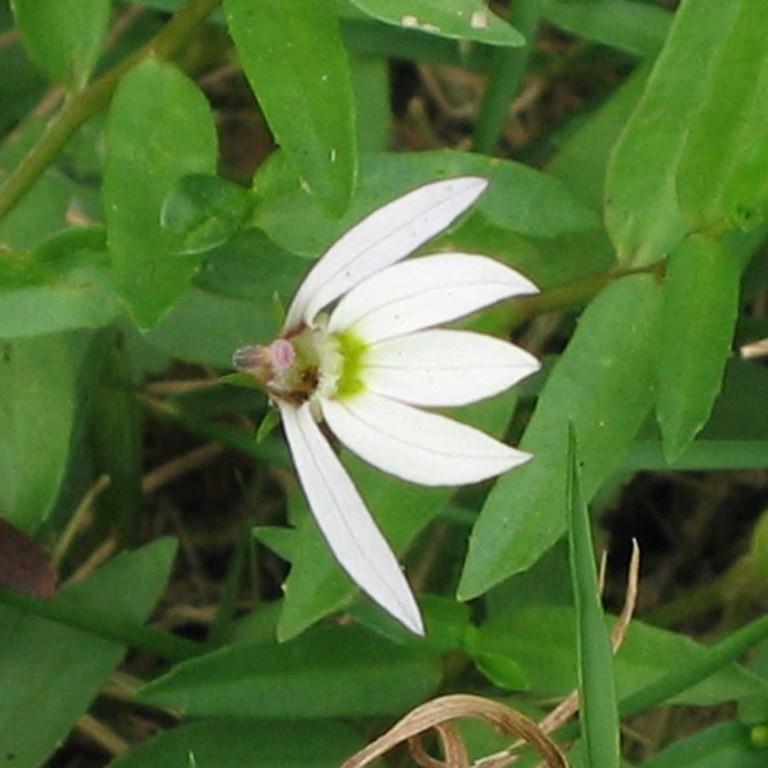
Chinese Creeping Lobelia is a mat-forming herbaceous perennial that spreads via creeping stems that root at the nodes as they grow across the soil surface. It produces tiny, five-lobed, pale lavender to white flowers from late spring to early fall, adding subtle color to shaded garden spots. It is widely recognized in traditional Chinese medicine, where it is called "ban bian lian" and used to address inflammation, edema, and minor infections, though clinical evidence for these uses remains limited. In cultivated settings, it is often grown as a ground cover in bog gardens, around water features, or in shaded rock gardens.
Care Guide
Watering
Keep soil consistently moist to wet at all times, as Chinese Creeping Lobelia thrives in damp conditions and does not tolerate drought. Water frequently during warm, dry periods to prevent the soil from drying out, and avoid letting the root ball desiccate even for short periods. If grown in containers, ensure pots have drainage holes to prevent standing water that may lead to root rot, even though the plant prefers wet conditions.
Light
Grow best in partial to full shade, with dappled sunlight throughout the day being ideal for optimal growth and flowering. It can tolerate a few hours of direct morning sun, but harsh midday or afternoon sun will scorch its delicate leaves and cause wilting. In low-light indoor settings, supplement with grow lights to maintain healthy foliage if natural light is insufficient.
Soil
Prefers rich, humusy, well-draining soil that retains moisture well, with a slightly acidic to neutral pH range of 5.5 to 7.0. Amending planting sites with compost, leaf mold, or well-rotted manure will improve soil fertility and water retention, supporting vigorous spreading. Avoid sandy, fast-draining soils that dry out quickly, as these will stunt growth and cause the plant to decline.
Fertilizer
Feed with a balanced, diluted liquid fertilizer once every 4 to 6 weeks during the active growing season from spring to early fall. Avoid over-fertilizing, as excess nitrogen will encourage excessive foliage growth at the expense of flowering and may make the plant more susceptible to pest infestations. No fertilizer is needed during the dormant winter months, when growth slows significantly.
Temperature
Thrives in moderate temperatures between 60-75°F (15-24°C), and is winter hardy in USDA zones 5 to 9, tolerating short periods of frost down to -20°F (-29°C) when planted in the ground. In regions with colder winters, provide a thick layer of mulch over the root zone in late fall to insulate the plant from extreme temperature fluctuations. If grown indoors, keep it away from cold drafts and heating vents that can dry out its foliage.
Pruning
Trim back overgrown or straggly stems in early spring to encourage dense, compact new growth and maintain the desired mat shape. Remove spent flower stems throughout the blooming season to promote continuous flowering and prevent the plant from self-seeding excessively in garden beds. If grown as a ground cover, edge the planting area regularly to prevent it from spreading into unwanted parts of the garden.
Propagation
Easiest to propagate via division in early spring, by separating rooted sections of the creeping stems and replanting them in prepared moist soil. Stem cuttings can also be taken in late spring or early summer, rooting readily in damp potting mix within 2 to 3 weeks when kept in warm, shaded conditions. It can be grown from seed sown on the surface of moist soil in spring, as light is required for germination, but seed-grown plants take longer to reach mature size than vegetatively propagated specimens.
Humidity
Prefers moderate to high humidity levels between 50% and 70%, typical of its native damp, shaded forest and riparian habitats. If grown indoors in dry environments, mist the foliage regularly or place the pot on a tray filled with pebbles and water to increase ambient humidity around the plant. Avoid placing it near dry air sources like space heaters or air conditioners, which can cause leaf browning and wilting.
Repotting
Container-grown Chinese Creeping Lobelia should be repotted every 1 to 2 years in early spring, before new growth begins, to refresh the soil and accommodate spreading root systems. Choose a pot that is 1 to 2 inches wider than the current container, with adequate drainage holes to prevent waterlogging. Gently loosen the root ball when repotting, and trim any damaged or rotting roots before placing it in fresh, humus-rich potting mix.
Uses & Symbolism
In traditional Chinese medicine, the whole dried plant is used in herbal preparations to treat snake bites, insect stings, edema, and urinary tract infections, though these uses are not approved by regulatory bodies for clinical use without further research. Horticulturally, it is used as a fast-spreading ground cover for shaded, moist areas, bog gardens, water feature edges, and hanging baskets, where its trailing stems and delicate flowers add soft texture. It is also sometimes grown as a low-maintenance houseplant in bright, indirect light, valued for its trailing growth habit and tolerance of damp conditions.
Diseases & Pests
Chinese Creeping Lobelia is relatively pest-resistant, but may be susceptible to aphids, spider mites, and whiteflies, especially when grown in warm, dry indoor conditions or overly crowded plantings. Overly saturated soil with poor drainage can lead to root rot and fungal leaf spots, which can be prevented by avoiding overwatering and ensuring good air circulation around the plant. Slugs and snails may feed on its tender young foliage in damp outdoor garden settings, especially during cool, wet spring and fall weather.
Related plants
Other plants you might like if you grow Chinese Creeping Lobelia.