Checkerbloom
Sidalcea malviflora
Overview
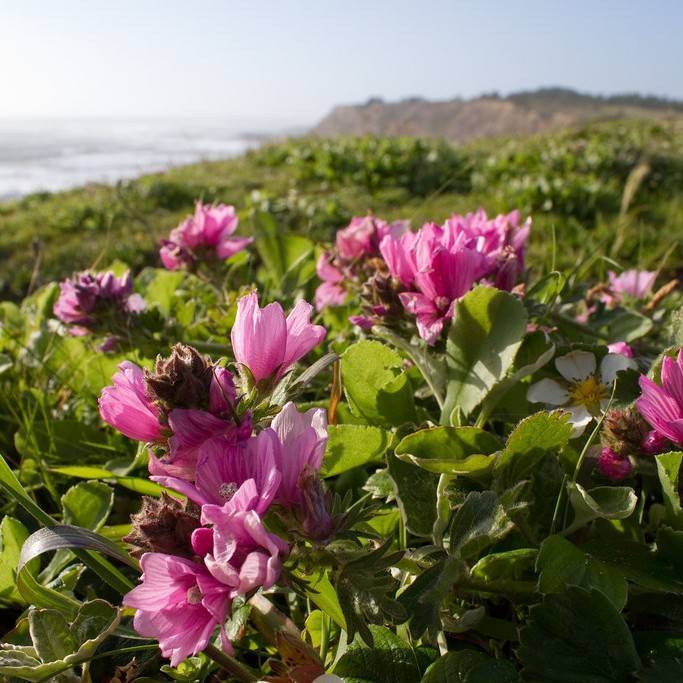
Checkerbloom is a herbaceous perennial native to meadows, grasslands, and open woodlands of the western U.S. and Canada. It produces upright spikes of soft pink, five-petaled flowers that resemble miniature hollyhocks, rising above clumps of rounded, lobed basal foliage. The plant gets its common name from the faint, checkered pattern sometimes visible on its flower petals, and it is a popular low-maintenance addition to native and wildlife gardens.
Care Guide
Watering
Water checkerbloom regularly during its first growing season to establish a deep, extensive root system, keeping soil consistently moist but not waterlogged. Once established, it is moderately drought tolerant, requiring supplemental water only during extended periods of hot, dry weather. Avoid overwatering in winter, as soggy cold soil can cause root rot.
Light
Checkerbloom thrives in full sun, receiving at least 6 hours of direct sunlight per day for the most abundant and sturdy flower spikes. It can tolerate light partial shade, particularly in regions with intense summer heat, though flowering may be reduced and stems may become leggy in too much shade. Plant in an open, unobstructed spot to maximize light exposure and air circulation around foliage.
Soil
This adaptable plant grows best in well-drained, loamy or sandy soil with a neutral to slightly acidic pH range of 6.0 to 7.5. It can tolerate poor, gravelly soils as long as drainage is adequate, and it does not perform well in heavy, compacted clay soils that hold excess moisture. Amend heavy soils with compost or coarse sand before planting to improve drainage and soil structure.
Fertilizer
Checkerbloom has low nutrient needs and generally thrives without regular fertilization, especially when grown in native soil with moderate organic content. If growth is poor or flowering is sparse, apply a balanced, slow-release 10-10-10 fertilizer in early spring just as new growth emerges, taking care not to overfertilize which can lead to excessive foliage growth and weak stems. Avoid applying high-nitrogen fertilizers, as they will prioritize leaf production over flower development.
Temperature
Checkerbloom is well-adapted to temperate climates, hardy in USDA zones 5 through 9, tolerating winter lows down to -20°F (-29°C). It prefers moderate summer temperatures between 60 and 80°F (15 and 27°C), and may go dormant early if exposed to extended periods of temperatures above 90°F (32°C) without supplemental water. Mild frost in fall will kill back above-ground foliage, which can be left in place to protect the root crown over winter.
Pruning
Prune back spent flower spikes by one-third to one-half of their height after the first flush of blooms to encourage a second, smaller round of flowering later in the season. In late fall or early winter, after foliage has died back completely, cut all stems down to 1 to 2 inches above the soil line to make way for new spring growth. Remove any yellowed or damaged foliage throughout the growing season to improve air circulation and reduce the risk of fungal disease.
Propagation
Checkerbloom is most easily propagated by seed, which can be sown directly outdoors in fall or cold-stratified for 30 days and sown in spring after the last frost date. Mature clumps can also be divided in early spring just as new growth emerges, carefully separating the root mass into smaller sections each with several healthy shoots and a portion of the root system. Take basal stem cuttings in early spring from healthy, young shoots, rooting them in moist, well-drained potting mix under indirect light.
Humidity
Checkerbloom prefers average ambient humidity levels between 40 and 60%, typical of its native meadow and grassland habitats. It tolerates low humidity well as long as soil moisture is adequate, and high humidity is generally not a problem provided there is good air circulation around the foliage. Avoid planting in overly humid, enclosed spaces with poor air flow, as this increases the risk of fungal leaf spot and powdery mildew.
Repotting
Checkerbloom is primarily grown in garden beds rather than containers, but if potted, repot every 2 to 3 years in early spring before new growth begins. Choose a container with drainage holes at least 2 inches larger in diameter than the previous pot, using a well-drained potting mix amended with coarse sand or perlite to improve drainage. Gently loosen the root ball when repotting to encourage new root growth, and water thoroughly after planting to settle the soil around the roots.
Uses & Symbolism
Checkerbloom is a popular addition to native wildflower gardens, pollinator gardens, and cottage borders, where its bright pink flowers attract bees, butterflies, and hummingbirds throughout the blooming season. It works well as a cut flower, with sturdy stems and long-lasting blooms that hold up well in floral arrangements. Some Indigenous communities of the Pacific Northwest historically used parts of the plant for medicinal purposes, including treating minor skin irritations and digestive issues.
Diseases & Pests
Checkerbloom is relatively pest and disease resistant, but can be susceptible to common mallow family issues including powdery mildew, which appears as a white, powdery coating on foliage during periods of high humidity and poor air circulation. Rust fungal spots may also develop on leaves in wet, cool conditions, which can be managed by removing affected foliage and avoiding overhead watering. Aphids and Japanese beetles may occasionally feed on new growth and flower buds, which can be controlled with insecticidal soap or manual removal.
Related plants
Other plants you might like if you grow Checkerbloom.