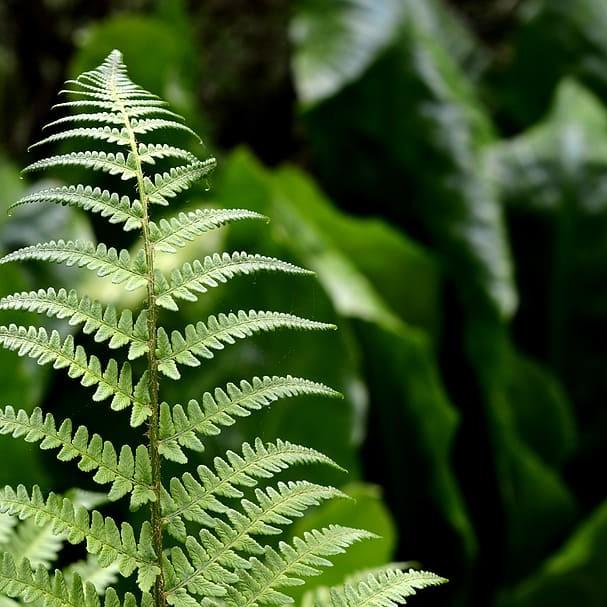
Beech Fern
Phegopteris connectilis
Overview
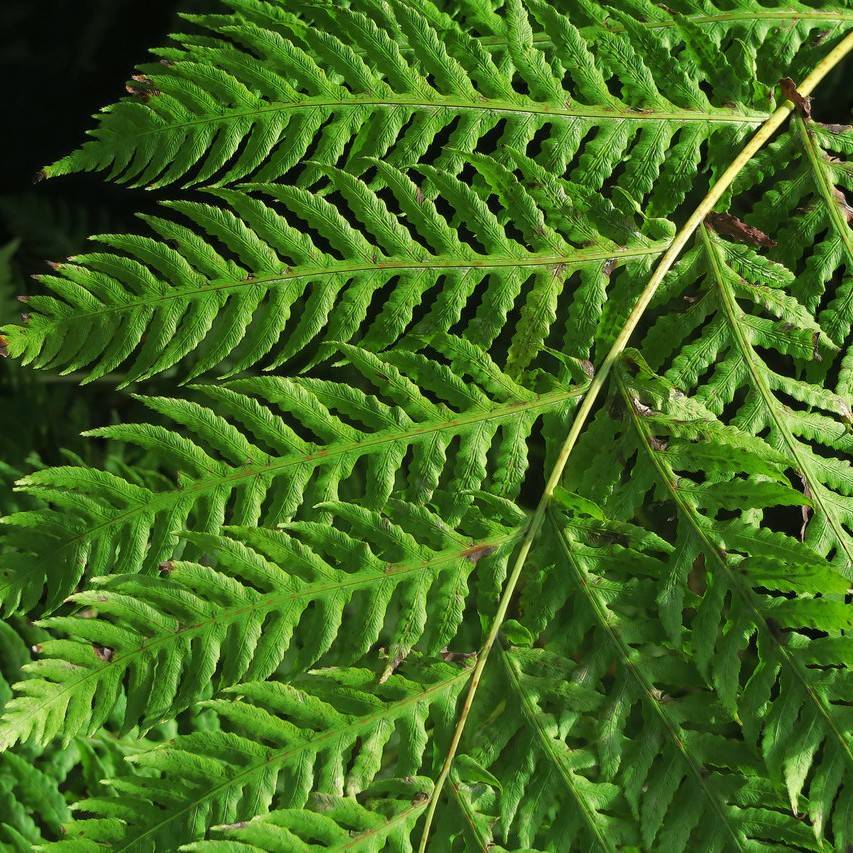
Beech fern is a low-growing, deciduous fern recognized by its soft, light green, triangular fronds that taper to a point, with deeply lobed leaflets that give the plant a lacy, airy appearance. Unlike many fern species, it does not produce scaly rhizomes, instead spreading slowly via slender, creeping rhizomes to form loose, non-aggressive clumps. It is named for its frequent occurrence in beech tree forests across its native range, where it grows in the dappled shade of deciduous canopies. It is valued in cultivation for its tolerance of cooler conditions and more alkaline soils than many other fern varieties.
Care Guide
Watering
Beech fern requires consistently moist, well-drained soil that never dries out completely; water deeply whenever the top 1 inch of soil feels dry to the touch, reducing frequency slightly during its dormant winter period. Avoid overwatering that leaves soil soggy, as this can cause rhizome rot, and use room-temperature, chlorine-free water if possible to prevent leaf tip browning.
Light
This fern thrives in partial to full shade, preferring dappled, indirect light similar to the filtered sunlight of its native woodland habitat. It can tolerate short periods of early morning direct sun, but harsh midday or afternoon sun will scorch its delicate fronds, causing yellowing or browning of leaf edges.
Soil
Plant beech fern in rich, humusy, well-drained soil with a neutral to slightly alkaline pH, a unique tolerance that sets it apart from most acid-loving fern species. Amend heavy clay or sandy soils with generous amounts of compost, leaf mold, or well-rotted manure to improve moisture retention and nutrient content before planting.
Fertilizer
Beech fern has low nutrient needs, requiring only a single application of balanced, slow-release, all-purpose fertilizer in early spring as new fronds begin to emerge. Avoid over-fertilizing, as excess nitrogen can cause lush, weak growth that is more susceptible to pest damage and leaf scorch; do not apply fertilizer during the dormant winter months.
Temperature
This cool-loving fern grows best in temperatures between 55-75°F (13-24°C), and is hardy to USDA zones 3-7, tolerating winter temperatures as low as -40°F (-40°C) when planted outdoors. It does not tolerate high heat and humidity well, so in warmer regions, plant it in the deepest possible shade and ensure consistent moisture to prevent stress.
Pruning
Prune away dead, yellowed, or damaged fronds at the base in late winter or early spring before new growth emerges to improve air circulation and encourage fresh, healthy frond development. Remove any fronds that show signs of disease or pest infestation immediately to prevent spread to healthy parts of the plant.
Propagation
Beech fern is most easily propagated by division in early spring just as new growth begins to appear; carefully dig up established clumps, separate the rhizomes into sections with at least 2-3 healthy frond buds each, and replant immediately at the same depth as the parent plant. It can also be grown from spores collected from mature fronds in late summer, though this method is slower and less reliable for home gardeners.
Humidity
Beech fern prefers moderate to high humidity levels between 50-70%, similar to the moist air of its native woodland environments. If grown indoors, increase humidity by placing the pot on a tray filled with pebbles and water, grouping it with other humidity-loving plants, or using a small room humidifier, as dry air will cause leaf tips to turn brown and crisp.
Repotting
When grown in containers, repot beech fern every 2-3 years in early spring before new growth starts, moving it to a pot one size larger with fresh, humusy potting mix. Ensure the pot has adequate drainage holes to prevent waterlogging, and plant it at the same depth it was growing in its previous container to avoid rhizome rot.
Uses & Symbolism
Beech fern is widely used as a low ground cover in shaded woodland gardens, native plant landscapes, and rain gardens, where its lacy fronds provide soft texture next to hostas, astilbes, and other shade-loving perennials. It is also occasionally grown as a houseplant in cool, bright indirect light areas of the home, adding a delicate, natural touch to shaded indoor spaces. Historically, some Indigenous North American communities used small amounts of the plant topically for minor skin irritations, though it has no widespread modern culinary or medicinal uses.
Diseases & Pests
Beech fern is relatively pest and disease resistant when grown in its preferred conditions, but can be susceptible to fungal issues like rust, leaf spot, and rhizome rot if kept in overly soggy soil or poor air circulation. Common pests include aphids, spider mites, and fern scale, which can be controlled with regular rinsing of fronds, neem oil applications, or insecticidal soap for more severe infestations. Slugs and snails may also feed on young, tender fronds in damp outdoor conditions, so use physical barriers or organic slug bait to protect new growth in high-risk areas.
Related plants
Other plants you might like if you grow Beech Fern.
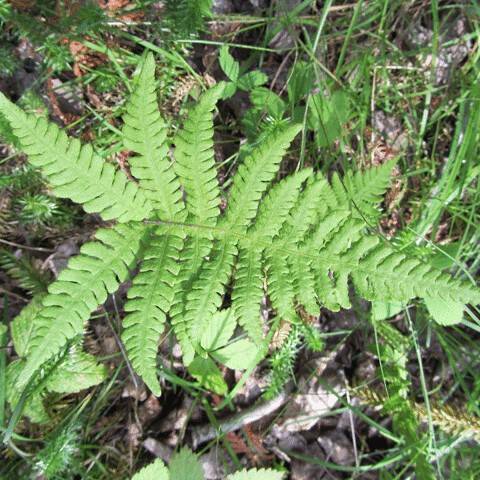
Broad Beech Fern
Phegopteris hexagonoptera
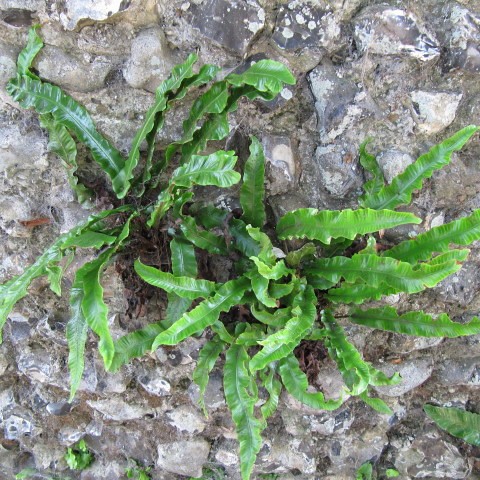
European Hart's Tongue Fern
Asplenium scolopendrium
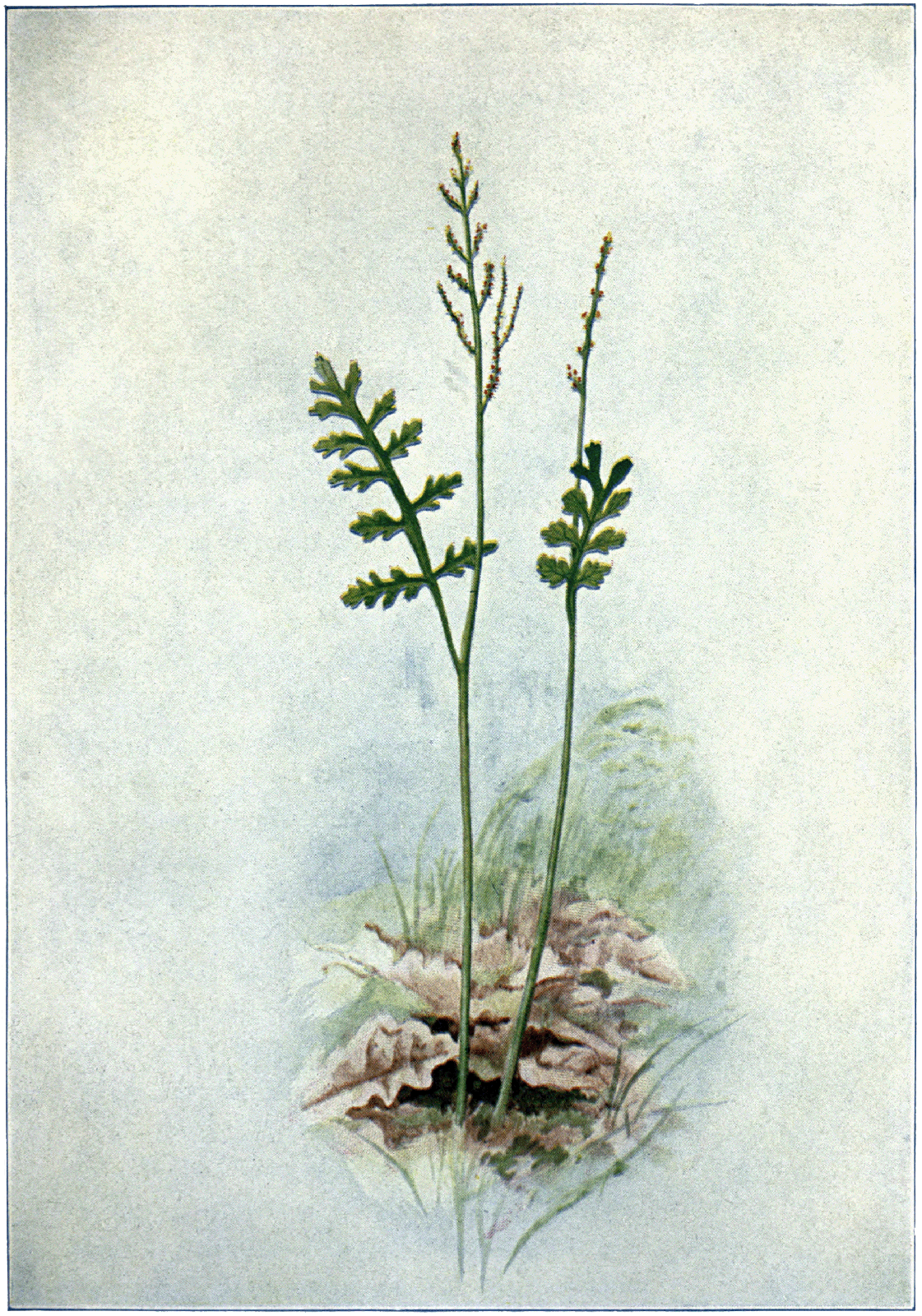
Chamomile Grape Fern
Botrychium matricariifolium
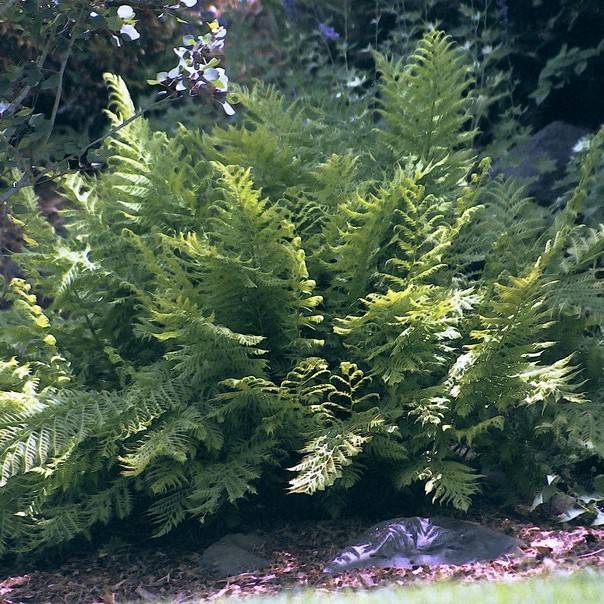
American Alpine Lady Fern
Athyrium americanum
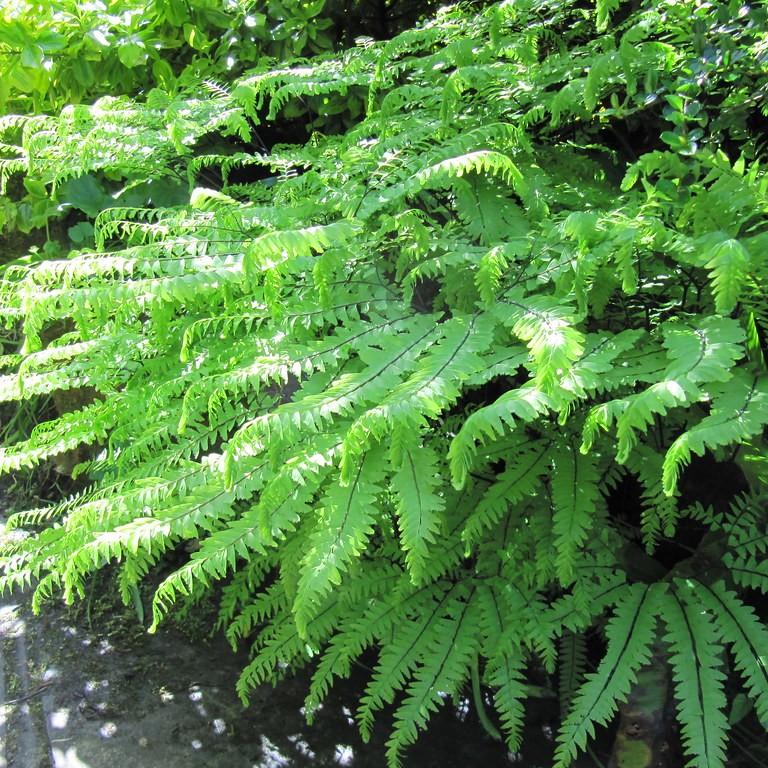
Dwarf Coastal Maidenhair Fern
Adiantum aleuticum 'Subpumilum'
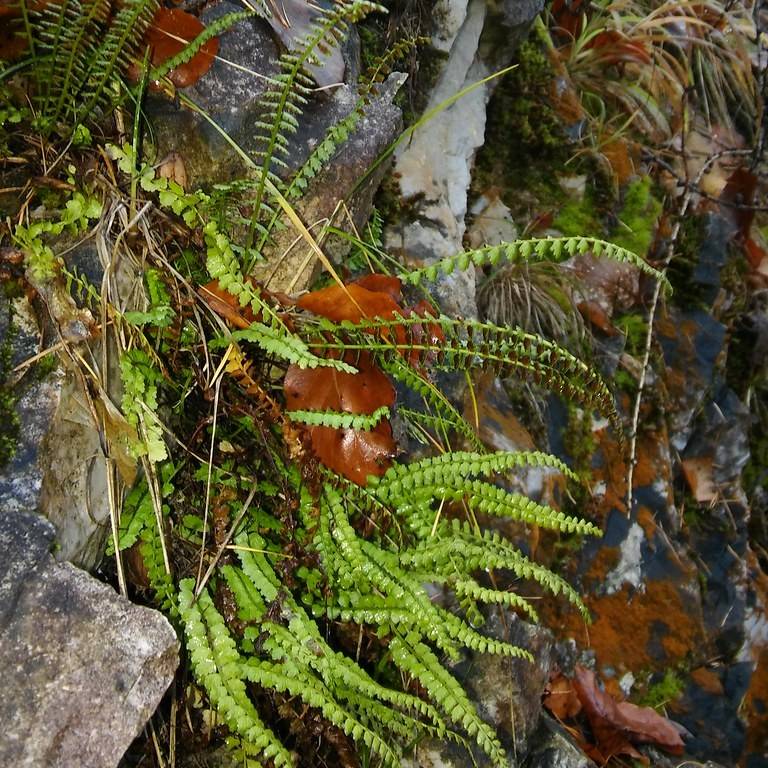
Green Spleenwort
Asplenium viride
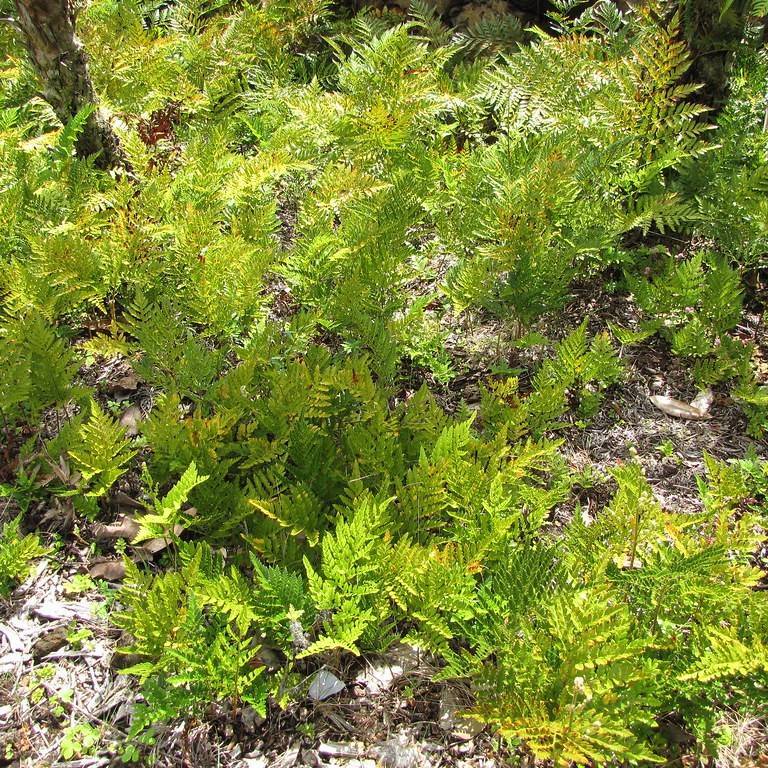
Leather Fern
Rumohra adiantiformis
Giant Chain Fern
Woodwardia fimbriata