Chaffy Sedge
Carex paleacea
Overview
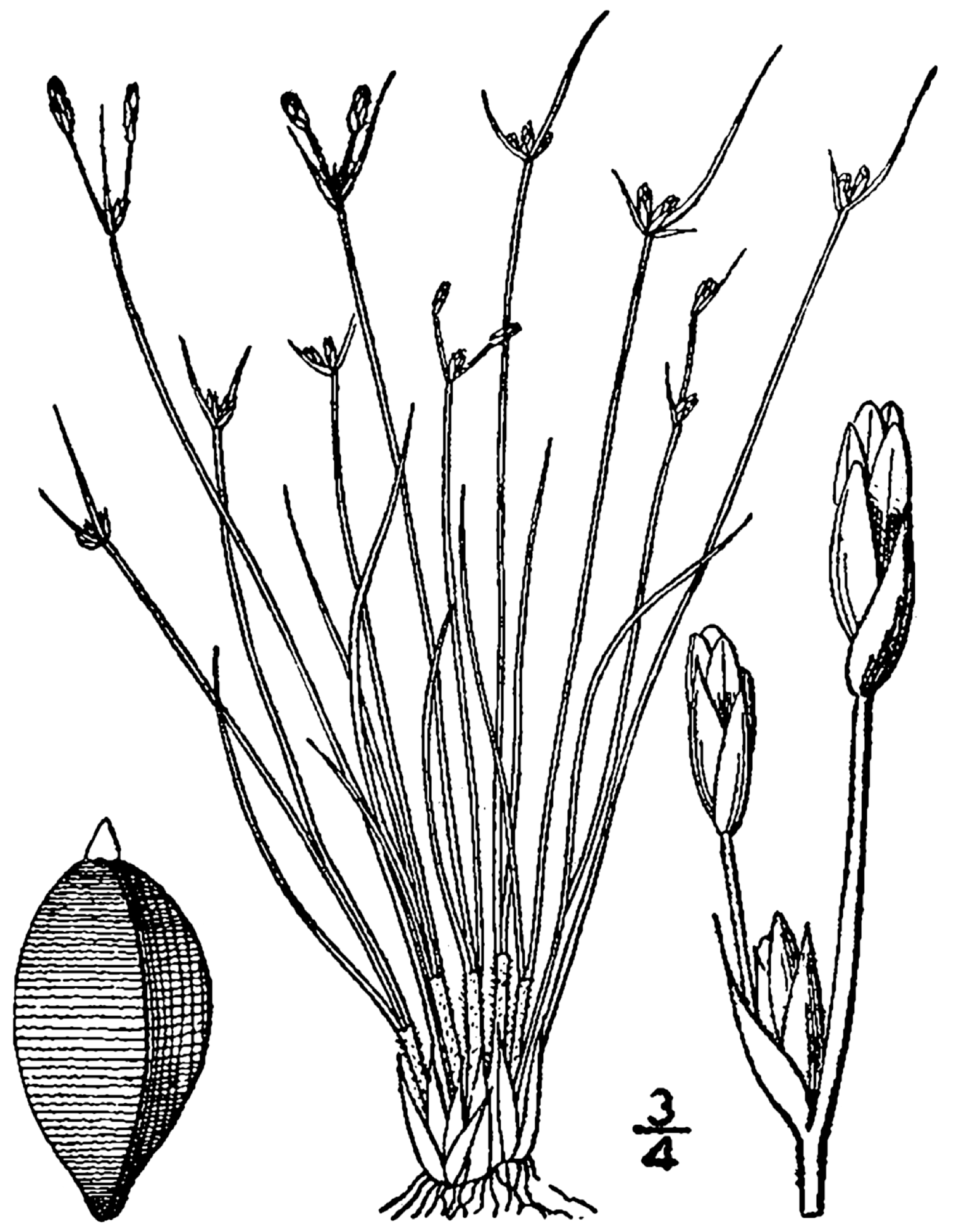
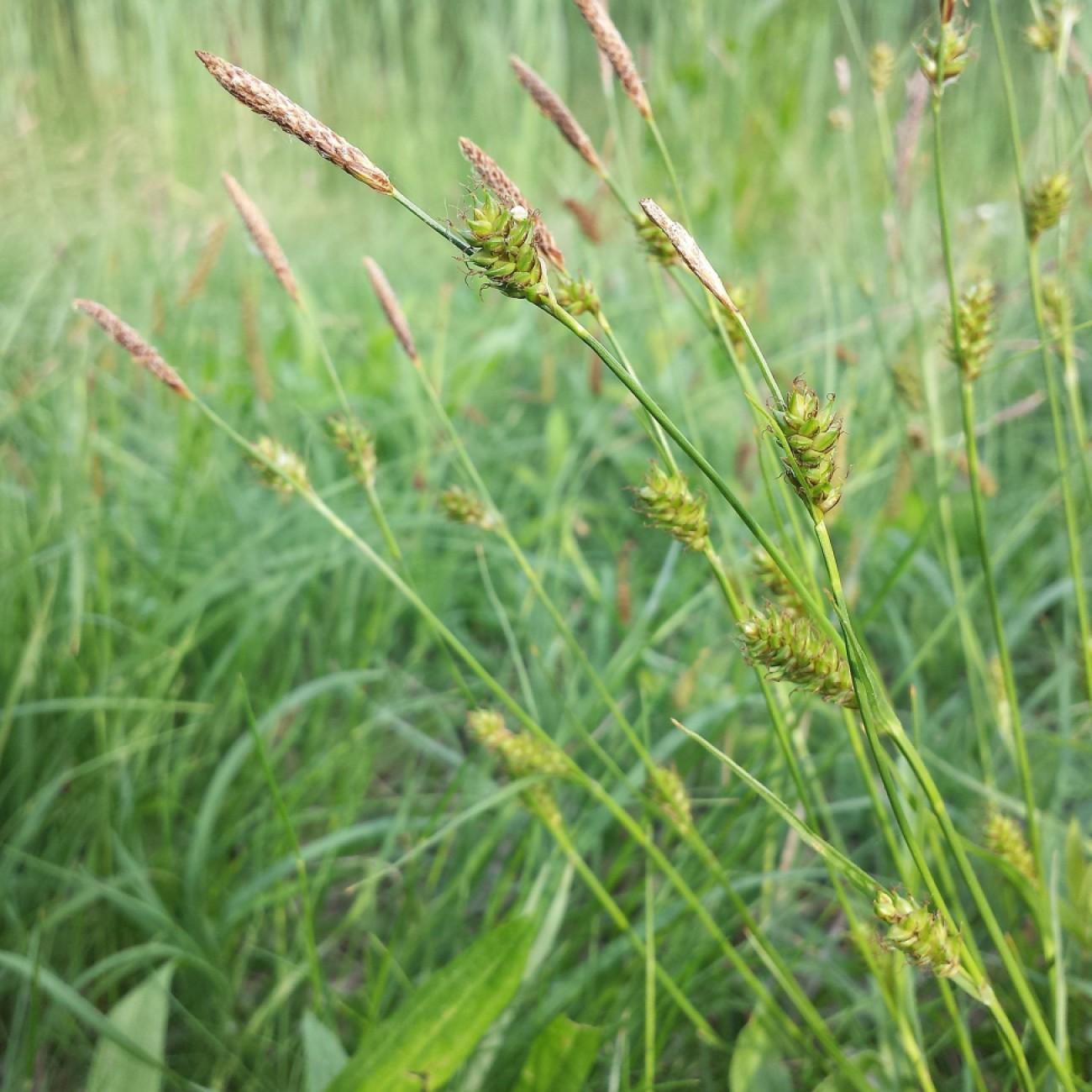
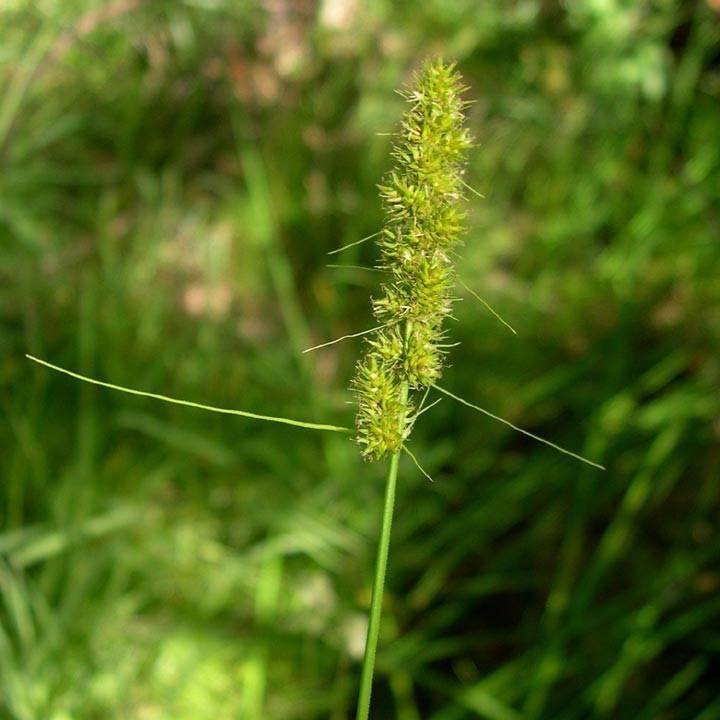
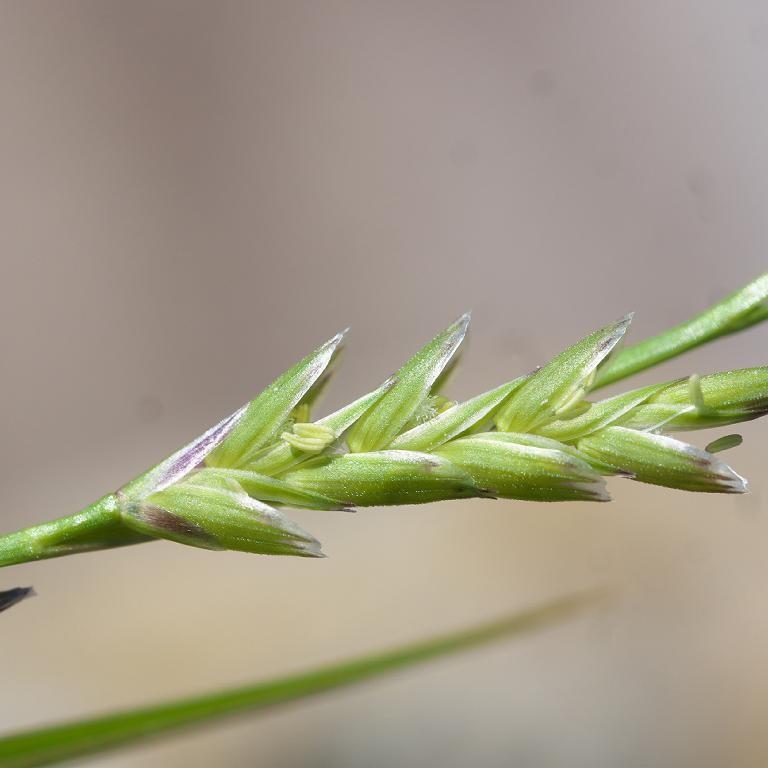
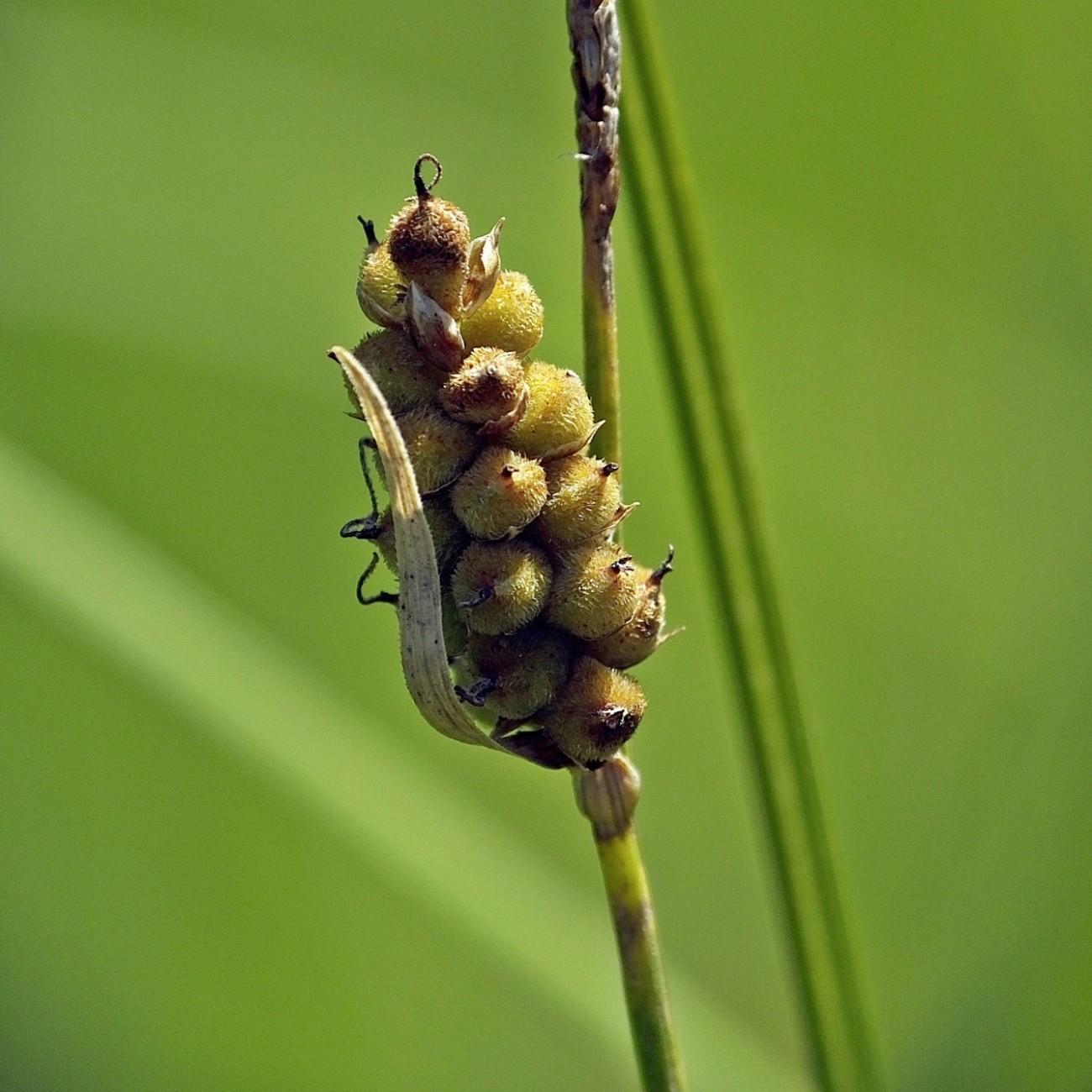
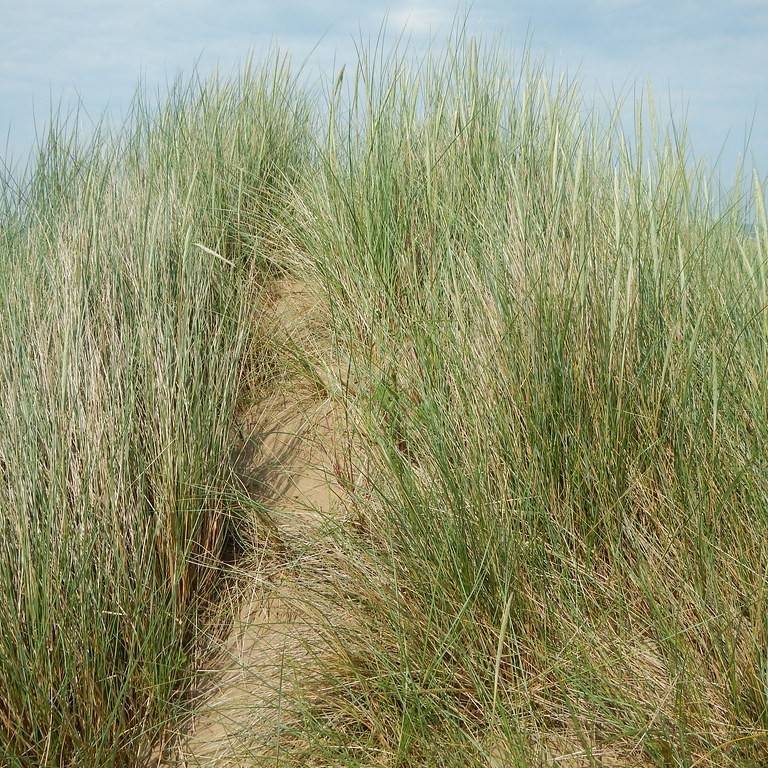
Chaffy sedge is a robust, clump-forming wetland graminoid distinguished by its long, bright green linear leaves and distinctive spikelets covered in papery, chaffy tan bracts that appear during the growing season. It thrives in coastal habitats including salt marshes, dune swales, and brackish shorelines, where its dense root system helps stabilize soil and prevent erosion. This species is highly tolerant of saline conditions and periodic tidal inundation, making it a valuable component of coastal restoration projects.
Care Guide
Watering
Chaffy sedge requires consistently moist to wet soil, and can tolerate periodic inundation from tides or heavy rainfall; never allow the root zone to dry out completely. When grown in non-coastal garden settings, water deeply and frequently to maintain saturated soil conditions, especially during periods of drought. It is well-adapted to standing water up to 6 inches deep for extended periods.
Light
This species performs best in full sun, receiving at least 6 hours of direct sunlight daily to support robust foliage growth and abundant seed head production. It can tolerate partial shade, especially in warmer inland climates, but may produce fewer blooms and have a looser, less compact growth habit under low light conditions. Avoid deeply shaded locations, as these will cause the clumps to thin and decline over time.
Soil
Chaffy sedge prefers poorly drained, sandy or loamy soils with high organic content, and thrives in substrates with neutral to slightly alkaline pH. It is highly tolerant of saline and brackish soils, making it suitable for coastal landscapes where most other ornamental grasses cannot survive. While it can grow in average garden soil, it will perform best if the planting area is amended with compost to improve moisture retention.
Fertilizer
This low-maintenance species rarely requires supplemental fertilization, especially when grown in nutrient-rich wetland or coastal soils. If planted in poor, sandy soil with low organic content, apply a balanced slow-release fertilizer once annually in early spring to support new growth. Avoid over-fertilizing, as this can lead to excessive, floppy foliage growth that reduces the plant's structural integrity.
Temperature
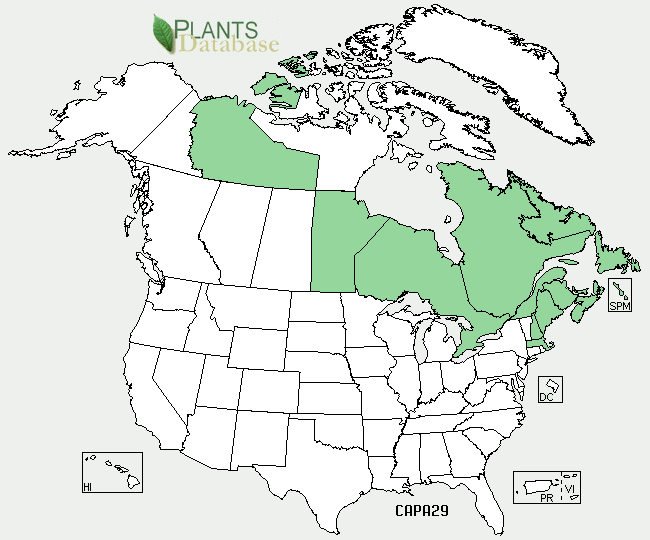
Chaffy sedge is adapted to cool temperate climates, and is hardy in USDA zones 3 through 7, tolerating winter temperatures as low as -40°F (-40°C). It prefers cool summer temperatures between 60°F and 75°F (15°C to 24°C), and may show signs of heat stress if exposed to extended periods of temperatures above 90°F (32°C) without sufficient moisture. It does not thrive in tropical or subtropical climates with year-round high heat.
Pruning
Prune chaffy sedge in late winter or early spring before new growth emerges, cutting back all dead foliage to 2-3 inches above the soil line to make room for fresh, green leaves. Remove any damaged, yellowed, or diseased foliage as it appears throughout the growing season to maintain the health and appearance of the clump. Deadheading spent seed heads is optional, as the dried tan bracts provide ornamental interest through the winter and support local bird populations.
Propagation
Chaffy sedge is most easily propagated by division in early spring, when clumps are dug up, split into smaller sections with healthy root systems, and replanted immediately in moist soil. It can also be grown from seed, which should be sown on the surface of wet, sandy soil in fall or cold-stratified for 60-90 days before spring sowing to break dormancy. Seed-grown plants typically take 2-3 years to reach mature clump size and produce seed heads.
Humidity
This species thrives in high humidity conditions typical of coastal and wetland environments, preferring relative humidity levels above 60% for optimal growth. It can tolerate average indoor humidity if grown as a marginal pond plant, but may develop brown leaf tips if exposed to prolonged dry air. In dry inland climates, mist the foliage regularly or place the pot in a tray of standing water to maintain adequate ambient humidity.
Repotting
When grown in containers as a pond marginal plant, repot chaffy sedge every 2-3 years in early spring, dividing overcrowded clumps at the same time to prevent root binding. Use a heavy, loamy aquatic potting mix to keep the container anchored in the water, and avoid light, porous potting soils that will float away in saturated conditions. Choose a wide, shallow pot with drainage holes to accommodate the plant's spreading fibrous root system.
Uses & Symbolism
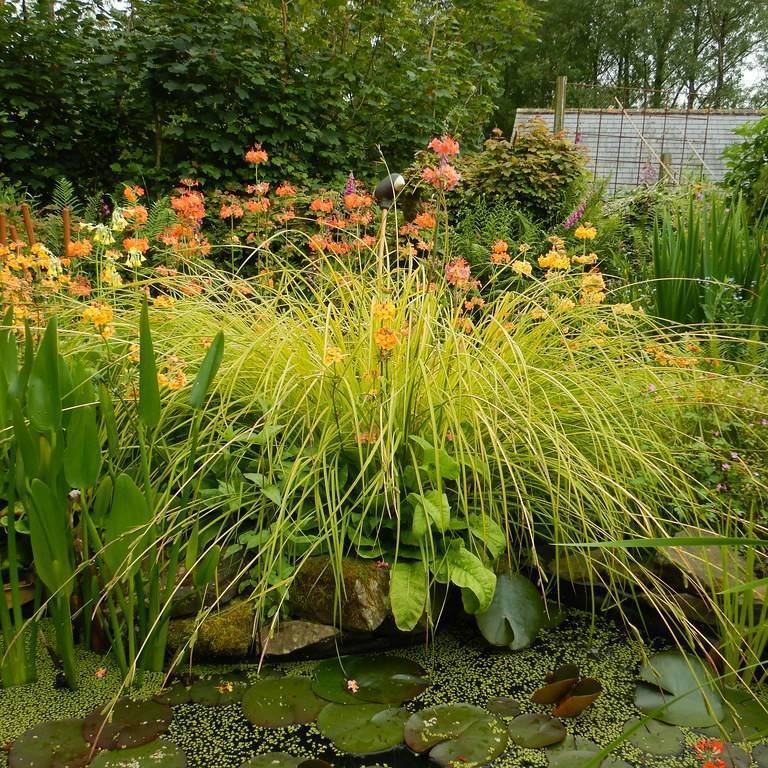
Chaffy sedge is widely used in coastal restoration and shoreline stabilization projects, as its dense root system holds soil in place and reduces erosion from tidal action and storm surges. It is planted in rain gardens, bioswales, and brackish water gardens for its ornamental foliage, salt tolerance, and ability to filter excess nutrients and pollutants from runoff. The dried seed heads are also used in cut flower arrangements, and the plant provides habitat and food for coastal birds, pollinators, and wetland wildlife.
Diseases & Pests
Chaffy sedge is relatively pest and disease resistant, but may develop fungal leaf spots or rust in overly humid, poorly ventilated conditions, especially when grown in crowded plantings with stagnant air. Root rot can occur if the plant is grown in poorly drained soil that is not consistently saturated, or if planted in heavy clay that becomes waterlogged without sufficient oxygen flow to the roots. Aphids and spider mites may occasionally infest foliage, especially when grown in dry, inland conditions, but can be controlled with a strong spray of water or insecticidal soap.
Related plants
Other plants you might like if you grow Chaffy Sedge.