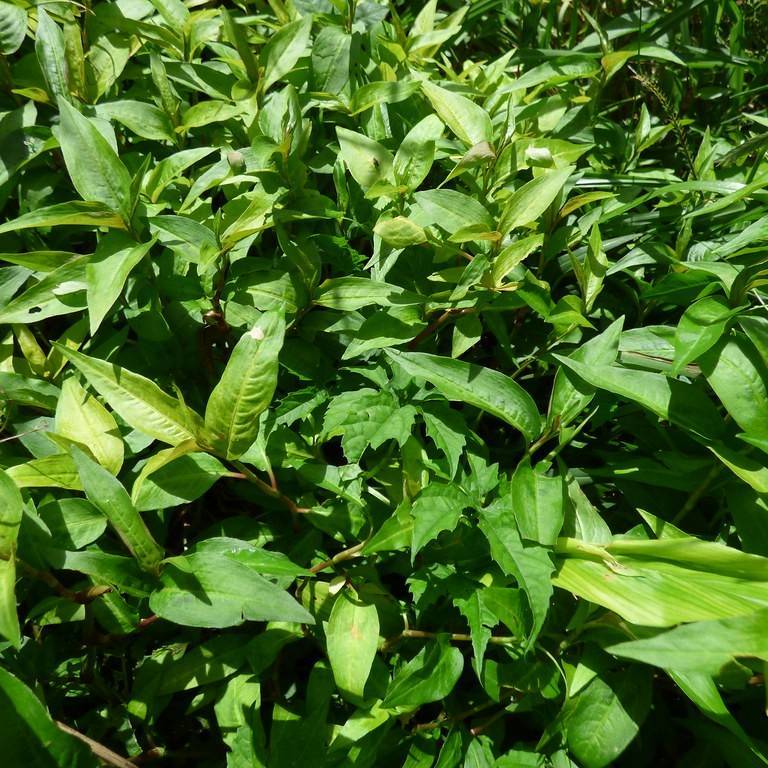
Asian Mint
Mentha canadensis var. asiatica
Overview
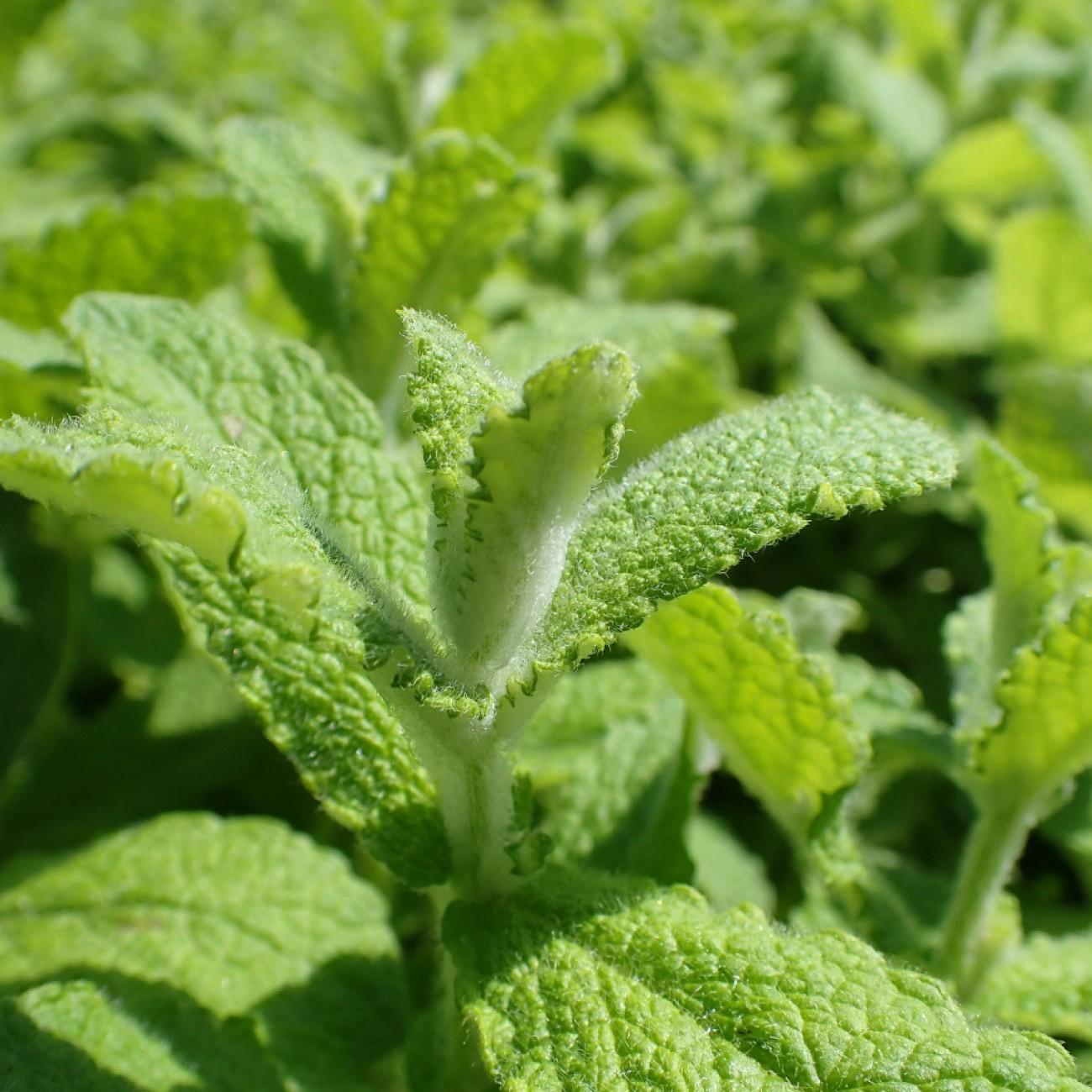
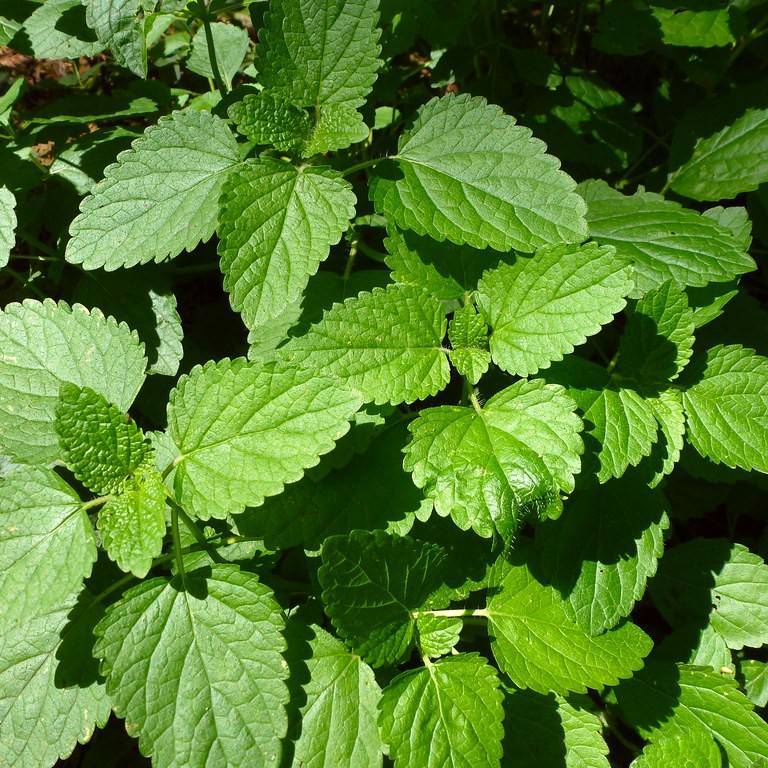
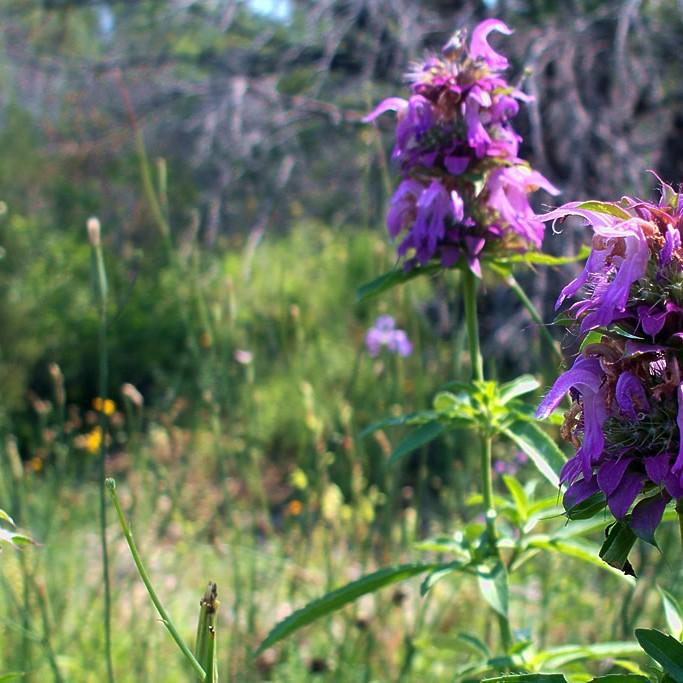
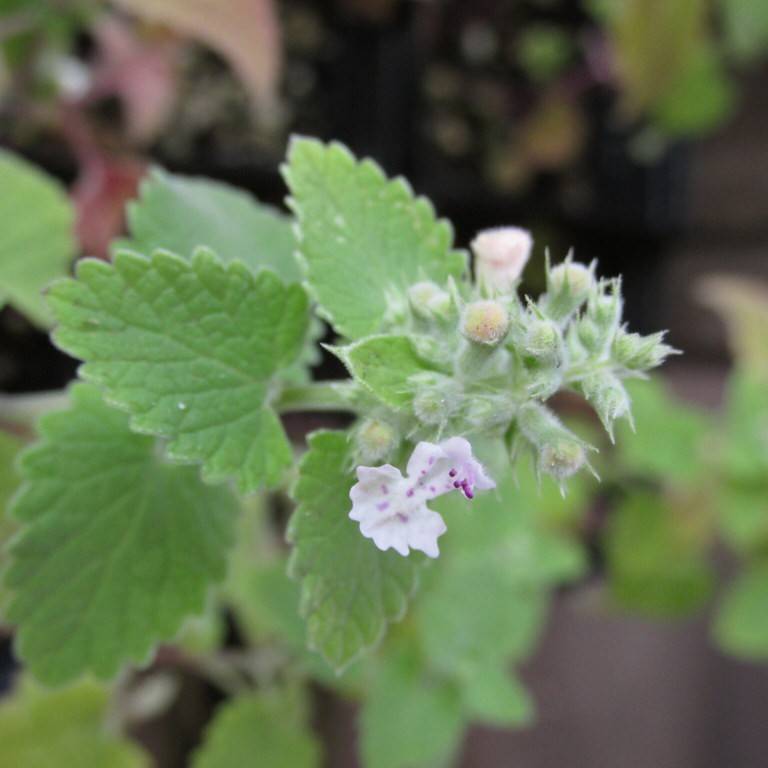
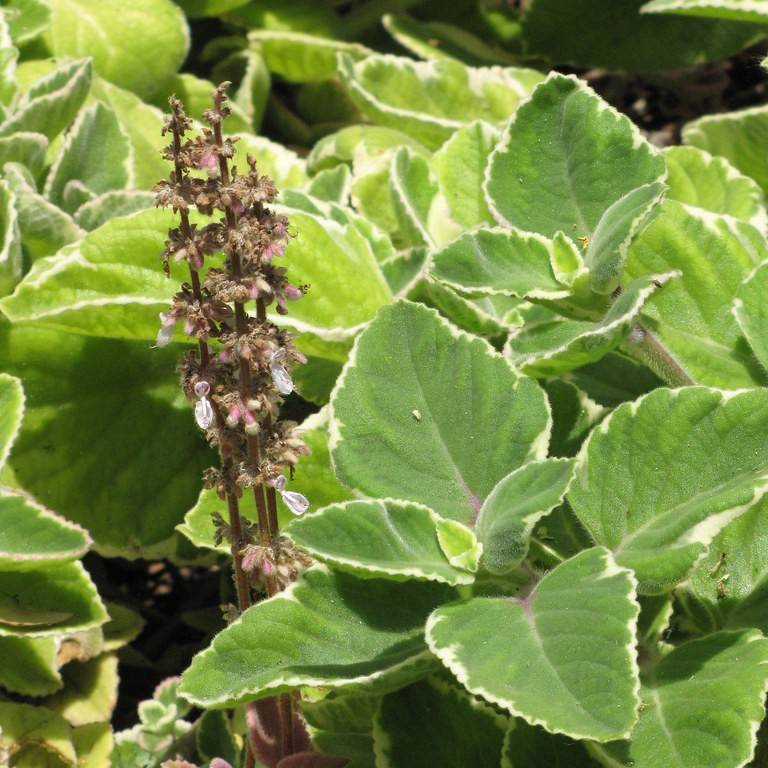
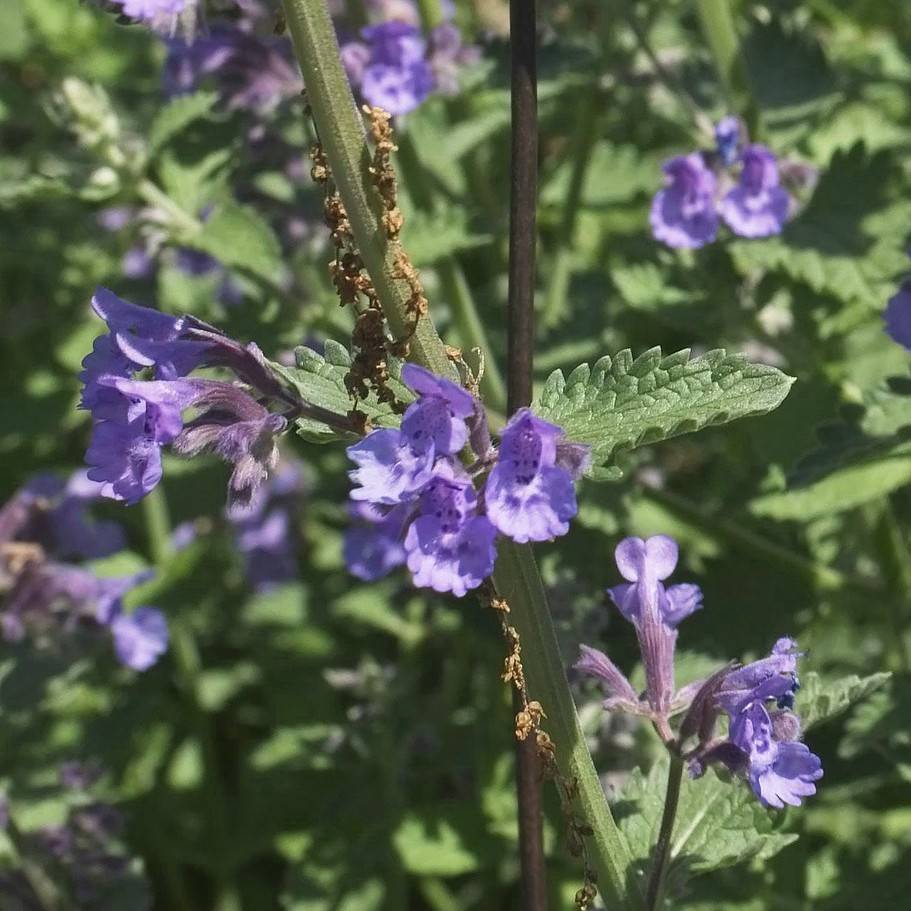
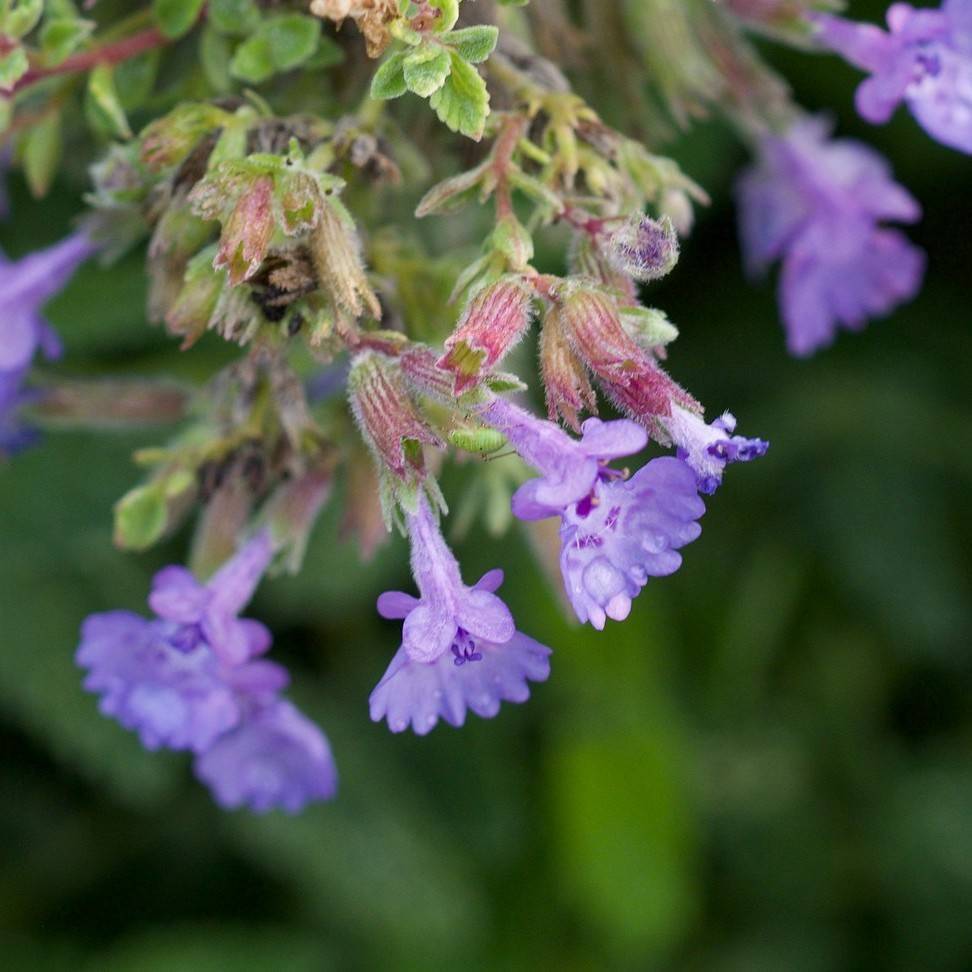
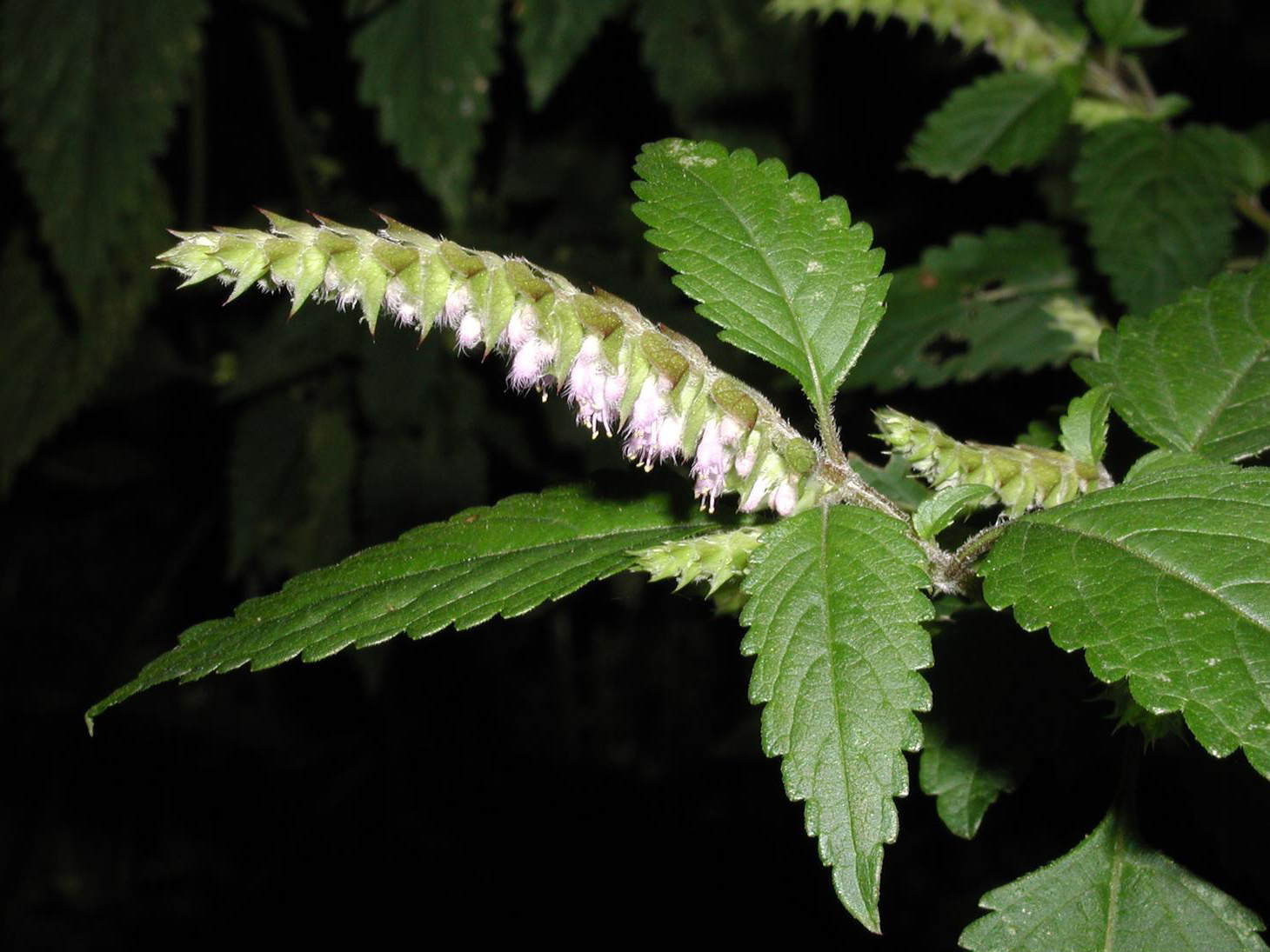
Asian mint is a cold-hardy herbaceous perennial in the mint family, recognizable by its bright green, serrated ovate leaves and distinctive sharp, cool aroma with subtle citrus undertones. It produces small, pale purple or white spiked flowers in summer that attract pollinators like bees and butterflies. Like other mints, it spreads aggressively via underground rhizomes, making it a vigorous ground cover in outdoor gardens, or a suitable container plant for indoor or patio growth.
Care Guide
Watering
Water Asian mint regularly to keep soil consistently moist but not waterlogged, allowing the top ½ inch of soil to dry out slightly between waterings in cooler months. Reduce watering frequency during winter dormancy for outdoor plants, but avoid letting the root ball dry out completely to prevent dieback. Overwatering that leads to standing water can cause root rot, so ensure containers have adequate drainage holes.
Light
Thrives in full sun to partial shade, with at least 4-6 hours of direct sunlight daily for optimal leaf production and strong aroma. In extremely hot, arid climates, provide afternoon shade to prevent leaf scorch and reduce moisture loss. When grown indoors, place near a south or west-facing window, or supplement with grow lights if natural light is insufficient.
Soil
Grows best in rich, loamy, well-draining soil with a slightly acidic to neutral pH between 6.0 and 7.0. It tolerates a wide range of soil types, including sandy or clay soils, as long as they retain moisture without becoming waterlogged. For container planting, use a high-quality all-purpose potting mix amended with compost to boost nutrient content and improve drainage.
Fertilizer
Feed outdoor plants once in early spring with a balanced, slow-release 10-10-10 fertilizer to support new season growth. Container-grown Asian mint benefits from monthly applications of diluted liquid all-purpose fertilizer during the active growing season from spring to late summer. Avoid over-fertilizing, as this can reduce the concentration of essential oils in the leaves, dulling their flavor and aroma.
Temperature
Prefers moderate temperatures between 60-80°F (15-27°C) for active growth, and is cold hardy down to -20°F (-29°C) when planted outdoors in USDA zones 3-9. In regions with harsh winters, apply a 2-inch layer of mulch over the root zone to insulate roots from extreme temperature fluctuations. Indoor plants should be kept away from cold drafts and heating vents to prevent leaf drop.
Pruning
Prune regularly by pinching off the top 2-3 inches of stem tips to encourage bushier, denser growth and prevent the plant from becoming leggy. Remove any flower buds as they appear if you are growing the plant primarily for foliage, as flowering can reduce leaf production and alter flavor. Cut back the entire plant to 2-3 inches above the soil line in late fall after the first frost to prepare it for winter dormancy.
Propagation
Asian mint is most easily propagated via stem cuttings: take 4-6 inch cuttings from healthy, non-flowering stems, remove lower leaves, and place in water or moist potting mix, where roots will form in 7-14 days. It can also be propagated by dividing established clumps in early spring or fall, separating rhizome sections with attached roots and replanting them immediately. Seed propagation is less common, as mint seeds often do not grow true to the parent plant’s traits.
Humidity
Tolerates average household humidity levels between 40-60%, but thrives in higher humidity around 60-70% for lusher foliage. In dry indoor environments, mist the leaves occasionally, place the pot on a tray of pebbles filled with water, or use a small humidifier nearby to raise ambient humidity. Avoid high humidity combined with poor air circulation, as this can increase the risk of fungal leaf diseases.
Repotting
Container-grown Asian mint should be repotted annually in early spring to refresh the soil and prevent root crowding, as its aggressive rhizomes can quickly fill a pot. Choose a pot that is 1-2 inches wider than the current one, with multiple drainage holes, to accommodate spreading growth without giving the plant excess space that can hold too much moisture. If growth becomes unruly, divide the root ball into smaller sections during repotting to create new plants.
Uses & Symbolism
Asian mint is widely used in East and Southeast Asian cuisines, adding a bright, cooling flavor to salads, soups, stir-fries, herbal teas, cocktails, and condiments like Vietnamese pho and Thai salads. It is also used in traditional herbal medicine to soothe digestive issues, relieve minor respiratory discomfort, and as a topical cooling agent for skin irritations. Its aromatic foliage makes it a popular addition to pollinator gardens, herb borders, and container herb displays for patios or indoor kitchens.
Diseases & Pests
Asian mint is relatively pest-resistant, but may attract common mint pests including aphids, spider mites, and whiteflies, which can be treated with insecticidal soap, neem oil, or a strong spray of water to dislodge them. Fungal diseases like powdery mildew, leaf spot, and root rot can occur in conditions of high humidity, poor air circulation, or overwatered, poorly draining soil. To prevent disease, space plants adequately to improve air flow, avoid watering the foliage directly, and ensure soil drains well at all times.
Related plants
Other plants you might like if you grow Asian Mint.