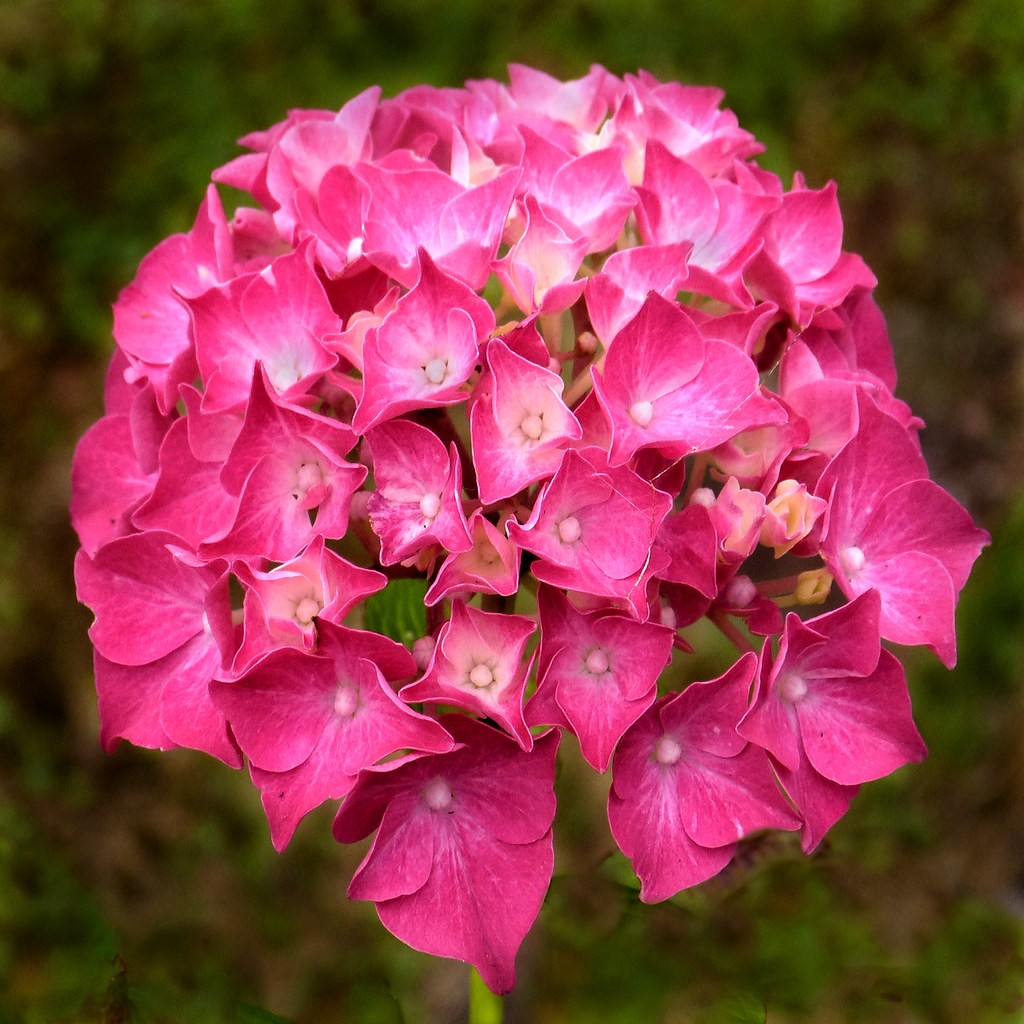
Hydrangea
Hydrangea macrophylla
Overview
Hydrangeas are beloved ornamental shrubs grown globally for their voluminous, long-lasting flower heads that bloom from early summer through fall. Most common garden varieties are bigleaf hydrangeas (Hydrangea macrophylla), which have two primary bloom forms: mophead (large, rounded clusters) and lacecap (flat, delicate clusters with fertile inner flowers and showy outer bracts. Bloom color for many varieties is determined by soil aluminum availability, which is regulated by pH: acidic soil (pH <6) produces blue blooms, neutral to alkaline soil (pH >6) produces pink blooms, and neutral pH often yields purple or mixed-color flowers.
Care Guide
Watering
Hydrangeas require consistent, deep watering to keep soil evenly moist but not waterlogged, especially during hot, dry periods; shallow roots dry out quickly, so 1-2 inches of water per week is recommended. Avoid overhead watering to reduce fungal disease risk, directing water at the base of the plant instead. Potted hydrangeas may need daily watering during summer to prevent wilting.
Light
Most hydrangea varieties thrive in partial shade, receiving 4-6 hours of morning sun followed by dappled afternoon shade to protect delicate blooms and foliage from scorching. Too much full sun can cause leaf burn and wilting, while too little shade will reduce bloom production. In cooler northern climates, they can tolerate more full sun, while southern gardens require more afternoon shade.
Soil
Hydrangeas prefer rich, well-draining, loamy soil high in organic matter, with a pH tailored to desired bloom color for color-changing varieties. For blue blooms, amend soil with elemental sulfur or aluminum sulfate to lower pH and increase aluminum availability; for pink blooms, add lime to raise pH and lock up aluminum. Heavy clay soils should be amended with compost to improve drainage and prevent root rot.
Fertilizer
Fertilize hydrangeas in early spring and mid-summer with a balanced, slow-release 10-10-10 fertilizer, or a formula tailored to your desired bloom color (high phosphorus for pink blooms, high potassium for blue blooms). Avoid fertilizing after late summer, as this can stimulate new tender growth that will be damaged by upcoming frost. Over-fertilization can lead to excessive leaf growth at the expense of blooms.
Temperature
Most hydrangea varieties are hardy in USDA zones 3-9, with optimal growth temperatures between 60-70°F (15-21°C) during the growing season. Late spring frosts can damage emerging buds and new growth, so cover plants if a late freeze is forecast. Winter temperatures below 10°F (-12°C) can kill flower buds on old-wood blooming varieties, so provide winter mulch or burlap wrapping in colder zones.
Pruning
Pruning timing depends on the hydrangea variety: old-wood bloomers (including most bigleaf hydrangeas) should be pruned right after flowering finishes in summer, before new buds form for the next year. New-wood bloomers (such as panicle and smooth hydrangeas) can be pruned in late winter or early spring before new growth emerges, as they produce blooms on current-season stems. Remove dead, damaged, or crossing stems annually to improve air circulation and overall plant health, and deadhead spent blooms to encourage additional flowering in reblooming varieties.
Propagation
Hydrangeas are most easily propagated via softwood cuttings taken in early summer, selecting 4-6 inch long stem tips from healthy, non-flowering growth, stripping lower leaves, and rooting in moist, well-draining potting mix under high humidity. Rooting hormone can speed up root development, and cuttings typically form roots in 2-4 weeks when kept in bright, indirect light. They can also be propagated by layering: bend a low-growing stem to the ground, cover a section with soil, weight it down, and allow roots to form before severing from the parent plant the following season.
Humidity
Hydrangeas prefer moderate to high humidity levels between 40-60%, which supports lush foliage and prevents leaf edge browning. In dry climates or indoor growing environments, mist the foliage regularly or place a tray of pebbles and water beneath potted plants to raise ambient humidity. Low humidity combined with high heat can cause rapid wilting, even if soil moisture is adequate.
Repotting
Potted hydrangeas should be repotted every 1-2 years in early spring before new growth emerges, moving to a pot 1-2 inches larger than the current container with drainage holes to prevent waterlogging. Use a high-quality, peat-free potting mix amended with compost to provide nutrients and good drainage. After repotting, water thoroughly and keep the plant in partial shade for a week to reduce transplant shock; trim back any overgrown roots if the plant was severely rootbound.
Uses & Symbolism
Hydrangeas are primarily grown as ornamental garden shrubs, used in borders, foundation plantings, hedges, and container displays for their showy, long-lasting blooms. Cut hydrangea flowers are extremely popular in fresh and dried floral arrangements, with dried blooms retaining their color for months when harvested at peak maturity. Some traditional medicinal systems have used hydrangea root extracts to treat urinary tract and kidney conditions, though medicinal use is not recommended without medical supervision due to toxicity risks.
Diseases & Pests
Common fungal diseases affecting hydrangeas include powdery mildew, leaf spot, and botrytis blight, which thrive in humid, poorly ventilated conditions and can be prevented by proper spacing, avoiding overhead watering, and removing infected foliage promptly. Pests such as aphids, spider mites, and Japanese beetles may feed on foliage and flower buds; small infestations can be treated with insecticidal soap or neem oil, while severe infestations may require targeted pesticide application. Root rot can occur in waterlogged, poorly draining soil, so ensure proper soil drainage and avoid overwatering to prevent this often fatal condition.
Guides that mention Hydrangea
Related plants
Other plants you might like if you grow Hydrangea.
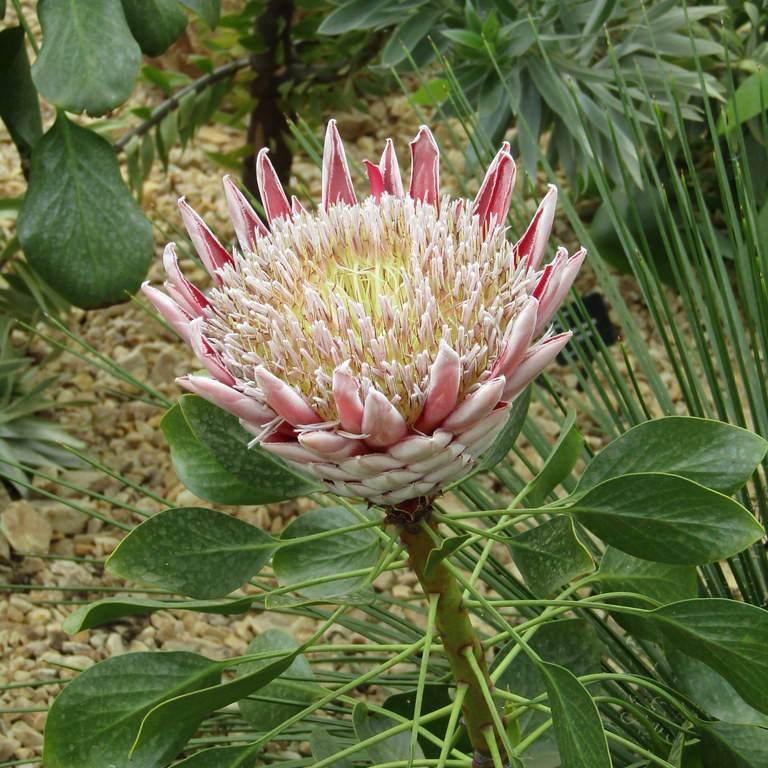
King Protea
Protea cynaroides
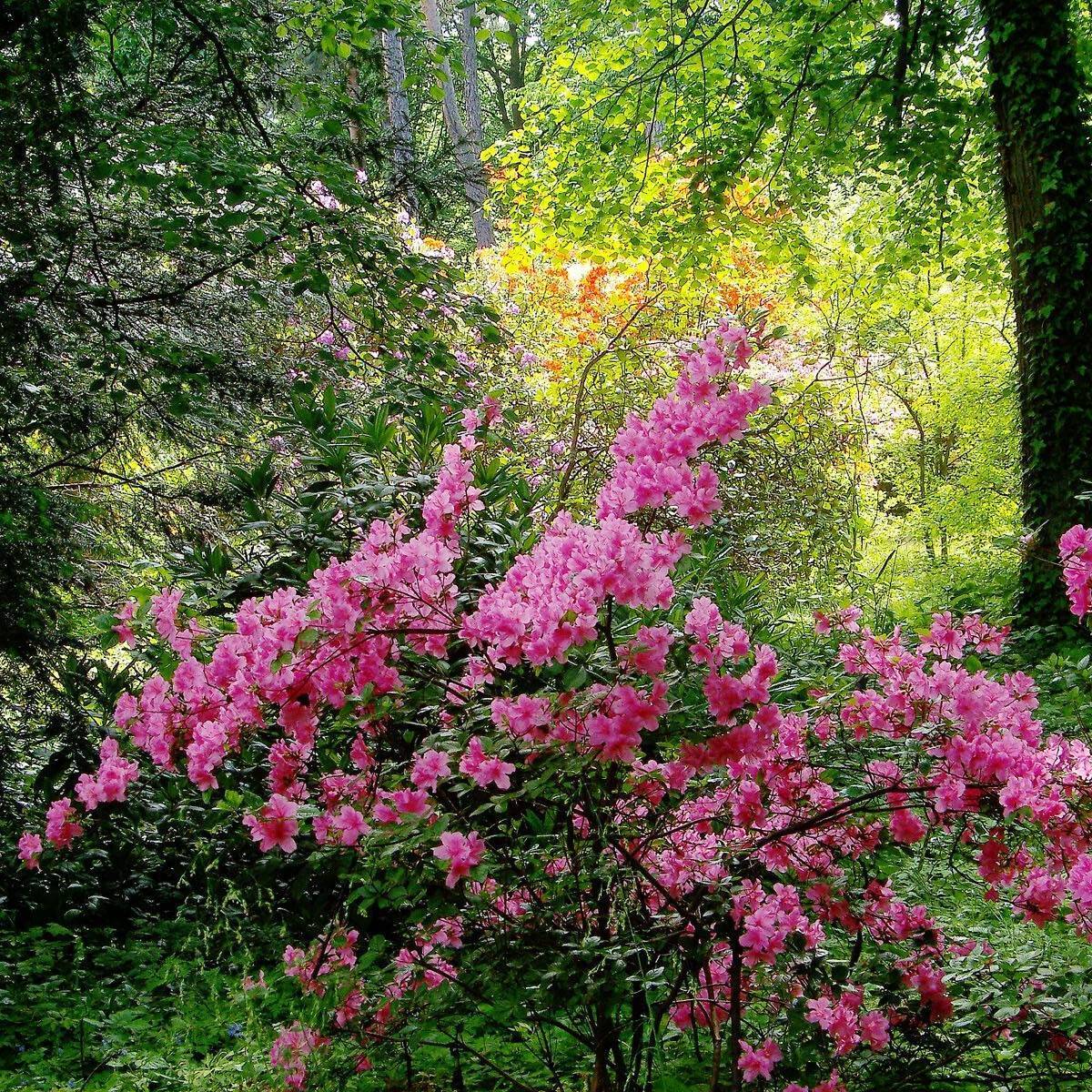
Catawba Rhododendron
Rhododendron catawbiense
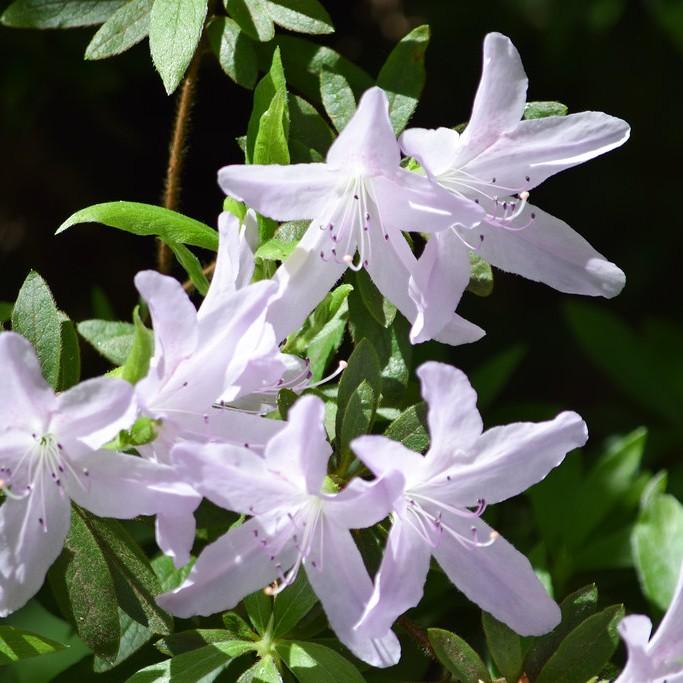
Evergreen Azalea
Rhododendron simsii (and related evergreen Rhododendron cultivars)
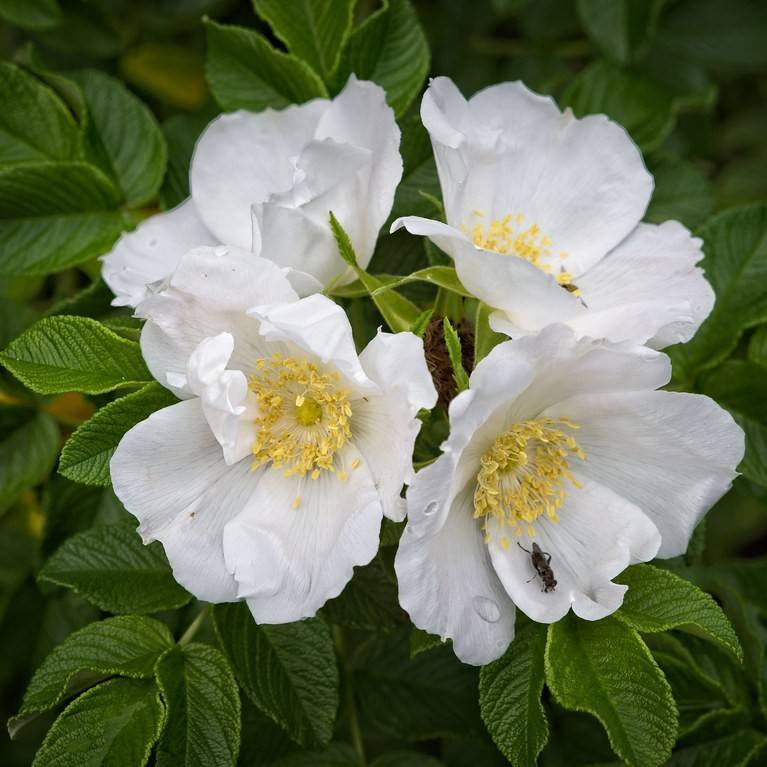
Japanese Rose
Kerria japonica
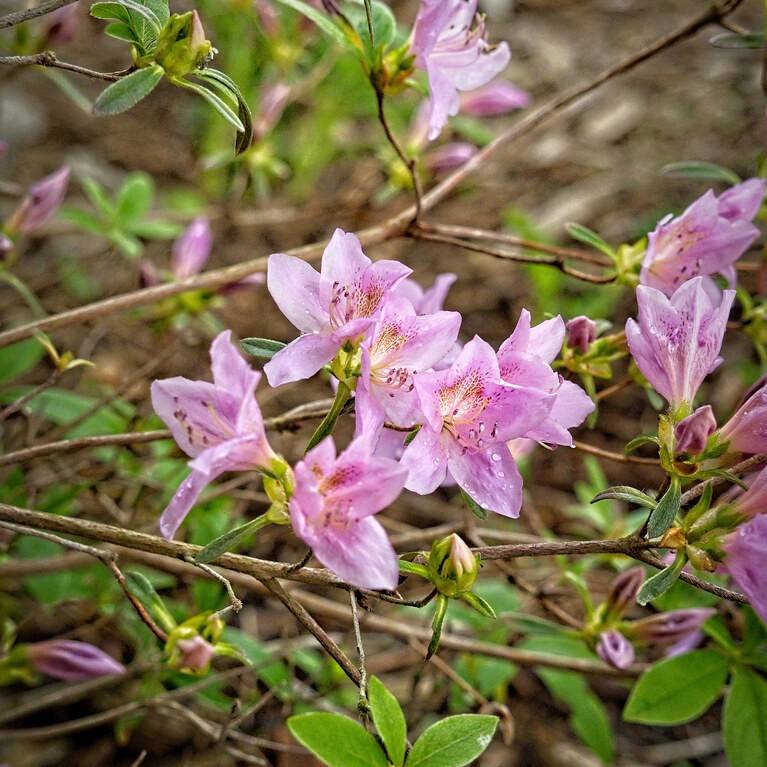
Korean Azalea
Rhododendron yedoense var. poukhanense
%22%2F%3E%0A%20%20%20%20%20%20%3Ccircle%20cx%3D%22920%22%20cy%3D%22180%22%20r%3D%2290%22%20fill%3D%22%23cfe8d5%22%2F%3E%0A%20%20%20%20%20%20%3Cpath%20d%3D%22M600%20590c-90-180-215-255-310-280%200%20165%20118%20296%20270%20296h40z%22%20fill%3D%22%2379b88e%22%2F%3E%0A%20%20%20%20%20%20%3Cpath%20d%3D%22M600%20590c80-150%20198-212%20302-228-8%20142-123%20255-270%20255h-32z%22%20fill%3D%22%235c9f73%22%2F%3E%0A%20%20%20%20%20%20%3Cpath%20d%3D%22M600%20610V360%22%20stroke%3D%22%234f8c64%22%20stroke-width%3D%2218%22%20stroke-linecap%3D%22round%22%2F%3E%0A%20%20%20%20%20%20%3Ctext%20x%3D%22600%22%20y%3D%22700%22%20text-anchor%3D%22middle%22%20font-family%3D%22Arial%2C%20sans-serif%22%20font-size%3D%2244%22%20fill%3D%22%23365c45%22%3E%0A%20%20%20%20%20%20%20%20Plant%20image%20coming%20soon%0A%20%20%20%20%20%20%3C%2Ftext%3E%0A%20%20%20%20%3C%2Fsvg%3E%0A%20%20)
Hybrid Moyesii Rose
Rosa hybrida moyesii group
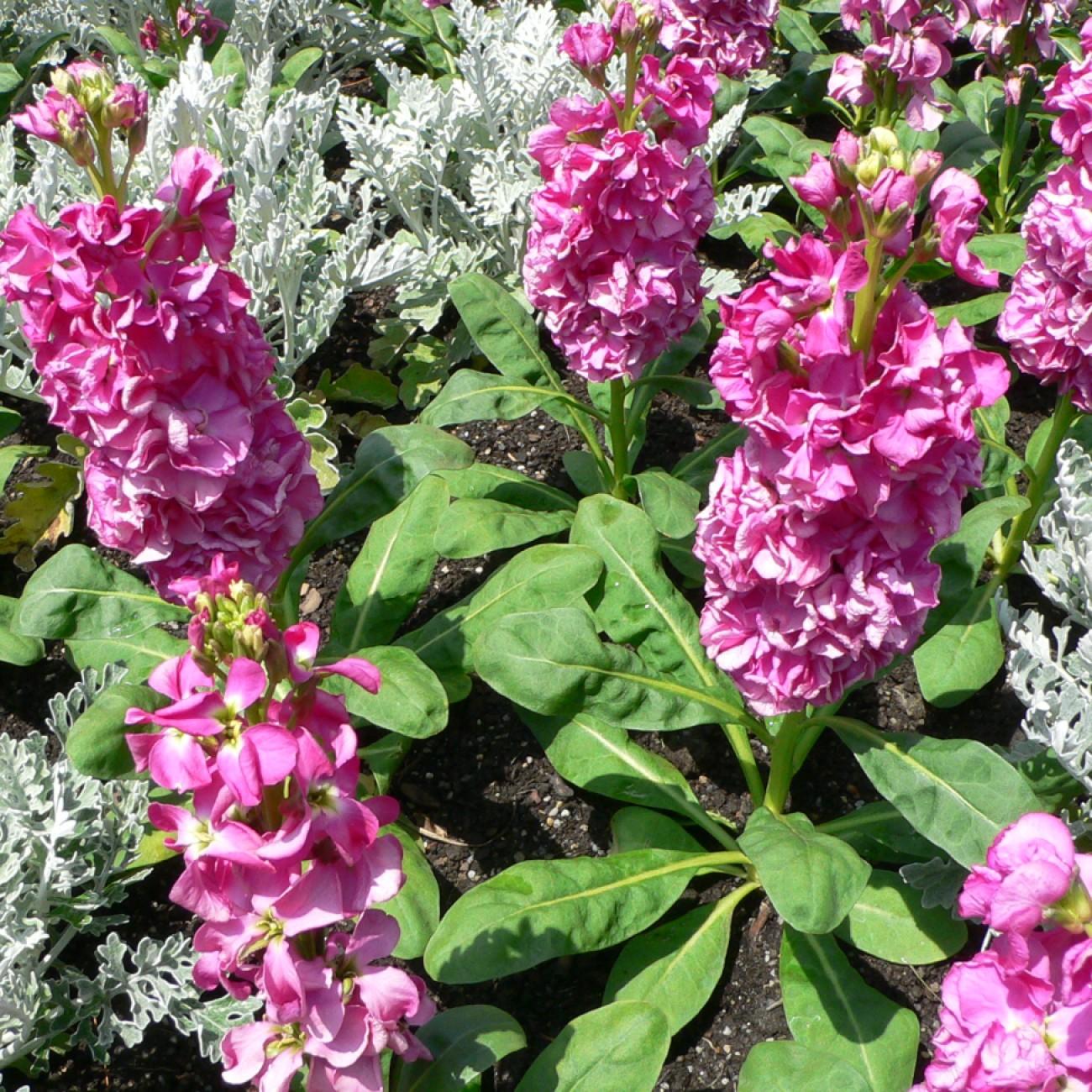
Brompton Stock
Matthiola incana var. annua
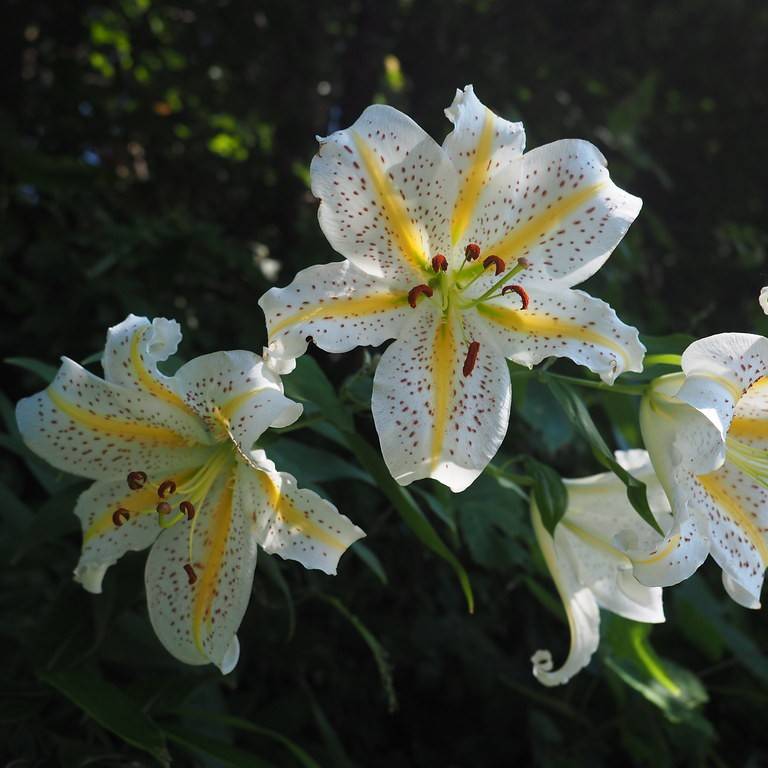
Golden Rayed Lily
Lilium auratum