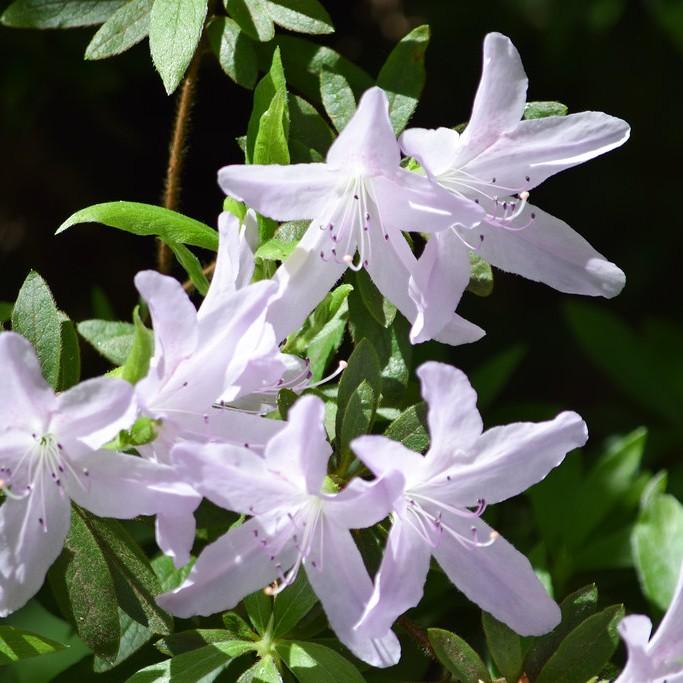
Evergreen Azalea
Rhododendron simsii (and related evergreen Rhododendron cultivars)
Overview
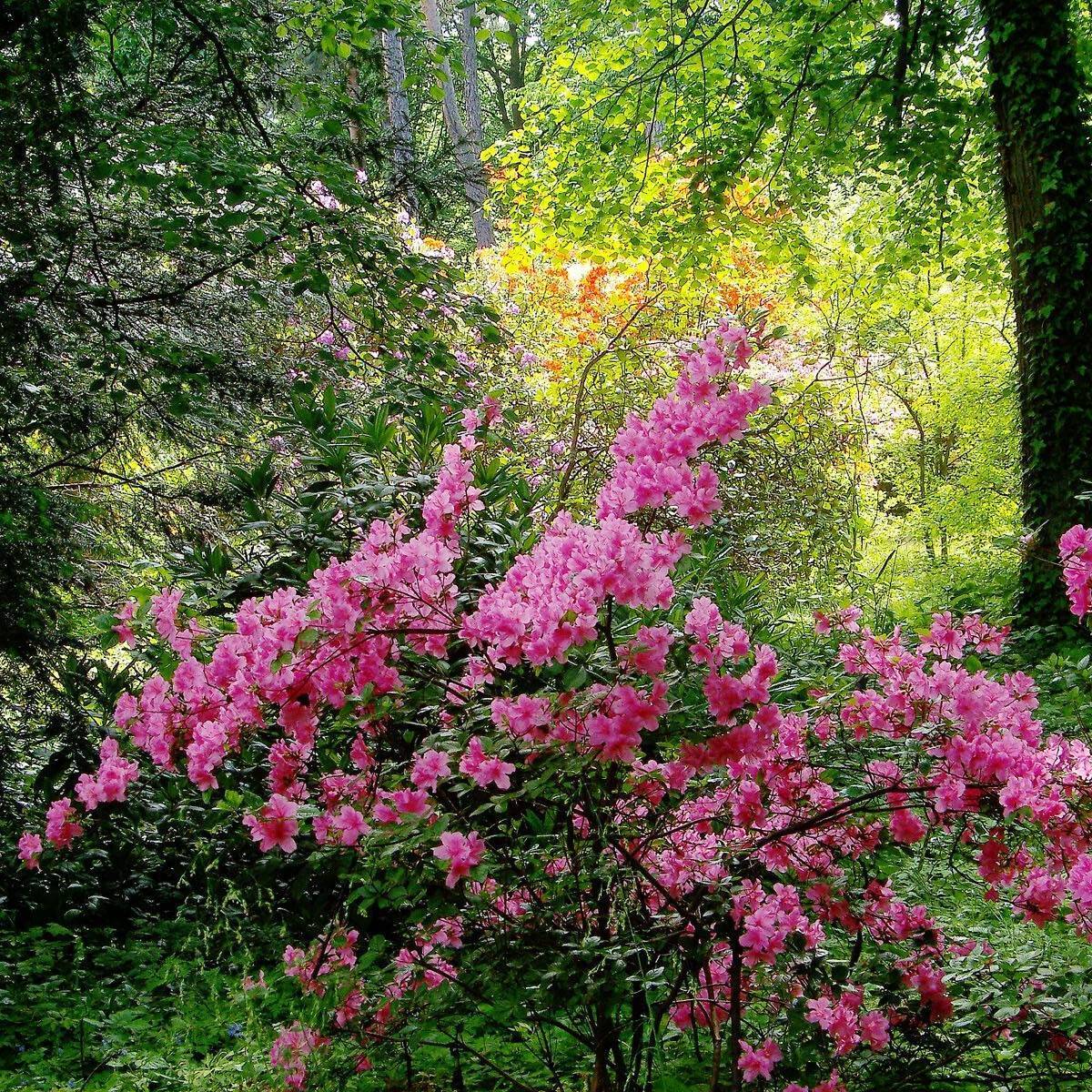
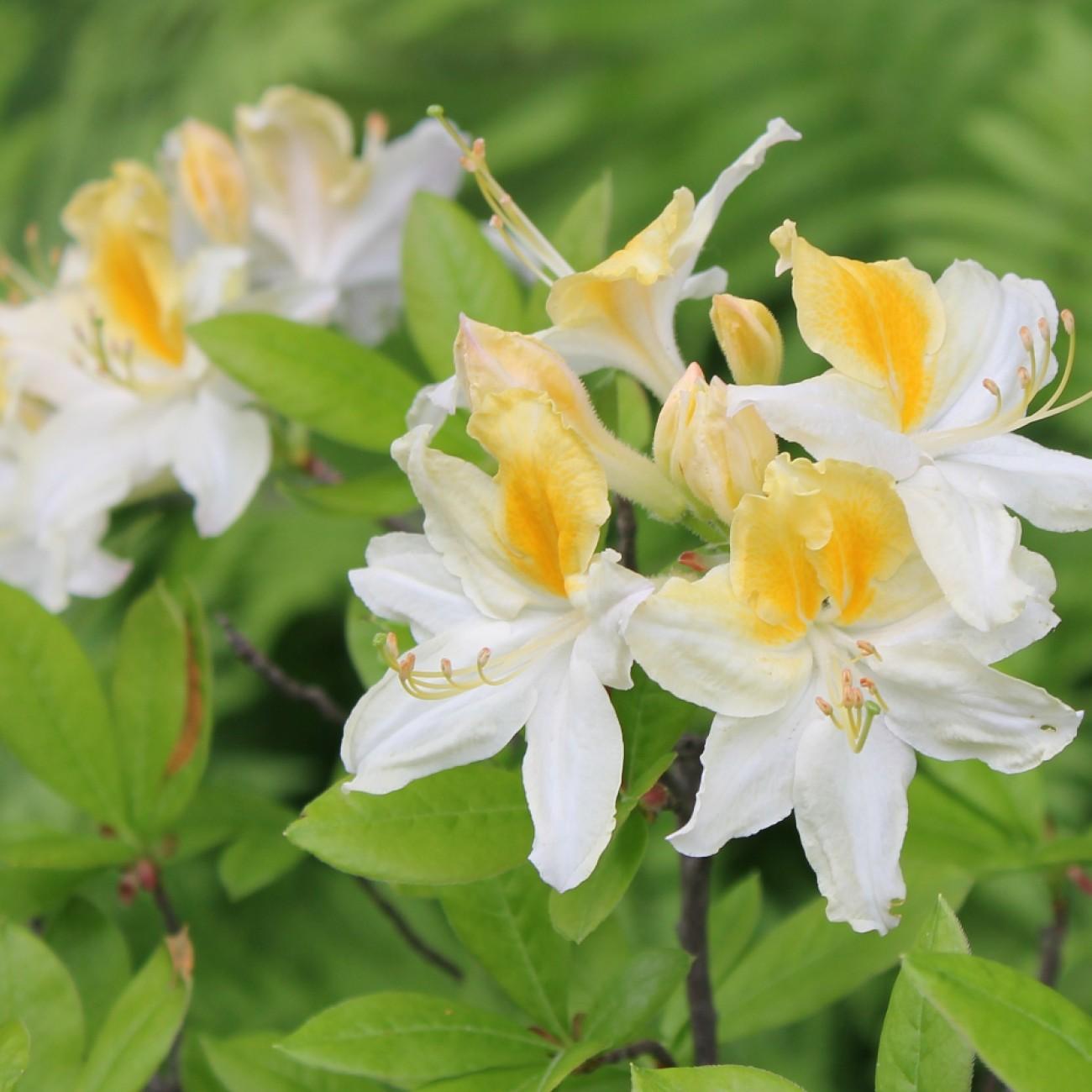
Evergreen azaleas are a subset of Rhododendron species and hybrids prized for their persistent, leathery dark green leaves and profuse, showy flower clusters that blanket the shrub in spring. Most cultivated varieties are compact, well-branched, and bred for a wide range of flower colors and forms, including single, double, and ruffled blooms. They are widely used in shaded landscape borders, foundation plantings, and as seasonal potted houseplants, with many cold-hardy cultivars thriving in temperate regions.
Care Guide
Watering
Keep soil consistently moist but never waterlogged, as evergreen azaleas have shallow, fibrous roots that are prone to rot if overwatered. Water with rainwater or filtered water if your tap water is hard, as high calcium and alkaline levels can damage the plant over time; reduce watering frequency in winter when growth slows.
Light
Prefers partial shade, with dappled morning sun and protection from harsh midday and afternoon sun to prevent leaf scorch and extend bloom life. Indoor specimens thrive in bright, indirect light near a north or east-facing window, avoiding direct sun that can dry out foliage and fade blooms.
Soil
Requires well-draining, acidic soil with a pH between 4.5 and 6.0, ideally amended with peat moss, pine bark, or composted oak leaves to boost acidity and improve texture. Heavy clay soils should be loosened and amended with organic matter before planting, or grown in raised beds to prevent root suffocation; potted plants use a peat-based acidic potting mix formulated for azaleas or rhododendrons.
Fertilizer
Feed with a slow-release, acidic fertilizer formulated for azaleas, camellias, or rhododendrons in early spring just before new growth emerges, and again lightly after flowering finishes. Avoid fertilizing in late summer or fall, as this can stimulate tender new growth that will be damaged by frost; over-fertilization can cause leaf burn and root damage, so follow product dosage instructions closely.
Temperature
Most outdoor cultivars thrive in temperatures between 40-85°F (4-29°C), with cold-hardy varieties tolerating winter lows down to -10°F (-23°C) when planted in sheltered locations. Indoor evergreen azaleas prefer cool temperatures between 60-65°F (15-18°C) during bloom to extend flower life, and should be kept away from heat vents, fireplaces, and drafty doors or windows.
Pruning
Prune immediately after flowering finishes in spring, before new flower buds form for the next year, to shape the shrub and remove spent blooms, dead, diseased, or crossing branches. Avoid heavy pruning more than one-third of the plant’s total size in a single year, as this can reduce flowering the following season; regular light deadheading encourages bushier growth and more abundant future blooms.
Propagation
Most commonly propagated via semi-hardwood cuttings taken in mid to late summer, selecting 4-6 inch (10-15 cm) stem tips from healthy, current-year growth, stripping lower leaves, and rooting in acidic, moist propagation medium under high humidity. Cultivars can also be grafted onto hardy rhododendron rootstock for improved disease resistance and cold tolerance, while seed propagation is rarely used for home cultivation as it does not produce plants identical to the parent.
Humidity
Thrives in moderate to high humidity between 50-70%, which supports healthy foliage and prevents leaf edge browning, especially for indoor potted specimens. Increase humidity for indoor plants by placing the pot on a tray filled with pebbles and water, grouping with other plants, or using a small humidifier, avoiding misting directly on blooms to prevent premature wilting and fungal spotting.
Repotting
Potted evergreen azaleas should be repotted every 2-3 years in late spring after flowering finishes, using a slightly larger pot with drainage holes and fresh acidic potting mix. Gently loosen the outer root ball before planting to encourage root spread, taking care not to damage the shallow, delicate root system; avoid planting deeper than the original root line to prevent stem rot.
Uses & Symbolism
Evergreen azaleas are widely planted as ornamental landscape shrubs in shaded borders, foundation plantings, woodland gardens, and mass plantings for their vibrant spring color and year-round foliage interest. Compact cultivars are popular as seasonal potted houseplants and gift plants, while some varieties are used for bonsai cultivation due to their small leaves, dense branching, and attractive flowering habit.
Diseases & Pests
Common fungal diseases include powdery mildew, leaf spot, petal blight, and root rot, often caused by overly wet conditions, poor air circulation, or overhead watering; root rot is particularly deadly and can be avoided by ensuring well-draining soil and avoiding overwatering. Common pests include azalea lace bugs, spider mites, aphids, and root weevils, which feed on foliage and roots, leading to yellowing leaves, stunted growth, and reduced flowering; infestations can be treated with horticultural oil, insecticidal soap, or appropriate systemic insecticides for severe cases.
Related plants
Other plants you might like if you grow Evergreen Azalea.