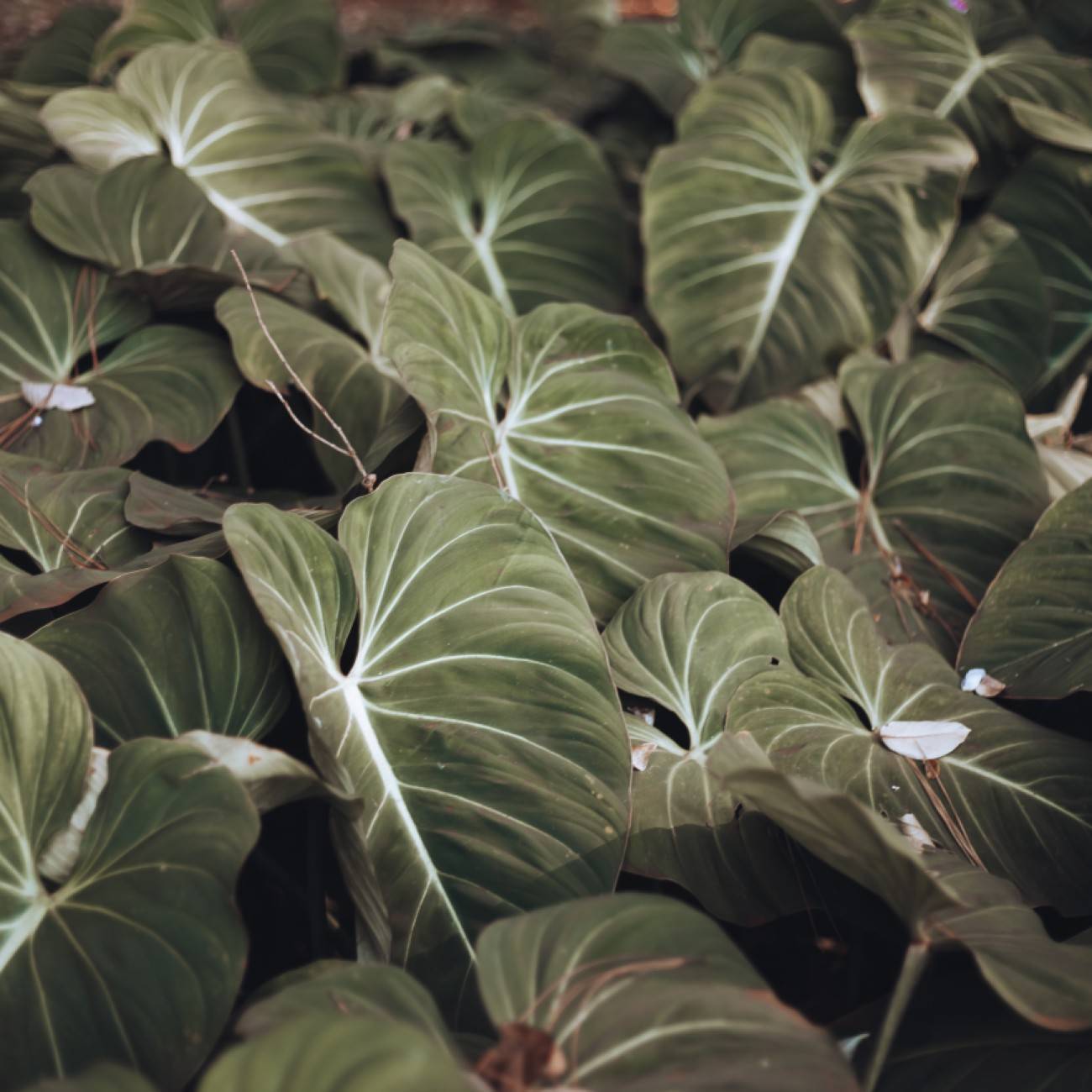
Hybrid Philodendron
Philodendron hybridum (group)
Overview
Hybrid philodendrons are intentionally crossbred selections from the vast Philodendron genus, developed to highlight unique foliage traits including variegation, unusual leaf shapes, compact growth habits, and vivid coloration. Popular cultivars in this group include 'Pink Princess', 'Brasil', 'Silver Sword', and 'Birkin', each with distinct visual appeal that makes them highly sought after by houseplant enthusiasts. Adaptable to a wide range of indoor conditions, these hybrids are more forgiving of inconsistent care than many of their wild parent species, making them accessible for new and experienced plant owners alike.
Care Guide
Watering
Allow the top 1-2 inches of soil to dry out completely between waterings, adjusting frequency to match light and temperature conditions; overwatering is the most common issue, so avoid leaving the plant sitting in standing water in its saucer. Reduce watering frequency significantly in fall and winter when growth slows, as the plant requires less moisture during its dormant period.
Light
Thrive in bright, indirect light, such as that filtered through a sheer curtain; too much direct sunlight will scorch foliage, while overly low light leads to leggy growth and faded variegation in patterned varieties. Variegated hybrids require slightly more bright indirect light than solid green types to maintain their unique color patterns, though they still must be protected from midday sun exposure.
Soil
Requires a light, well-draining, aerated potting mix; a blend of standard potting soil, perlite, orchid bark, and peat moss or coco coir works well to support healthy root growth and prevent waterlogging. The ideal soil pH is slightly acidic, between 5.5 and 6.5, which supports nutrient uptake for robust foliage development.
Fertilizer
Feed with a balanced, water-soluble houseplant fertilizer diluted to half strength once every 4-6 weeks during the active growing season from spring through early fall. Avoid fertilizing in winter when growth is dormant, as excess nutrients can build up in the soil and damage delicate root systems.
Temperature
Prefer consistent indoor temperatures between 65-85°F (18-29°C); avoid exposing the plant to temperatures below 55°F (13°C), as cold drafts and sudden temperature fluctuations can cause leaf drop and stunted growth. Keep plants away from heating vents, air conditioning units, and exterior doors during cold months to prevent temperature stress.
Pruning
Prune away yellowed, damaged, or dead leaves at the base of their stems as needed to improve the plant’s appearance and redirect energy to new growth. For vining or overgrown hybrids, trim back leggy stems to your desired length in spring to encourage bushier, more compact growth; save cuttings for propagation.
Propagation
Most hybrids root easily from stem cuttings: take a 4-6 inch cutting with at least 2-3 leaves and a visible node, then place it in water, moist sphagnum moss, or well-draining potting mix in a warm, bright spot out of direct sun. Roots typically form within 2-4 weeks; once roots are at least 1 inch long, the cutting can be potted up in standard philodendron soil mix and cared for as a mature plant.
Humidity
Adapt to average household humidity levels between 30-50%, but will produce lusher, larger foliage if provided with higher humidity of 50-70%, which mimics their native tropical habitat. Increase humidity around the plant by placing it on a pebble tray filled with water, grouping it with other plants, or using a small room humidifier, especially during dry winter months.
Repotting
Repot young, fast-growing hybrids every 1-2 years in spring, moving to a pot 1-2 inches larger than the current one to accommodate root growth; mature plants only need repotting every 2-3 years, or when roots begin growing out of the drainage holes. Always use a pot with drainage holes to reduce the risk of root rot, and refresh the top 1-2 inches of soil annually for plants that are not being repotted to replenish nutrients.
Uses & Symbolism
Widely grown as ornamental houseplants, hybrid philodendrons add vibrant, tropical visual interest to homes, offices, and indoor public spaces, with varieties suited for hanging baskets, tabletop displays, and climbing trellises. Many hybrids are recognized by NASA’s Clean Air Study for their ability to filter common indoor air pollutants including formaldehyde, benzene, and xylene, improving indoor air quality.
Diseases & Pests
The most common issue is root rot caused by overwatering or poorly draining soil, which presents as yellowing, mushy leaves and a foul odor from the root zone; treat by trimming damaged roots, repotting in fresh dry soil, and reducing watering frequency. Common pests include spider mites, mealybugs, and aphids, which can be controlled by wiping foliage with neem oil solution, using insecticidal soap, or introducing beneficial predatory insects for large infestations.
Related plants
Other plants you might like if you grow Hybrid Philodendron.
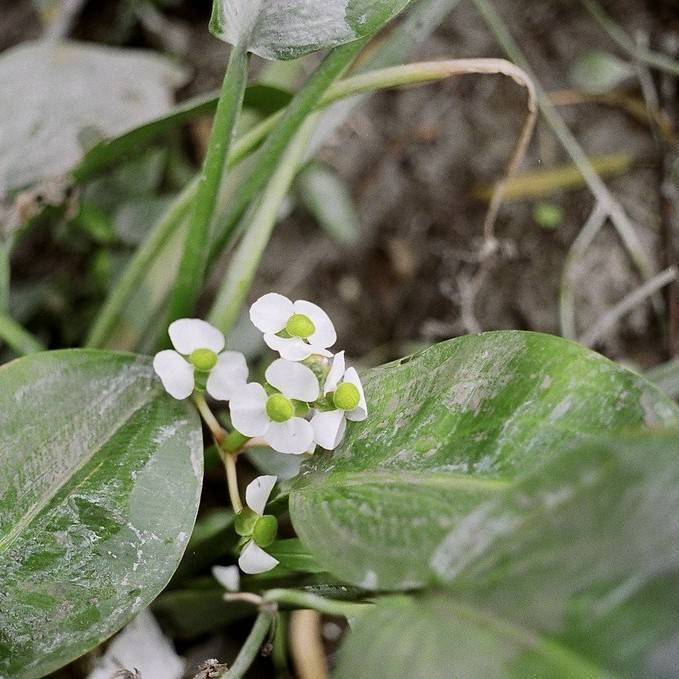
Arrowhead Plant
Syngonium podophyllum
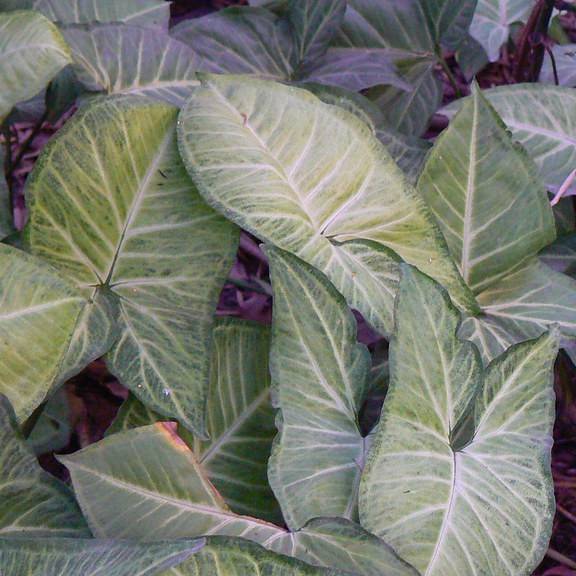
Arrowhead Plant
Syngonium podophyllum
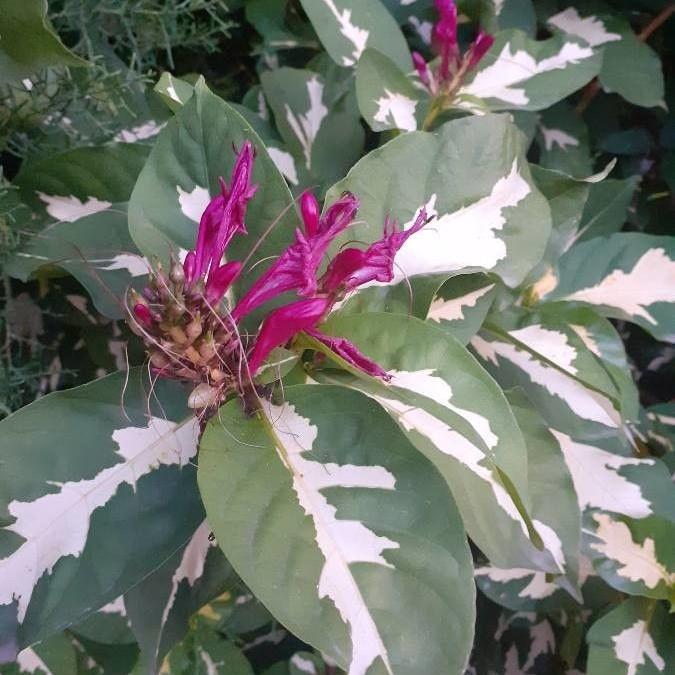
Caricature Plant
Graptophyllum pictum
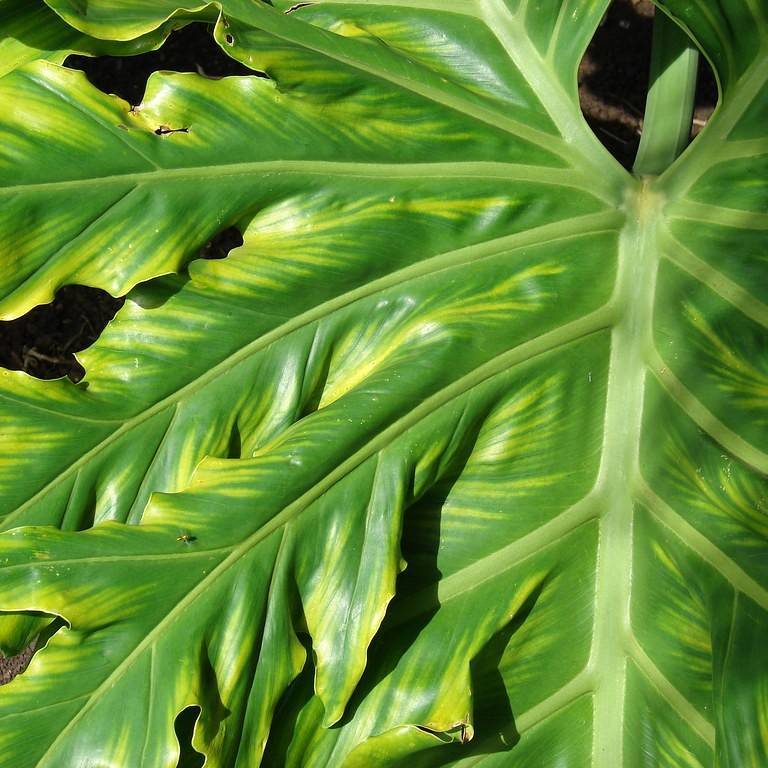
Horsehead Philodendron
Philodendron bipennifolium
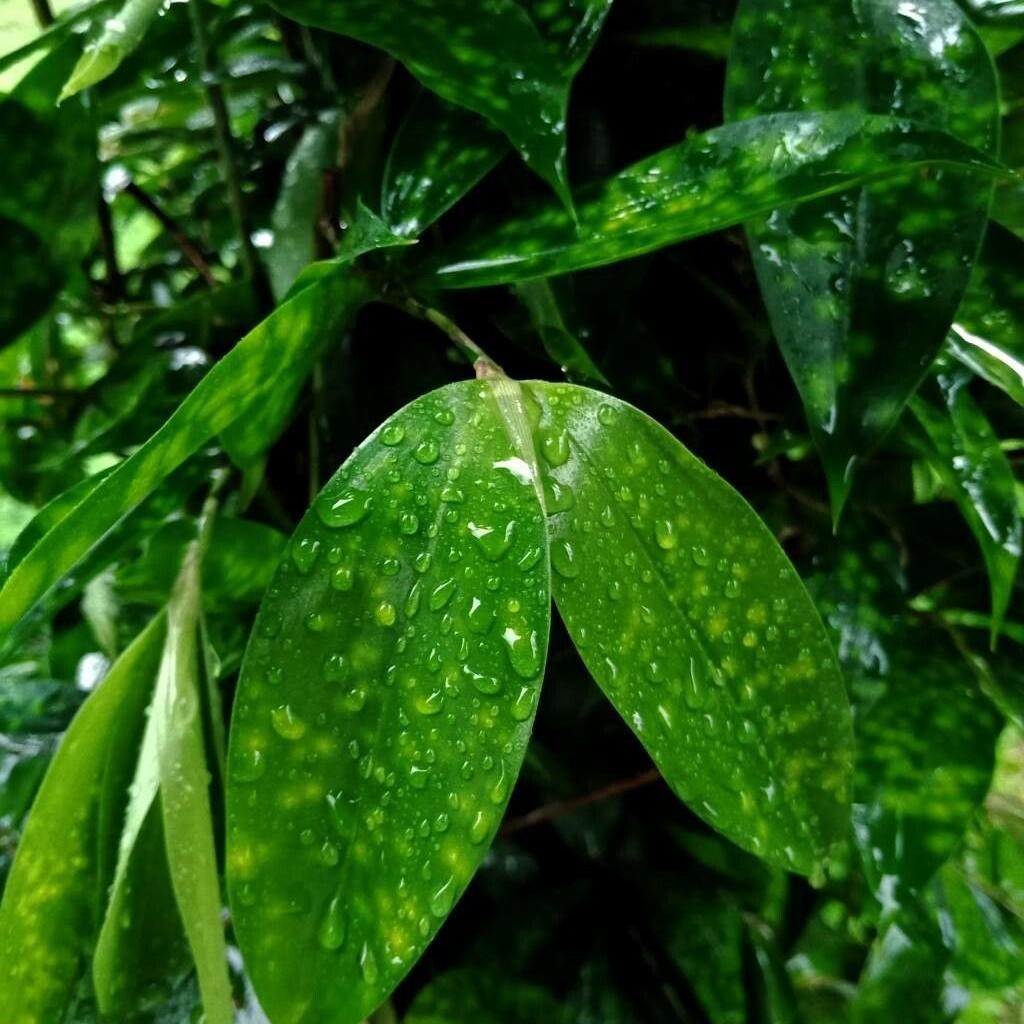
Gold Dust Dracaena
Dracaena surculosa 'Florida Beauty'
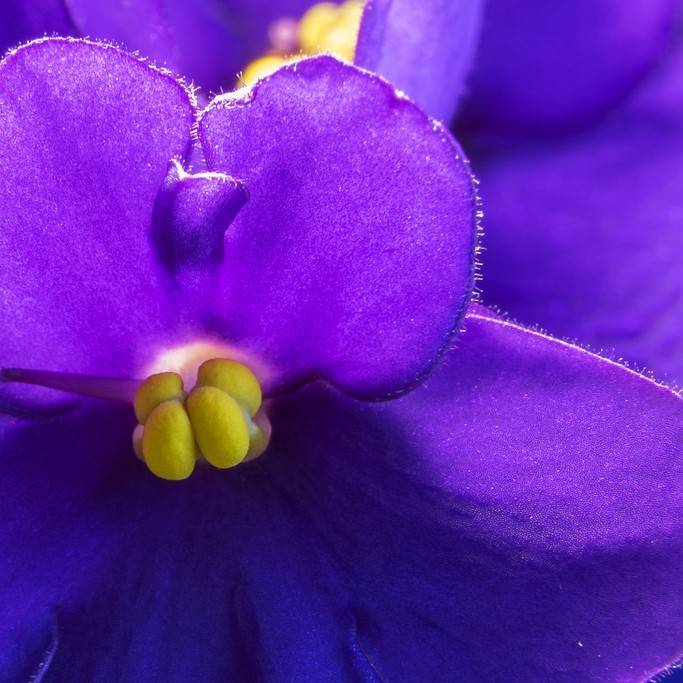
African Violet
Streptocarpus ionanthus (syn. Saintpaulia ionantha)
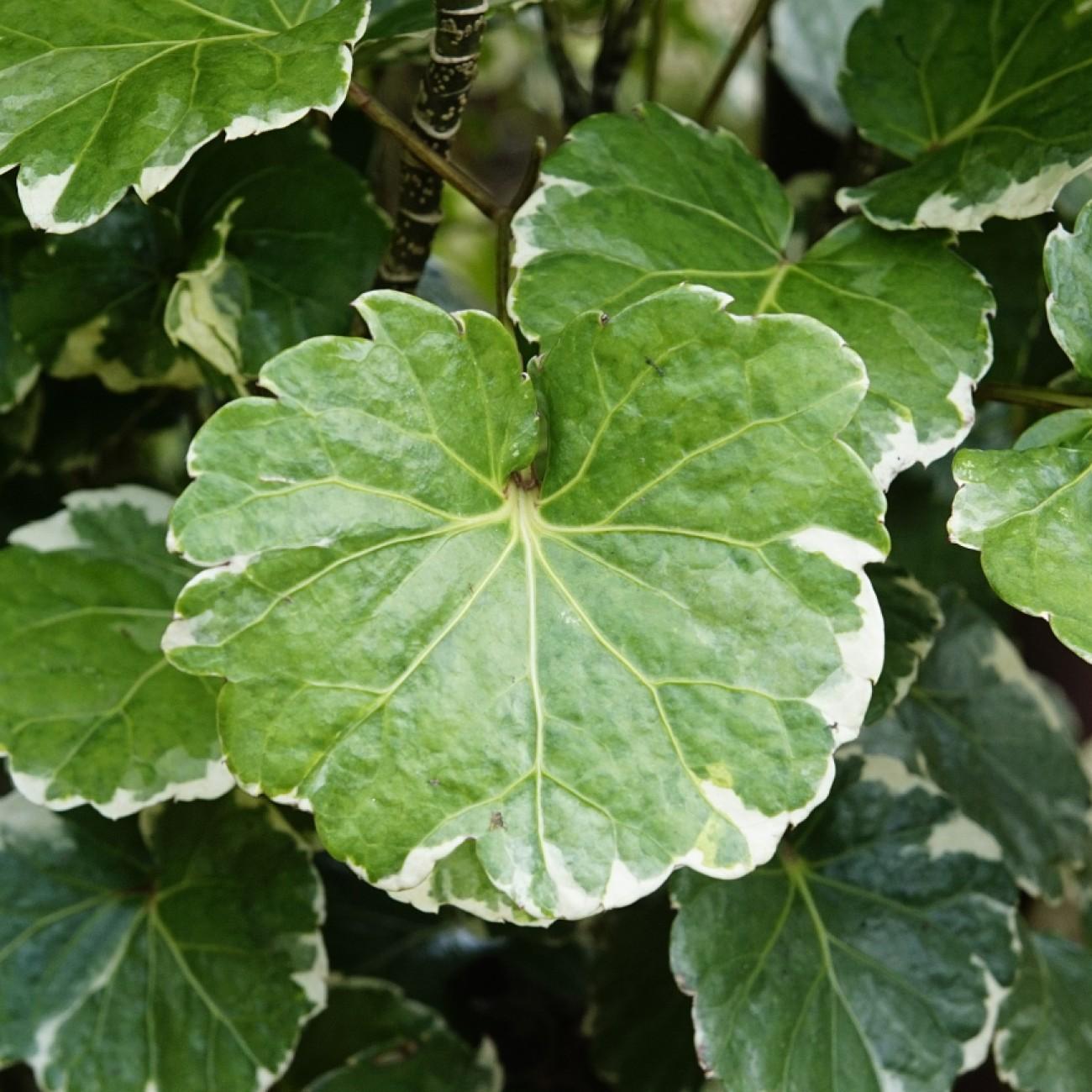
Balfour Aralia
Polyscias scutellaria 'Balfourii'
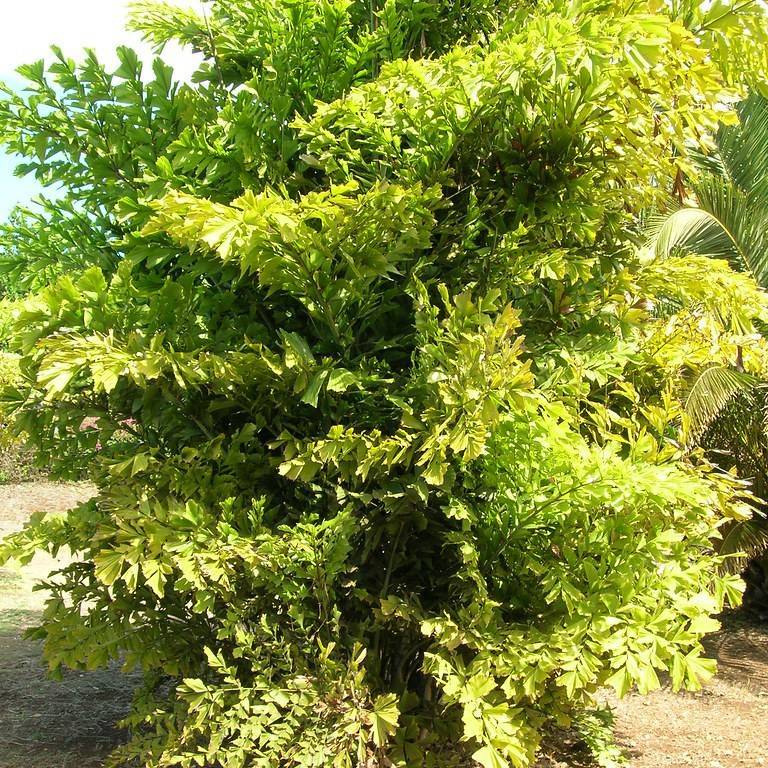
Fishtail Palm
Caryota mitis