Beardtongue
Penstemon spp.
Overview
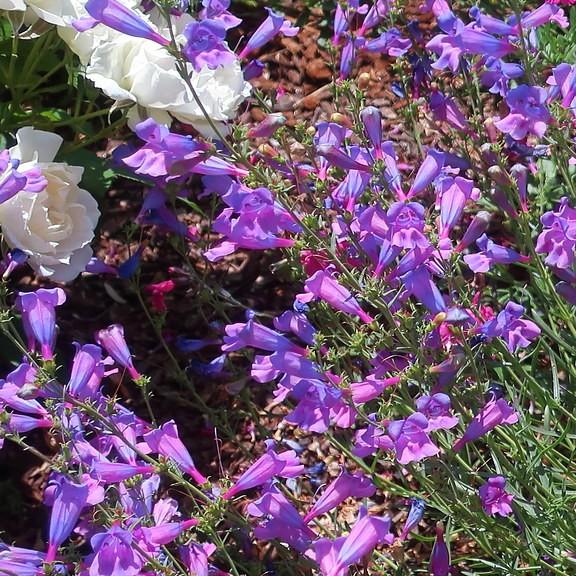
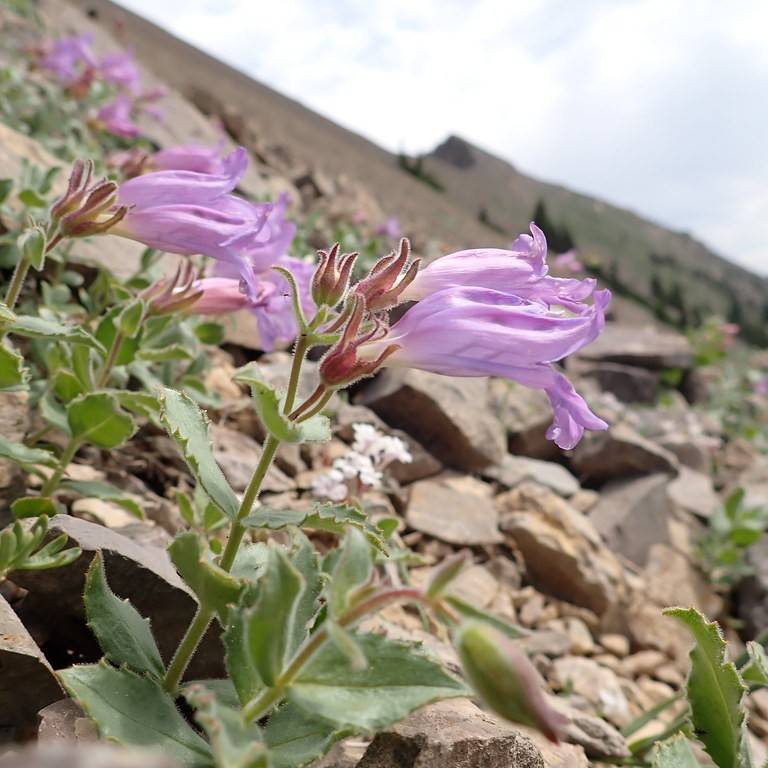
Beardtongue, part of the large Penstemon genus with over 250 species, is a hardy native perennial valued for its long bloom period and adaptability to varied climates. Its distinctive tubular flowers have a fuzzy, sterile stamen that protrudes from the bloom, giving the plant its common name. Most species are drought-tolerant once established, making them ideal for water-wise and native gardens.
Care Guide
Watering
Water newly planted beardtongue regularly for the first growing season to establish a deep, extensive root system. Once established, the plant is highly drought-tolerant, requiring only occasional watering during prolonged dry spells. Avoid overwatering, as soggy soil will quickly cause root rot.
Light
Beardtongue thrives in full sun, requiring at least 6 hours of direct sunlight per day to produce abundant blooms and maintain a compact, sturdy growth habit. It can tolerate partial shade, but flowering will be reduced, and plants may become leggy and prone to flopping. In extremely hot southern climates, light afternoon shade can prevent leaf scorch.
Soil
This plant prefers well-drained, sandy or gravelly soil with a neutral to slightly alkaline pH. It tolerates poor, low-nutrient soils better than rich, heavy clay, which holds too much moisture around the roots. Amending heavy soil with sand or grit before planting will improve drainage and prevent root rot.
Fertilizer
Beardtongue has low nutrient needs and rarely requires fertilizer, as overly rich soil promotes weak, leggy growth and reduces flowering. A light application of balanced, slow-release fertilizer in early spring is sufficient for plants growing in very poor, nutrient-depleted soil. Avoid using high-nitrogen fertilizers, which encourage foliage growth at the expense of blooms.
Temperature
Most beardtongue species are cold-hardy in USDA zones 3 through 9, tolerating winter temperatures as low as -40°F (-40°C). They thrive in warm summer temperatures, with many desert-adapted species tolerating highs above 100°F (38°C) as long as drainage is excellent. Extreme winter moisture, not cold, is the most common cause of plant death in cold climates.
Pruning
Deadhead spent flower spikes after the first bloom to encourage a second flush of flowers later in the growing season. Cut back the entire plant to 2-3 inches above the soil line in late fall or early spring to remove dead foliage and promote fresh, healthy new growth. Thin out crowded clumps every 3-4 years to improve air circulation and reduce disease risk.
Propagation
Beardtongue can be propagated easily from seed sown directly outdoors in fall or started indoors 8-10 weeks before the last spring frost. Many varieties can also be propagated from softwood cuttings taken in early summer, rooted in moist, well-drained medium under indirect light. Divide mature clumps in early spring or fall to create new plants and prevent overcrowding.
Humidity
Beardtongue prefers low to moderate humidity levels and is well-adapted to dry, arid climates. High humidity combined with poor air circulation can increase the risk of foliar fungal diseases such as powdery mildew. Ensure plants are spaced appropriately to allow air flow around the foliage in more humid regions.
Repotting
Beardtongue grown in containers should be repotted every 2-3 years in early spring, using a fast-draining cactus or succulent potting mix amended with grit. Choose a pot with ample drainage holes, and avoid overpotting, as excess soil holds unnecessary moisture that can damage roots. If plants become root-bound, gently loosen the root ball before repotting to encourage new root growth.
Uses & Symbolism
Beardtongue is a popular addition to native gardens, pollinator habitats, and xeriscapes, as its nectar-rich flowers attract bees, hummingbirds, and butterflies. Several species have a history of use in Indigenous traditional medicine for treating ailments including toothaches, sore throats, and digestive issues. It also makes an excellent cut flower, with sturdy stems and long-lasting blooms that work well in fresh arrangements.
Diseases & Pests
Beardtongue is relatively pest-resistant, but can be affected by aphids, spider mites, and slugs, especially in humid, shaded conditions. Fungal diseases including powdery mildew, leaf spot, and root rot are common in poorly drained soil or when plants are overwatered. Ensuring proper drainage, full sun exposure, and adequate air spacing will prevent most disease issues.
Related plants
Other plants you might like if you grow Beardtongue.