Candia Tulip
Tulipa saxatilis
Overview
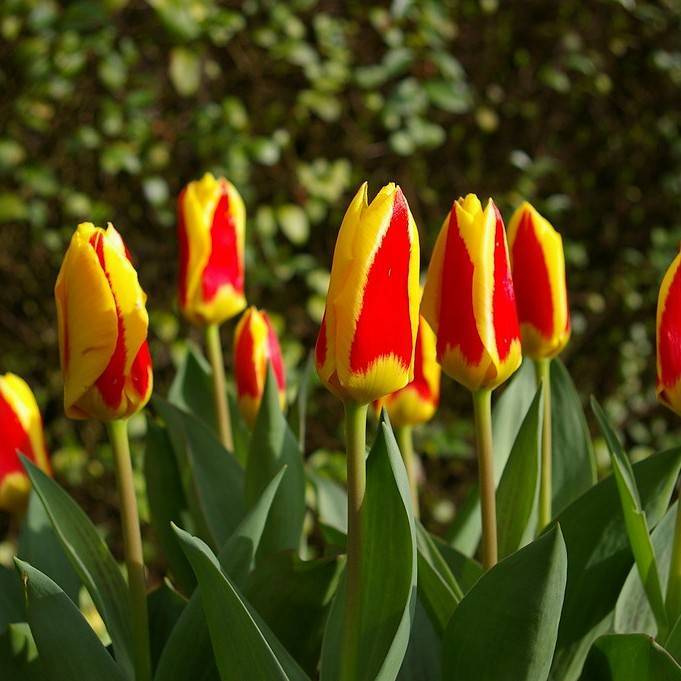
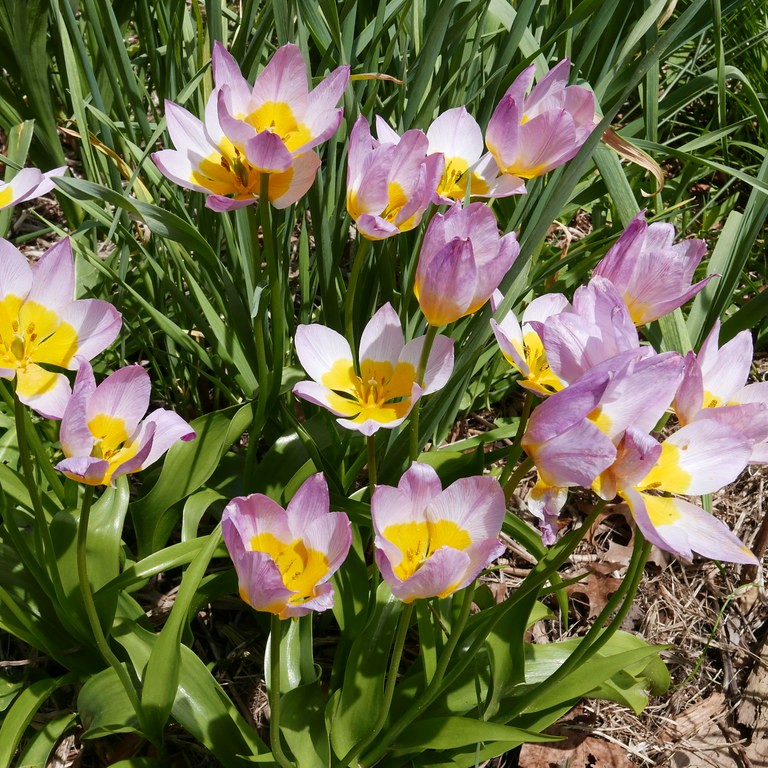
The Candia tulip, sometimes called the rock tulip or Crete tulip, is a small, robust species tulip adapted to rocky, coastal Mediterranean habitats. It produces 1 to 3 cup-shaped flowers per stem, with soft lilac-pink outer petals, a bright golden yellow basal blotch, and a faint sweet fragrance. Unlike many hybrid tulips, it naturalizes readily in suitable climates, forming spreading clumps over time and returning reliably each spring with minimal care.
Care Guide
Watering
Water deeply once per week during active spring growth, allowing the top 2 inches of soil to dry out between sessions to prevent bulb rot. Reduce watering gradually once foliage begins to yellow after flowering stops, and keep soil completely dry during the summer dormant period to avoid bulb decay.
Light
Plant Candia tulips in full sun, at least 6 hours of direct unfiltered sunlight daily, to support robust flowering and compact growth. In extremely hot summer regions, light dappled afternoon shade is acceptable, as it prevents scorching of foliage before the plant enters dormancy.
Soil
Thrives in sharply drained, gritty, sandy loam soil with a neutral to slightly alkaline pH between 6.5 and 7.5. Heavy clay soils must be amended with coarse sand, perlite, or crushed limestone to improve drainage, as soggy soil will quickly kill the bulbs during dormancy.
Fertilizer
Apply a balanced, slow-release 10-10-10 bulb fertilizer in early spring as new shoots emerge, watering it in thoroughly to avoid burning young root tissue. No additional fertilization is needed after flowering, as the plant stores all required nutrients in its bulbs for the next growing season.
Temperature
Prefers cool winter temperatures between 35-45°F (2-7°C) for 12-14 weeks to satisfy vernalization requirements for flowering, and mild spring temperatures between 50-65°F (10-18°C) during active growth. It is winter hardy in USDA zones 4-8, tolerating short periods of frost down to -20°F (-29°C) when bulbs are planted at the correct depth.
Pruning
Deadhead spent flower stems immediately after blooming to prevent seed formation, which diverts energy away from bulb storage for the next year’s growth. Leave all green foliage intact until it turns fully yellow and wilts naturally, usually 4-6 weeks after flowering, to allow the plant to photosynthesize and replenish bulb nutrients.
Propagation
Easily propagated by dividing small offset bulbs from the parent bulb clump during the summer dormant period, when foliage has fully died back. Replant offsets immediately at the same depth as mature bulbs, 2-3 inches (5-8 cm) deep, and expect them to flower in 1-2 years once they reach full size.
Humidity
Adapted to low to moderate Mediterranean humidity levels between 30-50%, and tolerates dry air very well during its summer dormant period. High humidity combined with warm temperatures increases the risk of fungal bulb rot, so ensure consistent air flow around plantings in humid climates.
Repotting
When grown in containers, lift and divide bulb clumps every 2-3 years during summer dormancy to prevent overcrowding, which reduces flowering. Repot into fresh, gritty potting mix formulated for bulbs, ensuring the container has multiple drainage holes to prevent standing water around the roots.
Uses & Symbolism
Candia tulips are widely used in rock gardens, alpine gardens, and border edges, where their low, spreading habit and delicate spring blooms create a natural, wildflower effect. They are also well suited for container growing on patios and windowsills, as their compact size does not require deep planting space. In their native range, they have historically been used as a minor ornamental in local Mediterranean garden designs, valued for their drought tolerance and reliable return each year.
Diseases & Pests
The most common issue is bulb rot, caused by overwatering or poorly drained soil, which presents as soft, mushy bulbs and stunted, yellowing foliage. Aphids may feed on young spring shoots, sucking sap and spreading viral diseases such as tulip breaking virus, which causes streaked, distorted flower petals. Fungal leaf spot may occur in overly humid conditions, creating small brown lesions on foliage; this can be prevented by spacing plants for adequate air flow and avoiding overhead watering.
Related plants
Other plants you might like if you grow Candia Tulip.