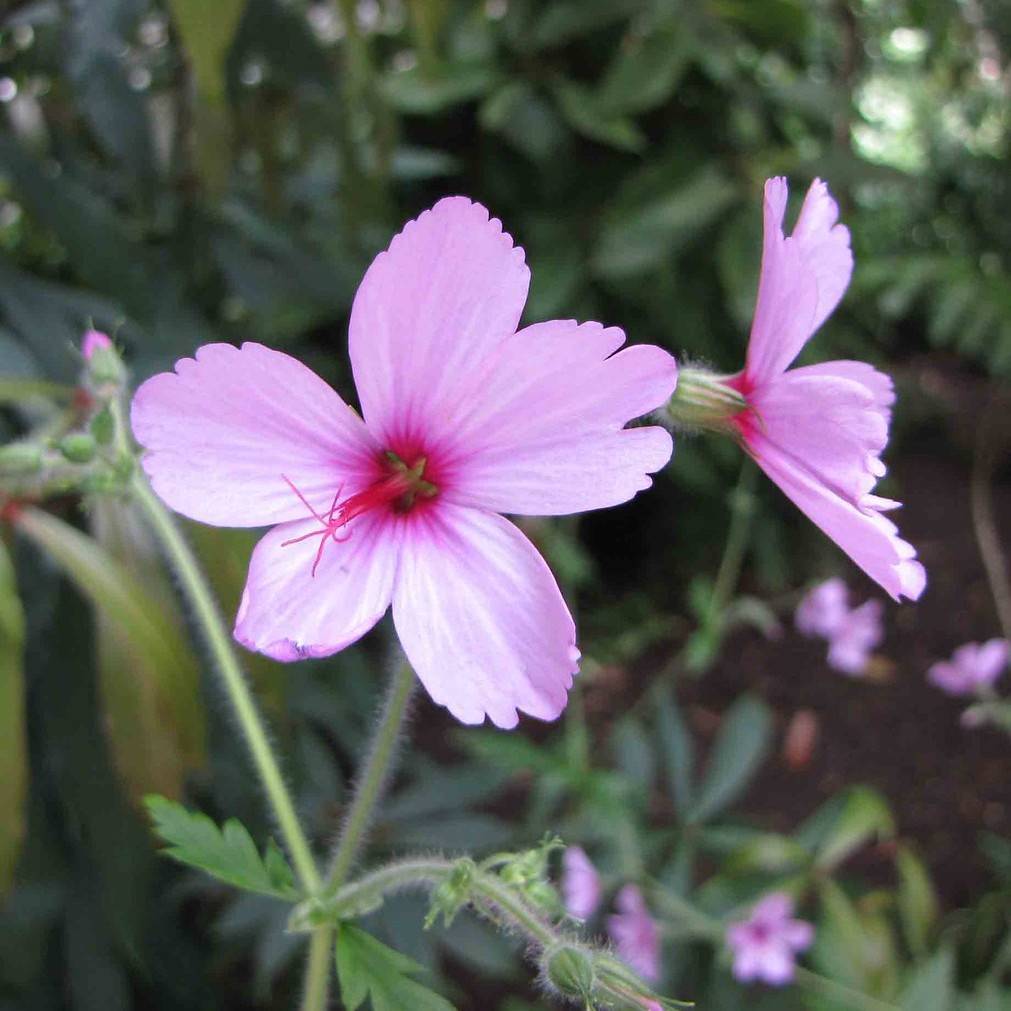
Canary Island Geranium
Geranium palmatum
Overview
Geranium palmatum, commonly called the Canary Island geranium, is a striking evergreen perennial adapted to the mild, coastal climates of its native island habitat. It forms a robust basal rosette of deeply lobed, glossy dark green leaves, with upright flower stalks emerging in the growing season to carry clusters of soft pink, five-petaled blooms marked with darker pink veining. Unlike hardy garden geraniums, it is only frost-tolerant to light freezes, making it a popular container or greenhouse plant in cooler temperate regions.
Care Guide
Watering
Water regularly during the spring and summer growing season, allowing the top 1 inch of soil to dry out between waterings to prevent root rot. Reduce watering frequency in fall and winter, providing just enough moisture to keep the soil from drying out completely when the plant is semi-dormant. Avoid overwatering, as soggy soil is the most common cause of decline in this species.
Light
Grow Canary Island geranium in bright, indirect light or partial shade, with protection from intense midday sun that can scorch its glossy foliage. In indoor settings, place it near a south or west-facing window with a sheer curtain to filter harsh direct light. Outdoors, position it in a spot that receives morning sun and afternoon shade for optimal growth and flowering.
Soil
Plant in a well-draining, loamy soil mix with a slightly acidic to neutral pH between 6.0 and 7.0. A mix of equal parts potting soil, perlite, and coarse sand works well for container-grown specimens, ensuring excess water drains quickly. Avoid heavy, clay-rich soils that retain moisture around the root system.
Fertilizer
Feed with a balanced, water-soluble fertilizer diluted to half strength every 4 to 6 weeks during the active growing season from spring to late summer. Do not fertilize in fall and winter, when the plant’s growth slows and it cannot absorb excess nutrients effectively. Over-fertilization can lead to lanky, weak foliage and reduced flowering.
Temperature
Thrives in mild temperatures between 60-75°F (15-24°C) during the growing season, and can tolerate short dips down to 30°F (-1°C) if kept dry. Prolonged exposure to temperatures below freezing will kill the plant, so container specimens should be brought indoors to a cool, bright spot over winter in regions with frost. Avoid placing it near cold drafts or heating vents when grown indoors.
Pruning
Remove spent flower stalks at the base after blooming to encourage additional flower production and maintain a tidy appearance. Trim back any yellowed or damaged leaves at the base of the rosette as needed throughout the year to improve air circulation around the plant. Heavy pruning is not required, but you can cut back overgrown stems by up to one-third in early spring to encourage bushier new growth.
Propagation
Propagate most easily from seed sown in early spring, covering the seeds lightly with potting mix and keeping them moist at 65-70°F (18-21°C) until germination occurs in 2 to 4 weeks. You can also take softwood stem cuttings from non-flowering shoots in late spring or early summer, dipping the cut end in rooting hormone and planting in a well-draining propagation mix. Division of mature clumps is not recommended, as the plant forms a single woody root crown that does not split easily.
Humidity
Adapted to the moderate humidity of its native coastal island habitat, tolerating average household humidity levels between 40-60% without issue. If grown in very dry indoor air, mist the foliage occasionally or place the pot on a tray of pebbles filled with water to raise surrounding humidity. Avoid excessively high humidity around the crown of the plant, as this can lead to fungal rot.
Repotting
Repot container-grown Canary Island geraniums every 2 to 3 years in early spring, just before new growth begins, moving to a pot only one size larger than the current one to avoid excess soil moisture buildup. Handle the root ball gently during repotting, as the thick, fleshy roots are prone to damage if disturbed roughly. After repotting, water lightly and keep the plant in partial shade for a week to allow it to adjust to its new container.
Uses & Symbolism
Canary Island geranium is primarily grown as an ornamental plant, prized for its large, attractive foliage and long-lasting pink blooms that add color to patio containers, coastal gardens, and indoor conservatory displays. In its native range, it is planted in xeriscape and low-water garden designs, as it tolerates dry periods once established. It is also a popular choice for pollinator gardens, as its flowers attract bees and butterflies throughout the blooming season.
Diseases & Pests
The most common issues affecting Canary Island geranium are root rot and crown rot caused by overwatering or poorly draining soil. It may also be susceptible to powdery mildew in humid, poorly ventilated conditions, which appears as a white powdery coating on the foliage. Common pests include aphids, whiteflies, and spider mites, which can be controlled with insecticidal soap or neem oil applications when infestations are noticed early.
Related plants
Other plants you might like if you grow Canary Island Geranium.
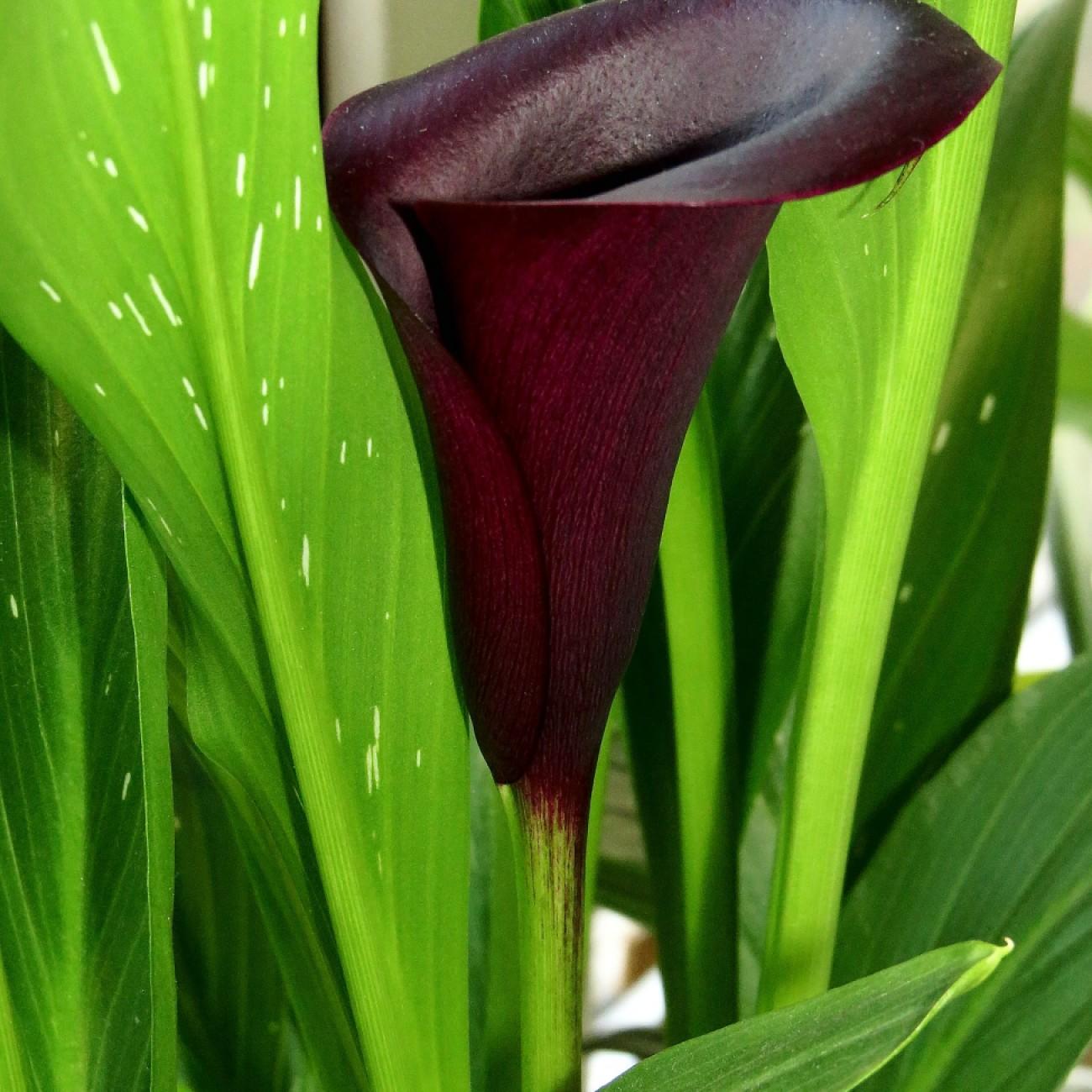
Calla Lily
Zantedeschia aethiopica
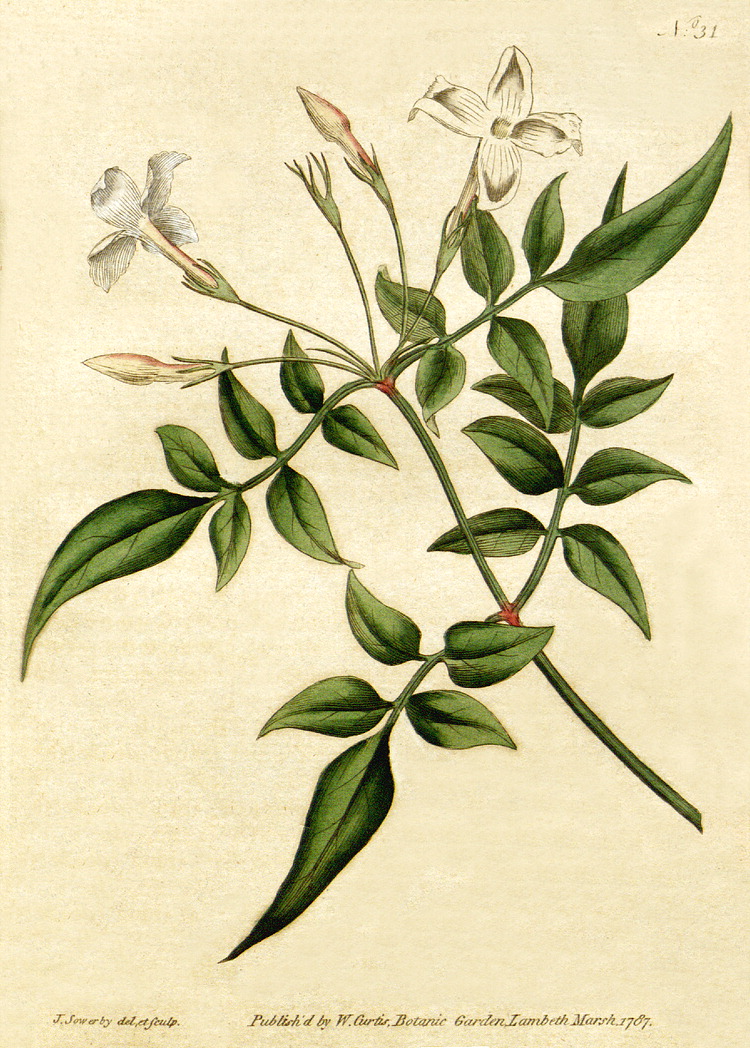
Common Jasmine
Jasminum officinale
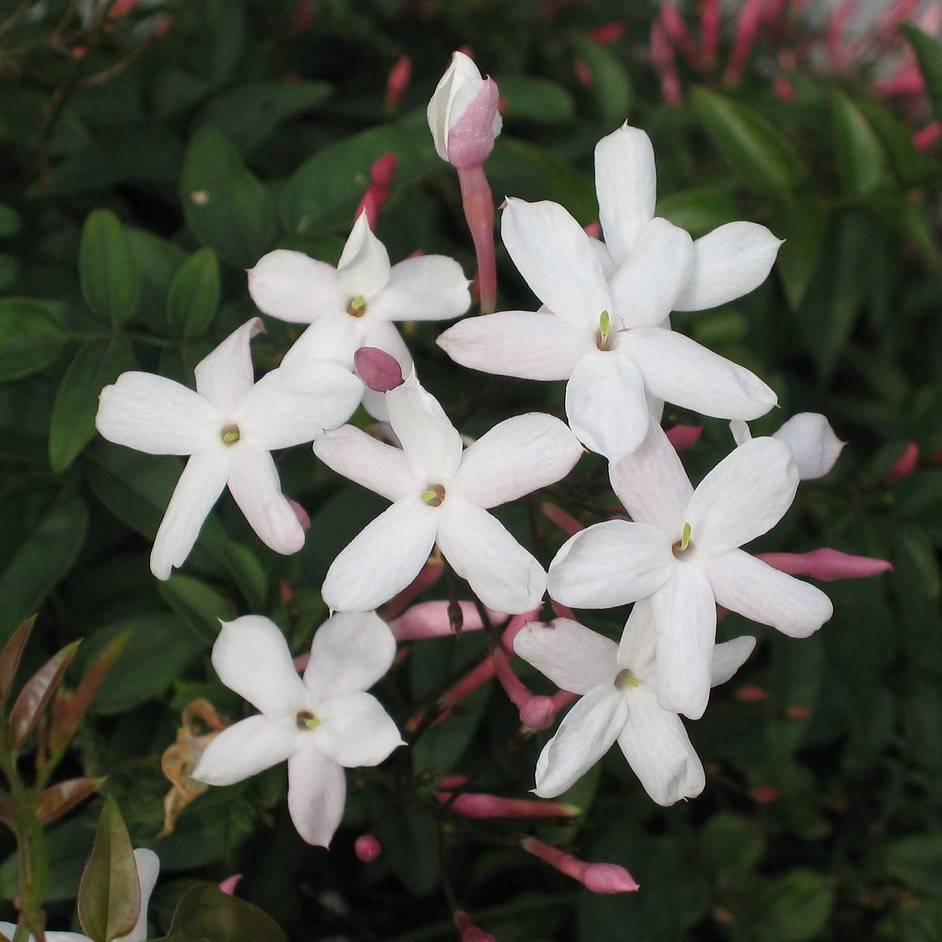
Jasmine
Jasminum officinale
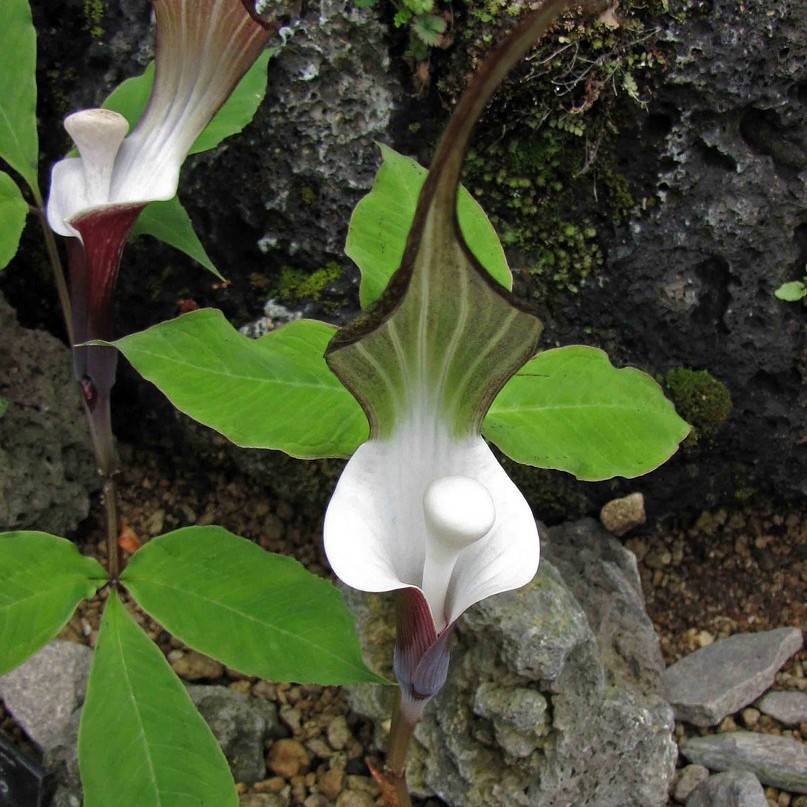
Japanese Jack In The Pulpit
Arisaema sikokianum
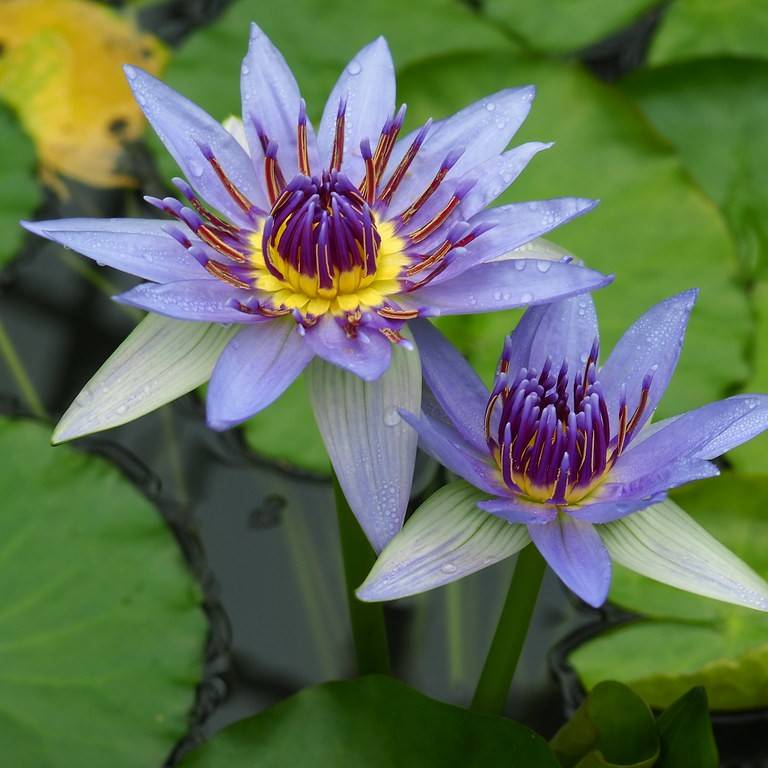
Egyptian Blue Water Lily
Nymphaea caerulea
%22%2F%3E%0A%20%20%20%20%20%20%3Ccircle%20cx%3D%22920%22%20cy%3D%22180%22%20r%3D%2290%22%20fill%3D%22%23cfe8d5%22%2F%3E%0A%20%20%20%20%20%20%3Cpath%20d%3D%22M600%20590c-90-180-215-255-310-280%200%20165%20118%20296%20270%20296h40z%22%20fill%3D%22%2379b88e%22%2F%3E%0A%20%20%20%20%20%20%3Cpath%20d%3D%22M600%20590c80-150%20198-212%20302-228-8%20142-123%20255-270%20255h-32z%22%20fill%3D%22%235c9f73%22%2F%3E%0A%20%20%20%20%20%20%3Cpath%20d%3D%22M600%20610V360%22%20stroke%3D%22%234f8c64%22%20stroke-width%3D%2218%22%20stroke-linecap%3D%22round%22%2F%3E%0A%20%20%20%20%20%20%3Ctext%20x%3D%22600%22%20y%3D%22700%22%20text-anchor%3D%22middle%22%20font-family%3D%22Arial%2C%20sans-serif%22%20font-size%3D%2244%22%20fill%3D%22%23365c45%22%3E%0A%20%20%20%20%20%20%20%20Plant%20image%20coming%20soon%0A%20%20%20%20%20%20%3C%2Ftext%3E%0A%20%20%20%20%3C%2Fsvg%3E%0A%20%20)
Grandiflora Rose
Rosa 'Grandiflora' group
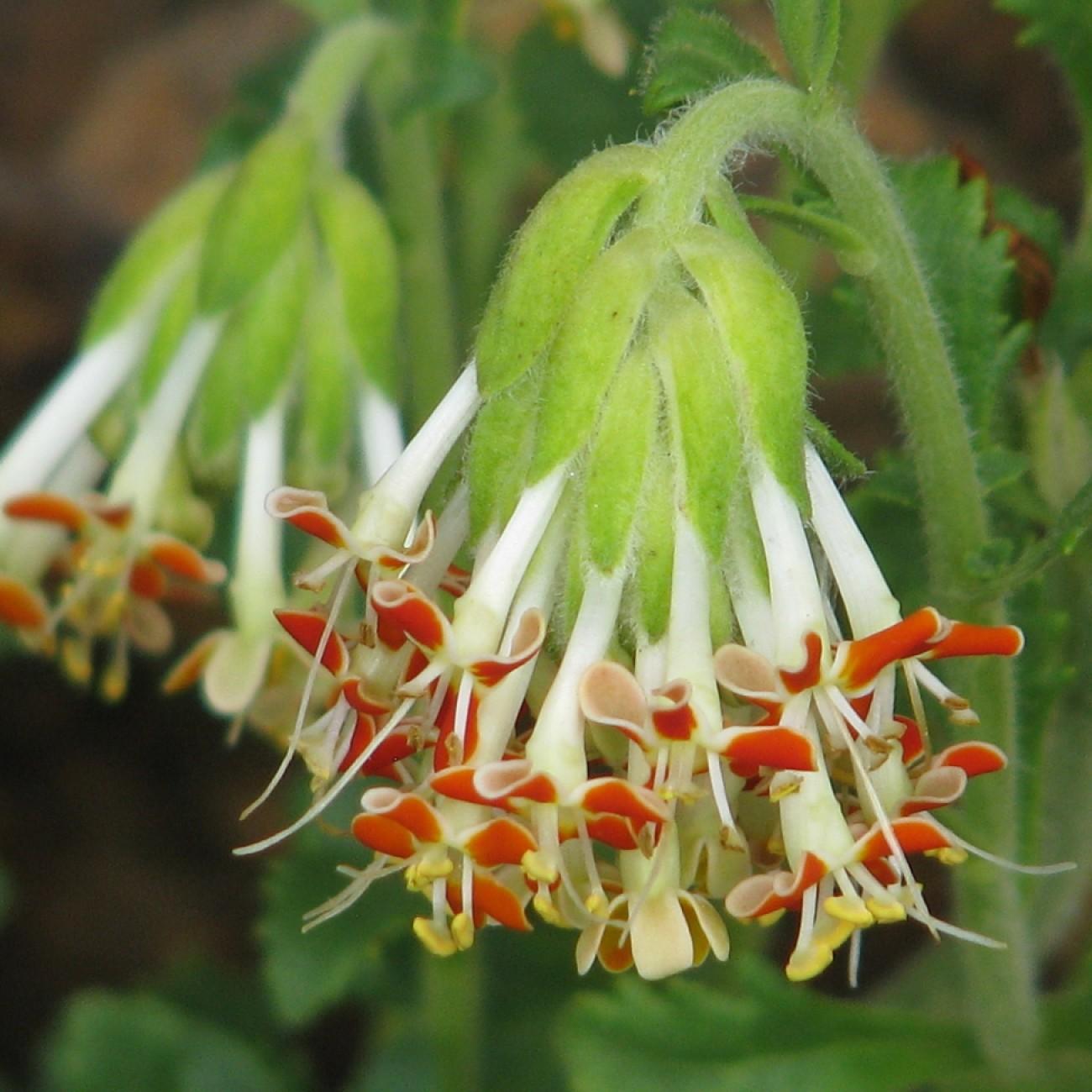
Glumicalyx
Glumicalyx spp.
Large Flowered Climbing Rose
Rosa 'Large Flowered Climbing' (hybrid group)