Canary Island Date Palm
Phoenix canariensis
Overview
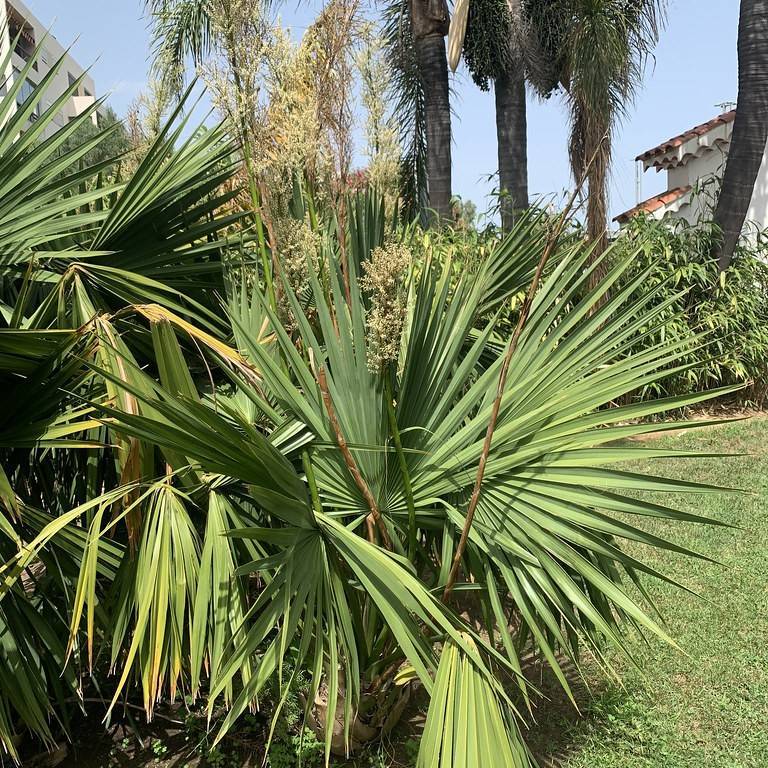
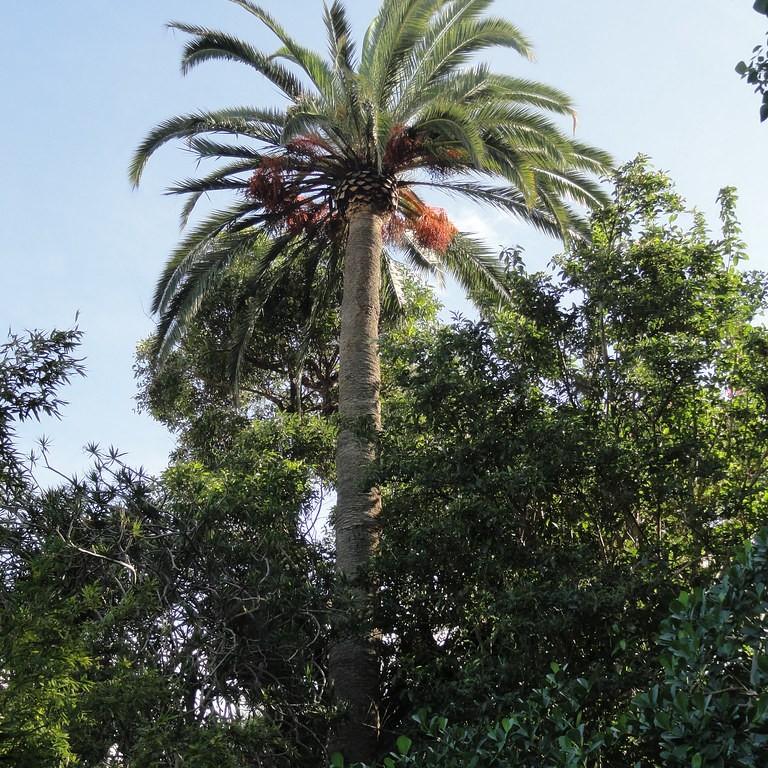
Native exclusively to the Canary Islands, this robust palm is distinguished by its massive, diamond-patterned trunk formed from persistent leaf bases, and crown of 50 to 100 deep green, pinnate fronds that can stretch 10 to 20 feet long. Though it produces small, orange, edible date-like fruits, they are much less palatable than those of the closely related common date palm (Phoenix dactylifera). It is a staple ornamental in Mediterranean, subtropical, and warm temperate regions worldwide, valued for its drought tolerance and dramatic architectural form.
Care Guide
Watering
Water young Canary Island Date Palms regularly to keep soil evenly moist but not waterlogged for the first 2 to 3 years as they establish root systems. Mature specimens are highly drought tolerant, requiring only occasional deep watering during prolonged dry periods, and are highly susceptible to root rot if overwatered. Avoid wetting the crown of the palm when watering, as this can increase the risk of fungal infections.
Light
Requires full, direct sunlight for a minimum of 6 hours per day to thrive and develop a dense, healthy frond crown. It can tolerate light partial shade for short periods, but extended low light will cause sparse, leggy growth and increased vulnerability to pests. Young seedlings can be grown in bright indirect light for their first year before transitioning to full sun.
Soil
Adaptable to a wide range of well-drained soil types, including sandy, loamy, and even moderately clay soils, as long as standing water does not accumulate around the root zone. It tolerates mildly acidic to moderately alkaline pH levels between 6.0 and 8.0, and is highly salt tolerant, making it suitable for coastal landscapes. Amending heavy clay soil with sand or organic matter at planting time will improve drainage and support healthier root growth.
Fertilizer
Feed established palms 2 to 3 times per year during the active growing season (spring through early fall) with a slow-release, palm-specific fertilizer formulated with extra magnesium, potassium, and manganese to prevent common nutrient deficiencies. Avoid fertilizing in late fall and winter when growth is dormant, as this can encourage tender new growth vulnerable to cold damage. Young palms can benefit from a light application of balanced, slow-release fertilizer every 2 months during their first 2 years to support steady growth.
Temperature
Thrives in warm temperatures between 65°F and 85°F (18°C to 29°C), and is more cold hardy than many other palm species, tolerating brief dips down to 20°F (-7°C) once mature. Young specimens are far more sensitive to frost, requiring protection or indoor overwintering if temperatures drop below 30°F (-1°C). Extended exposure to temperatures below 15°F (-9°C) will cause severe frond damage and may kill even mature plants.
Pruning
Prune only dead, brown, or severely damaged fronds 1 to 2 times per year, making cuts close to the trunk but leaving the leaf base intact to form the palm’s characteristic textured trunk pattern. Avoid removing green, healthy fronds, as this can stress the plant, reduce its nutrient stores, and increase vulnerability to disease and cold damage. Remove any developing fruit stalks if desired to prevent messy fruit drop and reduce the risk of volunteer seedlings sprouting in surrounding areas.
Propagation
Propagated almost exclusively from seed, as the species does not produce offsets or suckers reliably. Fresh seeds germinate best when sown in moist, well-drained seed starting mix and kept warm (75°F to 85°F / 24°C to 29°C) in bright indirect light, with germination typically occurring within 1 to 3 months. Seed-grown palms grow very slowly for their first 5 to 7 years, developing little to no above-ground trunk during this initial period.
Humidity
Adaptable to a wide range of humidity levels, tolerating the dry air of arid regions as well as the higher humidity of coastal and subtropical environments. Indoor-grown specimens benefit from occasional misting or placement near a humidifier if indoor humidity drops below 30% for extended periods, which can cause frond tip browning. Good air circulation around the fronds is recommended to prevent fungal leaf spot issues, especially in high-humidity climates.
Repotting
Container-grown young palms only need repotting every 2 to 3 years, or when roots begin to emerge from the drainage holes of the pot, as they prefer somewhat tight root conditions. Use a well-drained palm potting mix and select a pot only 2 to 3 inches larger in diameter than the current root ball to avoid excess soil moisture around the roots. Mature specimens grown in containers can be top-dressed with fresh compost annually instead of full repotting to reduce stress on the large root system.
Uses & Symbolism
Primarily grown as a large ornamental landscape plant for public spaces, coastal promenades, residential yards, and street plantings in warm climates, where its dramatic, symmetrical form adds a tropical or Mediterranean aesthetic. Its tough, fibrous leaves are traditionally used in the Canary Islands for weaving baskets, mats, and roof thatching, while its durable wood is occasionally used for small construction projects. Though its small, sweet fruits are edible, they are rarely harvested for consumption due to their large seed and minimal flesh, and are more often eaten by local wildlife.
Diseases & Pests
The most severe threat is lethal yellowing, a phytoplasma disease spread by planthoppers that causes yellowing fronds, premature fruit drop, and eventual death of the palm, with no known cure for infected specimens. Fungal diseases including Fusarium wilt, leaf spot, and root rot can occur from overwatering, poor drainage, or excessive moisture on the fronds, causing brown spots, wilting, and stunted growth. Common pests include spider mites, scale insects, and palm weevils, which feed on fronds and bore into the trunk, leading to weakening and structural damage if left untreated.
Related plants
Other plants you might like if you grow Canary Island Date Palm.