Canadian Milk Vetch
Astragalus canadensis
Overview
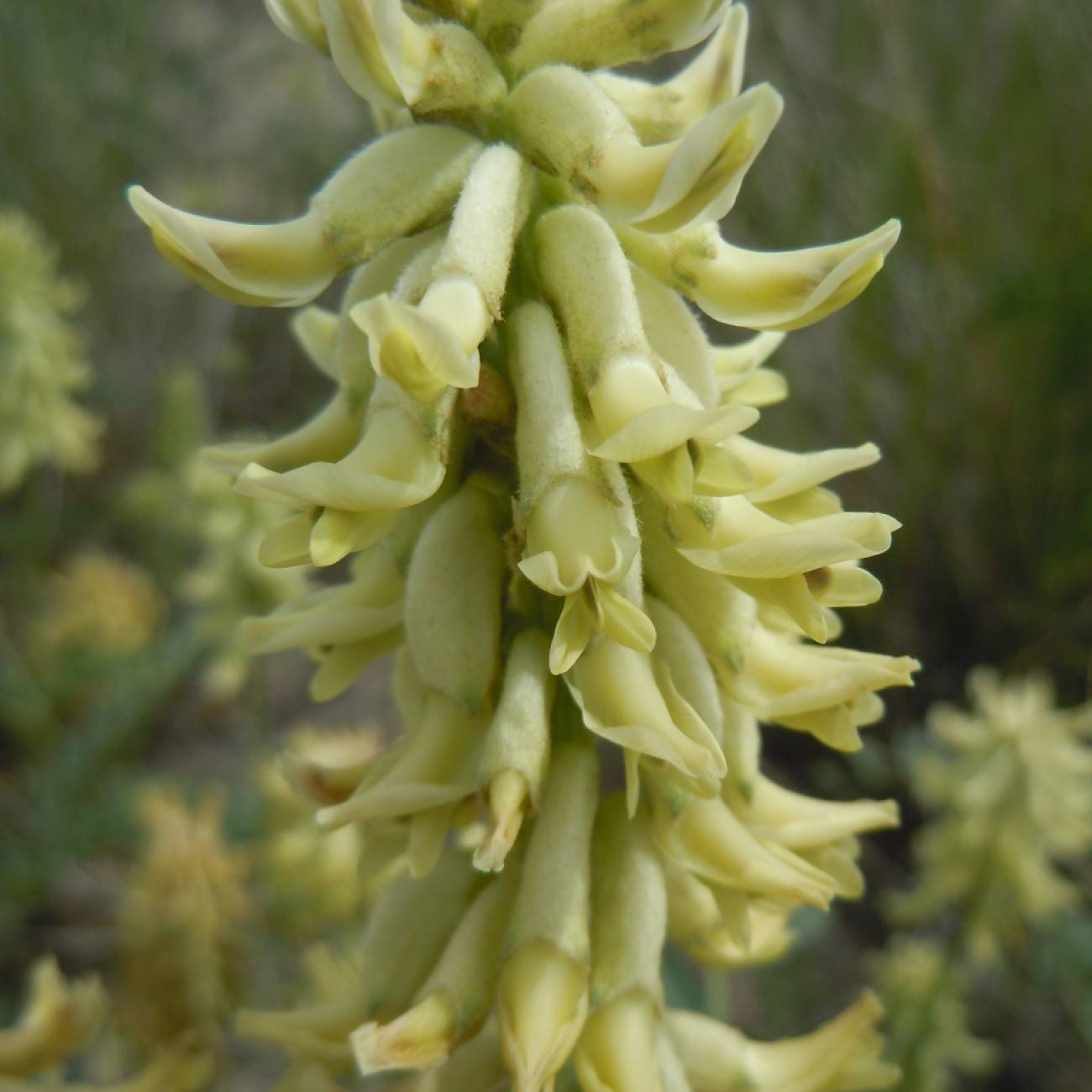
Canadian Milk Vetch is a robust herbaceous legume native to a wide range of North American habitats, including prairies, meadows, open woodlands, and roadsides. It produces dense, elongated spikes of small, creamy white to pale yellow pea-like flowers from early to mid-summer, which are highly attractive to bumblebees, hummingbirds, and native solitary bees. As a nitrogen-fixing plant, it forms symbiotic relationships with soil bacteria to convert atmospheric nitrogen into a form usable by surrounding plants, making it a valuable addition to restoration and wildlife garden projects. It also serves as a larval host plant for several species of blue and sulfur butterflies.
Care Guide
Watering
Canadian Milk Vetch is highly drought-tolerant once established, requiring only occasional deep watering during prolonged dry spells. Overwatering or consistently saturated soil will cause root rot, so allow the top 2 to 3 inches of soil to dry out completely between waterings. Newly planted specimens need regular, light watering for the first 2 to 3 months to help establish a strong root system.
Light
This species thrives in full sun, requiring a minimum of 6 hours of direct sunlight per day for optimal growth and flowering. It can tolerate partial shade, but shaded plants will produce fewer flowers, grow leggier, and be more prone to pest infestations. For indoor cultivation, place it in a south-facing window or supplement with grow lights to meet its high light requirements.
Soil
Canadian Milk Vetch adapts to a wide range of soil types, including sandy, loamy, clay, and rocky soils, as long as the site has excellent drainage. It prefers a neutral to slightly alkaline soil pH between 6.0 and 8.0, and it will tolerate poor, low-nutrient soils better than many other garden perennials. Avoid heavy, compacted soils that hold standing water, as this will quickly damage the plant’s root system.
Fertilizer
As a nitrogen-fixing legume, Canadian Milk Vetch produces its own nitrogen, so it rarely needs supplemental nitrogen fertilizer, which can actually reduce its nitrogen-fixing ability. Apply a balanced, slow-release low-nitrogen fertilizer once in early spring if growth appears stunted, or amend the soil with a thin layer of compost to improve soil structure without adding excess nutrients. Over-fertilization will lead to excessive leaf growth at the expense of flower production.
Temperature
This hardy perennial is adapted to USDA hardiness zones 3 through 8, tolerating winter temperatures as low as -40°F (-40°C) without winter protection in most regions. It thrives in average summer temperatures between 65°F and 85°F (18°C to 29°C), and it can tolerate short periods of extreme heat above 100°F (38°C) if provided with adequate root moisture. Extreme cold without snow cover may damage young plants, so a light layer of mulch applied in late fall can protect first-year specimens.
Pruning
Minimal pruning is required for Canadian Milk Vetch; cut back dead stems to ground level in late fall or early spring before new growth emerges to encourage a tidy growth habit and reduce overwintering pest habitat. Deadhead spent flower spikes if you wish to prevent self-seeding, though leaving seed heads in place provides food for small songbirds in late summer and fall. Thin out overcrowded clumps every 3 to 4 years in early spring to improve air circulation and reduce the risk of fungal disease.
Propagation
Canadian Milk Vetch is most commonly propagated from seed, which requires cold stratification for 30 to 60 days to break dormancy, or scarification with sandpaper to soften the hard seed coat before sowing. Sow seeds directly outdoors in late fall so they receive natural winter stratification, or start stratified seeds indoors 6 to 8 weeks before the last expected frost date. It can also be propagated by root division in early spring, though the plant has a deep taproot that makes division difficult, so seed propagation is generally preferred.
Humidity
This species adapts well to a wide range of humidity levels, thriving in both the dry prairie regions of the Great Plains and the more humid eastern North American climates. Average household humidity levels between 30% and 60% are sufficient for indoor cultivation, and it does not require misting or supplemental humidity. Excessively high humidity combined with poor air circulation can increase the risk of foliar fungal diseases, so ensure plants have adequate space between them for air flow.
Repotting
Canadian Milk Vetch has a long, deep taproot that makes it poorly suited for long-term container cultivation, as it will quickly become root-bound in all but the largest, deepest pots. If growing in a container, repot every 1 to 2 years in early spring before new growth begins, moving it to a pot at least 2 inches larger in diameter than the previous one, with ample drainage holes. Use a well-draining sandy loam potting mix, and avoid disturbing the taproot as much as possible during repotting to prevent transplant shock.
Uses & Symbolism
Canadian Milk Vetch is widely used in prairie restoration, erosion control, and pollinator garden projects, as its deep taproot stabilizes soil, its nitrogen-fixing ability improves soil fertility, and its flowers support a wide range of beneficial native pollinators. It is also planted as a forage crop for wildlife, including deer, rabbits, and game birds, though it is not recommended for livestock pastures due to its toxic alkaloid content. Indigenous peoples historically used the plant for a range of medicinal purposes, including as a treatment for coughs, wounds, and digestive issues, though modern medicinal use is limited due to its potential toxicity.
Diseases & Pests
Canadian Milk Vetch is relatively pest and disease resistant, though it can be susceptible to root rot in poorly drained, waterlogged soils, which can be prevented by planting in well-drained sites and avoiding overwatering. Fungal foliar diseases including powdery mildew and leaf spot may occur in conditions of high humidity and poor air circulation, which can be managed by thinning overcrowded plants and removing affected foliage. Aphids and spider mites may occasionally infest new growth, which can be controlled with a strong spray of water or insecticidal soap, though severe infestations are rare in healthy outdoor specimens.
Related plants
Other plants you might like if you grow Canadian Milk Vetch.
%22%2F%3E%0A%20%20%20%20%20%20%3Ccircle%20cx%3D%22920%22%20cy%3D%22180%22%20r%3D%2290%22%20fill%3D%22%23cfe8d5%22%2F%3E%0A%20%20%20%20%20%20%3Cpath%20d%3D%22M600%20590c-90-180-215-255-310-280%200%20165%20118%20296%20270%20296h40z%22%20fill%3D%22%2379b88e%22%2F%3E%0A%20%20%20%20%20%20%3Cpath%20d%3D%22M600%20590c80-150%20198-212%20302-228-8%20142-123%20255-270%20255h-32z%22%20fill%3D%22%235c9f73%22%2F%3E%0A%20%20%20%20%20%20%3Cpath%20d%3D%22M600%20610V360%22%20stroke%3D%22%234f8c64%22%20stroke-width%3D%2218%22%20stroke-linecap%3D%22round%22%2F%3E%0A%20%20%20%20%20%20%3Ctext%20x%3D%22600%22%20y%3D%22700%22%20text-anchor%3D%22middle%22%20font-family%3D%22Arial%2C%20sans-serif%22%20font-size%3D%2244%22%20fill%3D%22%23365c45%22%3E%0A%20%20%20%20%20%20%20%20Plant%20image%20coming%20soon%0A%20%20%20%20%20%20%3C%2Ftext%3E%0A%20%20%20%20%3C%2Fsvg%3E%0A%20%20)