%22%2F%3E%0A%20%20%20%20%20%20%3Ccircle%20cx%3D%22920%22%20cy%3D%22180%22%20r%3D%2290%22%20fill%3D%22%23cfe8d5%22%2F%3E%0A%20%20%20%20%20%20%3Cpath%20d%3D%22M600%20590c-90-180-215-255-310-280%200%20165%20118%20296%20270%20296h40z%22%20fill%3D%22%2379b88e%22%2F%3E%0A%20%20%20%20%20%20%3Cpath%20d%3D%22M600%20590c80-150%20198-212%20302-228-8%20142-123%20255-270%20255h-32z%22%20fill%3D%22%235c9f73%22%2F%3E%0A%20%20%20%20%20%20%3Cpath%20d%3D%22M600%20610V360%22%20stroke%3D%22%234f8c64%22%20stroke-width%3D%2218%22%20stroke-linecap%3D%22round%22%2F%3E%0A%20%20%20%20%20%20%3Ctext%20x%3D%22600%22%20y%3D%22700%22%20text-anchor%3D%22middle%22%20font-family%3D%22Arial%2C%20sans-serif%22%20font-size%3D%2244%22%20fill%3D%22%23365c45%22%3E%0A%20%20%20%20%20%20%20%20Plant%20image%20coming%20soon%0A%20%20%20%20%20%20%3C%2Ftext%3E%0A%20%20%20%20%3C%2Fsvg%3E%0A%20%20)
Don Meadow Milk Vetch
Astragalus donianus
Overview
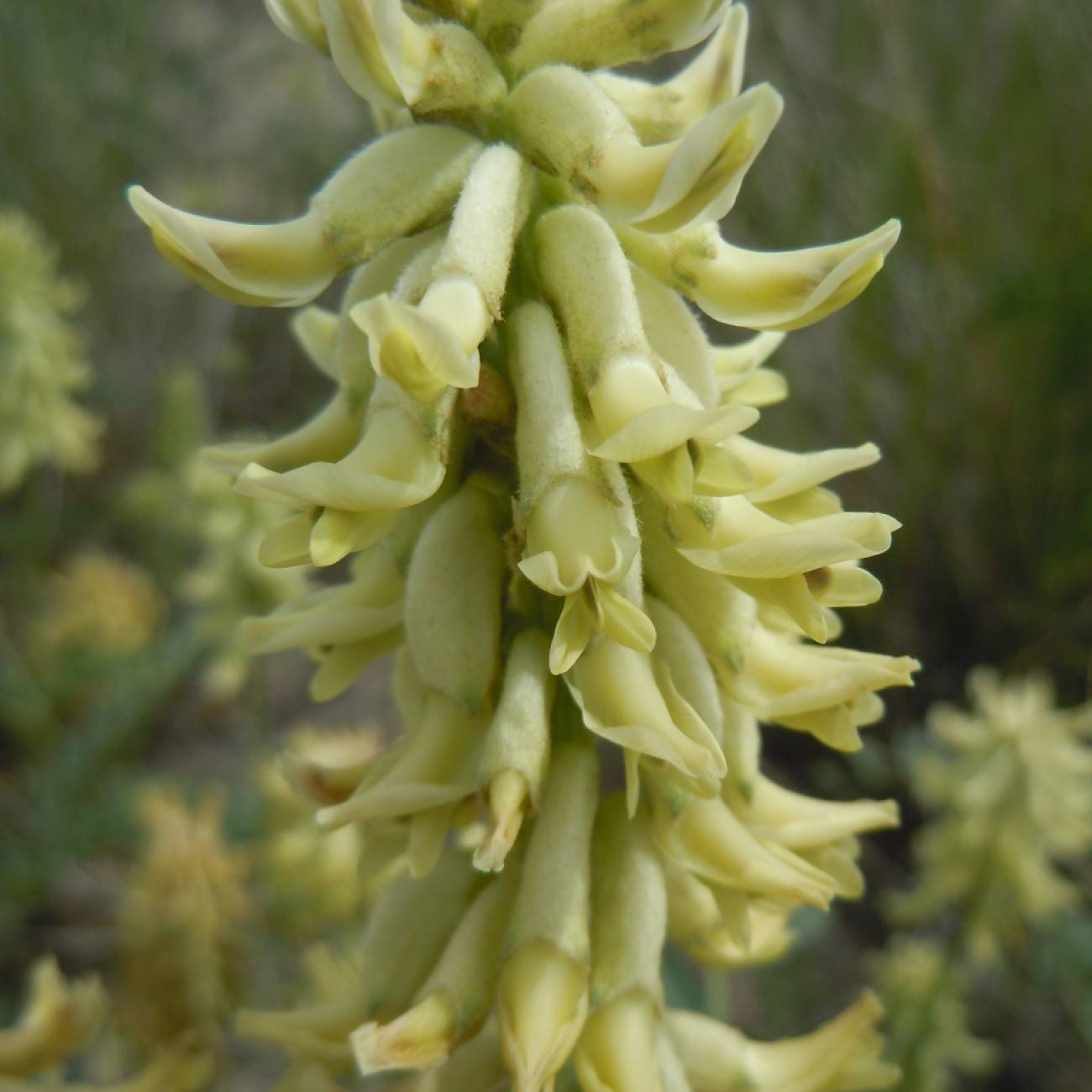
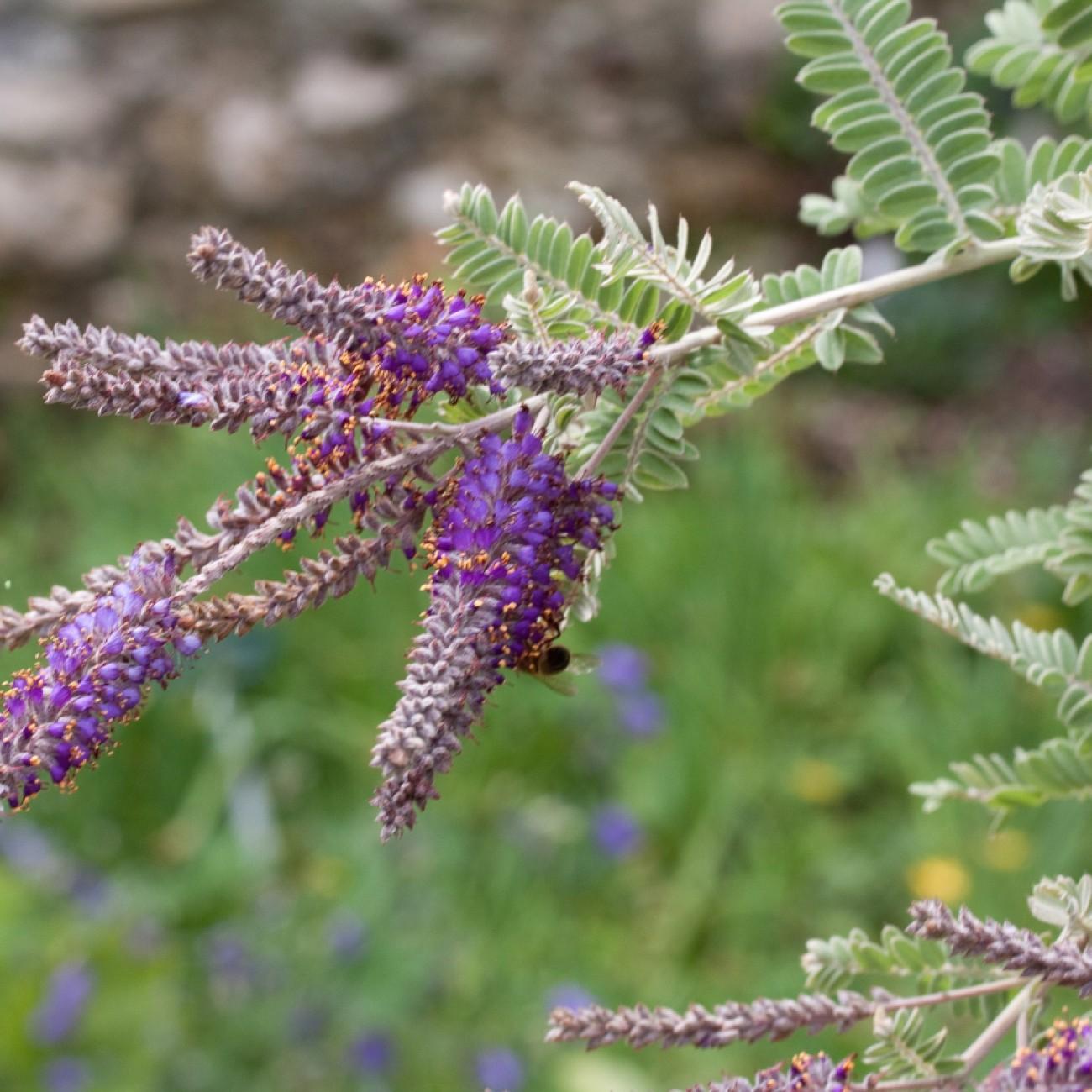
Don Meadow Milk Vetch is a low-growing, clumping legume adapted to temperate steppe and meadow habitats, where it forms spreading mats of pinnate, silvery-green foliage. From late spring to mid-summer, it bears upright spikes of small, pale purple to creamy white pea-shaped flowers that attract native pollinators including bumblebees and solitary bees. As a nitrogen-fixing species, it improves soil fertility by hosting symbiotic bacteria in its root nodules, making it a valuable component of native meadow restoration projects.
Care Guide
Watering
Drought-tolerant once established, Don Meadow Milk Vetch prefers consistent moderate moisture during its active spring growth period, but can survive extended dry spells in summer once its root system is well-developed. Avoid overwatering or waterlogged conditions, as this can cause root rot and fungal disease in the crown of the plant. In cultivation, water only when the top 2 to 3 inches of soil are completely dry, reducing frequency significantly during the winter dormant period.
Light
Thrives in full, direct sun exposure of at least 6 to 8 hours per day, which supports robust foliage growth and abundant flowering. It can tolerate partial shade, but will produce fewer flowers and may develop lanky, stretched growth in low-light conditions. For indoor or container cultivation, place it in a south-facing window or supplement with full-spectrum grow lights to meet its light requirements.
Soil
Adapted to well-drained, loamy or sandy soils with a neutral to slightly alkaline pH range of 6.5 to 8.0, typical of its native steppe habitat. It can tolerate poor, low-nutrient soils thanks to its nitrogen-fixing capabilities, but will not survive in heavy, compacted clay soils that retain excess moisture. When planting in a garden bed, amend heavy soils with coarse sand or compost to improve drainage before installing specimens.
Fertilizer
Requires very little supplemental fertilization, as its symbiotic root bacteria produce sufficient nitrogen to support its growth. Over-fertilizing, especially with high-nitrogen formulas, can reduce flowering and disrupt its natural nitrogen-fixing function. If growth appears stunted, apply a low-nitrogen, balanced slow-release fertilizer once at the start of the spring growing season at half the recommended label rate.
Temperature
Prefers temperate continental climates with cold winters and warm summers, hardy to USDA zones 4 through 8, tolerating winter temperatures as low as -30°F (-34°C) when dormant. It thrives in summer temperatures between 65°F and 85°F (18°C and 29°C), and can tolerate short periods of heat above 90°F (32°C) if provided with adequate root moisture. In regions with mild, wet winters, it may require additional drainage protection to prevent crown rot during cool, damp periods.
Pruning
Requires minimal pruning; spent flower spikes can be deadheaded after blooming to prevent unwanted self-seeding if desired, though allowing some seed to set supports natural population spread in meadow plantings. In late fall, cut back dead foliage to 2 to 3 inches above the soil line to reduce overwintering habitat for pests and fungal pathogens. Avoid heavy pruning during active growth, as this can stress the plant and reduce flowering in the following season.
Propagation
Most commonly propagated from seed, which requires scarification (scratching the hard seed coat) and 2 to 3 weeks of cold stratification to break dormancy before sowing in spring. It can also be propagated by root division in early spring, before new growth emerges, though its deep taproot makes division difficult and less reliable than seed propagation. To ensure successful germination, sow scarified, stratified seeds ¼ inch deep in well-drained soil in full sun after the last frost date.
Humidity
Adapted to the moderate to low humidity levels typical of its native steppe habitat, tolerating humidity levels between 30% and 60% without issue. It does not require supplemental humidity, and high humidity above 70% combined with poor air circulation can increase the risk of fungal leaf spot and powdery mildew. For indoor container plants, ensure adequate air flow around the foliage to prevent moisture-related disease issues.
Repotting
Rarely grown in containers due to its deep taproot, but if cultivated in a pot, use a deep, wide container at least 12 inches deep to accommodate its extensive root system. Repot only every 3 to 4 years, in early spring before new growth emerges, as disturbing the taproot can cause significant stress to the plant. When repotting, use a well-drained sandy loam potting mix and avoid damaging the central taproot to prevent transplant shock.
Uses & Symbolism
Don Meadow Milk Vetch is a key species in native steppe meadow restoration projects, as its nitrogen-fixing capabilities improve soil health and support the growth of companion meadow plants, while its flowers provide a critical nectar source for native pollinators. It is occasionally planted in xeriscapes and low-water gardens for its drought tolerance and attractive pale purple summer blooms, though its toxicity makes it unsuitable for gardens frequented by livestock or small children. Historically, some regional herbal traditions used small, controlled quantities of the plant for its purported anti-inflammatory properties, though medicinal use is not recommended due to its toxic alkaloid content.
Diseases & Pests
Don Meadow Milk Vetch is relatively pest and disease resistant, but can be affected by powdery mildew and fungal leaf spot in conditions of high humidity, poor air circulation, or prolonged leaf wetness. Root rot is a common issue in waterlogged, poorly drained soils, which can quickly kill the plant by rotting its deep taproot. It may occasionally be fed on by aphids and legume weevils, though infestations are rarely severe and can be managed with insecticidal soap or manual removal of affected foliage.
Related plants
Other plants you might like if you grow Don Meadow Milk Vetch.