Canada Milk Vetch
Astragalus canadensis
Overview
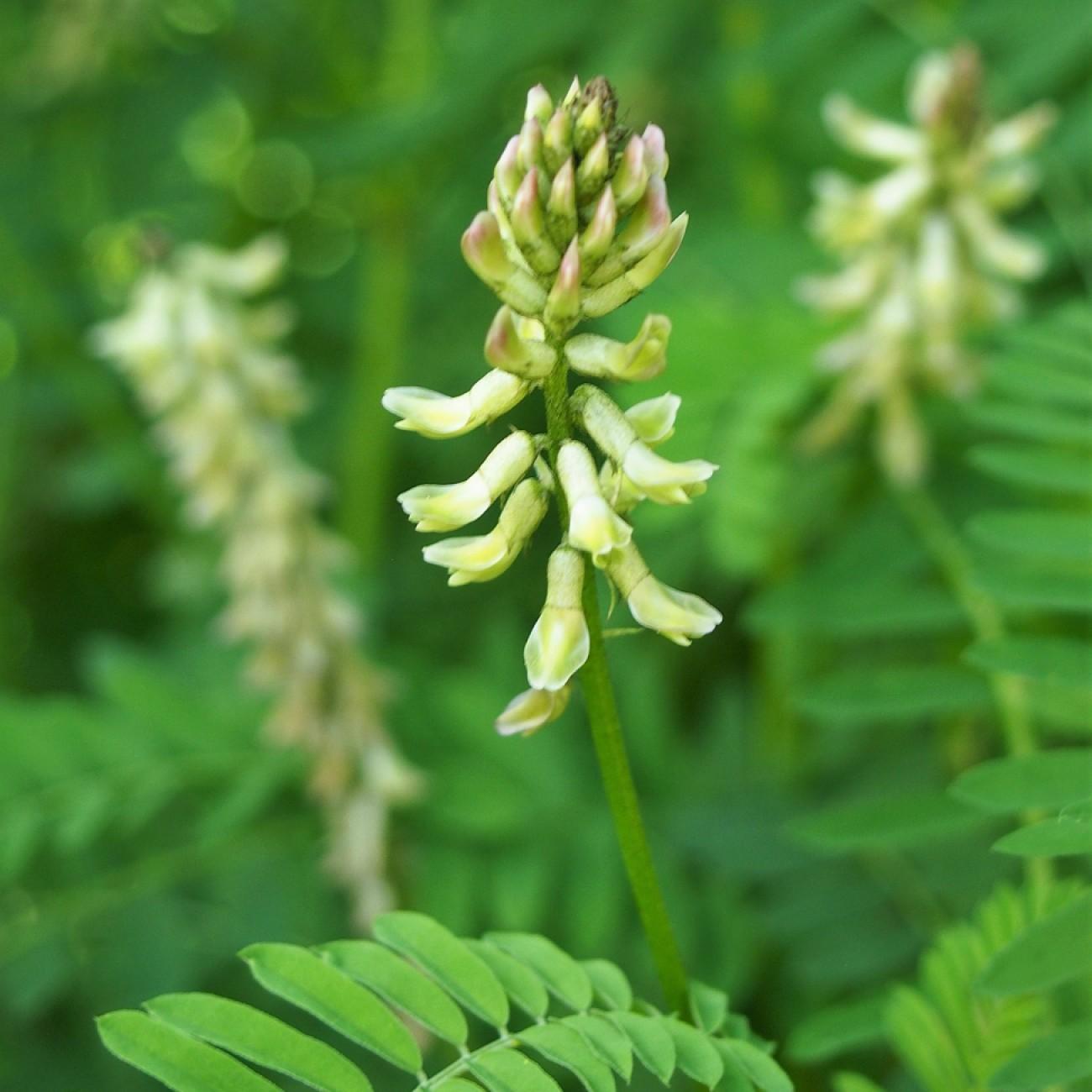
Canada milk vetch is a robust, clumping legume native to prairies, meadows, stream banks, and open woodlands across North America. It produces dense, elongated spikes of creamy white to pale yellow pea-like flowers from early to mid-summer, followed by drooping, inflated seed pods that persist into fall. As a nitrogen-fixing species, it improves soil fertility, making it a popular choice for restoration projects and native plant gardens.
Care Guide
Watering
Tolerates a wide range of moisture levels, from moderately dry to seasonally wet soils, and is drought-tolerant once established. Water regularly during the first growing season to help roots establish, then reduce frequency, only watering during prolonged dry spells. Avoid overwatering in poorly drained soils, as this can cause root rot.
Light
Thrives in full sun, receiving at least 6 hours of direct sunlight per day, but can tolerate partial shade, though flowering may be reduced in shadier locations. In hotter southern climates, light afternoon shade can help prevent leaf scorch during the peak of summer.
Soil
Adaptable to most soil types, including sandy, loamy, clay, and rocky soils, and tolerates a wide pH range from slightly acidic to slightly alkaline. It prefers well-drained soil but can withstand occasional flooding and poor, low-nutrient soils thanks to its nitrogen-fixing root nodules.
Fertilizer
Generally requires no supplemental fertilizer, as it forms a symbiotic relationship with soil bacteria to fix atmospheric nitrogen for its own use. If planted in extremely poor, depleted soil, a light application of balanced, slow-release fertilizer in early spring can support initial growth, but excess nitrogen will reduce flowering and nitrogen fixation.
Temperature
Cold-hardy in USDA zones 3 through 8, tolerating winter temperatures as low as -40°F (-40°C). It thrives in a wide range of summer temperatures, from cool northern climates to warm southern regions, as long as it receives adequate moisture during extreme heat.
Pruning
Requires minimal pruning; deadhead spent flower spikes if you wish to prevent self-seeding, though the persistent seed pods provide food for birds and add winter interest. Cut back dead foliage to the ground in late fall or early spring before new growth emerges to keep the planting tidy and reduce overwintering pest habitat.
Propagation
Most commonly propagated from seed, which requires scarification (nicking or soaking in hot water for 24 hours) to break hard seed coat dormancy before sowing in fall or early spring. It can also be propagated by root division in early spring before new growth begins, though its deep taproot makes division challenging for mature plants.
Humidity
Adaptable to a wide range of humidity levels, from dry prairie conditions to humid eastern North American climates, with no specific humidity requirements. It does not suffer from humidity-related issues as long as soil drainage is adequate.
Repotting
Rarely grown in containers due to its deep taproot, which can extend several feet deep into the soil. If grown in a large, deep pot, repot every 2-3 years in early spring before new growth emerges, using a well-drained, loamy potting mix, and avoid disturbing the taproot as much as possible to prevent transplant shock.
Uses & Symbolism
Widely used in prairie restoration, erosion control, and riparian buffer plantings due to its deep root system that stabilizes soil and its nitrogen-fixing ability that improves soil health. It is a valuable pollinator plant, supporting bumblebees, native bees, hummingbirds, and butterflies, while its seed pods provide food for game birds and small mammals. It has a history of use in Indigenous traditional medicine for treating a range of ailments, though consumption is not recommended without expert guidance due to potential toxicity.
Diseases & Pests
Generally resistant to most pests and diseases, though it can be affected by root rot in poorly drained, waterlogged soils. It may occasionally be targeted by aphids, spider mites, or legume weevils, which can be controlled with insecticidal soap or natural predators like lady beetles. In high-selenium soils, it can accumulate toxic levels of the element, increasing risks to grazing livestock.
Related plants
Other plants you might like if you grow Canada Milk Vetch.
%22%2F%3E%0A%20%20%20%20%20%20%3Ccircle%20cx%3D%22920%22%20cy%3D%22180%22%20r%3D%2290%22%20fill%3D%22%23cfe8d5%22%2F%3E%0A%20%20%20%20%20%20%3Cpath%20d%3D%22M600%20590c-90-180-215-255-310-280%200%20165%20118%20296%20270%20296h40z%22%20fill%3D%22%2379b88e%22%2F%3E%0A%20%20%20%20%20%20%3Cpath%20d%3D%22M600%20590c80-150%20198-212%20302-228-8%20142-123%20255-270%20255h-32z%22%20fill%3D%22%235c9f73%22%2F%3E%0A%20%20%20%20%20%20%3Cpath%20d%3D%22M600%20610V360%22%20stroke%3D%22%234f8c64%22%20stroke-width%3D%2218%22%20stroke-linecap%3D%22round%22%2F%3E%0A%20%20%20%20%20%20%3Ctext%20x%3D%22600%22%20y%3D%22700%22%20text-anchor%3D%22middle%22%20font-family%3D%22Arial%2C%20sans-serif%22%20font-size%3D%2244%22%20fill%3D%22%23365c45%22%3E%0A%20%20%20%20%20%20%20%20Plant%20image%20coming%20soon%0A%20%20%20%20%20%20%3C%2Ftext%3E%0A%20%20%20%20%3C%2Fsvg%3E%0A%20%20)