%22%2F%3E%0A%20%20%20%20%20%20%3Ccircle%20cx%3D%22920%22%20cy%3D%22180%22%20r%3D%2290%22%20fill%3D%22%23cfe8d5%22%2F%3E%0A%20%20%20%20%20%20%3Cpath%20d%3D%22M600%20590c-90-180-215-255-310-280%200%20165%20118%20296%20270%20296h40z%22%20fill%3D%22%2379b88e%22%2F%3E%0A%20%20%20%20%20%20%3Cpath%20d%3D%22M600%20590c80-150%20198-212%20302-228-8%20142-123%20255-270%20255h-32z%22%20fill%3D%22%235c9f73%22%2F%3E%0A%20%20%20%20%20%20%3Cpath%20d%3D%22M600%20610V360%22%20stroke%3D%22%234f8c64%22%20stroke-width%3D%2218%22%20stroke-linecap%3D%22round%22%2F%3E%0A%20%20%20%20%20%20%3Ctext%20x%3D%22600%22%20y%3D%22700%22%20text-anchor%3D%22middle%22%20font-family%3D%22Arial%2C%20sans-serif%22%20font-size%3D%2244%22%20fill%3D%22%23365c45%22%3E%0A%20%20%20%20%20%20%20%20Plant%20image%20coming%20soon%0A%20%20%20%20%20%20%3C%2Ftext%3E%0A%20%20%20%20%3C%2Fsvg%3E%0A%20%20)
Hillside Milkvetch
Astragalus collinus
Overview
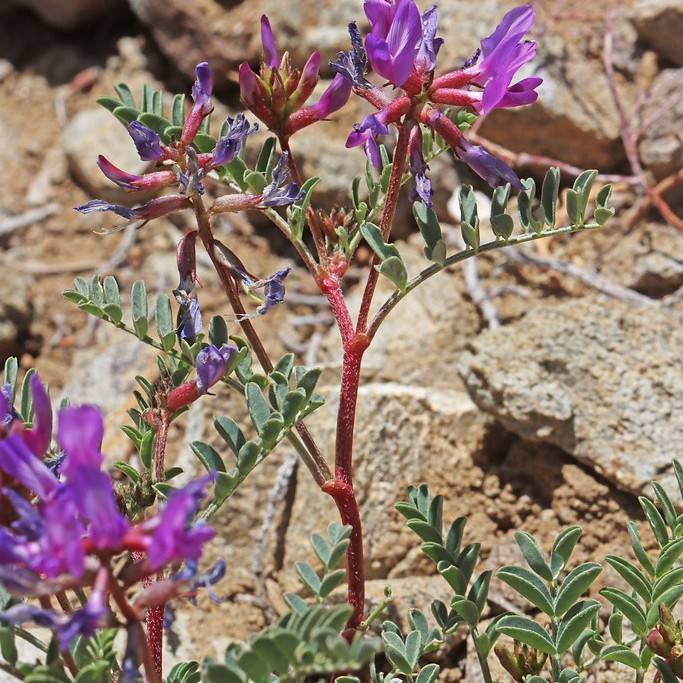
Hillside Milkvetch is a hardy, herbaceous perennial adapted to dry, open, rocky slopes, sagebrush steppes, and grassland ecosystems across western North America. It produces clusters of small, pale yellow to creamy white pea-shaped flowers from late spring to mid-summer, followed by small, curved seed pods. As a member of the Fabaceae family, it forms symbiotic relationships with soil bacteria to fix atmospheric nitrogen, improving soil fertility for surrounding plant species.
Care Guide
Watering
Hillside Milkvetch is highly drought-tolerant once established, requiring only occasional supplemental watering during extended periods of extreme heat or drought. Avoid overwatering, as saturated soil will quickly cause root rot and kill the plant. Young plants need light, regular watering for the first 1-2 growing seasons until their root systems are fully established.
Light
This species thrives in full, direct sunlight, requiring a minimum of 6 hours of unobstructed light per day to produce abundant flowers and maintain healthy growth. It can tolerate very light, dappled shade, but reduced light will lead to leggy growth, fewer blooms, and increased susceptibility to fungal diseases.
Soil
Hillside Milkvetch prefers well-drained, sandy, loamy, or rocky soils with a neutral to slightly alkaline pH, and is adapted to low-fertility soils common in its native range. It cannot tolerate heavy clay or poorly drained soils that hold moisture for extended periods. Amending heavy soil with coarse sand or gravel at planting time will improve drainage and support healthy root development.
Fertilizer
This nitrogen-fixing plant does not require regular fertilization, as it produces its own nitrogen supply through symbiotic relationships with Rhizobium bacteria in the soil. Excess nitrogen fertilizer will promote lush, weak foliage growth at the expense of flower and seed production, and may reduce the plant’s natural nitrogen-fixing capabilities. A light application of low-nitrogen, phosphorus-rich fertilizer can be applied in early spring only if growing in extremely poor, nutrient-depleted soil.
Temperature
Hillside Milkvetch is adapted to a wide range of temperatures, thriving in USDA hardiness zones 4 through 8, and can tolerate winter temperatures as low as -30°F (-34°C). It is highly heat-tolerant, withstanding summer temperatures above 100°F (38°C) as long as it is not overwatered. Late spring frosts may damage new growth, but the plant will typically regrow from its deep root system once temperatures warm.
Pruning
Minimal pruning is required for Hillside Milkvetch; spent flower stalks can be trimmed back after blooming to encourage a tidier growth habit and prevent unwanted self-seeding if desired. In late fall or early spring, cut back any dead or damaged foliage to the ground to make way for new growth. Avoid heavy pruning, as cutting back more than one-third of the plant’s foliage at one time can stress the root system.
Propagation
Hillside Milkvetch is most commonly propagated from seed, which requires scarification (mechanical scratching of the hard seed coat) and cold stratification for 30-60 days to break dormancy and improve germination rates. Sow stratified seeds directly outdoors in early spring, after the last frost date, in a well-drained, full-sun location. It can also be propagated from root cuttings taken in late winter, before new growth emerges, though this method is less reliable than seed propagation.
Humidity
This species is adapted to low to moderate humidity levels common in its native arid and semi-arid western North American habitats. It does not tolerate high humidity, especially when combined with warm temperatures, which increases the risk of fungal leaf spot and root rot. Good air circulation around the plant is essential to reduce humidity buildup and prevent disease.
Repotting
Hillside Milkvetch is rarely grown in containers, as it develops a deep, extensive taproot that does not adapt well to restricted root space. If grown in a pot, use a deep container at least 12 inches in diameter to accommodate the taproot, and repot only when the plant becomes severely root-bound, typically every 2-3 years. Repot in early spring, using a well-drained, sandy potting mix, and take care not to damage the taproot during the process, as this can kill the plant.
Uses & Symbolism
Hillside Milkvetch is used in native plant restoration and erosion control projects on dry, sloped sites, where its deep root system stabilizes soil and its nitrogen-fixing capabilities improve soil health for other native species. It provides an important early-season nectar source for native bees, bumblebees, and other pollinators, and its foliage is a host plant for several species of butterfly larvae. Due to its toxicity to livestock, it is not used as a forage crop, and is often removed from grazing lands to prevent animal poisoning.
Diseases & Pests
Hillside Milkvetch is relatively pest and disease resistant when grown in its preferred dry, well-drained conditions. Overwatering and high humidity can lead to fungal root rot, powdery mildew, and leaf spot diseases, which can be prevented by ensuring proper drainage and good air circulation. Aphids and spider mites may occasionally infest new growth, which can be controlled with insecticidal soap or a strong spray of water to dislodge the pests.
Related plants
Other plants you might like if you grow Hillside Milkvetch.