Annual Sow Thistle
Sonchus oleraceus
Overview
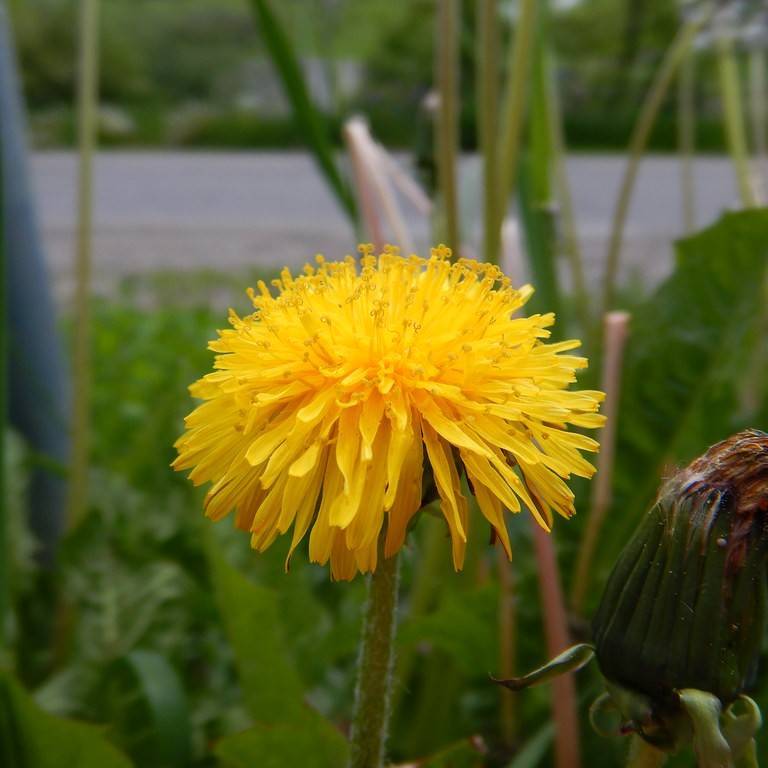
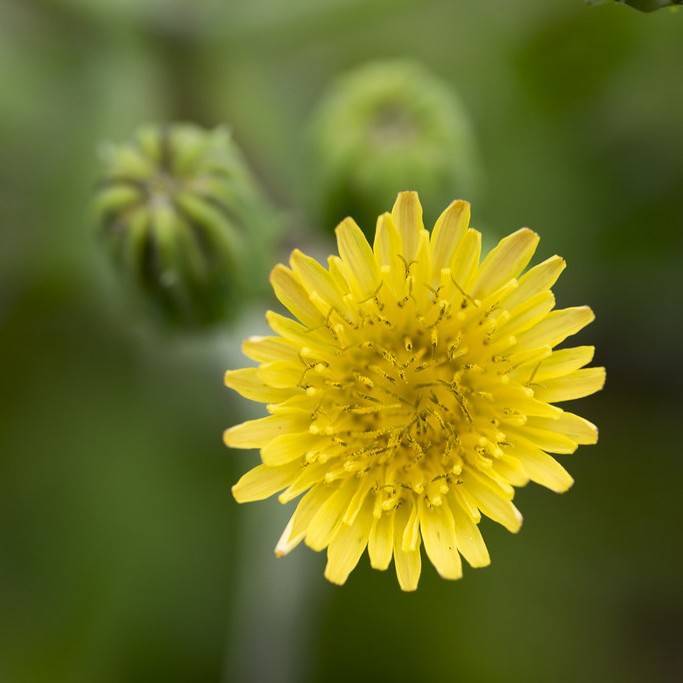
Annual sow thistle is a widespread herbaceous plant often mistaken for a weed, though it has a range of practical uses. It produces clusters of bright yellow composite flower heads from spring to fall, which are pollinated by bees and other beneficial insects. Its hollow stems exude a milky sap when broken, and its soft, lobed leaves have small, harmless spines along their margins. The plant readily self-seeds, allowing it to colonize disturbed areas, gardens, and roadsides quickly.
Care Guide
Watering
Annual sow thistle is highly drought-tolerant, requiring only occasional watering during prolonged dry spells to maintain leaf tenderness. Overwatering can lead to root rot, especially in poorly draining soils, so allow the top 2 inches of soil to dry out between waterings. Established plants rarely need supplemental irrigation in regions with regular seasonal rainfall.
Light
This plant thrives in full sun, requiring at least 6 hours of direct sunlight daily for robust growth and abundant flowering. It can tolerate partial shade, though plants grown in lower light will be leggier and produce fewer flowers and leaves. It adapts well to both open, exposed sites and partially shaded garden edges.
Soil
Annual sow thistle grows in nearly any soil type, from sandy loam to heavy clay, as long as the site is well-draining. It prefers a neutral to slightly alkaline pH range of 6.0 to 8.0, but can tolerate mildly acidic conditions as well. It often thrives in nutrient-poor soils where other plants struggle to establish.
Fertilizer
Fertilization is rarely necessary, as this plant grows vigorously even in low-nutrient soils. If grown for edible leaf production, a light application of balanced, all-purpose fertilizer once at planting time can encourage softer, more palatable foliage. Over-fertilization will lead to excessive, leggy growth and reduced leaf flavor.
Temperature
It grows best in temperatures between 50–85°F (10–29°C), germinating readily once soil temperatures rise above 50°F in spring. It can tolerate light frosts, but hard freezes will kill the plant entirely, as is typical for annual species. In mild climates, it may germinate in fall and overwinter as a small rosette before bolting in spring.
Pruning
Pruning is generally unnecessary, though cutting back flower heads before they set seed can prevent unwanted self-seeding and spread in garden settings. If grown for edible leaves, regular harvesting of young upper foliage will encourage bushier growth and delay bolting. Remove any yellowed or damaged lower leaves to improve air circulation around the plant.
Propagation
Annual sow thistle propagates exclusively from seed, which is readily dispersed by wind once flower heads mature and turn fluffy. Sow seeds directly outdoors in early spring, pressing them lightly into the soil surface as they require light to germinate. Seeds typically germinate within 7–14 days under warm, moist conditions, and no pre-treatment is required.
Humidity
This plant adapts to a wide range of humidity levels, thriving in both arid and moderately humid climates. It has no specific humidity requirements, though high humidity combined with poor air circulation can increase the risk of foliar fungal diseases. It tolerates dry air exceptionally well, making it suitable for xeric garden settings.
Repotting
Repotting is not applicable for this annual plant, as it is almost exclusively grown outdoors in garden beds or disturbed sites. If grown in a container, it will complete its entire lifecycle in a single season, so no repotting is needed during its growth period. Choose a container with drainage holes to prevent waterlogging if growing in a pot.
Uses & Symbolism
Young, tender leaves of annual sow thistle are edible raw in salads or cooked like spinach, with a mild, slightly bitter flavor similar to dandelion greens. Historically, the plant has been used in herbal medicine to treat inflammation, digestive issues, and minor skin irritations, thanks to its antioxidant and anti-inflammatory compounds. It also serves as a valuable forage plant for pollinators, and its seeds are a food source for small birds and finches.
Diseases & Pests
Annual sow thistle is relatively resistant to most pests and diseases, though it can be affected by powdery mildew in humid, poorly ventilated conditions. Aphids and leaf miners may occasionally feed on its foliage, though infestations are rarely severe enough to harm established plants. It can act as a host for aster yellows phytoplasma, which can spread to other ornamental and edible plants in the Asteraceae family if left unmanaged.
Related plants
Other plants you might like if you grow Annual Sow Thistle.