Gum Plant
Grindelia robusta
Overview
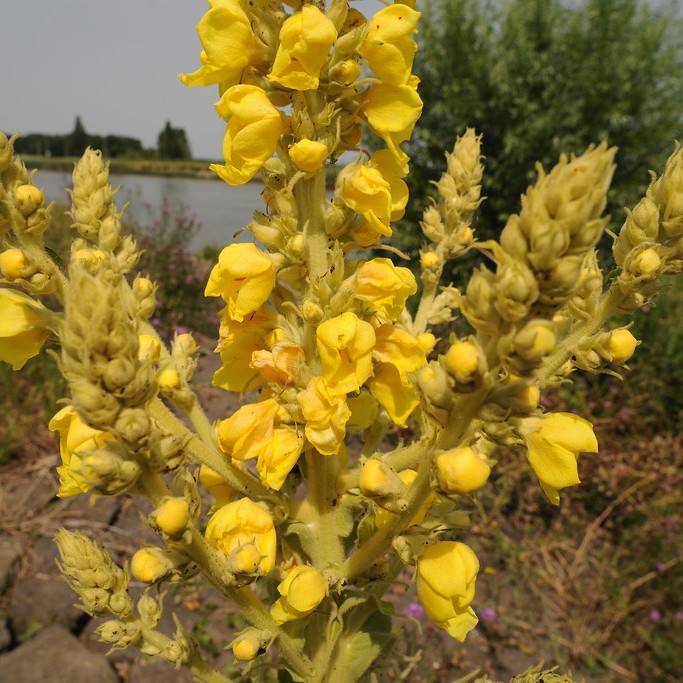
Gum plant, also called tarweed or resinweed, gets its common name from the thick, gummy white resin that covers its unopened flower buds, a trait that helps the plant retain moisture in its dry native habitats. It produces bright yellow, daisy-like blooms from mid to late summer, attracting pollinators including bees and butterflies. Historically, Indigenous peoples of North America used various parts of the plant for medicinal purposes, particularly for respiratory and skin ailments.
Care Guide
Watering
Gum plant is highly drought-tolerant once established, requiring only occasional deep watering during extended periods of hot, dry weather. Overwatering, especially in poorly draining soil, can lead to root rot, so allow the top several inches of soil to dry out completely between waterings. Reduce watering frequency significantly in fall and winter when the plant is dormant.
Light
This plant thrives in full, direct sunlight, requiring at least 6 hours of unobstructed sun per day to produce abundant blooms and maintain sturdy growth. It can tolerate very light partial shade, but too little sun will cause leggy growth, reduced flowering, and increased susceptibility to pest issues.
Soil
Gum plant prefers well-draining, sandy or loamy soil with a neutral to slightly alkaline pH, and it adapts well to poor, low-nutrient soils that would support few other plants. It cannot tolerate heavy, waterlogged clay soils, so amend dense planting sites with sand or gravel to improve drainage before planting. Avoid overly rich, organic soils that hold too much moisture.
Fertilizer
Gum plant is adapted to low-nutrient environments and rarely requires fertilization, as excess nutrients can encourage weak, leggy growth and reduce resin production. If grown in extremely poor soil, apply a thin layer of compost around the base of the plant in early spring, or use a balanced, slow-release fertilizer diluted to half the recommended strength once per growing season. Avoid high-nitrogen fertilizers, which promote foliage growth over flowering.
Temperature
Gum plant thrives in warm, dry climates, tolerating summer temperatures up to 100°F (38°C) without stress, and it is hardy in USDA zones 5 through 9. It can tolerate light winter frosts down to -20°F (-29°C) when established, though top growth will die back to the ground in colder regions in winter, resprouting from the root system in spring. Protect young plants from severe frost in their first winter with a layer of mulch.
Pruning
Prune gum plant in early spring before new growth emerges, cutting back dead winter stems to within a few inches of the ground to encourage fresh, bushy growth. Deadhead spent flowers throughout the blooming season to promote continued flowering and prevent unwanted self-seeding if you wish to limit spread. Cut back any leggy or damaged stems during the growing season to maintain a neat, compact shape.
Propagation
Gum plant is most easily propagated from seed, which can be sown directly outdoors in fall or stratified for 30 days and sown in spring after the last frost date. It can also be propagated from softwood stem cuttings taken in late spring or early summer, rooted in well-draining sandy soil with consistent moisture until roots form, which typically takes 3 to 4 weeks. Established clumps can also be divided in early spring before new growth starts, though the plant has a deep taproot that makes division more challenging.
Humidity
Gum plant prefers low to moderate humidity levels, thriving in the dry air of its native Mediterranean and semi-arid habitats. It tolerates average indoor humidity if grown as a potted plant, but high humidity levels above 60% can increase the risk of fungal leaf spots and powdery mildew. Ensure good air circulation around the plant to reduce moisture buildup on foliage.
Repotting
If grown in containers, repot gum plant every 2 to 3 years in spring, moving it to a pot only one size larger than the current one to avoid excess soil that holds unwanted moisture. Use a fast-draining cactus or succulent potting mix, or amend regular potting soil with 50% sand or perlite to improve drainage. Ensure the pot has ample drainage holes to prevent standing water around the root system.
Uses & Symbolism
Gum plant is a popular choice for xeriscaping, drought-tolerant gardens, and pollinator gardens, as it provides a reliable nectar source for bees and butterflies during the late summer when many other flowers have finished blooming. Its resinous buds and aerial parts have long been used in herbal medicine to treat respiratory conditions such as asthma, bronchitis, and coughs, as well as topical irritations like poison ivy rashes and insect bites. It is also sometimes planted for erosion control on dry, sloped sites with poor soil.
Diseases & Pests
Gum plant is largely pest and disease resistant due to its sticky resin, which deters most common herbivorous insects, though aphids and spider mites may occasionally infest stressed plants, particularly in overly shaded or humid conditions. Fungal diseases such as powdery mildew and root rot can occur if the plant is grown in poorly draining soil or overwatered, so proper soil drainage and watering practices are the best prevention. Deer and rabbits typically avoid eating this plant due to its bitter taste and resinous foliage.
Related plants
Other plants you might like if you grow Gum Plant.