Bishop's Wort
Stachys officinalis
Overview
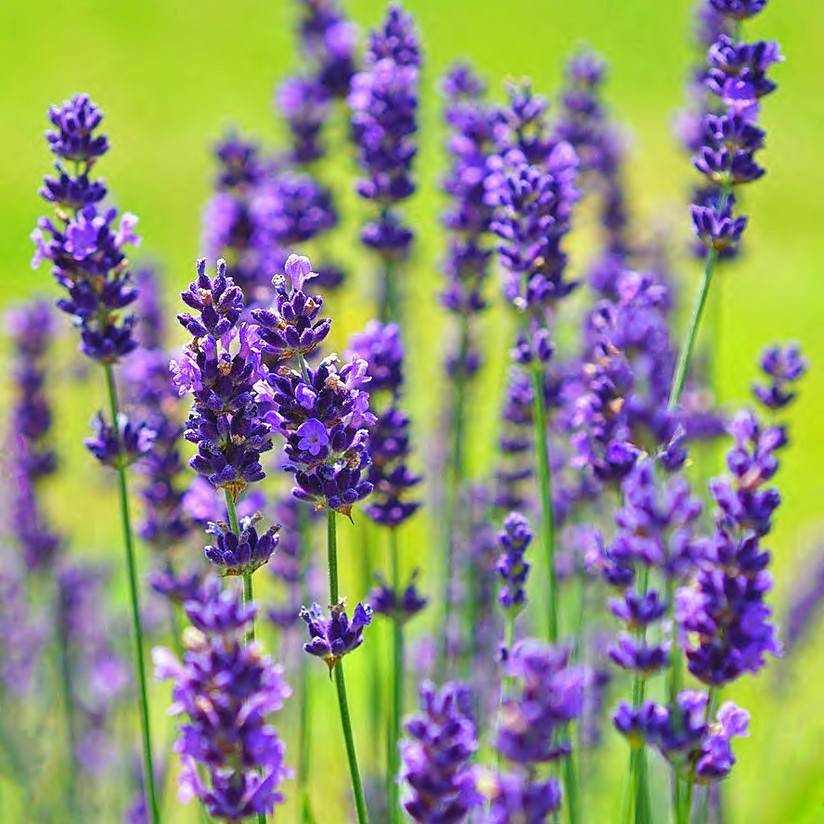
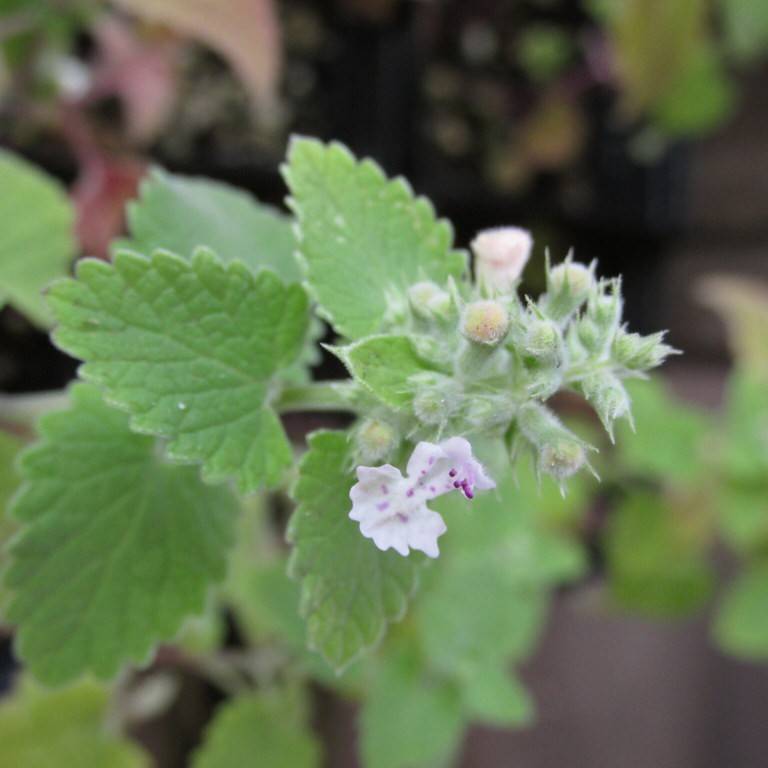
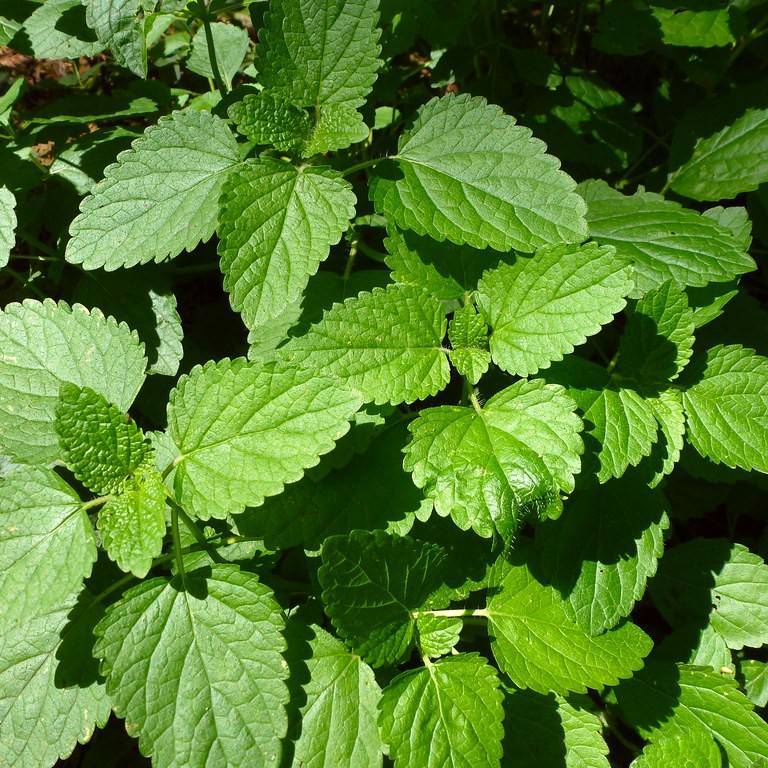
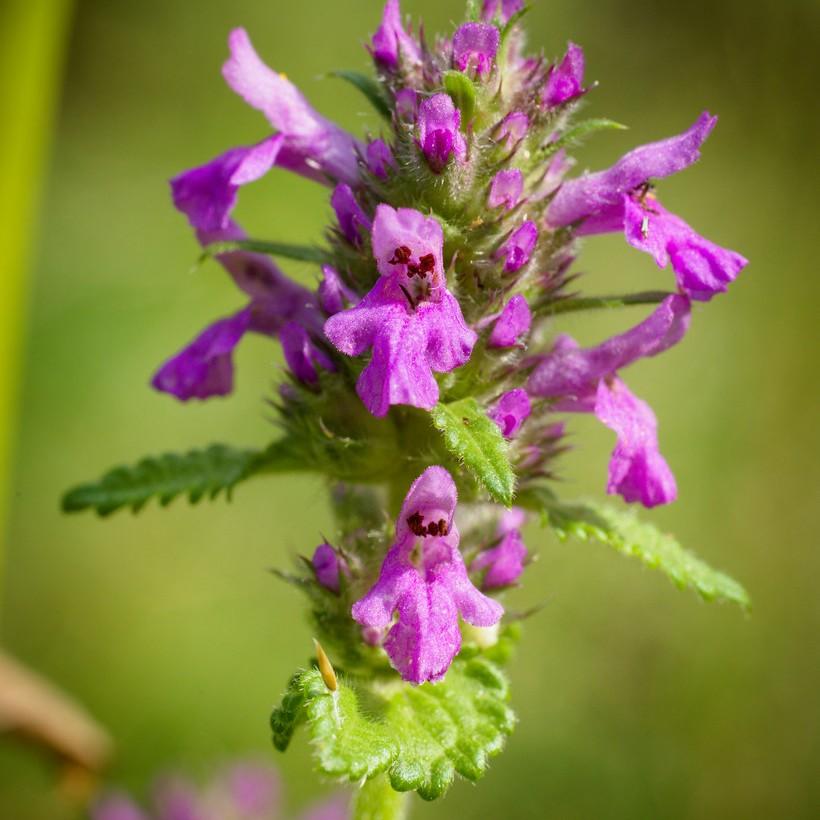
Bishop's wort, also called betony, is a clumping perennial with crinkled, ovate green leaves that release a mild herbal scent when crushed. It produces dense spikes of tubular pink, purple, or white flowers from early to mid-summer that attract bees, butterflies, and other pollinators. Historically, it was valued in European folk medicine for treating a wide range of ailments, from headaches to respiratory issues.
Care Guide
Watering
Water bishop's wort regularly during its first growing season to establish a deep root system, keeping the soil consistently moist but not waterlogged. Once established, it is moderately drought tolerant, requiring supplemental watering only during extended periods of hot, dry weather. Avoid overwatering, as soggy soil can lead to root rot.
Light
Bishop's wort thrives in full sun to partial shade, performing best with at least 4 to 6 hours of direct sunlight daily. In regions with very hot, intense summer sun, it benefits from light afternoon shade to prevent leaf scorch. Too much shade will result in leggy growth and reduced flowering.
Soil
This adaptable plant grows well in most well-drained soil types, including loam, sandy, and clay soils, as long as standing water does not accumulate. It prefers a neutral to slightly alkaline pH range between 6.5 and 7.5, but can tolerate mildly acidic conditions as well. Amending heavy clay soil with compost or sand will improve drainage and support healthier root growth.
Fertilizer
Bishop's wort is a light feeder that rarely requires regular fertilization if grown in moderately fertile soil. Apply a thin layer of compost around the base of the plant in early spring to provide a slow release of nutrients throughout the growing season. Avoid over-fertilizing, as this will encourage excessive, floppy leaf growth at the expense of flowers.
Temperature
It is hardy in USDA zones 4 through 8, tolerating winter temperatures as low as -30°F (-34°C) once established. It grows best in average summer temperatures between 60 and 75°F (15 and 24°C), and can tolerate brief periods of heat up to 90°F (32°C) if provided with adequate moisture. Extreme heat without supplemental water may cause the foliage to wilt temporarily.
Pruning
Deadhead spent flower spikes regularly throughout the blooming season to encourage additional flower production and prevent unwanted self-seeding. Cut back the entire plant to 2 to 3 inches above the soil line in late fall after the foliage dies back, to keep the planting area tidy and reduce overwintering pest habitat. If plants become leggy or overgrown mid-season, shear them back by one-third to stimulate fresh, compact new growth.
Propagation
Bishop's wort is most easily propagated by division in early spring or late fall, when the plant is dormant. Dig up mature clumps, separate them into smaller sections with a sharp knife, ensuring each section has healthy roots and several growth buds, then replant immediately at the same depth they were growing previously. It can also be grown from seed sown directly outdoors in fall or started indoors 6 to 8 weeks before the last expected frost date.
Humidity
This plant adapts well to a wide range of humidity levels, thriving in the average humidity of its native temperate regions between 40 and 70%. It has no special humidity requirements when grown outdoors, and will tolerate both dry air and occasional periods of higher humidity as long as soil drainage is good. Excessively high humidity combined with poor air circulation may increase the risk of fungal leaf diseases.
Repotting
When grown in containers, repot bishop's wort every 2 to 3 years in early spring, before new growth emerges. Choose a pot that is 1 to 2 inches larger in diameter than the current one, with drainage holes to prevent waterlogging. Use a standard all-purpose potting mix amended with a small amount of compost to provide nutrients, and water thoroughly after repotting to settle the soil around the roots.
Uses & Symbolism
Bishop's wort is commonly planted in pollinator gardens, cottage gardens, and herb borders for its attractive blooms and ability to support beneficial insects. Its dried leaves and flowers are used in herbal teas, tinctures, and traditional remedies for mild pain relief, anxiety reduction, and digestive support, though modern clinical evidence for these uses is limited. The aromatic foliage is sometimes added to potpourris and sachets for its pleasant, earthy scent.
Diseases & Pests
Bishop's wort is relatively pest and disease resistant, but may be susceptible to powdery mildew in humid conditions with poor air circulation, which presents as a white, powdery coating on leaves. Root rot can occur in poorly drained, waterlogged soil, causing yellowing foliage and wilting. Slugs and snails may occasionally feed on young, tender leaves, especially in damp, shaded areas.
Related plants
Other plants you might like if you grow Bishop's Wort.