Japanese Blood Grass
Imperata cylindrica 'Rubra'
Overview
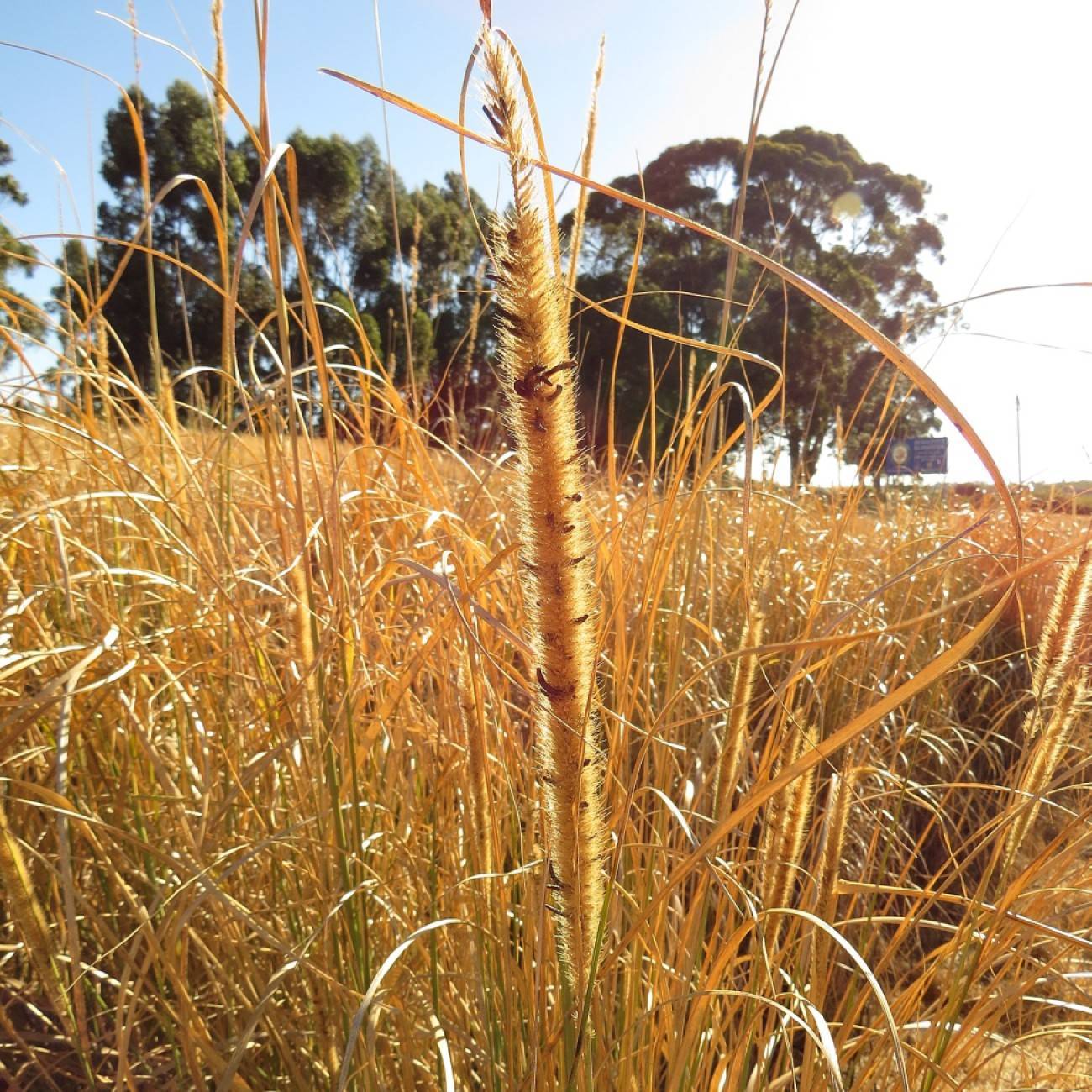
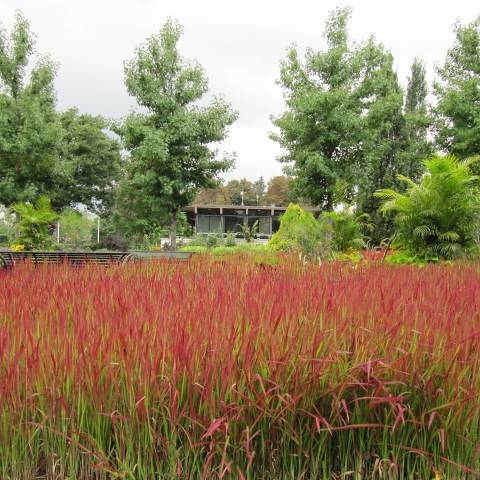
Japanese Blood Grass is a popular clumping cultivar of cogon grass, distinguished by its green basal foliage that transitions to intense crimson red at the tips, with color deepening as the season progresses. It spreads slowly via rhizomes in temperate climates, making it less aggressive than the wild species of Imperata cylindrica. This grass adds bold, vertical accent to garden beds, borders, and container displays, with foliage that persists into early winter in mild regions.
Care Guide
Watering
Keep soil consistently moist but not waterlogged during the first growing season to establish a strong root system; once established, it is moderately drought-tolerant, requiring supplemental water only during extended dry spells. Avoid overwatering in heavy clay soils to prevent root rot, and reduce watering frequency in winter when the plant is dormant.
Light
Thrives in full sun, which encourages the most vivid red foliage coloration; it can tolerate partial shade, but red tipping will be less intense and growth may be looser. In extremely hot, arid climates, provide light afternoon shade to prevent foliage scorch and reduce moisture stress.
Soil
Adaptable to a wide range of soil types, including sandy, loam, and clay soils, as long as they drain well. It prefers a slightly acidic to neutral pH range of 5.5 to 7.0, but can tolerate mildly alkaline conditions. Amend heavy clay soils with organic matter such as compost to improve drainage before planting.
Fertilizer
Fertilize sparingly once per year in early spring with a balanced, slow-release granular fertilizer formulated for ornamental grasses, as excessive nutrients can cause overly vigorous growth and reduce foliage color intensity. Avoid high-nitrogen fertilizers, which can promote excessive green growth at the expense of the characteristic red tips. No supplemental feeding is required for plants growing in rich, amended garden soil.
Temperature
Hardy in USDA zones 5 to 9, tolerating winter lows down to -20°F (-29°C) when planted in the ground; container-grown plants may need winter protection in zones colder than 6 to prevent root damage. It tolerates summer heat well, with foliage holding its color through high temperatures as long as soil moisture is adequate. Foliage dies back to the ground after hard freezes, and new growth emerges in mid-spring once soil temperatures warm.
Pruning
Cut back entire clumps to 2-3 inches above the soil line in late winter or early spring before new growth emerges to remove dead, brown foliage and encourage fresh, vibrant growth. Trim any stray, all-green stems that may emerge promptly, as these are reverts to the aggressive wild type and can overtake the red cultivar if left unmanaged. Dead foliage can be left in place over winter to provide slight insulation for the root crown in colder zones.
Propagation
Most easily propagated by division in early spring just as new growth begins to emerge, digging up entire clumps and splitting them into smaller sections with a sharp spade, ensuring each section has a healthy portion of rhizome and foliage. Replant divisions immediately at the same depth they were growing previously, and water thoroughly to settle soil around the roots. Seed propagation is not recommended, as seeds from the 'Rubra' cultivar will not come true to type, often producing aggressive all-green wild cogon grass.
Humidity
Tolerates a wide range of humidity levels, thriving in both humid subtropical and dry temperate climates with no special adjustments needed. Extremely low indoor humidity may cause leaf tip browning if grown as a houseplant, which can be mitigated by occasional misting or placing a pebble tray filled with water beneath the container. No humidity adjustments are needed for outdoor-grown plants.
Repotting
Container-grown Japanese Blood Grass should be repotted every 2-3 years in early spring before new growth emerges, moving to a pot one size larger with fresh, well-draining potting mix amended with compost. Divide overgrown clumps during repotting to control size and maintain vigorous growth, as root-bound plants will produce sparse, less colorful foliage. Ensure pots have adequate drainage holes to prevent waterlogging, and avoid using overly large pots that hold excess moisture around the roots.
Uses & Symbolism
Widely used as an ornamental accent in landscape borders, rock gardens, and mass plantings, where its vivid red foliage provides striking contrast to green-leaved perennials and evergreen shrubs. It is also well-suited for container displays on patios and balconies, and its upright growth habit makes it a popular choice for modern and low-water garden designs. The dried foliage is sometimes used in cut flower arrangements for its unique color and texture.
Diseases & Pests
Generally highly resistant to most pests and diseases, though overwatered or poorly drained plants may develop root rot caused by fungal pathogens such as Pythium or Fusarium. Aphids and spider mites may occasionally infest stressed plants, particularly those grown in dry, indoor conditions, and can be controlled with insecticidal soap or neem oil sprays. In warm, humid climates, rust fungus may cause small orange spots on foliage, which can be prevented by ensuring good air circulation around plants and avoiding overhead watering.
Related plants
Other plants you might like if you grow Japanese Blood Grass.