Clustered Bellflower
Campanula glomerata 'R E'
Overview
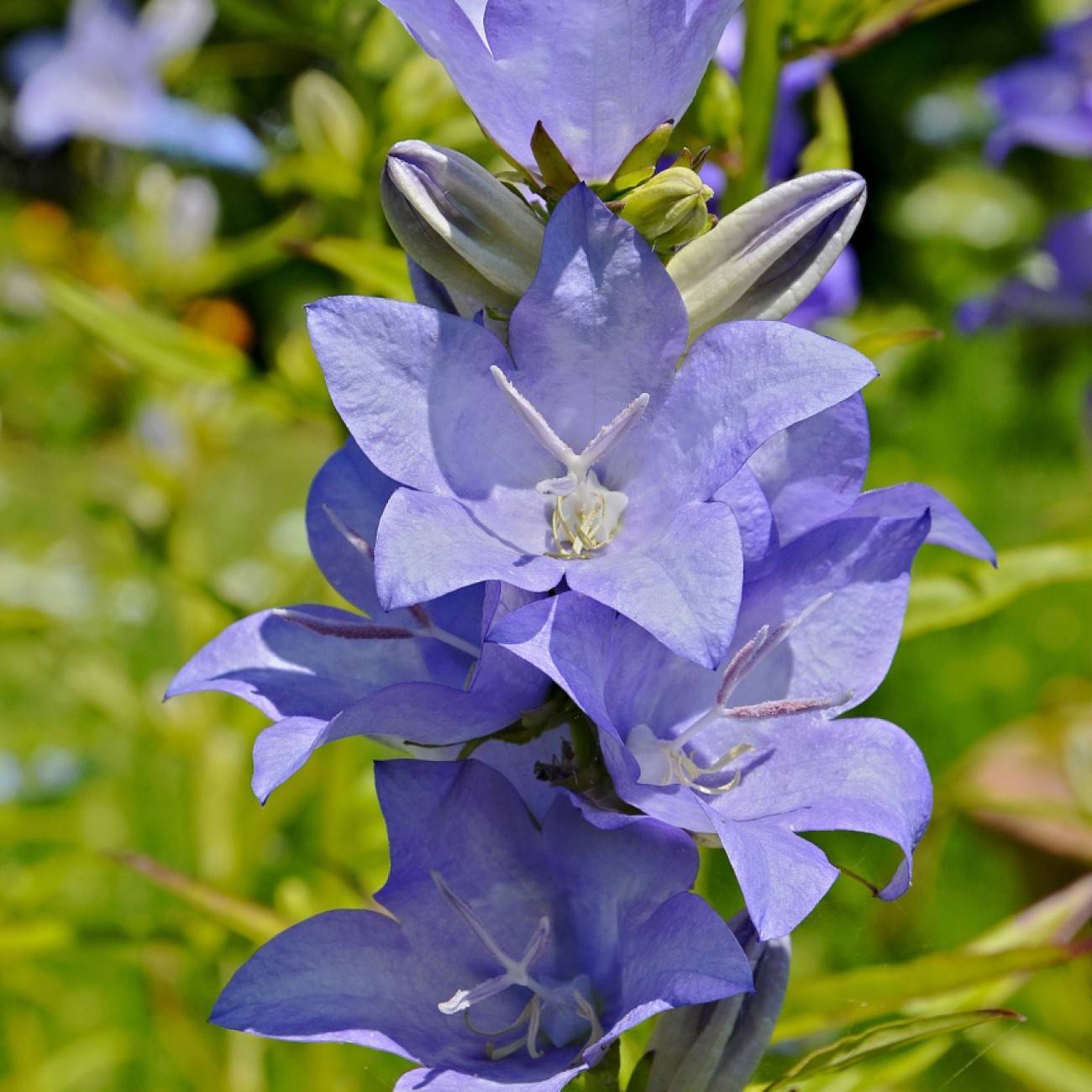
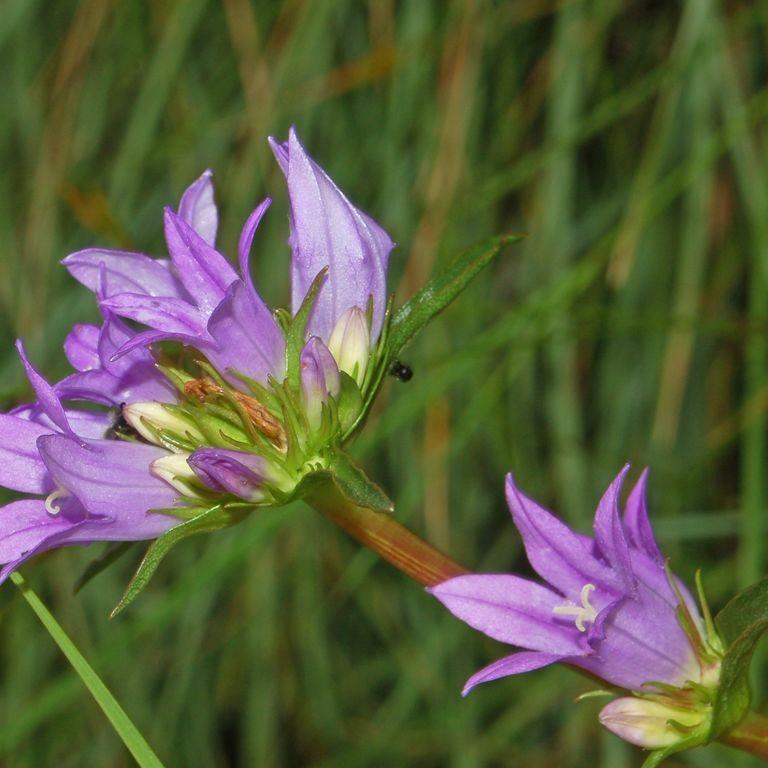
Campanula glomerata 'R E', commonly called clustered bellflower, is a compact ornamental cultivar prized for its dense, rounded inflorescences of vivid, upward-facing bell-shaped flowers that rise above clumps of oval, toothed green foliage. It blooms prolifically from early to mid-summer, attracting bees, butterflies, and other pollinators to garden spaces. This hardy, adaptable plant forms neat, spreading clumps over time, making it a low-maintenance choice for both beginner and experienced gardeners.
Care Guide
Watering
Water clustered bellflower regularly to keep soil consistently moist but not waterlogged, especially during periods of prolonged drought or summer heat. Reduce watering frequency in fall and winter once the plant enters dormancy, allowing the top 1 to 2 inches of soil to dry out between sessions. Avoid overhead watering where possible to minimize risk of foliar fungal diseases.
Light
Grow clustered bellflower in full sun to partial shade, with at least 6 hours of direct sunlight daily for the most abundant flowering. In regions with extremely hot, intense summer sun, provide light afternoon shade to prevent foliage scorch and extend the bloom period. Too much deep shade will cause leggy growth and reduced flower production.
Soil
This plant thrives in well-drained, fertile loam soil with a neutral to slightly alkaline pH, though it will adapt to most average garden soils as long as drainage is adequate. Amend heavy clay soils with compost or well-rotted manure before planting to improve drainage and add nutrient content. Avoid waterlogged, boggy soils, which will quickly cause root rot and plant death.
Fertilizer
Apply a balanced, slow-release all-purpose fertilizer in early spring just as new growth emerges to support healthy foliage development and abundant flowering. You can also top-dress the root zone with a 1-inch layer of well-rotted compost each spring instead of synthetic fertilizer for organic cultivation. Avoid over-fertilizing, particularly with high-nitrogen formulas, as this will encourage excessive leaf growth at the expense of blooms.
Temperature
Clustered bellflower is cold hardy in USDA zones 3 through 8, tolerating winter temperatures as low as -40°F (-40°C) without extra protection once established. It prefers mild summer temperatures between 60°F and 75°F (15°C to 24°C), and may go dormant early if exposed to prolonged heat above 85°F (29°C). Mulch around the root zone in summer to keep roots cool and retain soil moisture.
Pruning
Deadhead spent flower clusters immediately after blooming to encourage a possible second flush of flowers later in the summer and prevent unwanted self-seeding in the garden. Cut back the entire plant to 2 to 3 inches above the soil line in late fall after foliage has yellowed and died back for the winter, to keep the planting area tidy and reduce overwintering pest and disease habitat. Thin out overcrowded clumps every 2 to 3 years during division to improve air circulation around plants.
Propagation
The most reliable propagation method for this cultivar is division, carried out in early spring just as new growth emerges or in early fall after flowering has finished. Dig up the entire clump, gently separate the root mass into smaller sections with at least 3 to 5 healthy growth buds each, and replant immediately at the same depth as the original plant. It can also be grown from stem cuttings taken in late spring, but division ensures the new plants retain the exact cultivar characteristics of the parent.
Humidity
Clustered bellflower adapts well to average outdoor humidity levels between 40% and 60%, which is typical of its native temperate range. It does not require extra humidity, and high humidity combined with poor air circulation can increase susceptibility to foliar fungal diseases like powdery mildew. Ensure plants are spaced adequately to allow good air flow around foliage, especially in more humid climates.
Repotting
If grown in containers, repot clustered bellflower every 2 to 3 years in early spring before new growth begins, using a fresh, well-drained potting mix amended with compost. Select a container that is 1 to 2 inches larger in diameter than the current one, with ample drainage holes to prevent waterlogging. Trim away any dead or rotting roots during repotting to encourage healthy new root growth. In-ground plants do not require repotting, but should be divided every few years to maintain vigor.
Uses & Symbolism
Clustered bellflower is a popular choice for sunny perennial borders, cottage gardens, rock gardens, and pollinator plantings, where its vibrant blooms add long-lasting summer color and support local beneficial insect populations. Its long, sturdy stems make it an excellent cut flower, holding up well in fresh floral arrangements for up to 10 days after cutting. It is also well-suited for container growing on patios and balconies, bringing bright, pollinator-friendly blooms to small outdoor spaces.
Diseases & Pests
Clustered bellflower is relatively pest and disease resistant, but can be susceptible to powdery mildew and rust in conditions of high humidity, poor air circulation, or prolonged leaf wetness. Aphids and slugs may occasionally feed on new tender growth, especially in damp, shaded areas of the garden. Root rot can occur quickly if plants are grown in poorly drained, waterlogged soil, so proper site preparation and drainage are critical for long-term plant health.
Related plants
Other plants you might like if you grow Clustered Bellflower.
%22%2F%3E%0A%20%20%20%20%20%20%3Ccircle%20cx%3D%22920%22%20cy%3D%22180%22%20r%3D%2290%22%20fill%3D%22%23cfe8d5%22%2F%3E%0A%20%20%20%20%20%20%3Cpath%20d%3D%22M600%20590c-90-180-215-255-310-280%200%20165%20118%20296%20270%20296h40z%22%20fill%3D%22%2379b88e%22%2F%3E%0A%20%20%20%20%20%20%3Cpath%20d%3D%22M600%20590c80-150%20198-212%20302-228-8%20142-123%20255-270%20255h-32z%22%20fill%3D%22%235c9f73%22%2F%3E%0A%20%20%20%20%20%20%3Cpath%20d%3D%22M600%20610V360%22%20stroke%3D%22%234f8c64%22%20stroke-width%3D%2218%22%20stroke-linecap%3D%22round%22%2F%3E%0A%20%20%20%20%20%20%3Ctext%20x%3D%22600%22%20y%3D%22700%22%20text-anchor%3D%22middle%22%20font-family%3D%22Arial%2C%20sans-serif%22%20font-size%3D%2244%22%20fill%3D%22%23365c45%22%3E%0A%20%20%20%20%20%20%20%20Plant%20image%20coming%20soon%0A%20%20%20%20%20%20%3C%2Ftext%3E%0A%20%20%20%20%3C%2Fsvg%3E%0A%20%20)