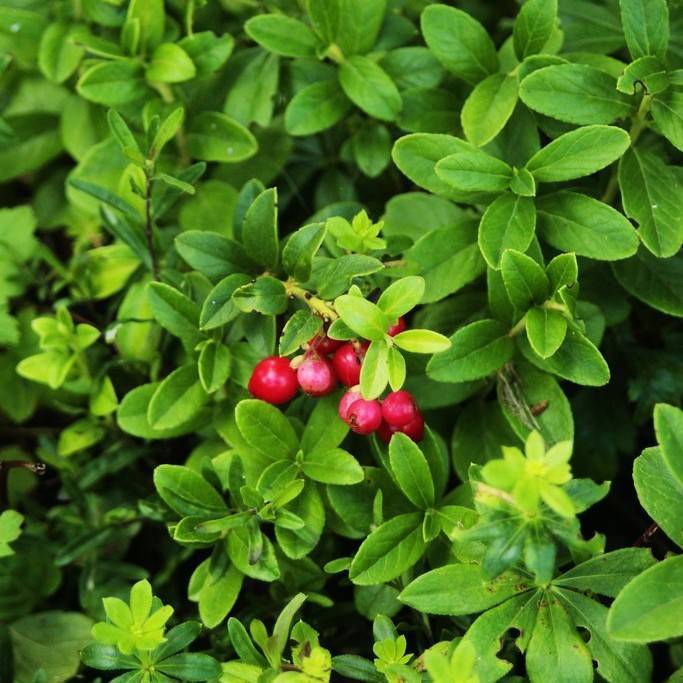
American Cranberry
Vaccinium macrocarpon
Overview
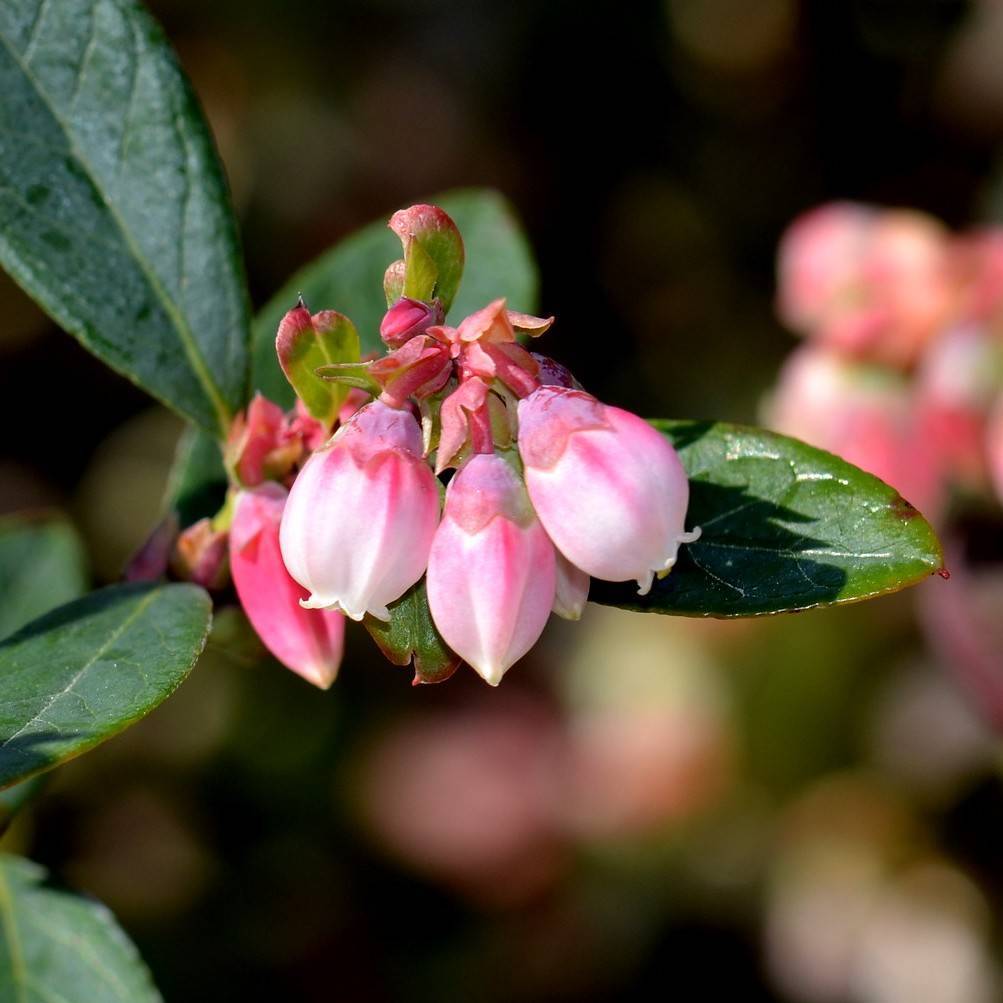
The American cranberry is a low, woody evergreen shrub with small, glossy oval leaves and delicate pink bell-shaped flowers that bloom in late spring. It is best known for its round, tart red berries that ripen in fall, and it is commercially grown in wetland bogs across the northern United States and Canada. This species is adapted to acidic, waterlogged soils, and it forms dense, spreading mats that can live and produce fruit for decades under optimal conditions.
Care Guide
Watering
Keep soil consistently moist to saturated, as American cranberries naturally grow in boggy environments; never let the root zone dry out completely. If grown in a container or upland bed, water frequently to maintain consistent moisture, and avoid using hard water that can raise soil pH. During fruit development, ensure steady moisture levels to prevent berry drop or small, underdeveloped fruit.
Light
Plant in full sun, meaning at least 6 to 8 hours of direct unfiltered sunlight per day for optimal flower and fruit production. Plants grown in partial shade will produce fewer berries and develop sparse, leggy growth. In extremely hot climates, light afternoon shade can help prevent leaf scorch, but full sun is still preferred for maximum yield.
Soil
Requires extremely acidic soil with a pH between 4.0 and 5.5, as is typical for plants in the Ericaceae family. Soil should be high in organic matter, well-draining but moisture-retentive, such as a mix of peat moss, sand, and composted pine bark. Avoid heavy, alkaline clay soils, as these will cause nutrient deficiencies and root rot over time.
Fertilizer
Fertilize sparingly in early spring before new growth emerges, using a slow-release, acidic fertilizer formulated for ericaceous plants like azaleas or blueberries. Avoid over-fertilizing, as cranberries are adapted to low-nutrient bog soils and excess nitrogen can cause excessive leaf growth at the expense of fruit production. Do not apply fertilizer after mid-summer, as this can stimulate tender new growth that is vulnerable to frost damage.
Temperature
American cranberries are cold-hardy, thriving in USDA hardiness zones 2 through 7, and they require a dormant period of 800 to 1200 hours of temperatures below 45°F (7°C) to produce fruit. During the growing season, optimal temperatures range between 60°F and 75°F (16°C to 24°C), and plants can tolerate short periods of heat up to 90°F (32°C) if kept well-watered. Winter temperatures as low as -40°F (-40°C) are tolerated when plants are fully dormant, though exposed vines may suffer damage if unprotected from harsh, drying winds.
Pruning
Prune in late winter or early spring while plants are still dormant, removing any dead, damaged, or diseased vines first. Thin out overcrowded older stems to improve air circulation and light penetration to the center of the plant, which reduces disease risk and boosts fruit production. Every 3 to 5 years, perform a more severe renewal pruning by cutting back up to one-third of the oldest vines to encourage new, productive growth.
Propagation
The most common propagation method is via softwood cuttings taken in early summer, using 4 to 6 inch long stem tips from healthy, disease-free plants, rooted in moist acidic rooting medium under high humidity. Plants can also be propagated by layering, where trailing stems are pinned to the surface of acidic soil until they form roots at the nodes, then separated from the parent plant the following year. Growing from seed is possible but not recommended for consistent fruit quality, as seed-grown plants do not retain the characteristics of the parent cultivar and take longer to reach fruiting maturity.
Humidity
Prefers moderate to high humidity levels between 50% and 70%, which mimics its native boggy habitat. In dry climates, mist plants regularly or place a tray of water near the root zone to increase ambient humidity, as excessively dry air can cause leaf browning and reduce fruit set. Good air circulation is also important even in high humidity to prevent fungal diseases from developing on foliage and berries.
Repotting
If grown in containers, repot every 2 to 3 years in late winter before new growth begins, using a fresh acidic potting mix formulated for ericaceous plants. Choose a wide, shallow pot rather than a deep one to accommodate the plant’s shallow, spreading root system, and ensure the pot has ample drainage holes to prevent waterlogging. Avoid disturbing the root ball excessively during repotting, as cranberry roots are fine and easily damaged.
Uses & Symbolism
American cranberries are most widely cultivated for their edible tart berries, which are processed into juices, sauces, jams, dried fruit, and baked goods, and are a staple of North American Thanksgiving cuisine. The berries are also valued for their high antioxidant content and traditional medicinal use supporting urinary tract health. Ornamentally, the low-growing evergreen shrubs can be used as a ground cover in acidic bog gardens or native plant landscapes, with attractive fall foliage and persistent red berries that provide winter interest.
Diseases & Pests
Common fungal diseases include cranberry fruit rot, which develops in wet, humid conditions and causes ripe berries to turn soft and discolored, and leaf spot, which creates brown lesions on foliage and can lead to premature leaf drop. Common pests include cranberry weevils, which feed on flower buds and reduce fruit set, and spittlebugs, which secrete a frothy protective coating on stems and suck sap from plant tissue. Proper air circulation, consistent pruning to remove overcrowded growth, and avoiding overhead watering can help reduce the risk of most fungal diseases, while organic or conventional insecticides may be used to control severe pest infestations.
Related plants
Other plants you might like if you grow American Cranberry.
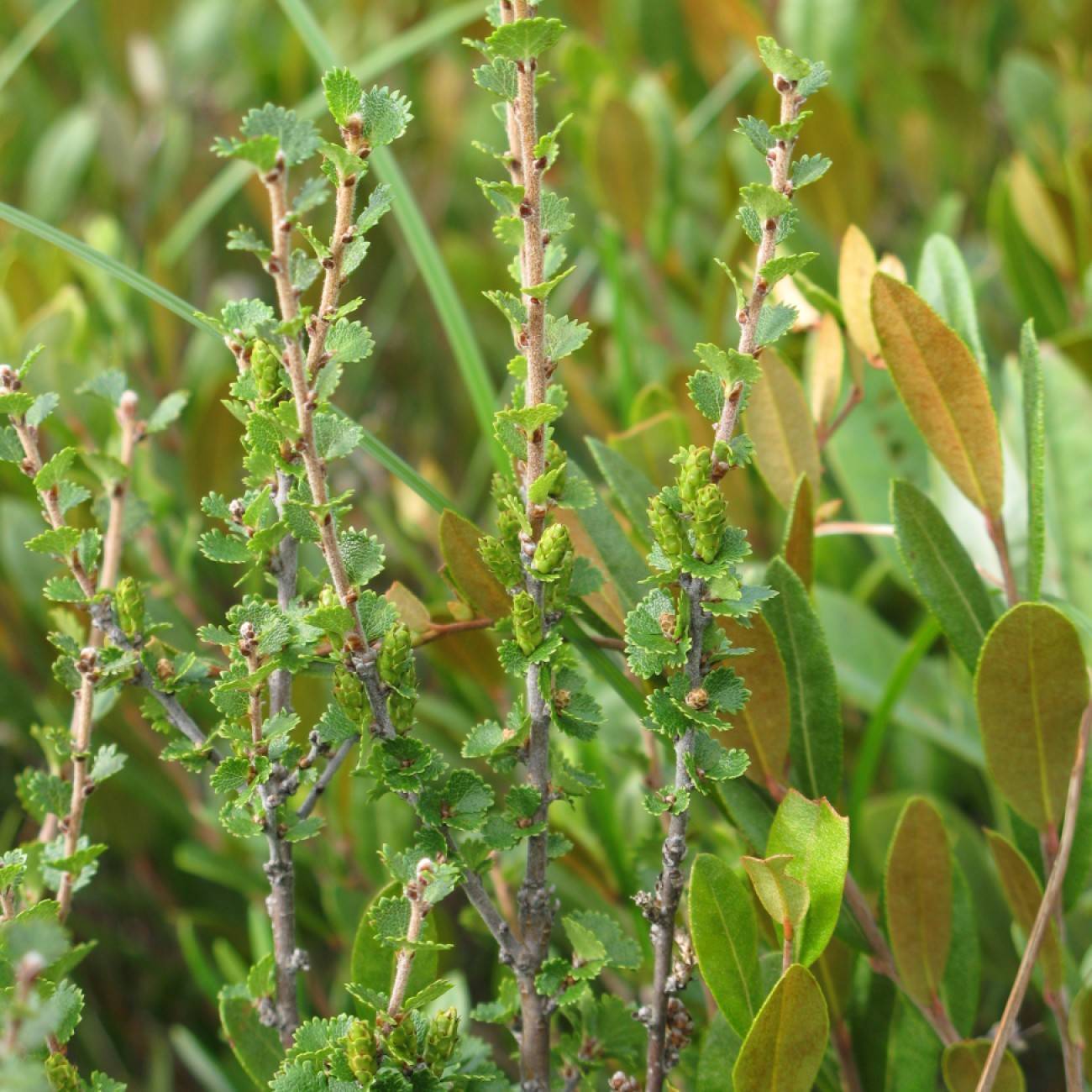
Dwarf Hybrid Blueberry
Vaccinium michauxii × Vaccinium pumilum var. pumilum
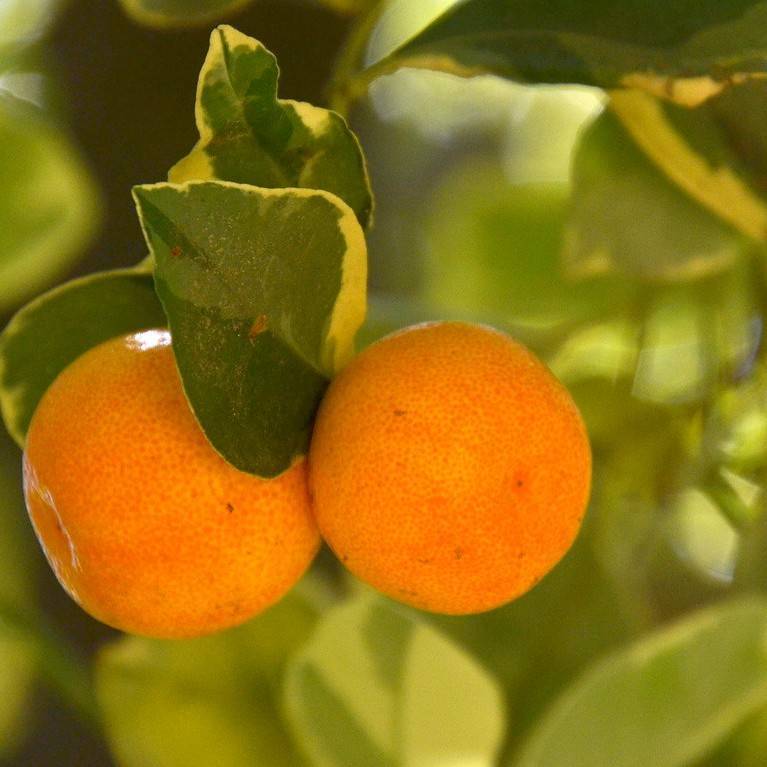
Calamondin Orange
Citrus × microcarpa
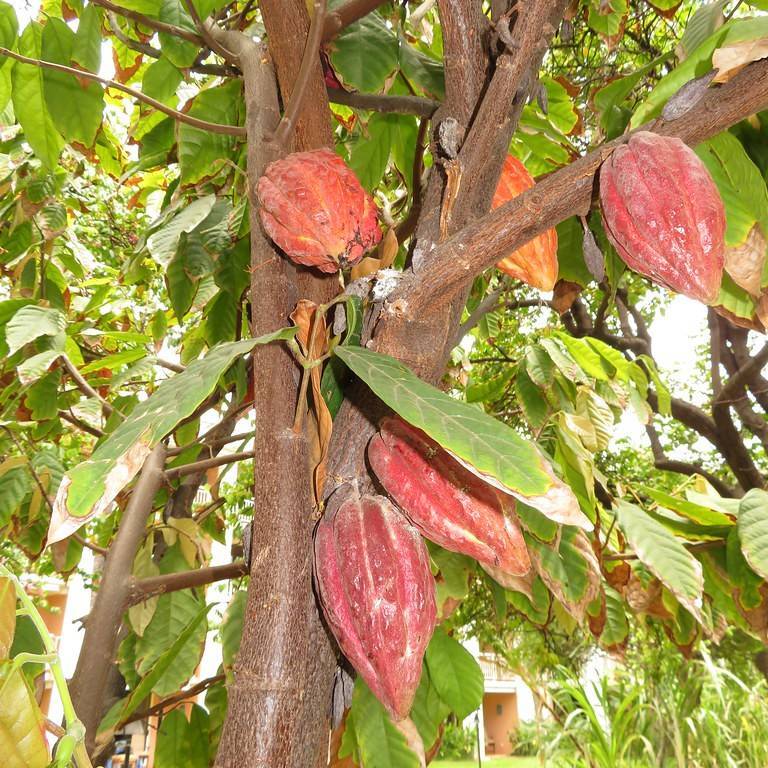
Cacao
Theobroma cacao
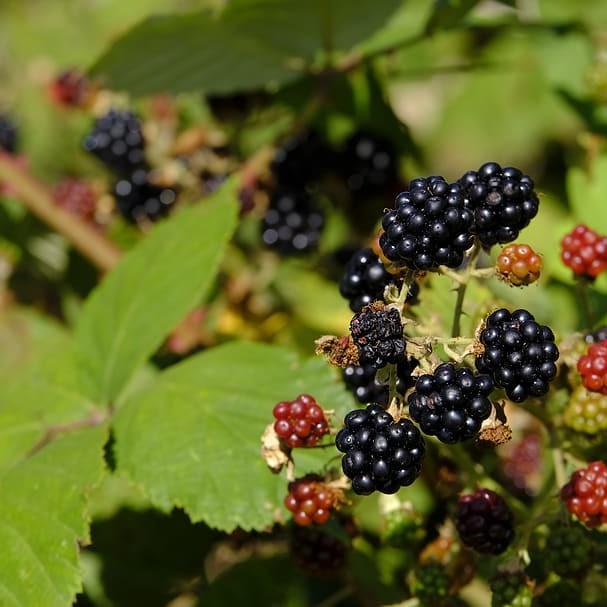
Boysenberry
Rubus ursinus × idaeus 'Boysen'
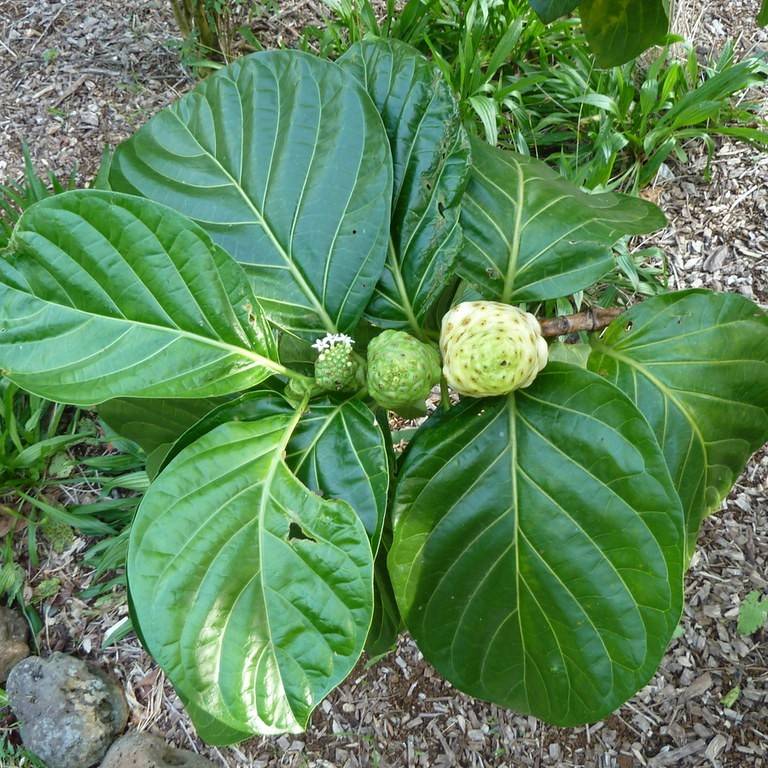
Indian Mulberry
Morinda citrifolia
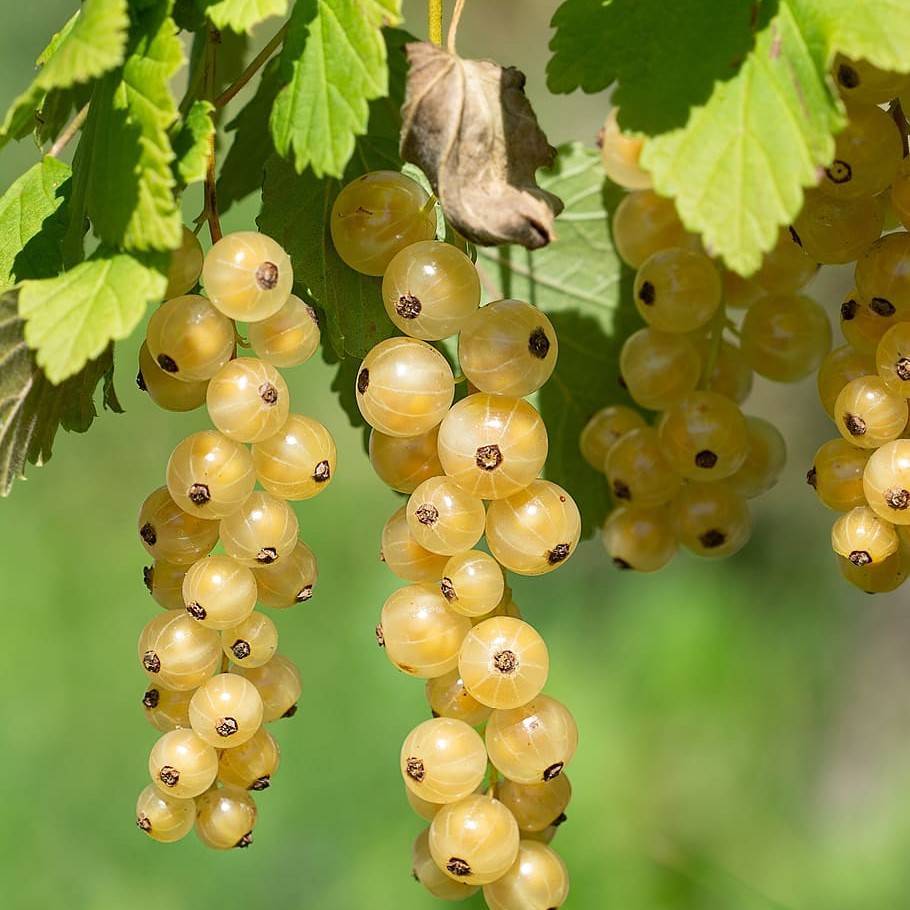
Currant
Ribes rubrum (red currant), Ribes nigrum (black currant), Ribes uva-crispa (white currant)
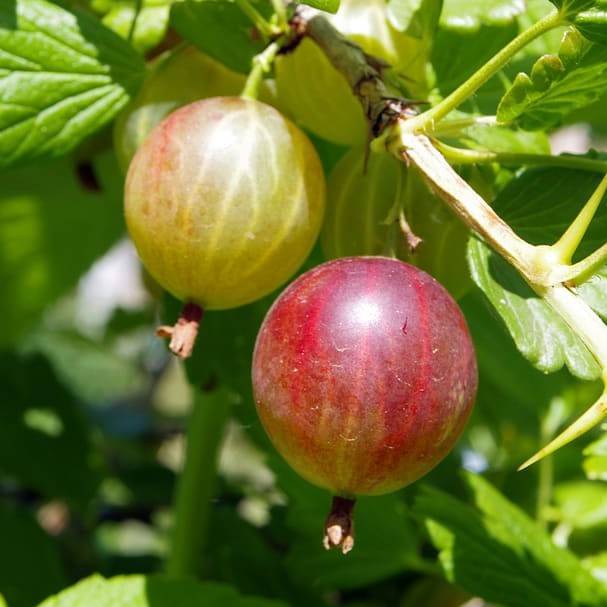
Gooseberry
Ribes uva-crispa
Highbush Blueberry
Vaccinium corymbosum