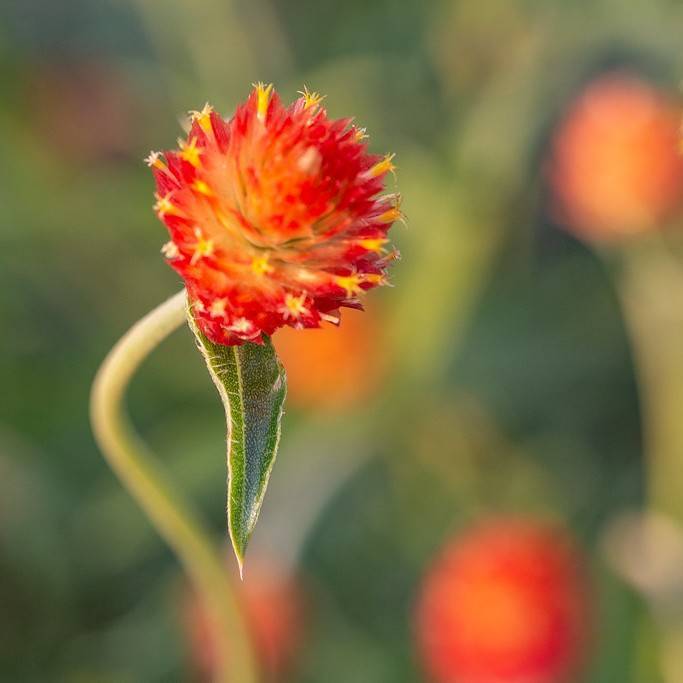
Button Flower
Gomphrena globosa
Overview
Button flower, commonly called globe amaranth, produces dense, spherical flower heads in shades of pink, purple, white, red, and orange, with a stiff, papery texture that persists long after blooming. Native to warm tropical regions of the Americas, it has been cultivated for centuries for its long-lasting blooms and adaptability to a range of growing conditions. The plant features upright, branched stems covered in fuzzy, oblong green leaves, giving it a full, bushy habit suitable for border plantings, containers, and cut flower gardens.
Care Guide
Watering
Button flower has moderate drought tolerance once established, requiring water only when the top 1-2 inches of soil feel dry to the touch. Avoid overwatering, as soggy soil can lead to root rot; water at the base of the plant to keep foliage dry and reduce fungal disease risk. During extended periods of high heat or drought, increase watering frequency to prevent wilting and support consistent bloom production.
Light
This plant thrives in full sun, requiring a minimum of 6-8 hours of direct sunlight daily to produce abundant, vibrant blooms and maintain a compact, sturdy growth habit. It can tolerate partial shade, but plants grown in lower light will become leggy, produce fewer flowers, and may be more prone to pest infestations. For indoor cultivation, place it in a south-facing window or under grow lights to meet its light requirements.
Soil
Button flower adapts to a wide range of soil types, but grows best in well-draining, loamy or sandy soil with a neutral to slightly acidic pH between 6.0 and 7.5. It tolerates poor, low-nutrient soils better than many ornamental annuals, but will not survive in heavy, compacted clay soils that retain excess moisture. Amending heavy garden soil with compost or perlite before planting will improve drainage and support healthier root development.
Fertilizer
This low-feeding plant requires minimal fertilization; applying a balanced, slow-release 10-10-10 fertilizer once at planting time is sufficient for the entire growing season in most garden soils. Over-fertilization will lead to excessive leaf growth at the expense of flower production, so avoid frequent or high-nitrogen feedings. For container-grown plants, apply a diluted liquid balanced fertilizer once every 4-6 weeks during the growing season to replenish nutrients leached by regular watering.
Temperature
Button flower thrives in warm temperatures between 70-85°F (21-29°C) and is highly tolerant of high heat and humidity common in tropical and subtropical climates. It is sensitive to frost and cold temperatures, with growth stunting below 50°F (10°C) and plant death occurring if exposed to freezing conditions. In regions with cool springs, start seeds indoors 6-8 weeks before the last expected frost date to ensure a full growing season.
Pruning
Pruning is not required for button flower, but pinching back the tips of young plants when they reach 4-6 inches tall will encourage bushier growth and more flower-bearing stems. Deadhead spent blooms regularly to promote continuous flowering throughout the growing season, though the papery flower heads will remain attractive on the plant for several weeks even after they finish producing pollen. At the end of the growing season, pull up and discard entire plants after the first frost to prevent overwintering of pests or disease pathogens.
Propagation
Button flower is most commonly propagated from seed, which can be sown directly outdoors after the last frost or started indoors 6-8 weeks before the last expected frost date for earlier blooms. Seeds require light to germinate, so press them lightly into the surface of moist seed starting mix and keep them at 70-75°F (21-24°C) for 7-14 days until germination occurs. Stem cuttings can also be taken from healthy, established plants in early summer, rooted in moist potting mix under high humidity, and transplanted once roots have formed in 2-3 weeks.
Humidity
Button flower tolerates a wide range of humidity levels, thriving in the moderate to high humidity of its native tropical range, but also adapting well to the lower humidity of temperate regions. Excessively high humidity combined with poor air circulation can increase the risk of fungal leaf spots, so space plants 12-18 inches apart to allow for airflow around foliage. Indoor-grown plants do not require additional humidity, though occasional misting can help remove dust from leaves if the air is extremely dry.
Repotting
As an annual plant, button flower is typically planted in its final container or garden location at the start of the growing season and does not require repotting during its lifespan. If growing in a container, choose a pot with drainage holes that is at least 6 inches deep to accommodate the plant’s root system, and fill it with well-draining potting mix before planting. If a container-grown plant becomes root-bound mid-season, it can be carefully transplanted to a larger pot with minimal disturbance to the root ball to support continued growth.
Uses & Symbolism
Button flower is a popular ornamental plant for garden borders, rock gardens, container displays, and cut flower gardens, as its stiff blooms last 1-2 weeks in fresh floral arrangements. Its papery, color-fast flower heads are one of the most popular materials for dried floral crafts, wreaths, and everlasting bouquets, as they retain their shape and bright color for years when dried properly in a cool, dark location. In traditional medicine in its native range, extracts from the plant have been used to treat respiratory issues, inflammation, and digestive complaints, and its flower petals are sometimes used as a natural food colorant.
Diseases & Pests
Button flower is relatively pest and disease resistant, but can be susceptible to aphids, spider mites, and whiteflies, which feed on the sap of new growth and can be controlled with insecticidal soap or neem oil applications. Fungal diseases such as powdery mildew and leaf spot can occur in conditions of high humidity and poor air circulation, so avoid overhead watering and space plants appropriately to reduce risk. Root rot is the most common issue for button flower, caused by overwatering or poorly draining soil, and can be prevented by allowing the top layer of soil to dry out between waterings.
Related plants
Other plants you might like if you grow Button Flower.
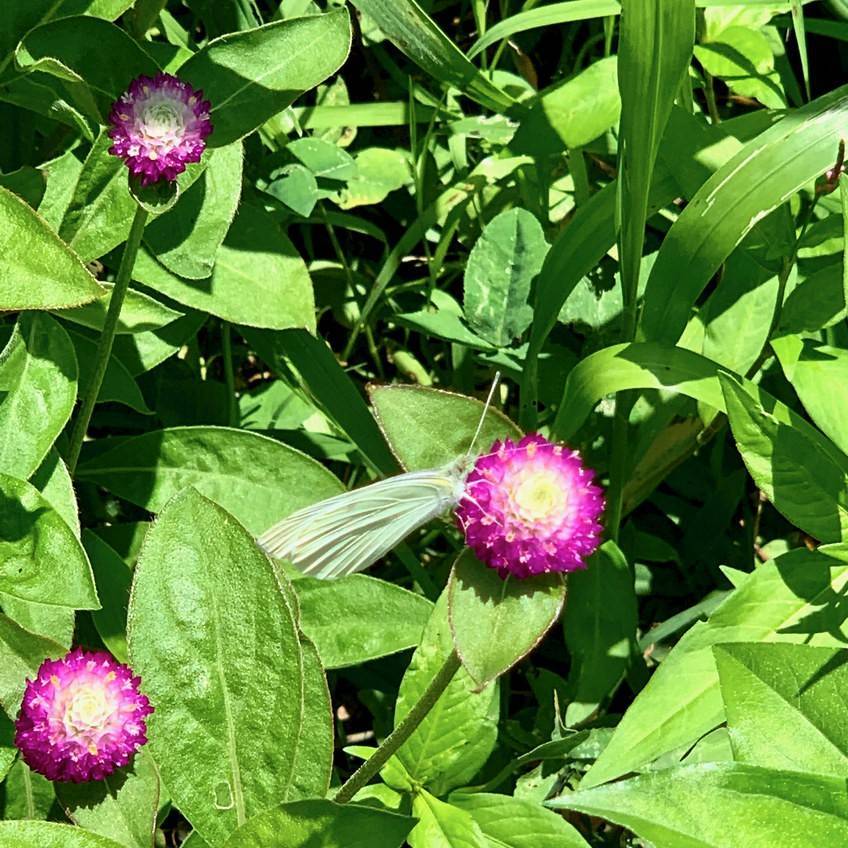
Common Globe Amaranth
Gomphrena globosa
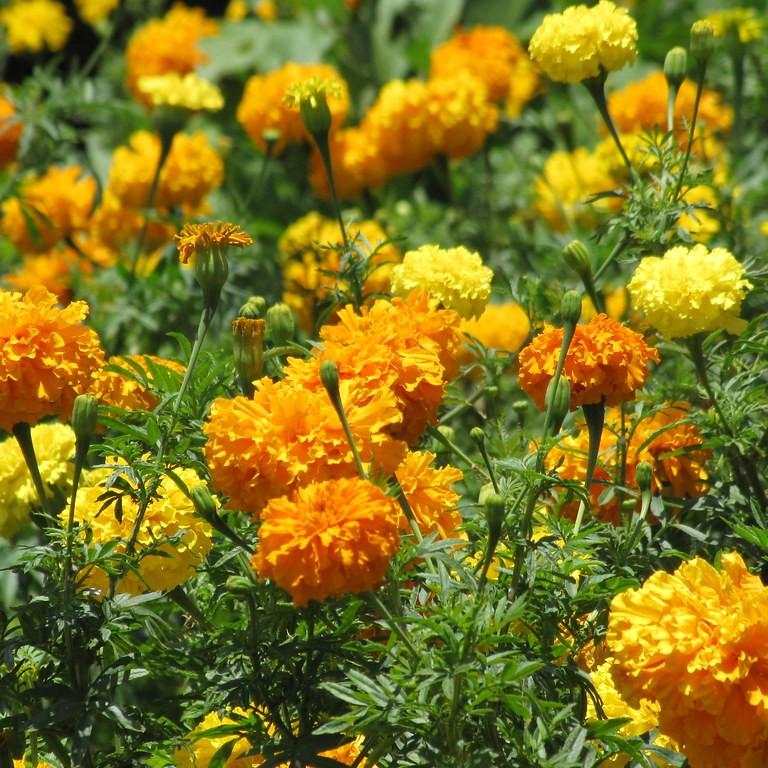
African Marigold
Tagetes erecta
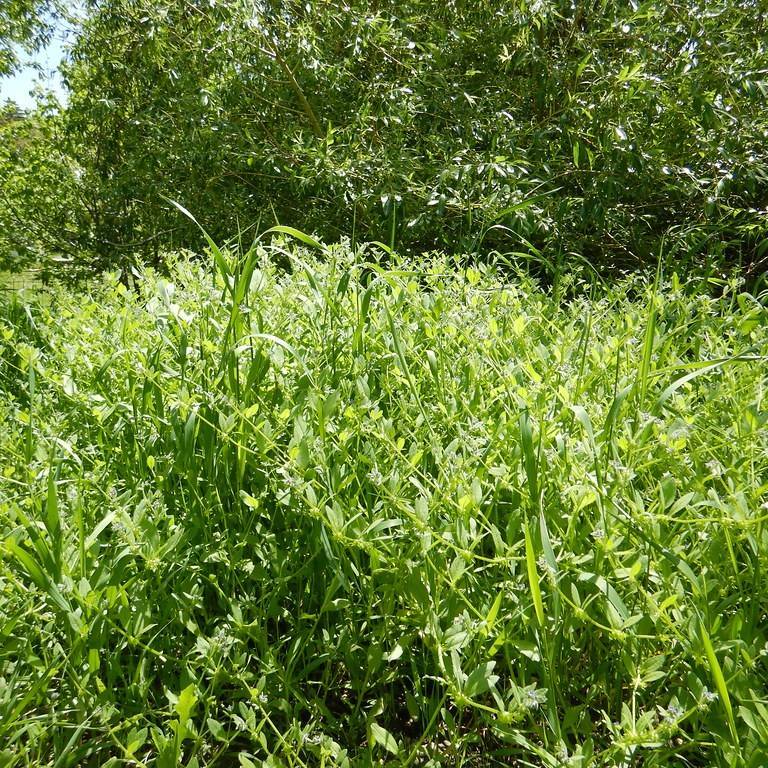
German Madwort
Asperugo procumbens
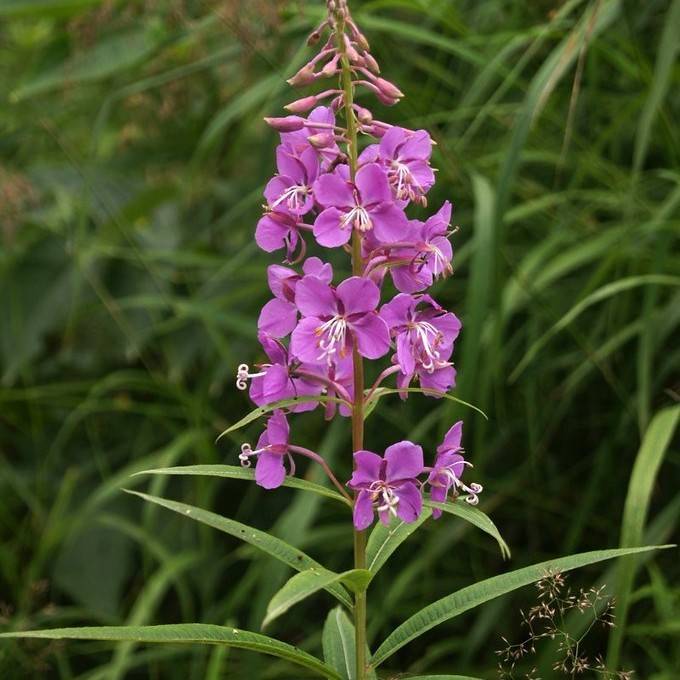
Hybrid Fireweed
Chamerion angustifolium 'Album' or interspecific Chamerion hybrids

Kalimeris
Kalimeris indica
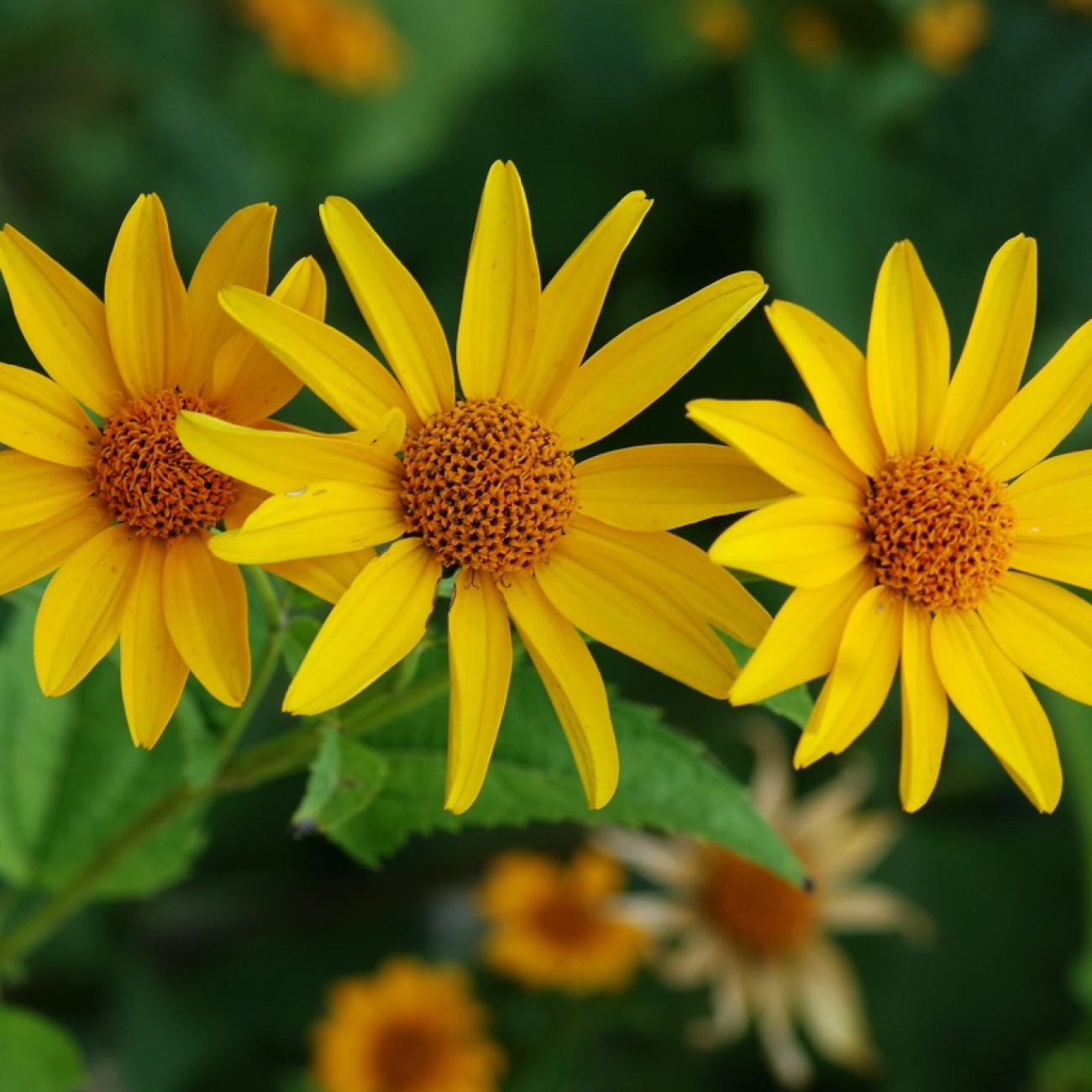
False Sunflower
Heliopsis helianthoides
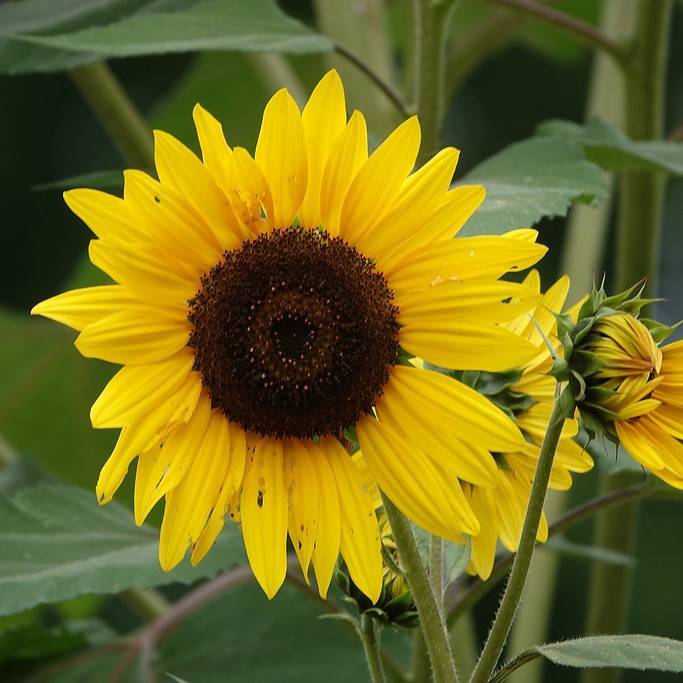
Common Sunflower
Helianthus annuus
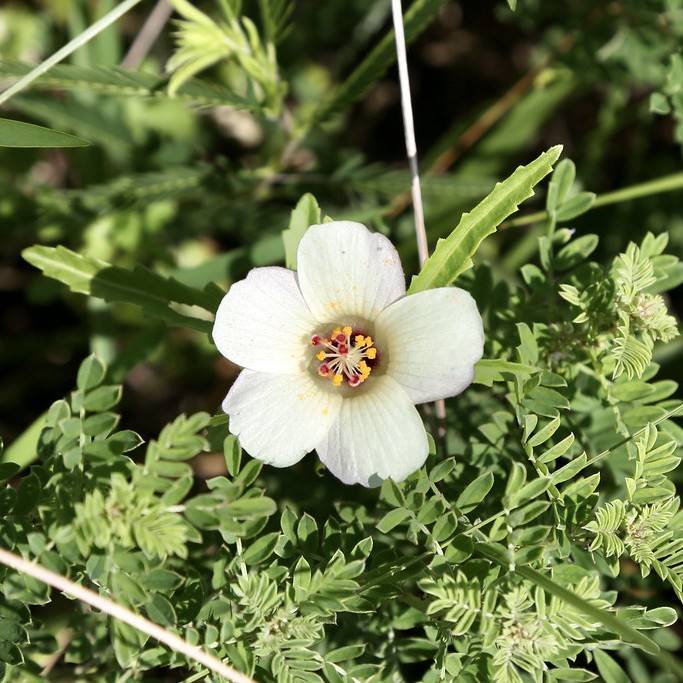
Flower Of An Hour
Hibiscus trionum