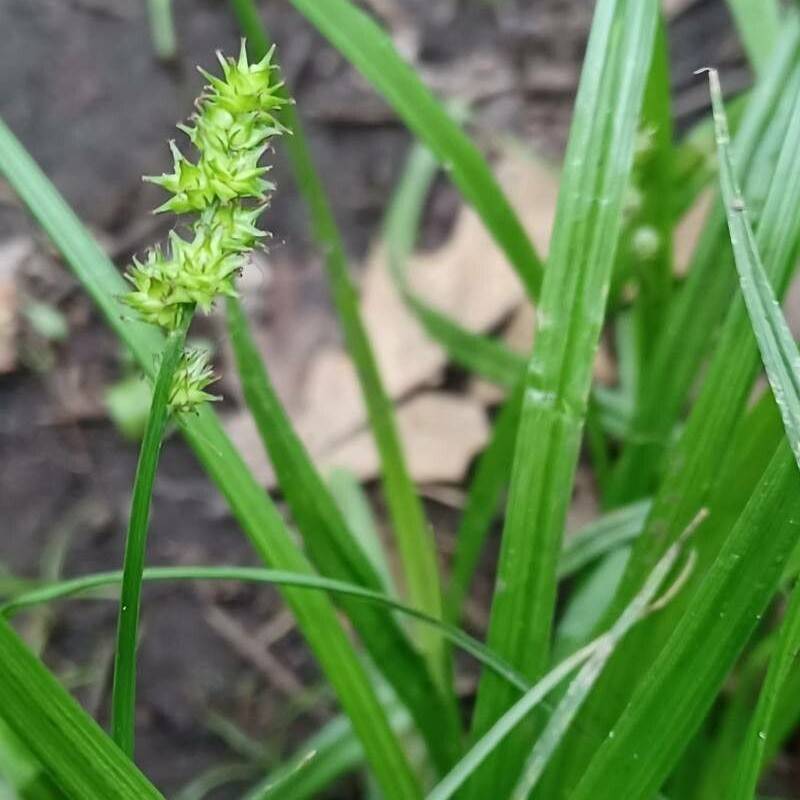
Burr Reed Sedge
Carex sparganioides
Overview
Burr reed sedge is a clumping cool-season perennial named for its spiky, rounded seed heads that resemble those of bur reed plants. It forms dense tufts of arching, bright green narrow foliage that provides year-round ground cover in appropriate settings. This native species is widely valued for its erosion control capabilities and ability to support local pollinator and wildlife populations.
Care Guide
Watering
Burr reed sedge prefers consistently moist, well-drained soil and tolerates occasional short-term flooding well. Water regularly to keep soil from drying out completely, especially during extended periods of hot, dry weather. It can tolerate moderately drier conditions once fully established, but will not thrive in prolonged drought.
Light
This adaptable sedge grows best in partial shade to full shade, mimicking its native woodland understory habitat. It can tolerate full sun only if grown in consistently moist, cool soil, as intense direct sunlight in drier conditions will scorch its foliage. Plant it under deciduous trees or along shaded stream banks for optimal performance.
Soil
Burr reed sedge thrives in rich, loamy, slightly acidic to neutral soil with high organic matter content. It tolerates a wide range of soil types including clay, sandy loam, and silty riparian soils, as long as moisture levels remain consistent. It does not perform well in compacted, poorly aerated soil that stays waterlogged for extended periods.
Fertilizer
This native sedge generally requires little to no supplemental fertilizer when grown in soil with adequate organic matter. If growing in poor, nutrient-deficient soil, apply a balanced, slow-release organic fertilizer in early spring just before new growth emerges. Avoid over-fertilizing, as this can cause overly lush, weak growth that is more prone to pest and disease issues.
Temperature
Burr reed sedge is adapted to temperate North American climates, thriving in USDA hardiness zones 3 through 8. It tolerates cold winter temperatures down to -40°F (-40°C) without additional protection, dying back to the ground in colder regions and resprouting in early spring. It can tolerate summer temperatures up to 90°F (32°C) as long as soil moisture and shade levels are adequate.
Pruning
Prune burr reed sedge in late winter or early spring before new growth emerges, cutting back old, brown foliage to a few inches above the soil line to make room for fresh new leaves. Remove any damaged, diseased, or yellowed foliage as needed throughout the growing season to maintain a tidy appearance. You can deadhead spent seed heads if you wish to prevent self-seeding, though many gardeners leave them in place for their ornamental value and to feed local bird populations.
Propagation
Burr reed sedge is most easily propagated by dividing mature clumps in early spring just as new growth begins, or in early fall before the first frost. Dig up the entire clump, separate it into smaller sections with a sharp, clean knife, ensuring each section has a healthy portion of roots and foliage, then replant immediately at the same depth as the original plant. It can also be grown from seed sown directly outdoors in fall, as the seeds require a period of cold stratification to germinate successfully.
Humidity
This sedge prefers moderate to high humidity levels typical of its native woodland and riparian habitats. It tolerates average indoor humidity if grown as a houseplant, but will benefit from occasional misting if the air is particularly dry. Outdoors, it naturally thrives in the higher humidity found near streams, ponds, and wetland edges.
Repotting
If grown in containers, repot burr reed sedge every 2 to 3 years in early spring before new growth emerges, or when it becomes root-bound and water drains through the pot very quickly. Use a rich, loamy potting mix with good drainage, and choose a pot that is 1 to 2 inches larger in diameter than the current one to accommodate new growth. After repotting, water thoroughly and place the container in a partially shaded location until the plant re-establishes.
Related plants
Other plants you might like if you grow Burr Reed Sedge.
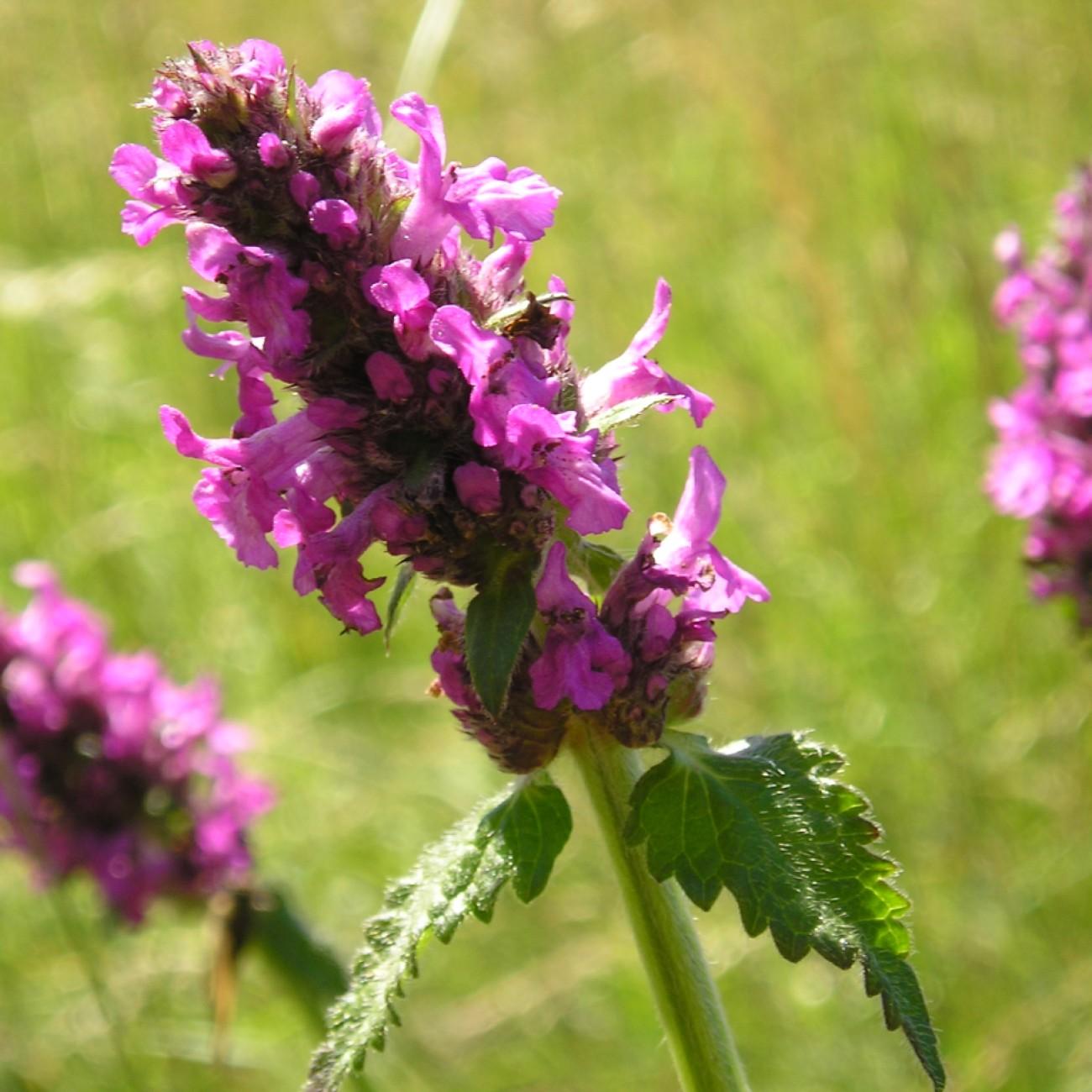
Alpine Betony
Betonica alpinum (syn. Stachys alpina)
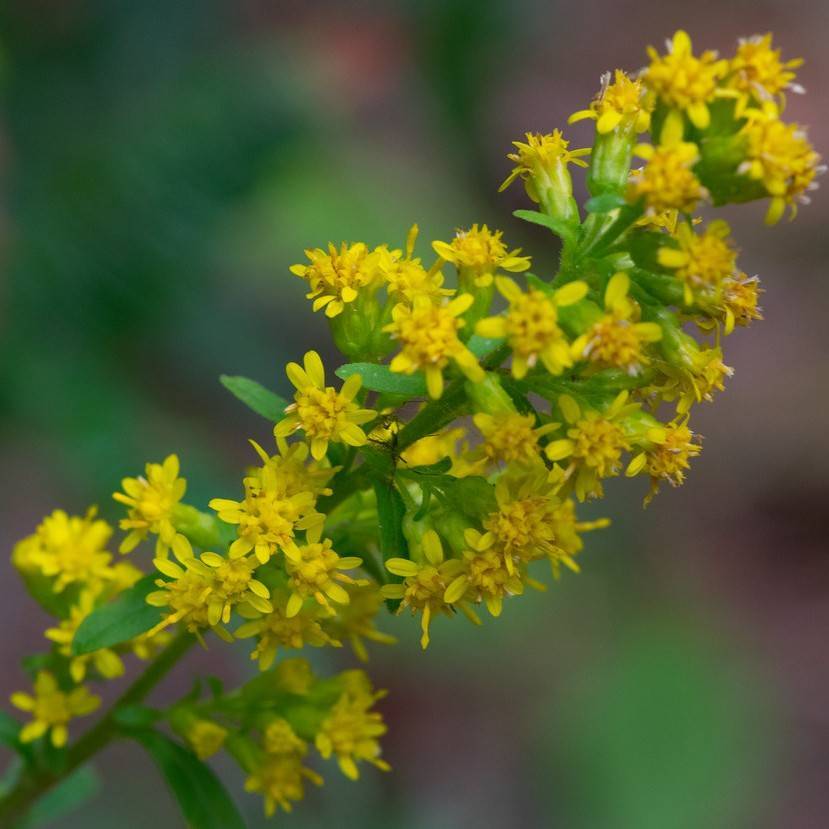
Elm Leaved Goldenrod
Solidago ulmifolia
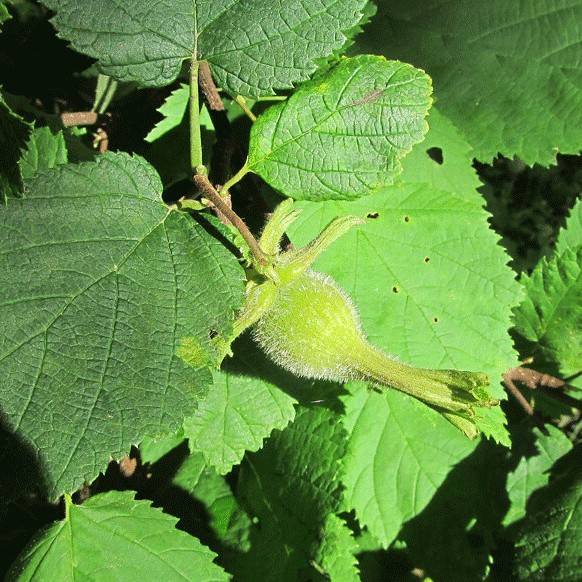
Beaked Hazel
Corylus cornuta
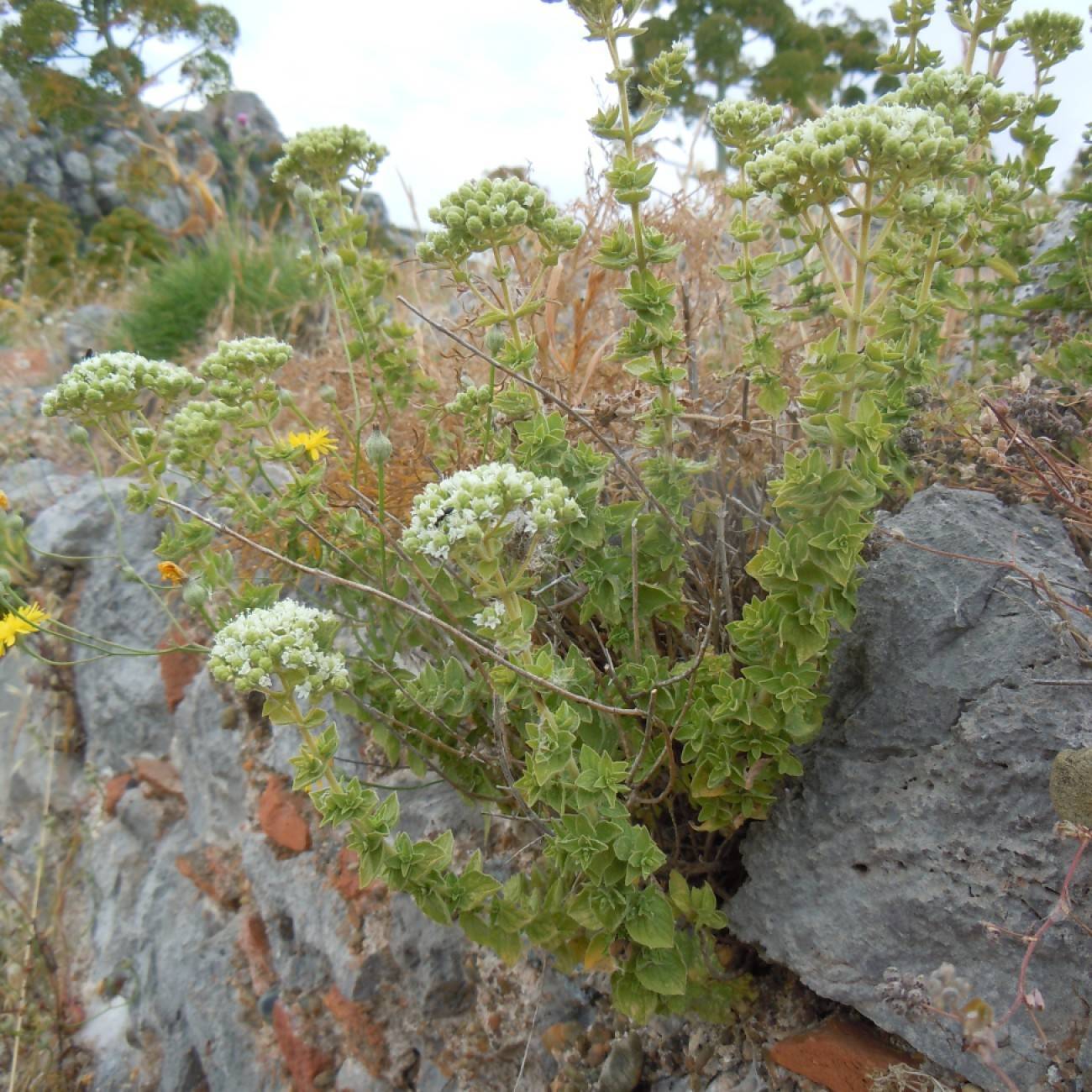
American Feverfew
Parthenium integrifolium
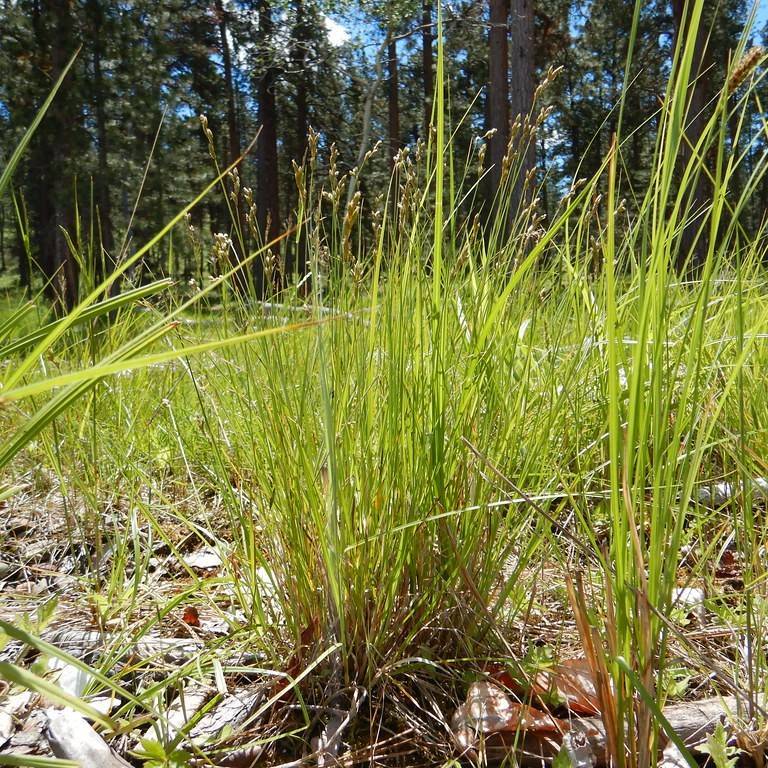
Connect Sedge
Carex connectens
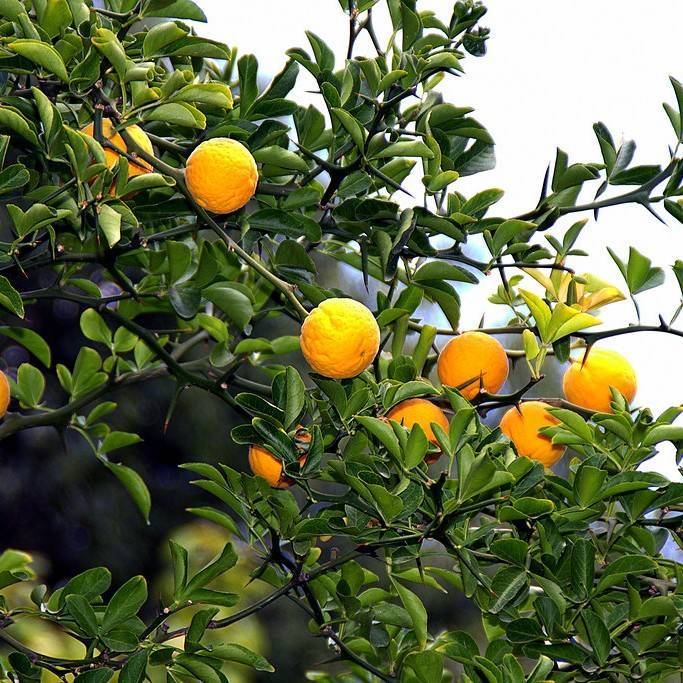
Hardy Orange
Poncirus trifoliata (syn. Citrus trifoliata)
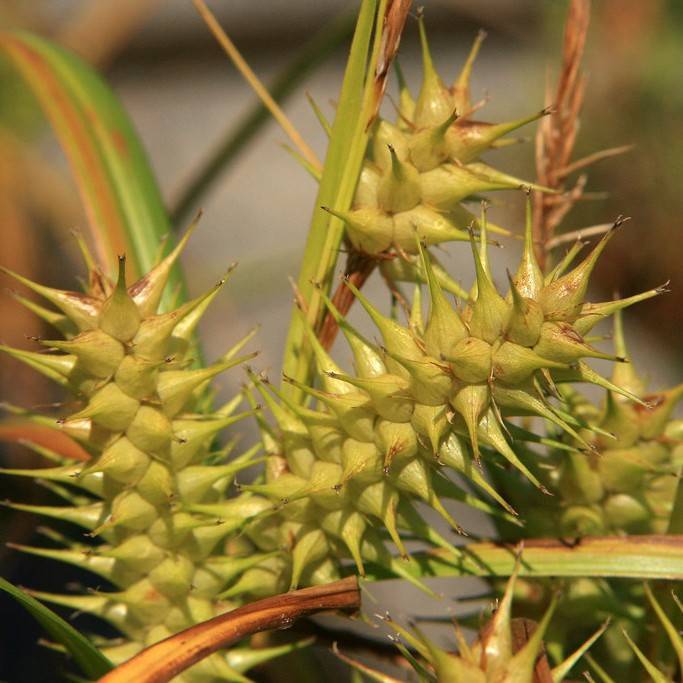
Hop Sedge
Carex lupulina
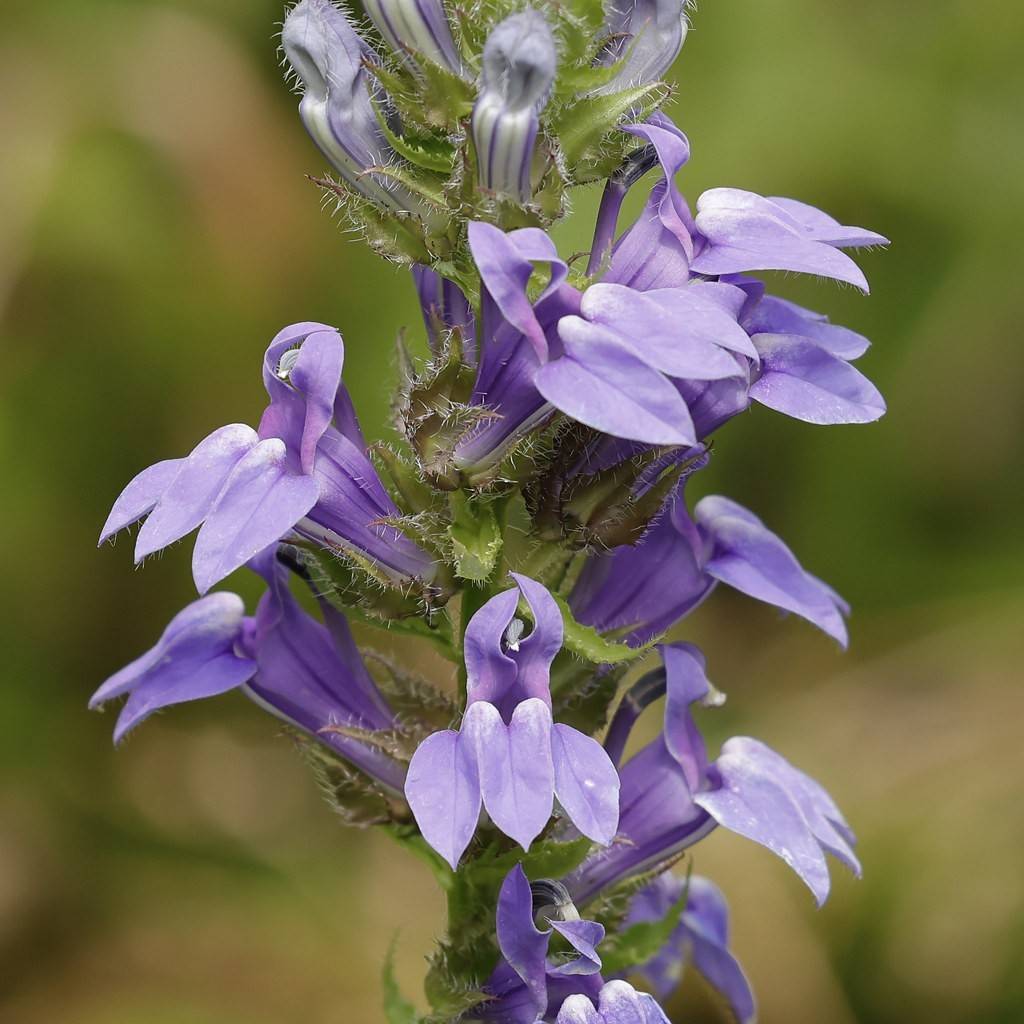
Great Blue Cardinal Flower
Lobelia siphilitica