Autumn Moor Grass
Sesleria autumnalis
Overview
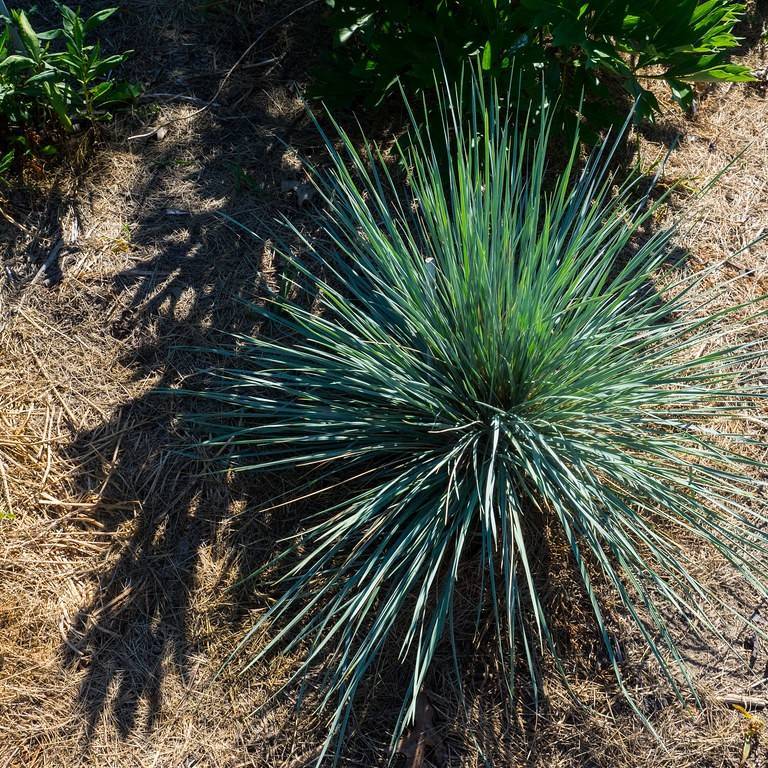
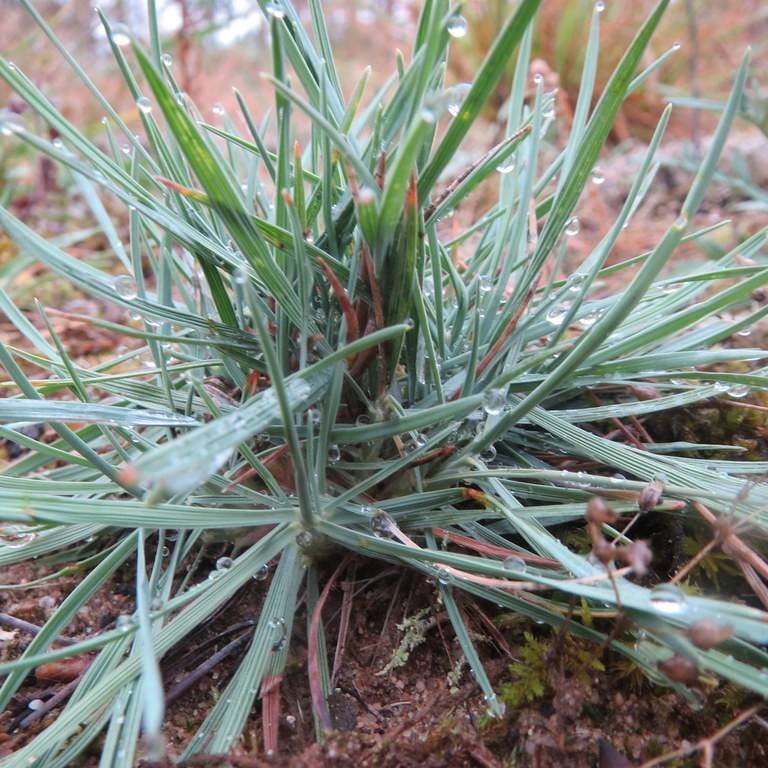
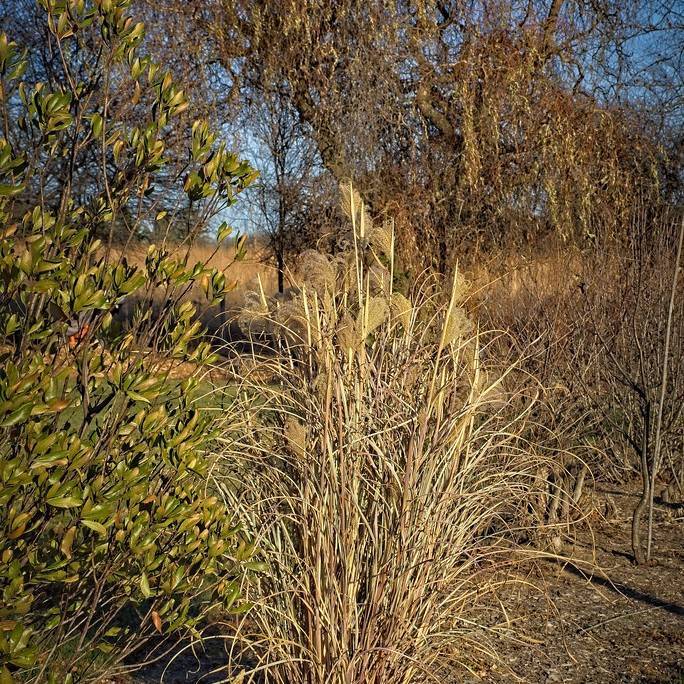
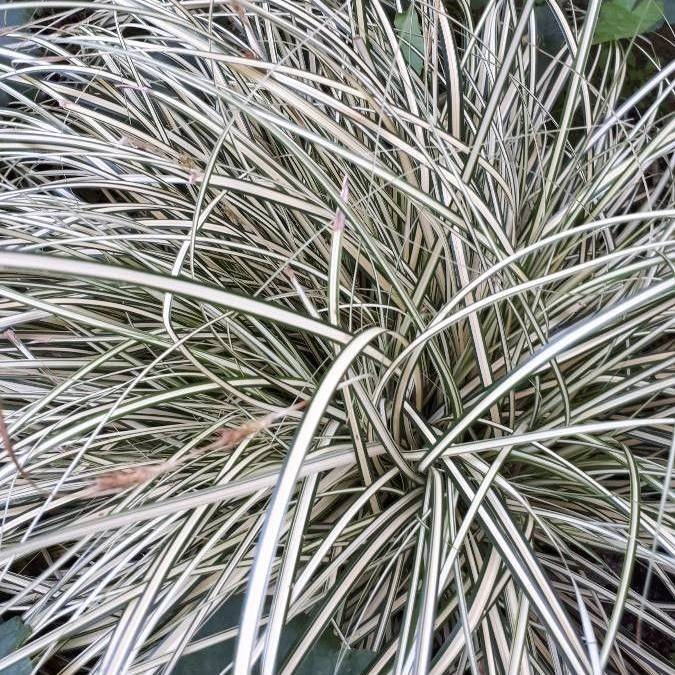
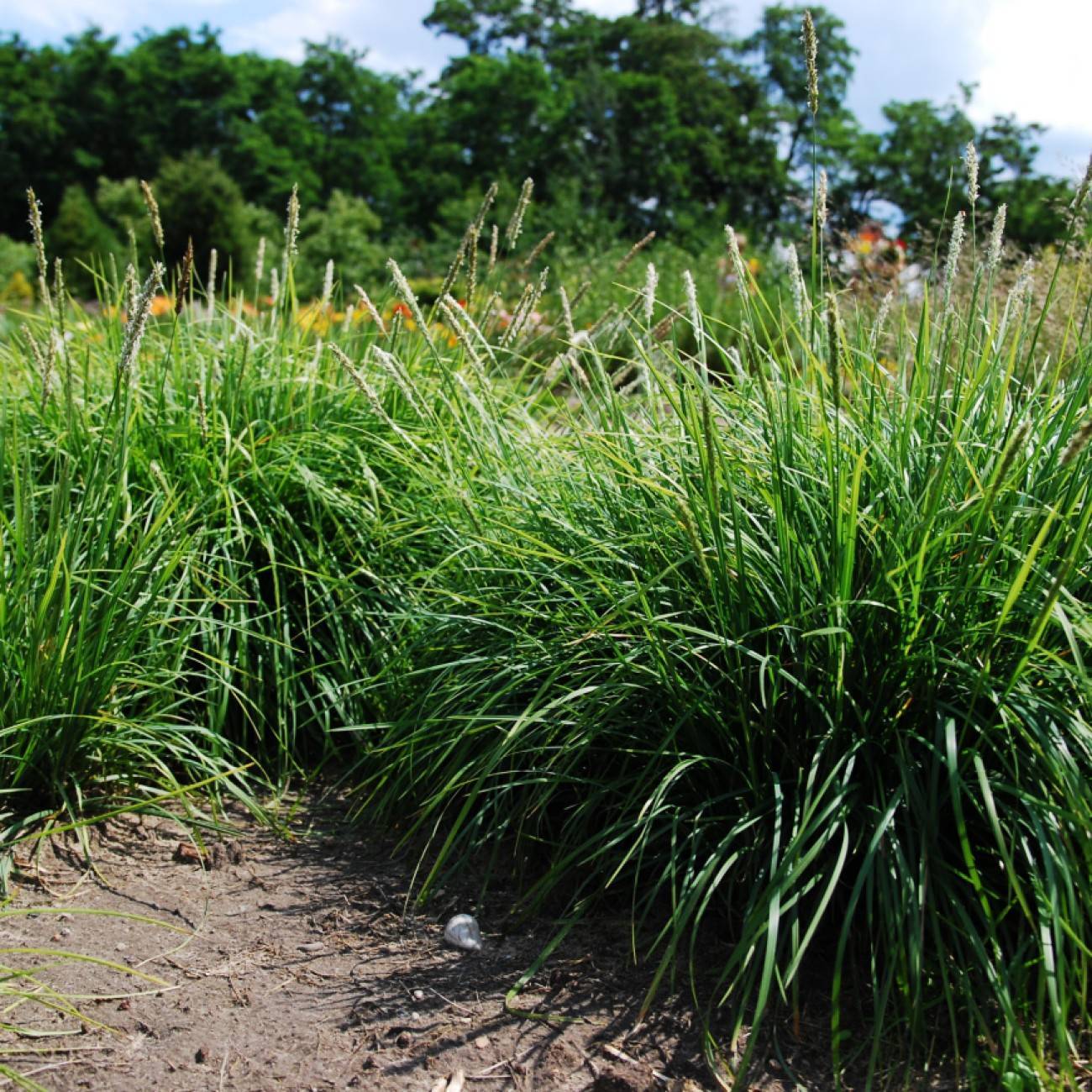
Autumn Moor Grass is a low-growing, tufted cool-season grass that forms neat, dense mounds of narrow, bright green foliage. It blooms in late summer to early fall, producing delicate, airy silvery-green flower spikes that fade to a warm tan as they mature, providing visual interest through autumn and winter. Hardy and adaptable, it is a popular choice for low-maintenance landscapes, rock gardens, and ground cover plantings.
Care Guide
Watering
Water newly planted Autumn Moor Grass regularly to keep soil consistently moist for the first growing season as it establishes a deep root system. Once established, it is highly drought-tolerant, requiring only occasional watering during extended periods of hot, dry weather. Avoid overwatering or planting in waterlogged soil, as this can cause root rot.
Light
This grass thrives in full sun, which encourages the most dense foliage growth and abundant flowering. It can tolerate partial shade, especially in regions with hot summer climates, though growth may be slightly looser and flower production reduced. Avoid heavy, deep shade, as this will cause the clumps to become sparse and leggy.
Soil
Autumn Moor Grass adapts to a wide range of soil types, including sandy, loamy, and clay soils, as long as drainage is good. It prefers a neutral to slightly alkaline pH, but can tolerate mildly acidic conditions as well. It is highly tolerant of poor, dry, or rocky soils where many other ornamental grasses struggle to thrive.
Fertilizer
This low-maintenance grass rarely needs supplemental fertilization, especially when planted in average garden soil. If growth is sparse or foliage appears pale, apply a balanced, slow-release granular fertilizer in early spring before new growth emerges. Avoid over-fertilizing, as this can cause excessive, floppy growth and reduce flowering.
Temperature
Hardy in USDA zones 4 through 9, Autumn Moor Grass tolerates winter temperatures as low as -30°F (-34°C) and summer heat up to 90°F (32°C) with adequate moisture. As a cool-season grass, it remains green through cool spring and fall weather, and may go semi-dormant during extended periods of extreme summer heat. It is tolerant of light frost and will retain its foliage structure even after hard freezes.
Pruning
Prune back the entire clump to 2-3 inches above the soil line in late winter or early spring, just before new green foliage begins to emerge. This removes dead, tan foliage from the previous year and allows fresh growth to come through unobstructed. No regular deadheading is required, as the dried flower spikes add winter interest to the landscape.
Propagation
Autumn Moor Grass is most easily propagated by division in early spring or late fall, when the plant is not actively flowering. Dig up the entire clump, use a sharp spade or knife to split it into smaller sections with healthy roots and foliage, then replant the divisions at the same depth they were growing previously. It can also be grown from seed sown directly in the garden in fall or started indoors 6-8 weeks before the last spring frost, though seed-grown plants may take 2-3 years to reach mature size.
Humidity
This grass tolerates a wide range of humidity levels, from dry continental climates to moderately humid coastal regions. It does not require any supplemental humidity, even when grown indoors as a container plant. High humidity combined with poor air circulation and overly wet soil can increase the risk of fungal leaf spot diseases.
Repotting
When grown in containers, repot Autumn Moor Grass every 2-3 years in early spring, before new growth begins. Choose a pot with drainage holes that is 1-2 inches larger in diameter than the current container, and use a well-draining general-purpose potting mix. If the clump becomes overcrowded, divide it into smaller sections during repotting to maintain healthy growth.
Uses & Symbolism
Autumn Moor Grass is widely used as a low ground cover, edging plant for walkways and borders, or mass-planted as a low-maintenance lawn alternative in areas with light foot traffic. Its compact size and year-round visual interest make it a popular choice for rock gardens, alpine plantings, and container gardens. The dried flower spikes are also commonly used in cut flower arrangements, both fresh and dried.
Diseases & Pests
Autumn Moor Grass is largely pest and disease resistant, with no major common issues. Overly wet, poorly drained soil can lead to root rot, while prolonged high humidity and poor air circulation may cause minor fungal leaf spot diseases. Aphids and spider mites may occasionally infest stressed plants, but can be controlled with a strong spray of water or insecticidal soap if necessary.
Related plants
Other plants you might like if you grow Autumn Moor Grass.