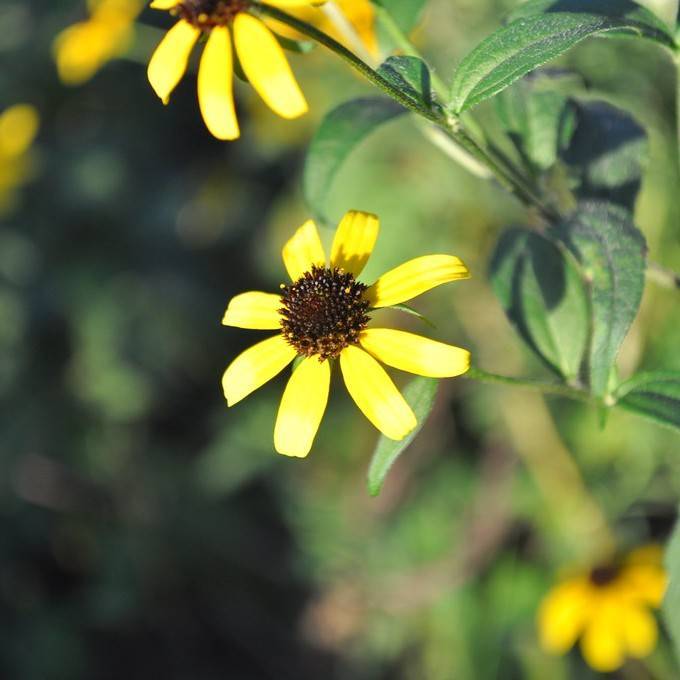
Brown Eyed Susan
Rudbeckia triloba
Overview
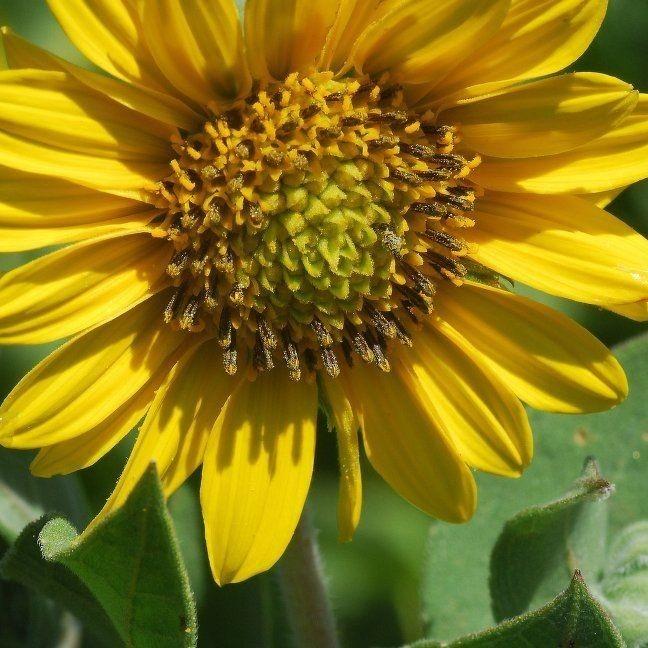
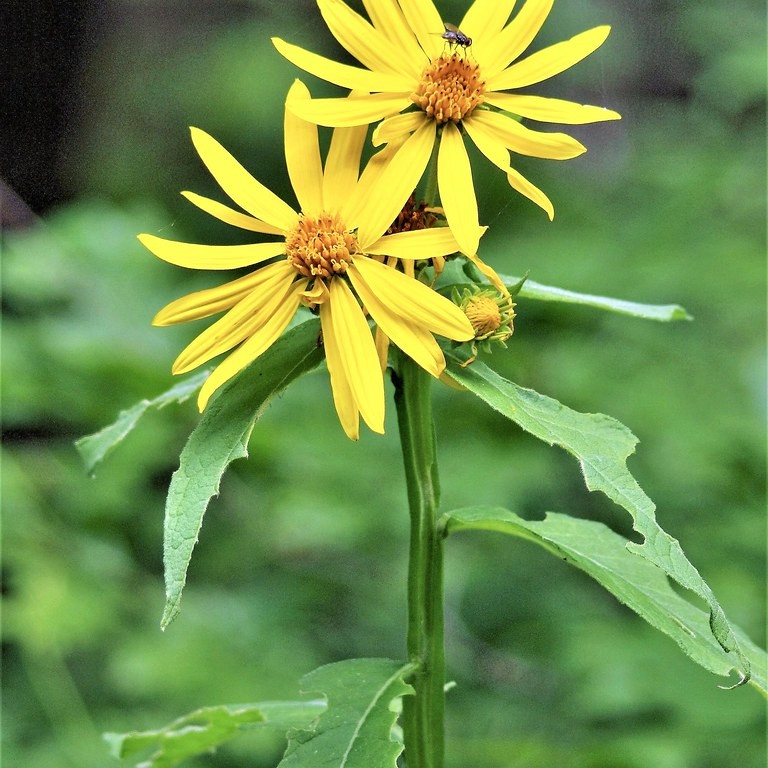
Brown Eyed Susan, a close relative of black-eyed Susan, features branching stems lined with rough, lobed green foliage that supports masses of 1-2 inch wide golden yellow flowers from mid-summer through early fall. It is naturally adapted to prairies, meadows, woodland edges, and roadside habitats across its native range, thriving in disturbed sites and poor soil conditions. A highly valuable wildlife plant, it provides nectar for bees, butterflies, and hummingbirds, while its mature seed heads offer food for finches and other songbirds through the winter.
Care Guide
Watering
Water newly planted Brown Eyed Susans regularly to keep soil evenly moist for the first growing season, until root systems are established. Mature plants are highly drought tolerant, requiring only occasional deep watering during extended periods of extreme heat or dryness, and will suffer from root rot if kept consistently soggy. Avoid overhead watering to reduce risk of foliar fungal diseases, directing water at the base of the plant instead.
Light
Grow Brown Eyed Susan in full sun, defined as at least 6 hours of direct unfiltered sunlight per day, to encourage the most abundant, sturdy flowering and prevent leggy, floppy growth. It can tolerate partial shade, though plants grown in lower light will produce fewer blooms, have weaker stems that may require staking, and be more prone to powdery mildew.
Soil
This adaptable wildflower grows well in a wide range of soil types, including poor, dry, rocky, or clay soils, as long as the site has good drainage. It tolerates neutral to slightly acidic pH levels, and does not require rich or highly fertile soils; overly nutrient-dense soil can encourage excessive foliage growth at the expense of blooms and lead to floppy stems.
Fertilizer
Brown Eyed Susan rarely requires supplemental fertilization, especially when grown in its native habitat or average garden soil. If grown in extremely poor, sandy soil, apply a balanced, slow-release all-purpose fertilizer once in early spring at half the recommended label rate to support healthy growth without overfeeding. Avoid high-nitrogen fertilizers, which will promote leafy growth and reduce flowering.
Temperature
This hardy plant thrives in temperate climates across USDA hardiness zones 3 through 9, tolerating both hot, humid summer temperatures and cold winter lows down to -40°F (-40°C). Young rosettes are cold hardy and will survive light frosts in their first year, while established plants go dormant in winter and re-emerge in spring without extra protection in their suitable range. Extended periods of temperatures above 90°F (32°C) may cause temporary wilting, though plants will recover once temperatures cool if soil has adequate moisture.
Pruning
Deadhead spent blooms regularly throughout the flowering season to encourage continuous reblooming and prevent unwanted self-seeding if desired. In late fall, you can leave seed heads intact to provide food for overwintering birds, then cut back the entire plant to 2-3 inches above the soil line in late winter or early spring before new growth emerges. If plants become leggy in mid-summer, you can shear them back by one-third to encourage bushier, more compact growth and a second flush of blooms.
Propagation
Brown Eyed Susan is most easily propagated by seed, which can be sown directly outdoors in fall for natural cold stratification, or started indoors 6-8 weeks before the last expected spring frost after 30 days of cold, moist stratification. It will also readily self-seed in ideal growing conditions, with volunteer seedlings easy to transplant to new locations in early spring when they are 2-3 inches tall. Because it is a biennial, allowing some plants to self-seed each year will ensure a continuous display of blooms in the garden.
Humidity
Brown Eyed Susan adapts well to a wide range of humidity levels, thriving in both the dry summers of the Great Plains and the humid conditions of the southeastern United States. High humidity paired with poor air circulation and low light can increase the risk of foliar fungal diseases, so space plants 12-18 inches apart to allow airflow around foliage. No extra humidity adjustments are needed for this hardy wildflower when grown in garden settings.
Repotting
Brown Eyed Susan is rarely grown in containers long-term, as it has a deep, spreading root system and performs best when planted directly in the ground. If growing in a pot, choose a container at least 12 inches deep with drainage holes, and repot only if roots begin to grow through the drainage holes or the plant becomes root bound, which typically happens after one growing season. When repotting, use a well-draining general purpose potting mix, and plant at the same depth as it was in its previous container to avoid stem rot.
Uses & Symbolism
Brown Eyed Susan is a staple of native wildflower gardens, pollinator gardens, meadow plantings, and cottage gardens, adding bright, long-lasting color from mid-summer to fall. It is frequently used in roadside restoration and erosion control projects due to its adaptability to poor soil and ability to colonize disturbed sites, and its cut flowers have a long vase life, making them popular for fresh floral arrangements. Ecologically, it is a critical host plant for several species of silvery checkerspot butterflies, supports a wide range of native pollinators, and provides winter food for seed-eating birds.
Diseases & Pests
Brown Eyed Susan is relatively pest and disease resistant, though it can develop powdery mildew, leaf spot, and rust in conditions of high humidity, poor air circulation, or excessive shade. Common pests include aphids, which cluster on new growth and can be controlled with a strong spray of water or insecticidal soap, and leaf miners, which create winding tunnels in foliage; affected leaves can be removed and discarded to prevent spread. Root rot may occur if plants are grown in poorly draining, consistently waterlogged soil, so ensure planting sites have adequate drainage to prevent this issue.
Related plants
Other plants you might like if you grow Brown Eyed Susan.