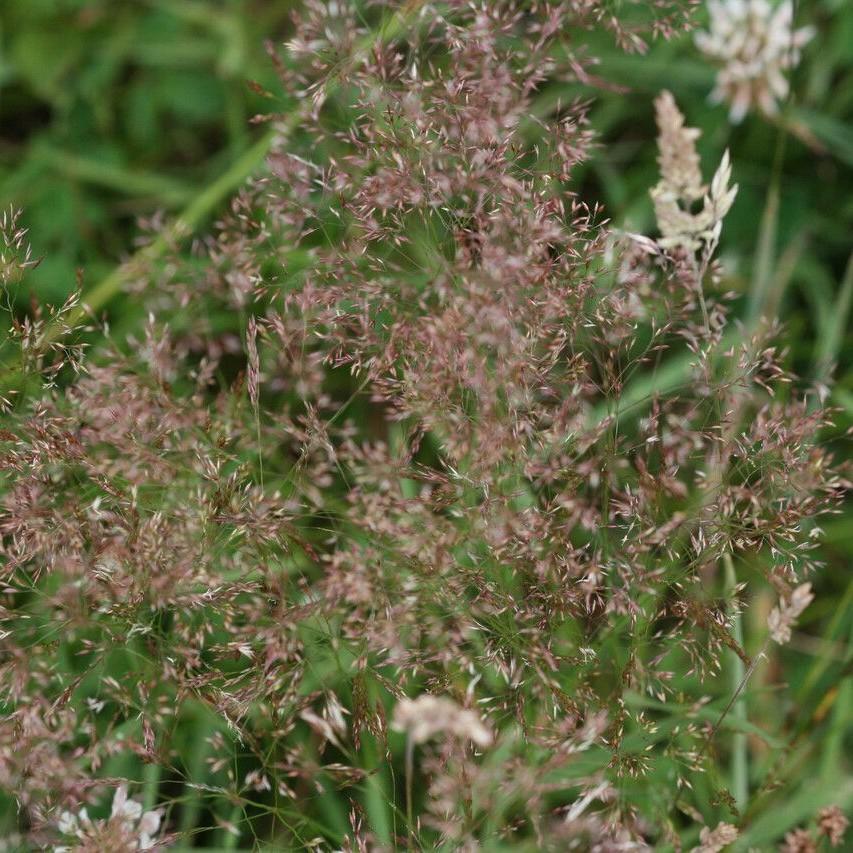
Brown Bentgrass
Agrostis canina
Overview
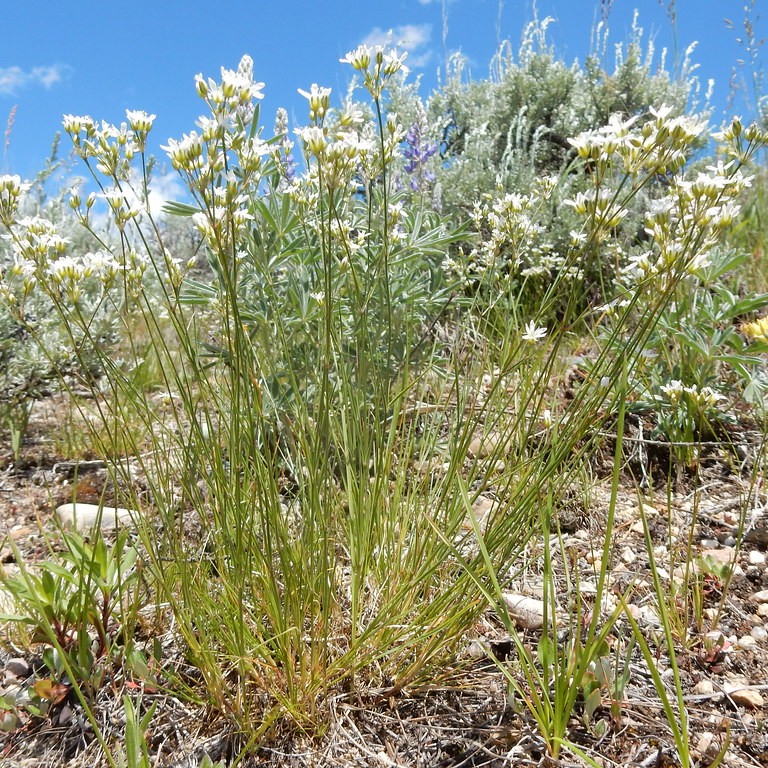
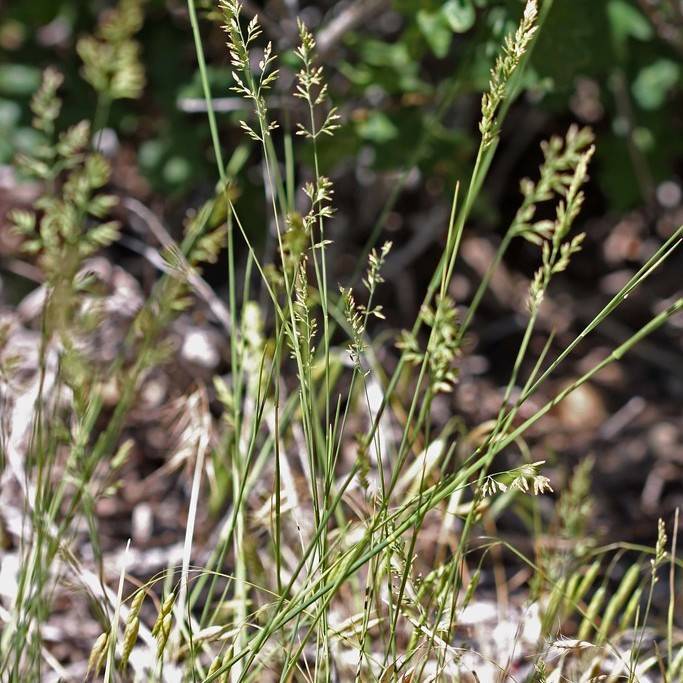
Brown bentgrass, also called velvet bentgrass, is a fine-leaved cool-season grass distinguished by its soft, velvety foliage and dense, low-growing mat habit. It naturally occurs in moist, acidic grasslands, heaths, and damp woodland edges across its native temperate range. Cultivated strains are highly prized for golf course putting greens due to their ability to be mown extremely short and produce a smooth, uniform playing surface.
Care Guide
Watering
Brown bentgrass requires consistent moisture to thrive, preferring evenly damp but not waterlogged soil; it is less drought-tolerant than many other common turf grasses. Water deeply 1-2 times per week in dry periods, avoiding frequent shallow watering that encourages shallow root growth. Reduce watering frequency in cooler seasons when evaporation rates are lower to prevent root rot.
Light
This grass performs best in full sun, receiving at least 6 hours of direct sunlight daily for the densest, healthiest growth. It can tolerate partial light shade, but growth will become thinner and less vigorous in heavily shaded locations. For indoor cultivation as a decorative grass, place it near a south or west-facing window to meet its light requirements.
Soil
Brown bentgrass thrives in acidic, well-drained soil with a pH between 4.5 and 6.5, though it can adapt to slightly neutral soils if amended. It prefers loamy or sandy loam soils rich in organic matter, and will not perform well in heavy, compacted clay soils that hold excess moisture. For turf plantings, prepare the top 4-6 inches of soil to be loose and well-aerated prior to seeding.
Fertilizer
Apply a balanced, slow-release nitrogen fertilizer at a rate of 1-2 pounds of nitrogen per 1000 square feet annually, split into 2-3 applications during the cool spring and fall growing seasons. Avoid over-fertilizing in summer, as this can stress the grass and increase susceptibility to disease. Use an acidic fertilizer if soil pH rises above 6.5 to maintain preferred acidity levels.
Temperature
As a cool-season grass, brown bentgrass grows most actively when temperatures are between 60-75°F (15-24°C). It can tolerate light frosts down to 20°F (-7°C) but will go dormant and turn brown during extended periods of temperatures above 85°F (29°C). In regions with hot summers, it may require supplemental cooling or shade to prevent heat stress and dieback.
Pruning
For turf use, mow brown bentgrass to a height of 1/8 to 1/2 inch for putting greens, or 1-2 inches for ornamental lawns, using a sharp reel mower for a clean cut. Avoid removing more than 1/3 of the grass blade height in a single mowing to prevent stress to the plants. Remove any dead or brown foliage in early spring to encourage new, healthy growth.
Propagation
Brown bentgrass is most commonly propagated from seed, sown in early spring or early fall when temperatures are cool and moisture is consistent. Surface sow the tiny seeds, barely covering them with a thin layer of soil, and keep the seed bed consistently moist until germination, which occurs in 7-14 days. It can also be propagated vegetatively via sod plugs or sprigs, which root quickly when planted in prepared, moist soil.
Humidity
Brown bentgrass prefers moderate to high humidity levels between 50-70%, which supports its soft foliage and consistent growth. It can tolerate average indoor humidity levels, but may develop brown leaf tips if exposed to prolonged dry air from heating or cooling vents. In very arid climates, misting or a nearby humidifier can help maintain adequate humidity for indoor specimens.
Repotting
For indoor container-grown brown bentgrass, repot every 1-2 years in early spring before active growth begins, using a well-draining acidic potting mix. Choose a pot with ample drainage holes to prevent waterlogging, and gently loosen the root ball before placing it in the new container to encourage root spread. Trim any dead or matted roots during repotting to promote healthy new root growth.
Uses & Symbolism
The primary commercial use of brown bentgrass is for golf course putting greens, bowling greens, and croquet courts, where its fine texture and ability to tolerate extremely low mowing create a smooth, precise playing surface. It is also planted as an ornamental lawn grass in cool, temperate regions for its soft, velvety feel and dense, uniform appearance. Erosion control projects in moist, acidic sites may use brown bentgrass to stabilize soil alongside native wetland plants.
Diseases & Pests
Brown bentgrass is susceptible to several common turf diseases, including dollar spot, brown patch, and fusarium patch, which thrive in warm, humid conditions with poor air circulation. Common pests include billbugs, cutworms, and sod webworms, which feed on the grass blades and roots, causing irregular brown patches across the turf. Overwatering, poor drainage, and over-fertilization with nitrogen significantly increase the risk of disease and pest infestations.
Related plants
Other plants you might like if you grow Brown Bentgrass.