Eulalia Grass
Miscanthus sinensis
Overview
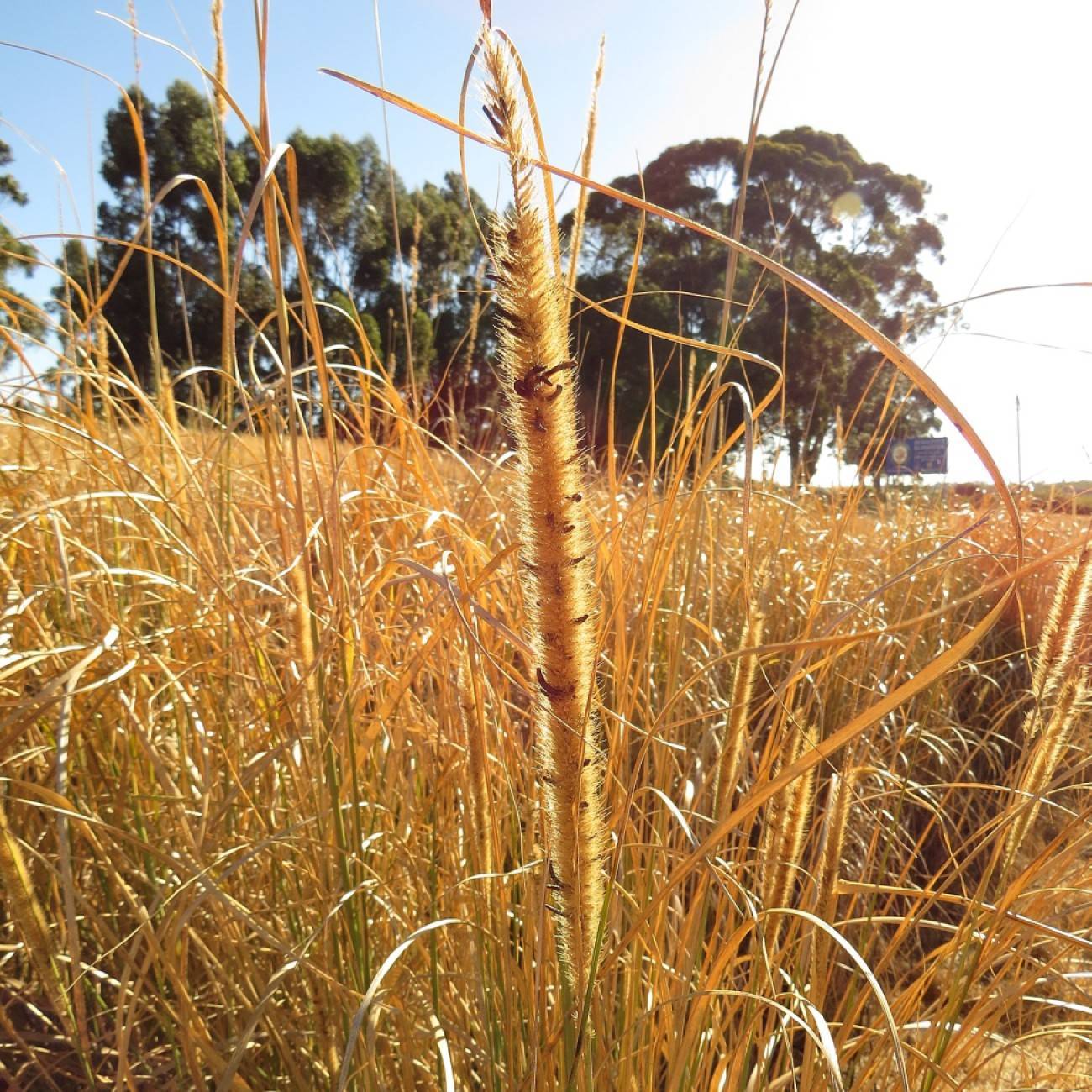
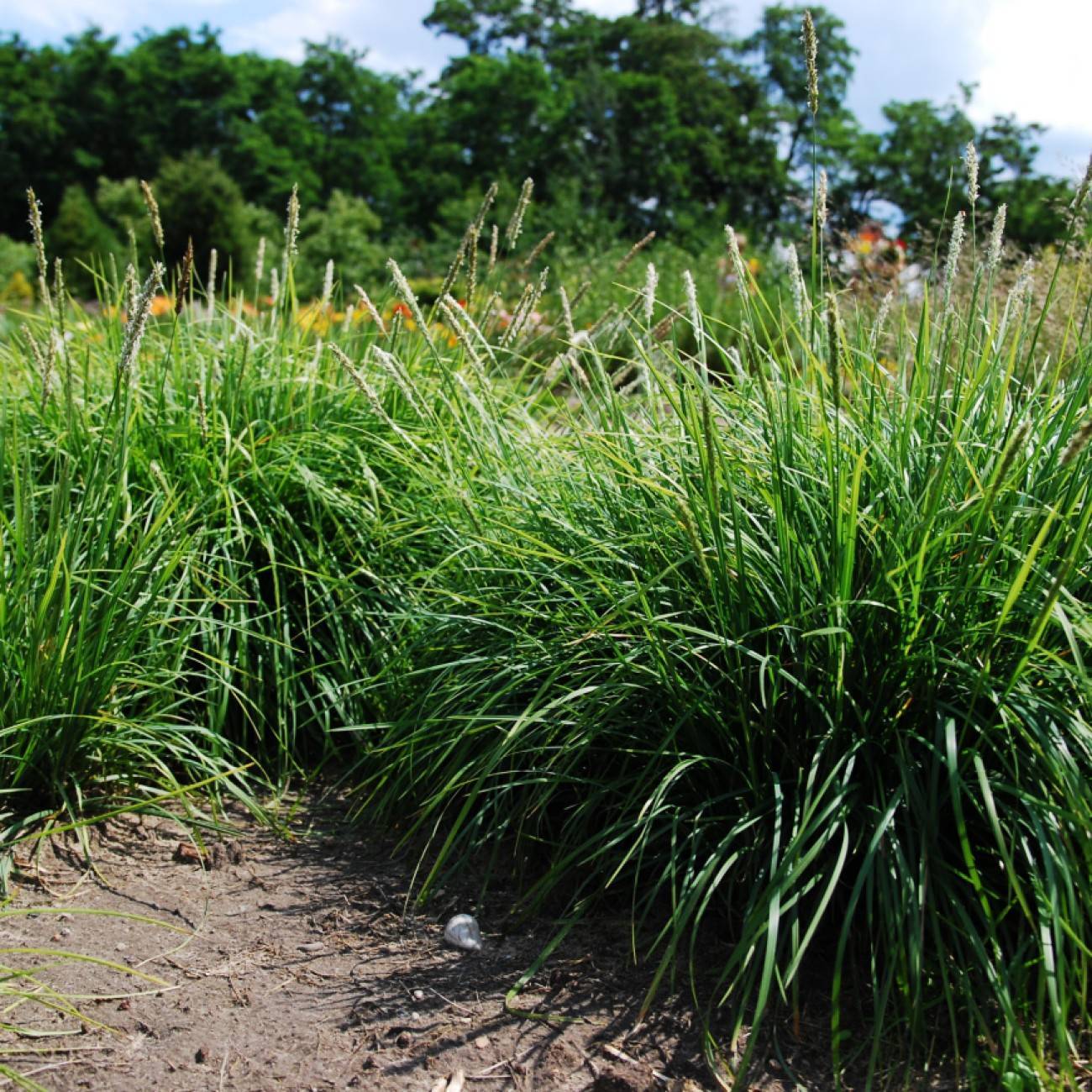
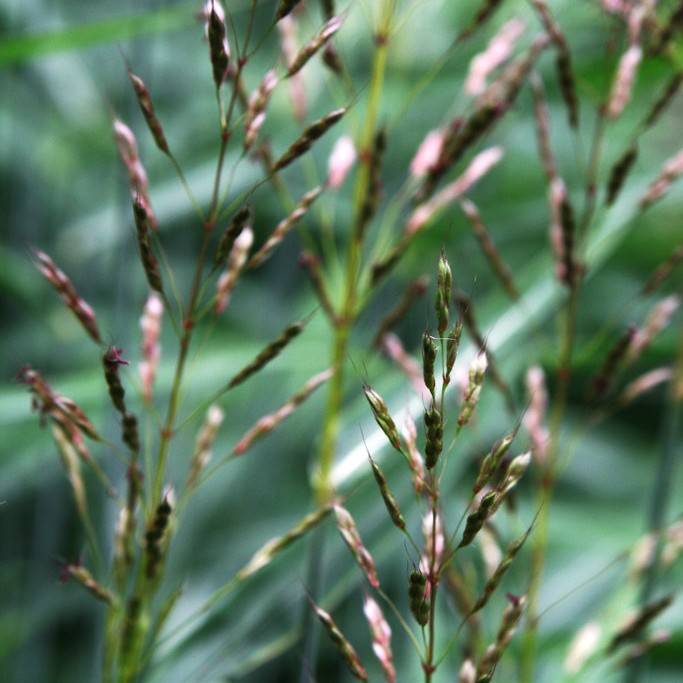
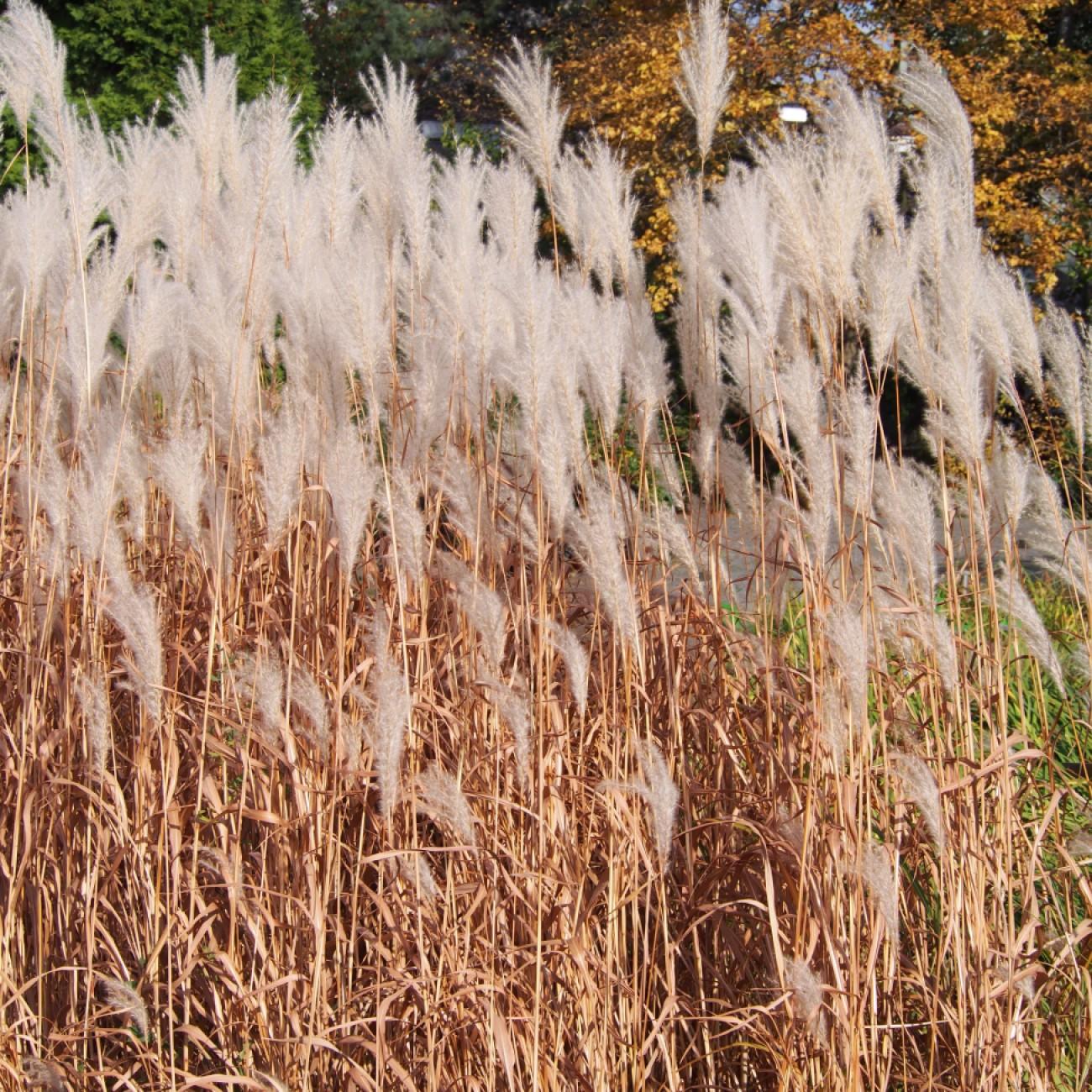
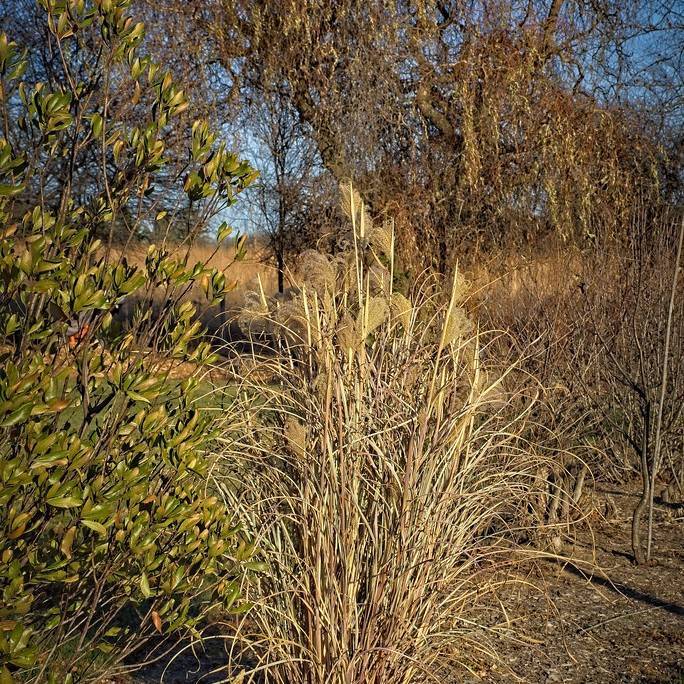
Eulalia grass, often called Chinese silver grass, is a warm-season perennial grass that forms dense, cascading clumps of narrow, green or variegated foliage. In late summer to fall, it produces tall, feathery plumes that emerge pinkish-silver and fade to soft tan as they dry, persisting through winter to add texture to dormant gardens. It is widely cultivated in temperate regions for its adaptable nature and striking structural form, with dozens of cultivars available for different landscape sizes and aesthetic preferences.
Care Guide
Watering
Eulalia grass has moderate water needs, preferring consistently moist, well-drained soil during its active growing season in spring and summer. Once established, it is highly drought-tolerant, requiring only occasional deep watering during extended dry periods; overwatering or soggy soil can lead to root rot. Reduce watering significantly in fall and winter when the plant goes dormant, as wet soil in cool temperatures increases the risk of fungal issues.
Light
This grass thrives in full sun, requiring at least 6 hours of direct, unfiltered sunlight daily to produce dense foliage and abundant flowering plumes. It can tolerate partial shade, but growth will be looser, floppier, and flowering will be reduced, with variegated cultivars losing their distinct color patterns in low light. In very hot, arid climates, it benefits from light afternoon shade to prevent leaf scorch, but full sun is still preferred for optimal performance.
Soil
Eulalia grass adapts to a wide range of soil types, including sandy, loam, and clay soils, as long as they are well-drained. It tolerates a pH range from slightly acidic to slightly alkaline, and can even handle poor, low-nutrient soils that other ornamental plants struggle in. Avoid heavy, waterlogged soils, as prolonged exposure to standing water will damage the root system and can kill the plant over time.
Fertilizer
Eulalia grass is a light feeder that rarely requires regular fertilization, especially when grown in average garden soil. Over-fertilization, particularly with high-nitrogen formulas, leads to overly lush, floppy growth that is prone to falling over and reduces winter hardiness. If grown in extremely poor, sandy soil, apply a balanced, slow-release 10-10-10 fertilizer once in early spring at half the recommended rate to support healthy new growth.
Temperature
It is hardy in USDA zones 5 through 9, tolerating winter lows as low as -20°F (-29°C) when established. It thrives in warm summer temperatures between 70°F and 90°F (21°C to 32°C), which supports active foliage growth and plume development. In regions with harsh, cold winters, leaving the dried foliage and plumes intact over winter provides extra insulation for the root crown, reducing the risk of cold damage.
Pruning
Prune eulalia grass once annually in late winter or early spring, before new green growth emerges from the root crown, cutting the entire clump back to 4-6 inches (10-15 cm) above the soil line. This removes dried, dead foliage from the previous year, allowing new growth to emerge unobstructed and keeping the clump looking neat. Remove any damaged, brown, or diseased foliage at any point during the growing season to maintain the plant’s appearance; do not prune heavily in fall, as the dried foliage and plumes provide winter interest and protect the root system.
Propagation
The most reliable method of propagating eulalia grass is through division, done in early spring just as new growth begins to emerge. Dig up the entire mature clump, use a sharp spade or saw to cut it into smaller sections, each with a healthy portion of roots and several growing shoots, then replant the sections at the same depth they were originally growing and water thoroughly. It can also be grown from seed, but most named cultivars will not grow true from seed, so division is required to preserve specific traits like variegation or dwarf size.
Humidity
Eulalia grass tolerates a wide range of humidity levels, thriving in both moderately dry and humid climates, as long as soil moisture and drainage are adequate. High humidity combined with poor air circulation around the base of the clump can increase the risk of fungal leaf spots, so space plants 3-6 feet apart to allow for airflow. It has no special humidity requirements when grown outdoors, and is tolerant of the dry air found in indoor environments if grown as a potted houseplant.
Repotting
When grown in containers, eulalia grass should be repotted every 2-3 years in early spring, before new growth starts, as it can quickly become root-bound in small pots. Choose a pot that is 2-3 inches larger in diameter than the current one, with multiple drainage holes to prevent waterlogging, and use a well-draining, general-purpose potting mix. When repotting, gently loosen tangled roots and trim any dead or rotting root sections before placing the plant in the new pot and backfilling with soil, then water thoroughly to settle the roots.
Uses & Symbolism
Eulalia grass is a popular ornamental landscape plant, used as a specimen focal point, in mass plantings for erosion control on slopes, as a tall privacy screen, or in mixed perennial borders to add vertical texture and movement. Its dried plumes are widely used in cut flower arrangements, both fresh and dried, for their soft, feathery appearance and long lifespan. Some tall cultivars are grown as a bioenergy crop for biomass production, as they produce large amounts of fast-growing, low-moisture vegetation suitable for burning for heat or energy.
Diseases & Pests
Eulalia grass is relatively pest and disease resistant, but can be affected by fungal issues like leaf spot, rust, and anthracnose in warm, wet, poorly ventilated conditions, which cause brown or yellow spots on foliage and can be treated with fungicides and improved air circulation. Common pests include aphids and spider mites, which suck sap from foliage, causing yellowing and stunted growth, and can be controlled with insecticidal soap or neem oil sprays. Root rot can occur if the plant is grown in waterlogged soil, so ensuring proper drainage is the best prevention for this often fatal issue.
Related plants
Other plants you might like if you grow Eulalia Grass.