Bluejoint Reedgrass
Calamagrostis canadensis
Overview
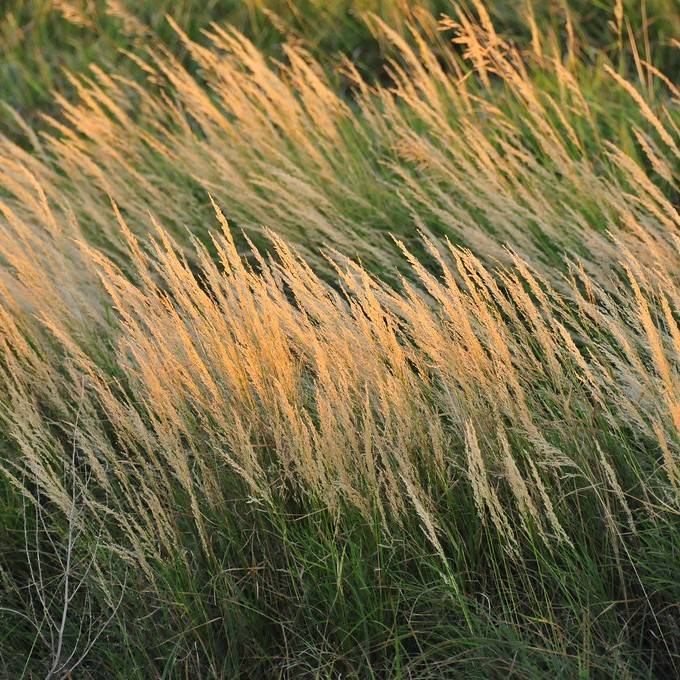
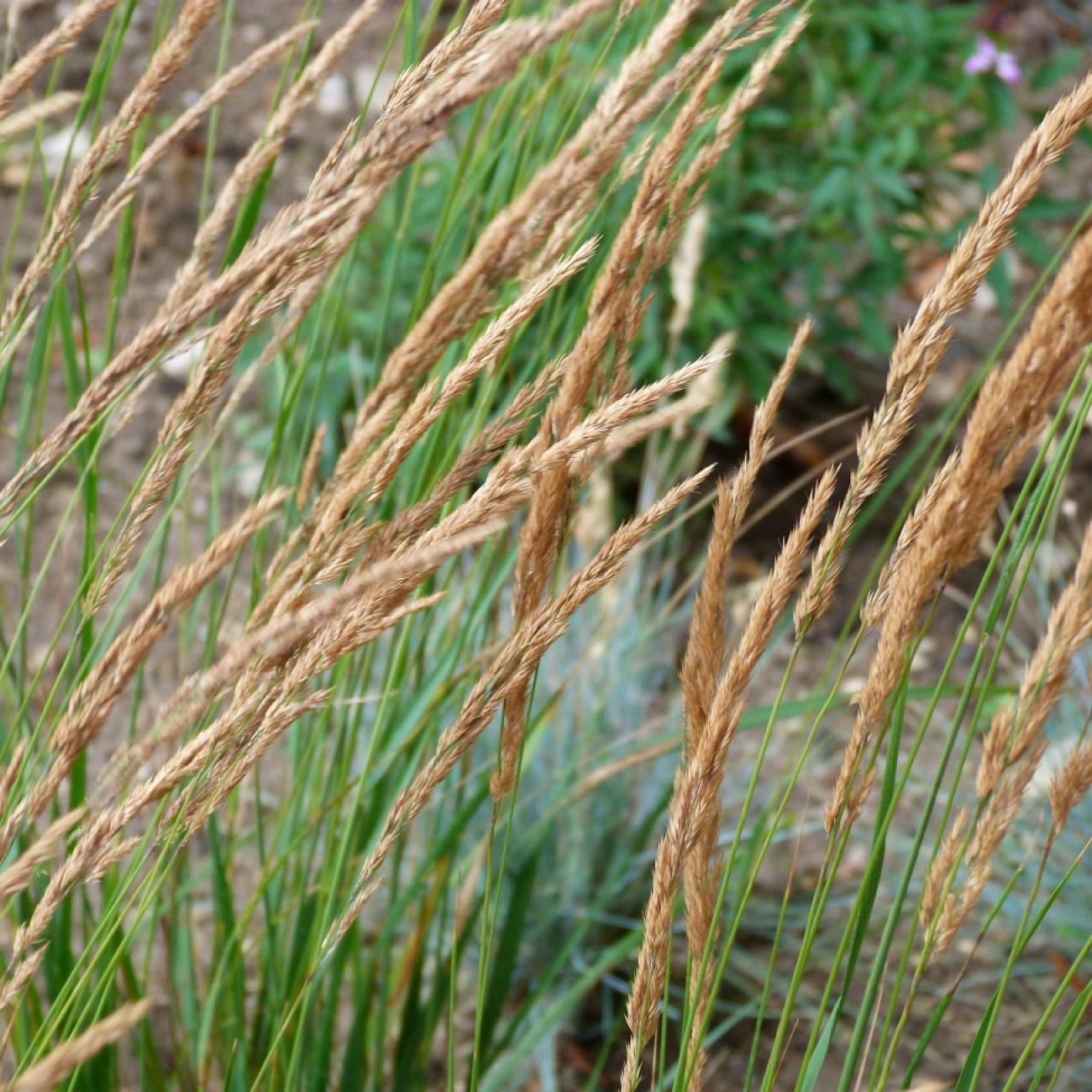
Bluejoint Reedgrass is a cool-season rhizomatous grass that thrives in moist, low-lying habitats such as marshes, wet meadows, and riparian zones across its native North American range. It produces upright, slender stems with narrow, bluish-green blades that take on golden tones in fall, paired with delicate, purplish-bronze feathery inflorescences that emerge in early summer and persist through winter. This adaptable grass spreads slowly via rhizomes to form dense stands, making it a valuable workhorse for ecological restoration projects and naturalistic landscape designs.
Care Guide
Watering
Bluejoint Reedgrass prefers consistently moist to wet soil, and can tolerate periodic flooding and standing water up to 6 inches deep for several weeks at a time. Water regularly to keep soil from drying out completely, especially when planted in upland garden settings where natural moisture is limited. Drought tolerance is minimal, and prolonged dry conditions will cause foliage to brown and growth to slow significantly.
Light
This grass grows best in full sun, which encourages dense, upright growth and abundant flowering. It can tolerate partial shade, though plants may become leggier and produce fewer seed heads in low-light conditions. Full shade will severely restrict growth and may cause stands to thin out over time.
Soil
Bluejoint Reedgrass adapts to a wide range of soil types, including sandy loam, silt, clay, and mucky peat soils common in wetland environments. It tolerates acidic to neutral pH levels, and can survive in low-nutrient, poorly drained soils where many other ornamental grasses struggle. While it prefers wet substrates, it can grow in average garden soil if given regular supplemental water.
Fertilizer
Fertilization is rarely necessary for established plants, especially in native landscape or restoration settings, as bluejoint reedgrass thrives in low-nutrient soils. If growth appears stunted in garden plantings, apply a balanced slow-release fertilizer in early spring before new growth emerges. Avoid over-fertilizing, as this can encourage overly lush growth that is prone to flopping.
Temperature
This cold-hardy grass is adapted to USDA zones 2 through 7, and can withstand winter temperatures as low as -50°F (-46°C) without damage. It is a cool-season species, so most active growth occurs in spring and fall when temperatures are between 60 and 75°F (15 and 24°C). Summer heat above 85°F (29°C) may slow growth, but plants will recover once temperatures cool, provided soil moisture is adequate.
Pruning
Prune back old foliage to 4 to 6 inches above the ground in late winter or early spring before new green shoots emerge, to make way for fresh growth and improve air circulation throughout the stand. Remove any broken or diseased stems as they appear throughout the growing season to maintain plant health. If self-seeding is unwanted, cut back seed heads in late summer before they mature and disperse seed.
Propagation
Bluejoint Reedgrass can be propagated easily by division of established clumps in early spring or late fall, when the plant is in its active cool-season growth phase. Divide rhizomatous clumps into smaller sections with at least 3 to 5 healthy shoots each, and replant immediately at the same depth as the original plant, watering thoroughly to settle roots. It can also be grown from seed sown directly on moist, bare soil in late fall or early spring; no stratification is required for germination, but consistent moisture is critical for seedling establishment.
Humidity
This grass tolerates a wide range of humidity levels, from the high humidity of wetland and riparian zones to the moderate humidity of temperate upland gardens. It has no special humidity requirements when provided with sufficient soil moisture, and will perform well even in areas with periodic low humidity as long as watering needs are met. Very dry air combined with dry soil will cause foliage to brown at the tips and reduce overall vigor.
Repotting
Bluejoint Reedgrass is rarely grown in containers, as its spreading rhizomatous root system requires ample space to grow, and it prefers consistent soil moisture that is difficult to maintain in pots. If grown in a container for wet garden features, repot every 2 to 3 years in early spring before new growth emerges, dividing overcrowded clumps if needed to prevent root binding. Use a heavy, loamy potting mix that retains moisture well, and ensure the container has drainage holes to prevent root rot even in wet-loving specimens.
Uses & Symbolism
Bluejoint Reedgrass is widely used in wetland restoration, riparian buffer plantings, and erosion control projects, as its dense rhizome network stabilizes saturated soil and filters runoff pollutants to improve water quality. It provides critical cover and food for native wildlife, including nesting material for birds, forage for large herbivores such as elk and moose, and habitat for pollinators and wetland invertebrates. In naturalistic and native plant gardens, it is valued for its airy, low-maintenance texture, seasonal color interest, and ability to thrive in poorly drained sites where other landscape plants fail.
Diseases & Pests
Bluejoint Reedgrass is relatively disease-resistant, though it may occasionally develop foliar rust or leaf spot in overly humid, poorly ventilated conditions, which can be managed by thinning dense stands to improve air circulation and avoiding overhead watering. Common pests include aphids and grasshoppers, which may feed on foliage but rarely cause significant long-term damage to healthy, established stands. Root rot can occur in plants grown in poorly drained upland soil that is not consistently wet, as stagnant, oxygen-deprived soil damages rhizomes over time.
Related plants
Other plants you might like if you grow Bluejoint Reedgrass.