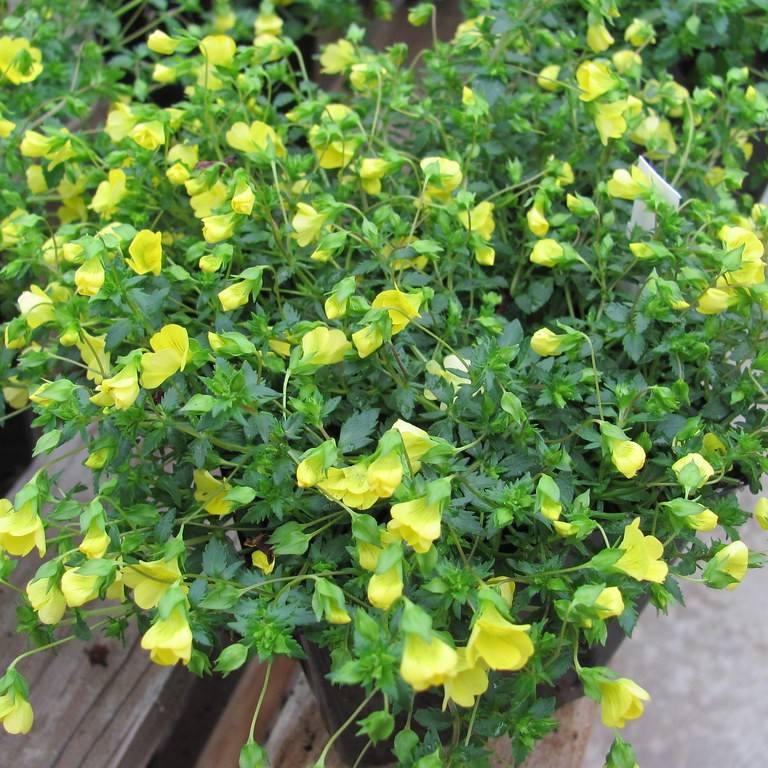
Axilflower
Mecardonia procumbens
Overview
Axilflower is a mat-forming herbaceous perennial named for its small, bright yellow five-petaled flowers that emerge from the axils where leaves meet stems. Its small, oval, bright green leaves are lightly toothed and emit a faint herbal scent when crushed. In mild climates it grows as a year-round ground cover, while in regions with frost it is often grown as an annual ornamental. It spreads quickly via creeping stems that root at nodes as they touch soil, forming dense, weed-suppressing mats.
Care Guide
Watering
Water axilflower regularly to keep soil consistently moist but not waterlogged, especially during hot, dry periods; reduce watering frequency in cooler months when growth slows. Avoid overhead watering to minimize leaf spot risk, directing water directly to the root zone instead. Drought tolerance is moderate once established, but extended dry periods will reduce flowering and cause leaf drop.
Light
Axilflower thrives in full sun, requiring at least 6 hours of direct sunlight daily to produce abundant blooms and maintain dense, compact growth. It can tolerate partial shade, particularly in very hot climates, but flowering will be reduced and stems may become leggy as the plant stretches for light. Indoor specimens should be placed in a south-facing window or under grow lights for 8-10 hours daily.
Soil
Plant axilflower in well-draining, loamy or sandy soil with a slightly acidic to neutral pH between 6.0 and 7.0. It adapts to poor, low-nutrient soils as long as drainage is adequate; heavy clay soils that hold standing water will cause rapid root rot. For container plantings, use a standard potting mix amended with perlite or coarse sand to improve drainage.
Fertilizer
Fertilize axilflower sparingly, applying a balanced, slow-release 10-10-10 fertilizer once at the start of the growing season in spring. Excess nitrogen will promote lush leaf growth at the expense of flowering, so avoid frequent liquid feedings. Potted specimens can be given a diluted half-strength liquid fertilizer once every 6-8 weeks during active growth if foliage appears pale.
Temperature
Axilflower prefers warm temperatures between 65-85°F (18-29°C) for optimal growth and flowering. It is hardy in USDA zones 9-11, tolerating light short-duration frosts down to 25°F (-4°C) before dying back to the ground, regrowing in spring in mild regions. Temperatures below 20°F (-7°C) will kill the plant entirely, so in colder zones it is grown as an annual or overwintered indoors.
Pruning
Prune axilflower lightly throughout the growing season to trim back leggy stems and encourage denser, bushier growth. Deadheading spent flowers is not required, as the plant blooms continuously without intervention, but trimming back overgrown patches will improve air circulation. At the end of the growing season in frost-prone areas, cut back dead foliage to ground level to prepare for new spring growth in zones where it overwinters.
Propagation
Axilflower is easily propagated from stem cuttings taken in spring or summer; snip 3-4 inch (7-10 cm) healthy tip cuttings, remove lower leaves, and place in moist potting mix, where roots will form in 2-3 weeks without rooting hormone. It can also be grown from seed sown directly on the soil surface 1-2 weeks before the last expected frost, as seeds require light to germinate. Established plants can be divided in early spring by pulling apart rooted stem sections and replanting them directly in prepared soil.
Humidity
Axilflower adapts well to average ambient humidity levels between 40-60%, which is typical of most outdoor and indoor environments. It tolerates low humidity in arid climates and high humidity in tropical regions, as long as foliage has good air circulation to prevent fungal issues. Indoor specimens do not require misting, but avoid placing them near dry heating vents that can desiccate leaves.
Repotting
Potted axilflower should be repotted every 1-2 years in spring, or when roots begin to grow out of the drainage holes, indicating it has become root-bound. Choose a pot one size larger than the current container with adequate drainage holes, and refresh the potting mix to replenish nutrients. Its trailing growth habit makes it well-suited to hanging baskets and window boxes, where repotting can be combined with trimming back overlong stems to maintain a neat appearance.
Uses & Symbolism
Axilflower is widely used as a low-growing ground cover in landscape beds, rock gardens, and between stepping stones, where its dense mat suppresses weeds and tolerates light foot traffic. It is a popular choice for hanging baskets, window boxes, and container spiller plants, where its trailing stems and continuous yellow blooms add long-lasting color. In some traditional herbal medicine systems in its native range, it has been used topically to treat minor skin irritations and insect bites, though medicinal use is not widespread.
Diseases & Pests
Axilflower is relatively pest and disease resistant, but overwatering and poor drainage can lead to root rot, the most common issue affecting the plant. Fungal leaf spot and powdery mildew may occur in humid conditions with poor air circulation, which can be prevented by spacing plants properly and avoiding overhead watering. Aphids and spider mites may occasionally infest stressed plants, particularly indoor specimens, and can be controlled with insecticidal soap or neem oil applications.
Related plants
Other plants you might like if you grow Axilflower.
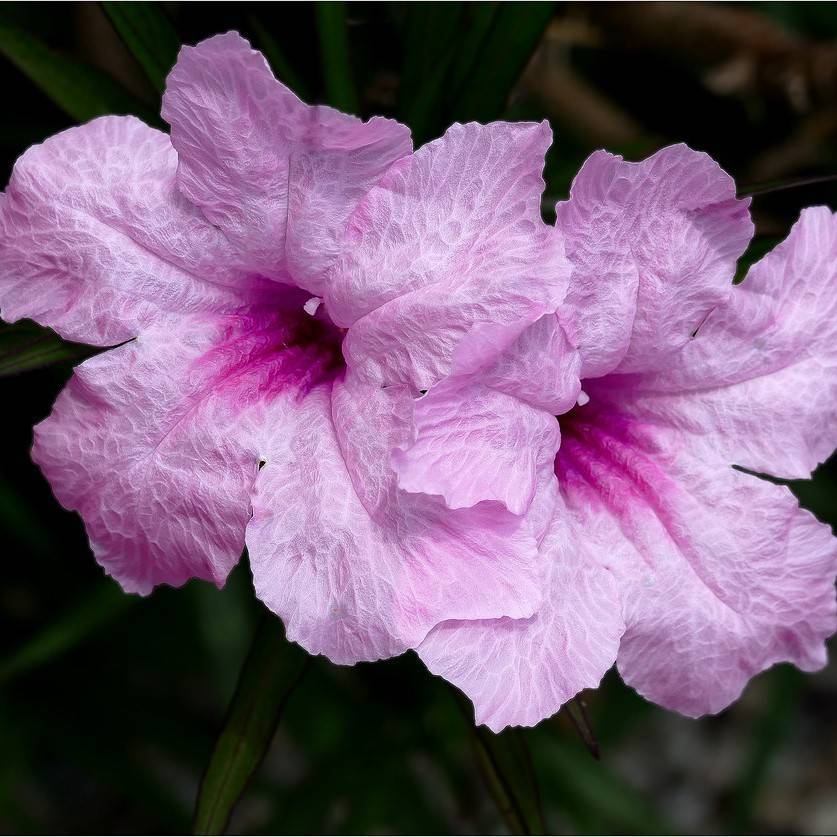
Dwarf Ruellia
Ruellia simplex 'Katie'
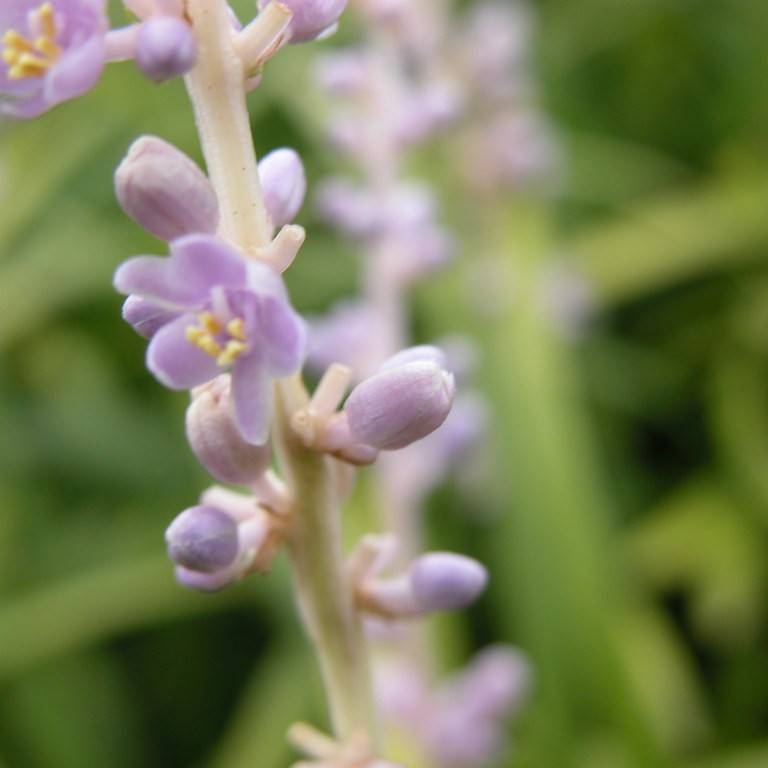
Creeping Liriope
Liriope spicata
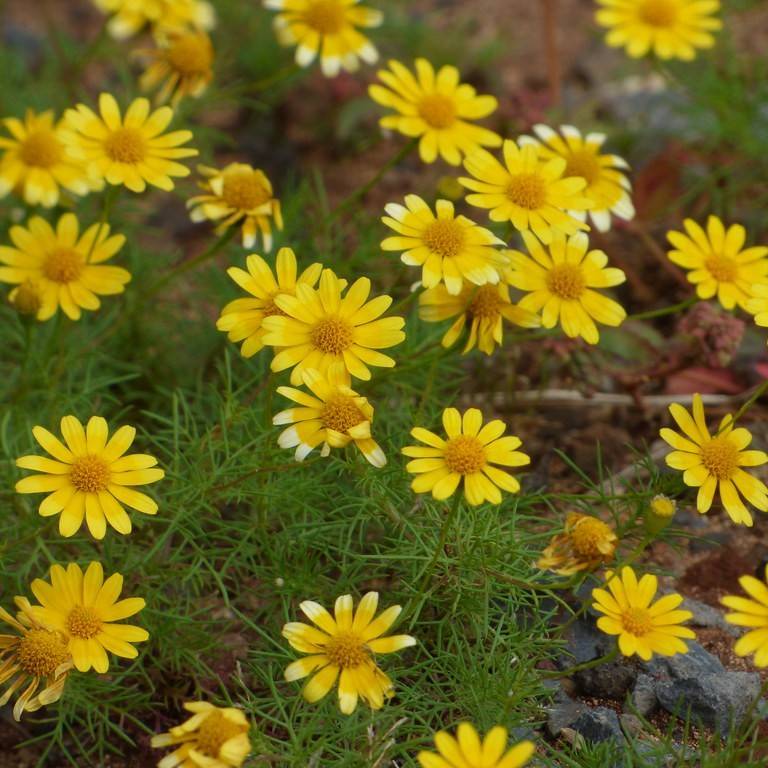
Dahlberg Daisy
Thymophylla tenuiloba
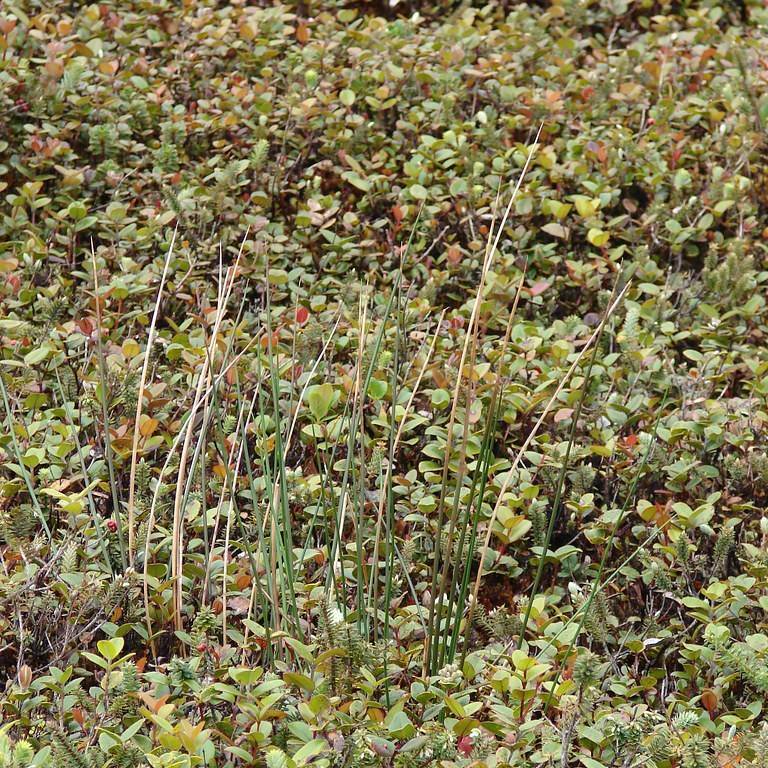
Dwarf Mat Rush
Lomandra confertifolia subsp. pallida 'Little Con'
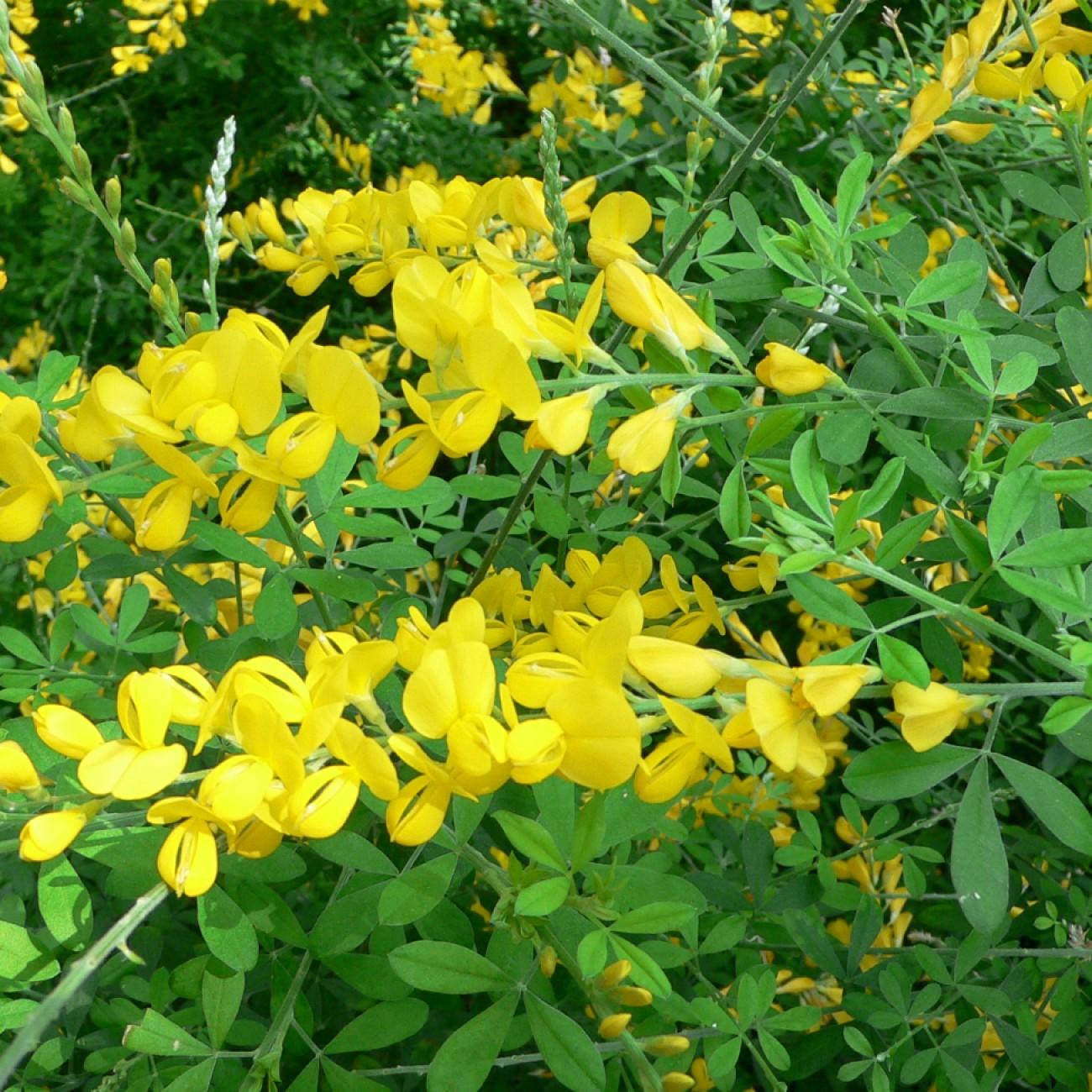
Common Broom
Cytisus scoparius
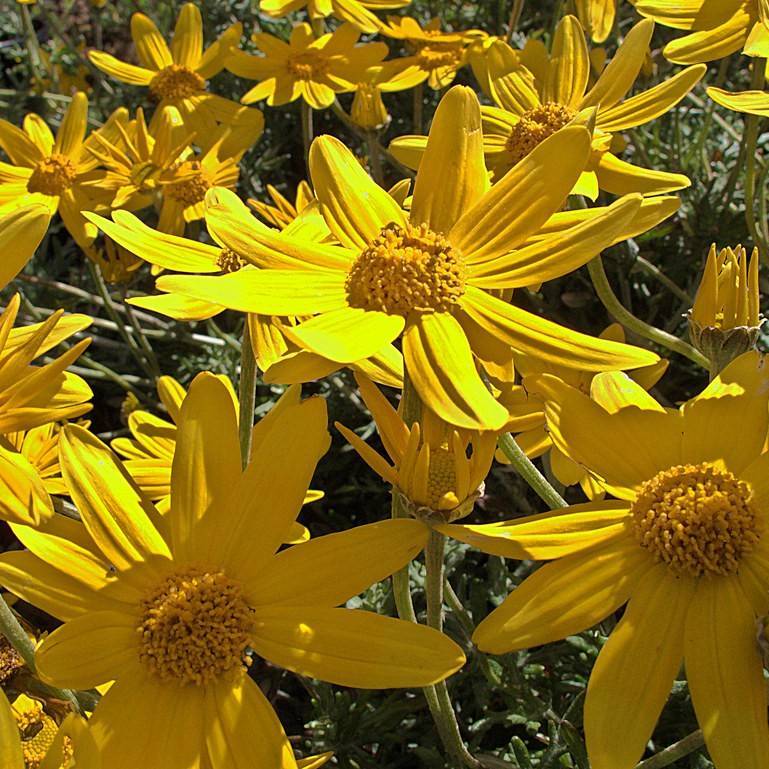
Common Woolly Sunflower
Eriophyllum lanatum
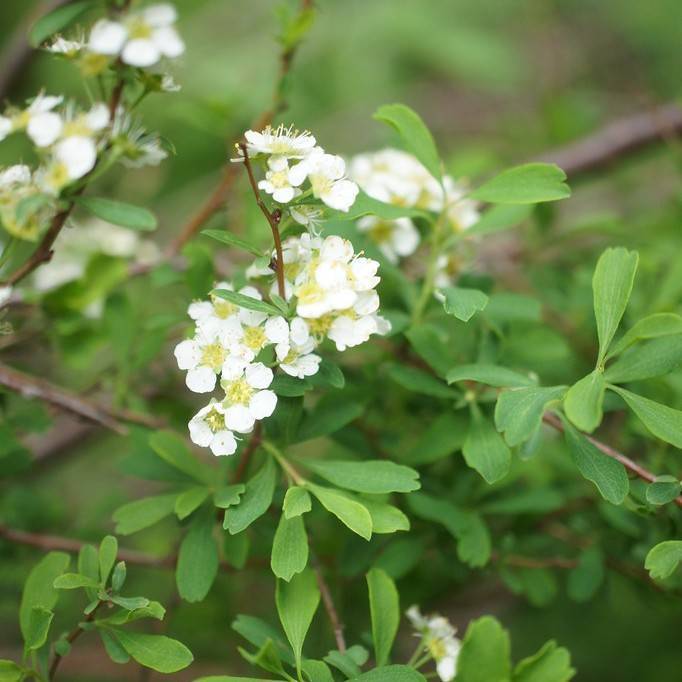
Iberian Spirea
Spiraea hypericifolia
Appalachian Sedge
Carex appalachica