Bridal Bouquet
Plumeria pudica
Overview
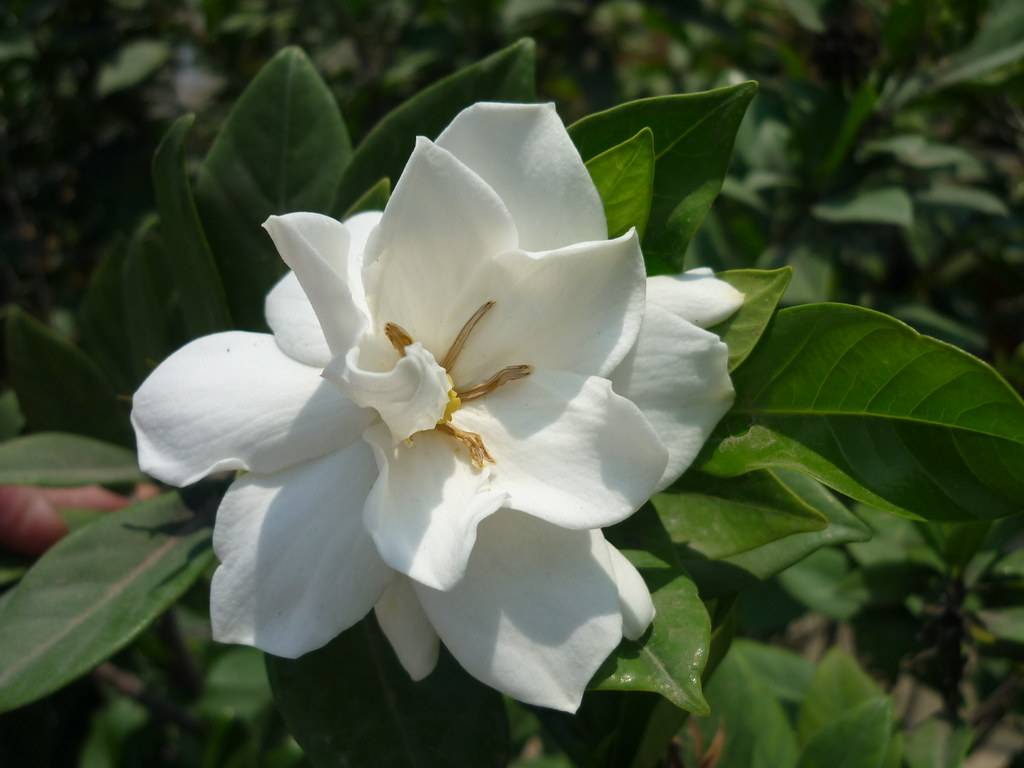
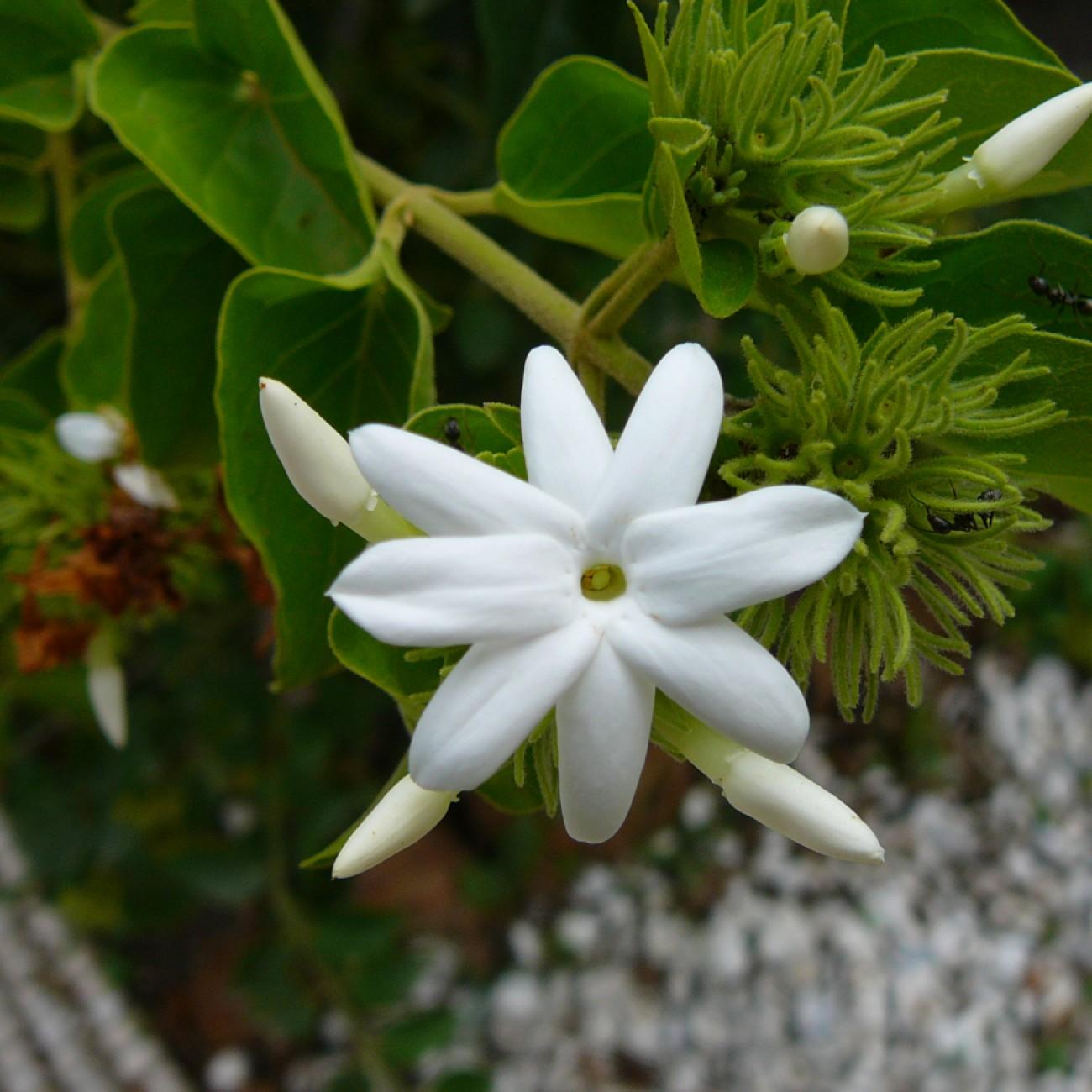
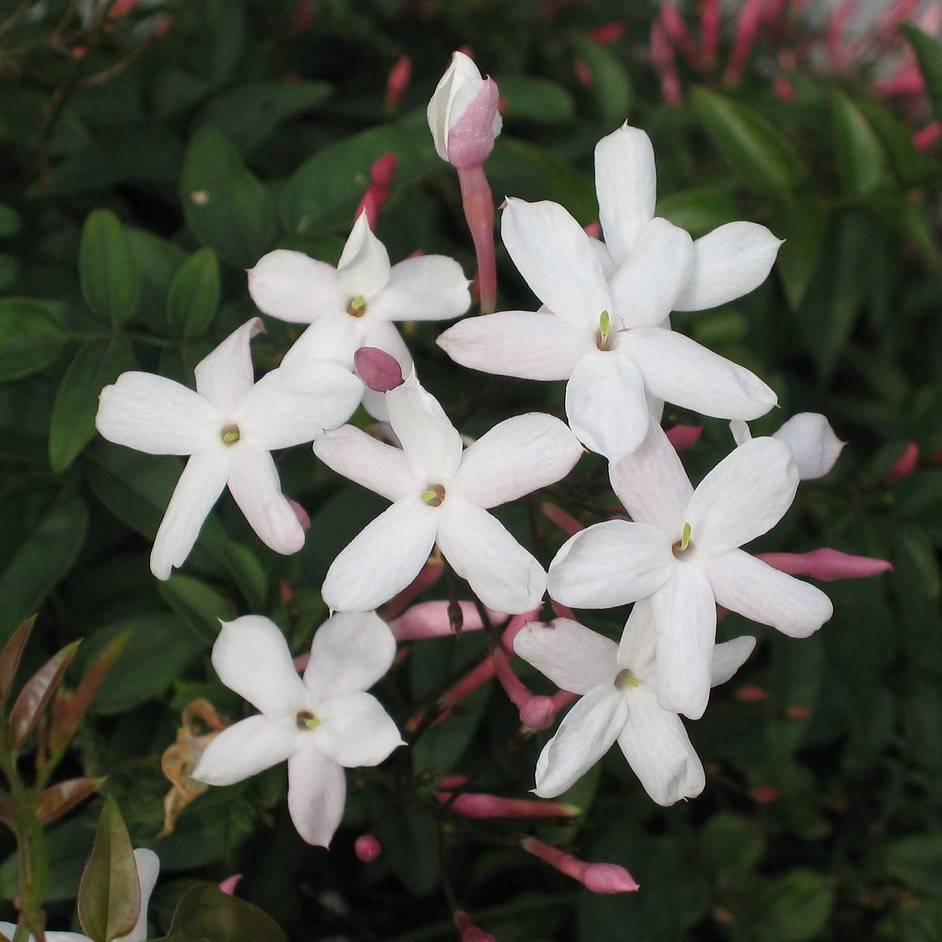
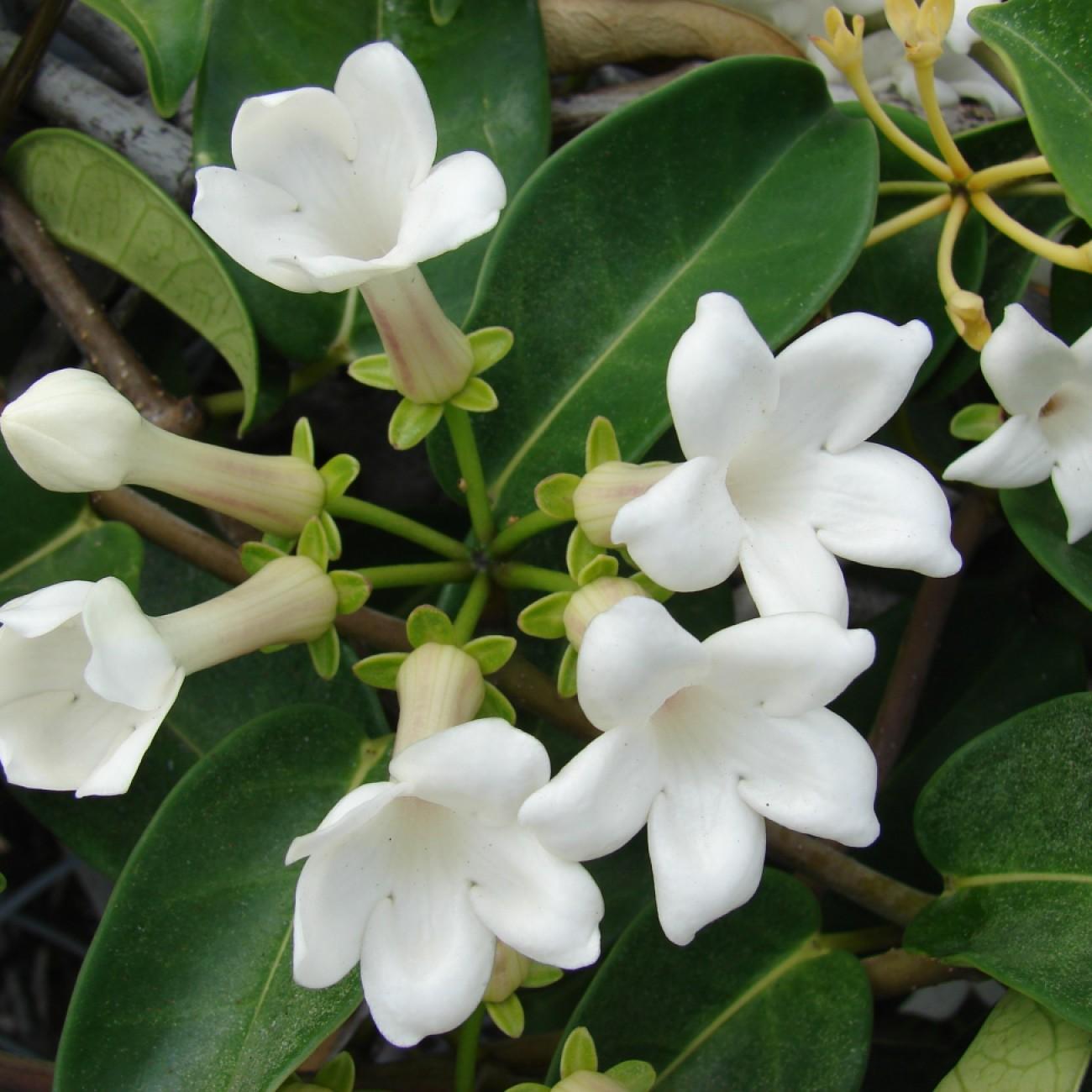
Bridal Bouquet plumeria is a fast-growing evergreen tropical shrub distinguished by its uniquely shaped, unlobed glossy green leaves and abundant clusters of crisp white, yellow-centered flowers. Unlike many other plumeria species, it retains its foliage year-round in warm climates and blooms nearly continuously from spring through fall, producing lightly scented, long-lasting flowers ideal for cut arrangements. It is widely cultivated in tropical and subtropical landscapes, and grown as a potted houseplant in temperate regions where outdoor winter temperatures drop below freezing.
Care Guide
Watering
Water thoroughly when the top 2 to 3 inches of soil feel dry to the touch, allowing excess moisture to drain fully from the pot to prevent root rot. Reduce watering frequency significantly in winter when growth slows, only watering enough to keep the rootball from drying out completely. Avoid getting water on the foliage or flowers to minimize fungal disease risk.
Light
Requires full sun, meaning 6 to 8 hours of direct sunlight daily, to produce abundant blooms; insufficient light will lead to sparse flowering and leggy, weak growth. Indoor potted specimens should be placed in a south-facing window, or supplemented with grow lights during dark winter months to maintain adequate light levels. Outdoor plants can tolerate light partial shade, but flowering will be reduced compared to plants grown in full sun.
Soil
Thrives in well-draining, slightly acidic to neutral soil with a pH between 6.0 and 7.0, ideally a mix formulated for tropical plants containing peat moss, perlite, and pine bark. Heavy, clay soils that hold excess moisture will cause root rot, so amend outdoor planting sites with compost or coarse sand to improve drainage before planting. For potted specimens, use a lightweight, fast-draining potting mix and ensure the container has multiple drainage holes.
Fertilizer
Feed with a balanced, slow-release fertilizer formulated for flowering tropical plants every 4 to 6 weeks during the active growing season from spring to early fall. Use a fertilizer with a higher phosphorus content, such as a 10-30-10 blend, to encourage more abundant blooming, avoiding high-nitrogen formulas that promote leaf growth over flowers. Stop fertilizing entirely in late fall and winter when the plant enters a period of slower growth.
Temperature
Prefers warm temperatures between 65°F and 85°F (18°C to 29°C) for optimal growth and flowering, and is only hardy outdoors in USDA zones 10 through 12. Temperatures below 50°F (10°C) will cause leaf drop and slow growth, so potted indoor specimens should be kept away from cold drafts from windows or doors in winter. Outdoor plants can survive brief light frosts, but extended exposure to temperatures below 32°F (0°C) will kill the plant to the ground, and may kill the root system entirely.
Pruning
Prune in late winter or early spring before new growth emerges to shape the plant, remove dead or damaged branches, and encourage bushier, more compact growth. Cut back overlong stems to a leaf node or branch junction, and thin out crowded inner branches to improve air circulation through the canopy, reducing fungal disease risk. Wipe pruning tools with rubbing alcohol between cuts to prevent the spread of disease, and wear gloves to avoid contact with the irritating milky sap.
Propagation
Most commonly propagated from stem cuttings taken in spring or early summer; cut a 6 to 8 inch healthy stem tip, allow the cut end to dry and callous over for 3 to 7 days, then plant in well-draining potting mix. Keep the soil lightly moist and place the cutting in bright, indirect light until roots develop, which typically takes 4 to 8 weeks. It can also be grown from seed, but seed-grown plants will take 3 to 5 years to bloom, whereas cutting-grown specimens often flower in their first year.
Humidity
Tolerates average household humidity levels between 40% and 60%, but benefits from occasional misting during dry winter months or in arid climates to boost ambient moisture. Avoid excessively high humidity above 70% combined with poor air circulation, as this can lead to fungal leaf spot or root rot issues. Group potted plants together or place the container on a tray filled with pebbles and water to raise local humidity without soaking the rootball.
Repotting
Repot potted Bridal Bouquet plants every 2 to 3 years in spring, or when roots begin to grow out of the drainage holes, moving up one pot size at a time to avoid overpotting. Gently loosen the rootball before placing it in fresh potting mix, and water thoroughly after repotting to help the roots settle into the new soil. Older, mature plants can be top-dressed with fresh compost annually instead of repotting to refresh nutrients without disturbing the root system.
Uses & Symbolism
Its abundant, long-lasting white blooms are a popular choice for wedding bouquets, leis, and cut flower arrangements, holding their shape and scent well after being cut. It is grown as a landscape specimen shrub or small tree in tropical and subtropical gardens, where it provides year-round foliage and nearly continuous seasonal blooms. In temperate regions, it is cultivated as a decorative potted houseplant or patio plant, brought indoors during cold winter months to protect it from frost damage.
Diseases & Pests
Common pests include aphids, whiteflies, mealybugs, and spider mites, which feed on the sap of new growth and can be controlled with insecticidal soap or neem oil applications. Fungal diseases such as powdery mildew, leaf spot, and root rot can occur in overly moist conditions with poor air circulation or waterlogged soil. Scale insects may also attach to stems and leaves, causing yellowing foliage and stunted growth, and can be removed with a cotton swab dipped in rubbing alcohol or treated with horticultural oil.
Related plants
Other plants you might like if you grow Bridal Bouquet.