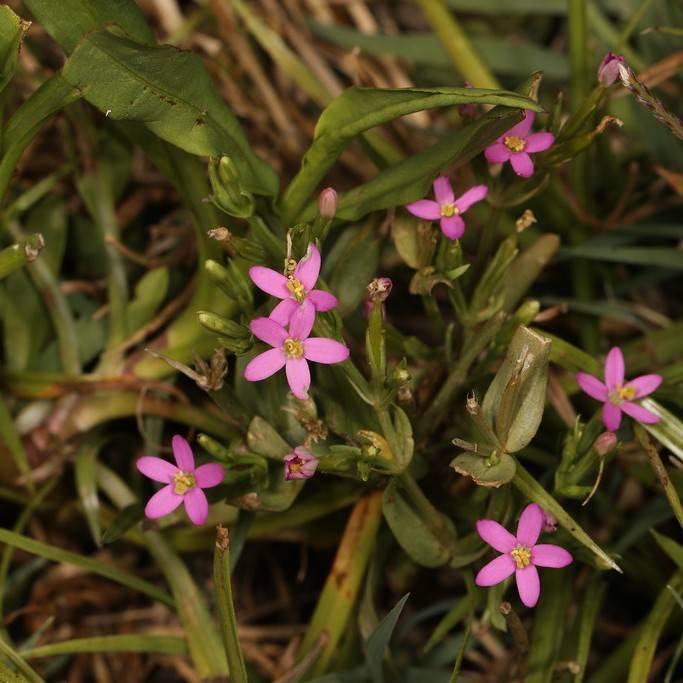
Branching Centaury
Centaurium pulchellum
Overview
Branching centaury is a diminutive, upright annual that forms multiple slender, branched stems lined with small, opposite oval leaves. From mid-summer to early fall, it bears numerous five-petaled, bright pink flowers that open only in direct sunlight, closing during overcast conditions or at night. It thrives in open, sunny sites with poor, well-drained soil, often colonizing grasslands, coastal dunes, rocky outcrops, and disturbed roadside areas. Though small in stature, it plays a minor role in supporting native pollinators such as small bees and flies that feed on its nectar.
Care Guide
Watering
Branching centaury is drought-tolerant once established, requiring only occasional watering during extended dry periods, as overwatering can cause root rot. It naturally adapts to low-moisture environments, so allow the top several inches of soil to dry out completely between waterings. Avoid overhead watering to reduce the risk of foliar fungal issues.
Light
This species requires full, direct sunlight for a minimum of 6 hours per day to produce abundant flowers and maintain compact, healthy growth. It will not thrive in shaded conditions, where stems will become leggy and flowering will be sparse or non-existent. When grown in containers, place it in a south-facing window or unobstructed outdoor sunny location.
Soil
Branching centaury prefers poor to moderately fertile, sharply drained soil with a neutral to slightly alkaline pH. It tolerates sandy, gravelly, or loamy substrates, and will not survive in heavy, waterlogged clay soils. If planting in containers, use a lean, well-draining potting mix amended with coarse sand or perlite to improve drainage.
Fertilizer
This plant does not require regular fertilization, as excessive nutrients will promote lanky, weak growth and reduce flowering. A single, very light application of a balanced, slow-release fertilizer at the start of the growing season is sufficient for plants growing in extremely poor soil. Avoid high-nitrogen fertilizers entirely, as they will prioritize foliage over bloom production.
Temperature
Branching centaury is adapted to temperate climates, thriving in daytime temperatures between 60-85°F (15-29°C) during its active growing season. It can tolerate light, brief frosts, but will die back completely once hard freezing temperatures arrive in late fall. It is not suited for extreme heat above 90°F (32°C) for extended periods, which may cause wilting and premature dieback.
Pruning
Pruning is generally unnecessary for branching centaury, as its small, compact growth habit requires no shaping. Spent flowers can be deadheaded occasionally to encourage additional bloom production, but this is not required for the plant’s health. At the end of the growing season, remove all dead plant material to prevent overwintering of pests or fungal spores.
Propagation
Branching centaury is most easily propagated from seed, which can be sown directly outdoors in early spring after the last frost date, or started indoors 4-6 weeks before the last expected frost. Seeds require light to germinate, so they should be scattered on the surface of the soil and not covered, with germination occurring within 10-20 days under warm, bright conditions. The plant will often self-seed readily in suitable growing conditions, producing new colonies year after year without intervention.
Humidity
This species prefers low to moderate humidity levels between 30-60%, which aligns with its native dry, open habitat. It does not tolerate high, prolonged humidity, which can lead to fungal leaf spots and root rot. No supplemental humidity is required when growing branching centaury, even in indoor or arid environments.
Repotting
Since branching centaury is an annual that completes its life cycle in a single growing season, repotting is almost never required. If started in small seedling trays, transplant seedlings to their final container or outdoor location once they have developed 2-3 sets of true leaves, taking care not to disturb the delicate root system. Avoid transplanting once the plant has begun flowering, as this can cause stress and premature dieback.
Uses & Symbolism
Branching centaury has a long history of use in traditional herbal medicine, where the entire aerial parts of the plant are harvested while in bloom and used to make bitter tonics believed to support digestion and stimulate appetite. It is occasionally planted in wildflower meadows, rock gardens, and coastal landscape projects to add low-growing seasonal color and support native pollinator populations. Its small size also makes it suitable for shallow container gardens or alpine trough displays for enthusiasts of native wildflowers.
Diseases & Pests
Branching centaury is relatively pest and disease resistant when grown in suitable conditions, but can be susceptible to root rot if planted in poorly drained, waterlogged soil. In high humidity or overly crowded growing conditions, it may develop fungal leaf spots or powdery mildew on its foliage, which can be prevented by ensuring adequate air circulation between plants. Aphids and spider mites may occasionally feed on the soft young stems, particularly on indoor-grown specimens, and can be controlled with a gentle spray of insecticidal soap or neem oil.
Related plants
Other plants you might like if you grow Branching Centaury.
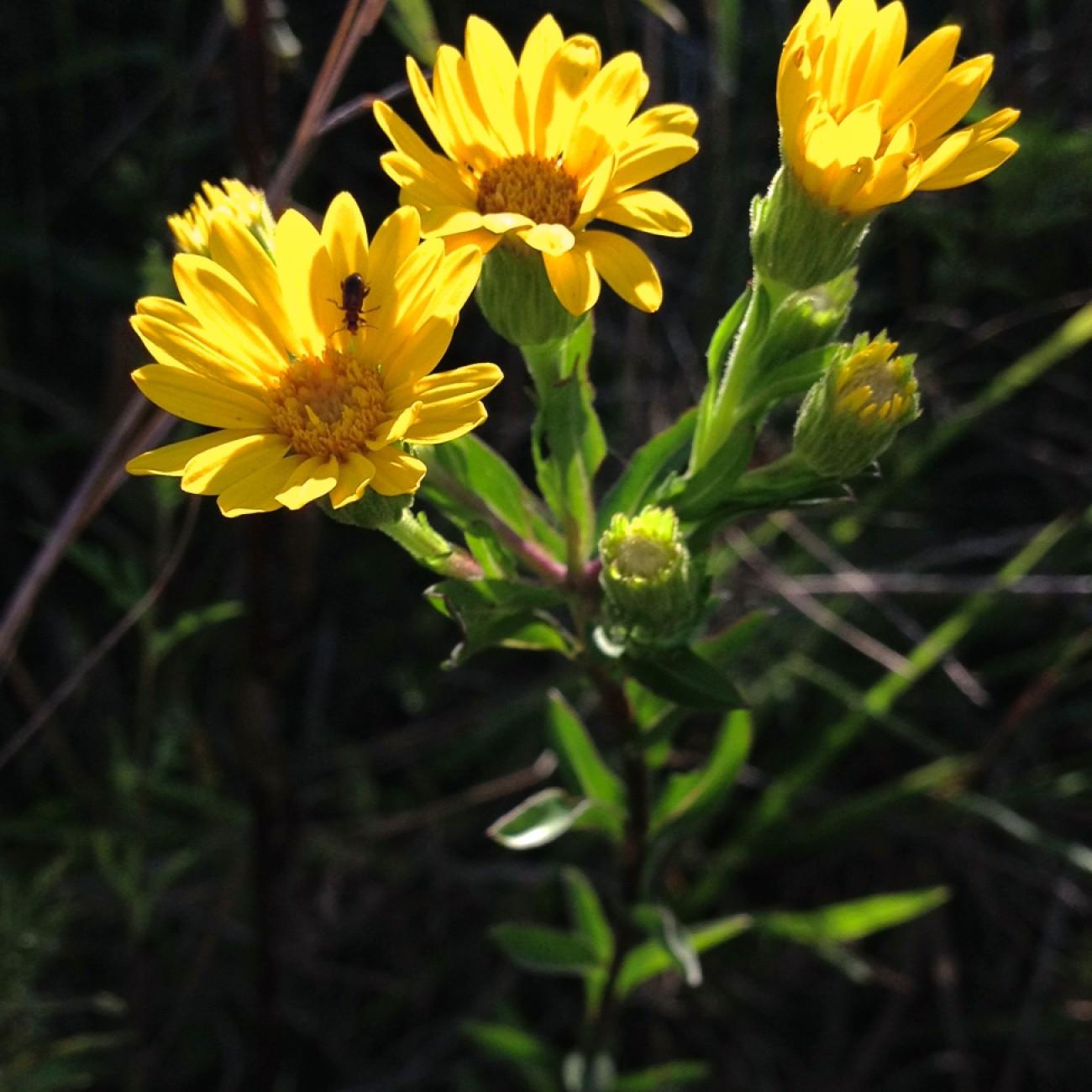
golden aster
Chrysopsis mariana
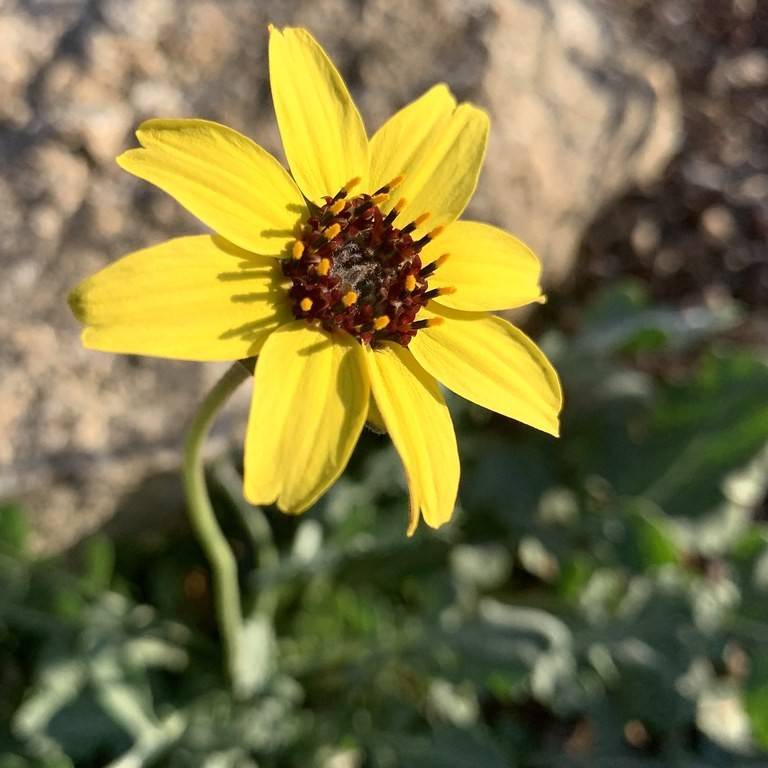
chocolate flower
Berlandiera lyrata
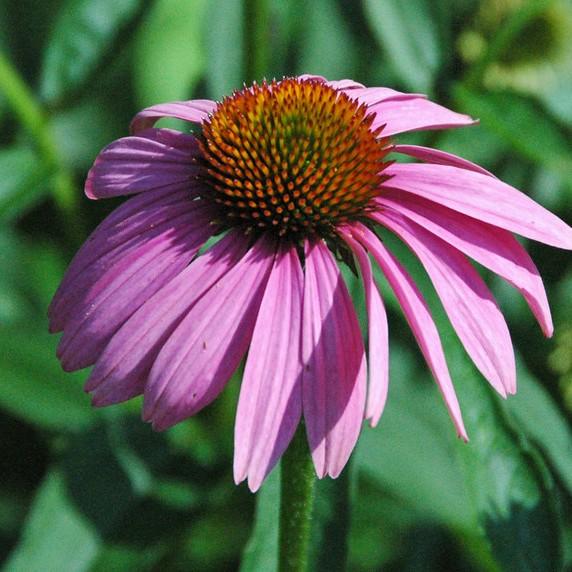
coneflower
Echinacea 'Adam Saul' CRAZY PINK
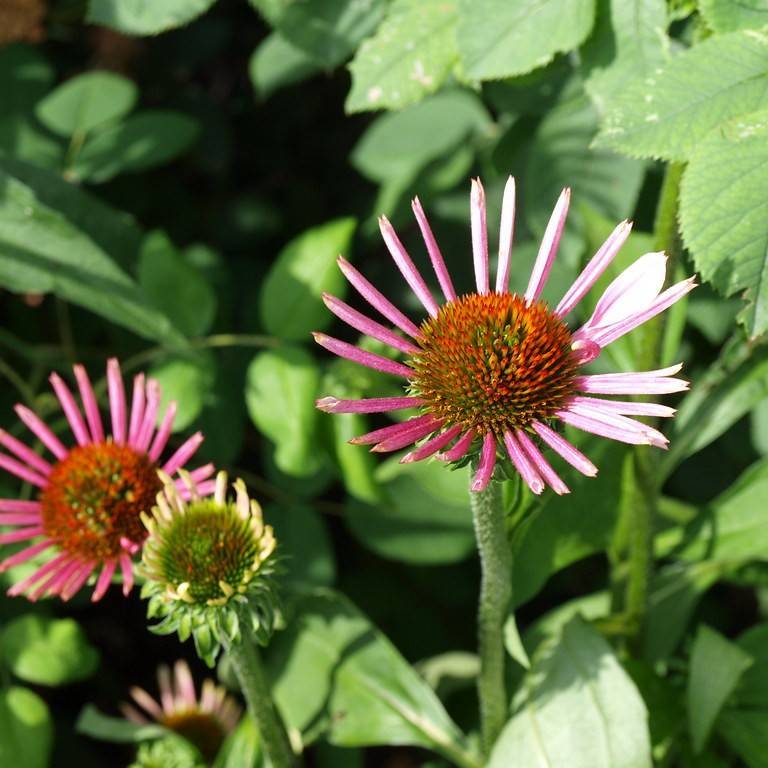
coneflower
Echinacea 'All that Jazz'
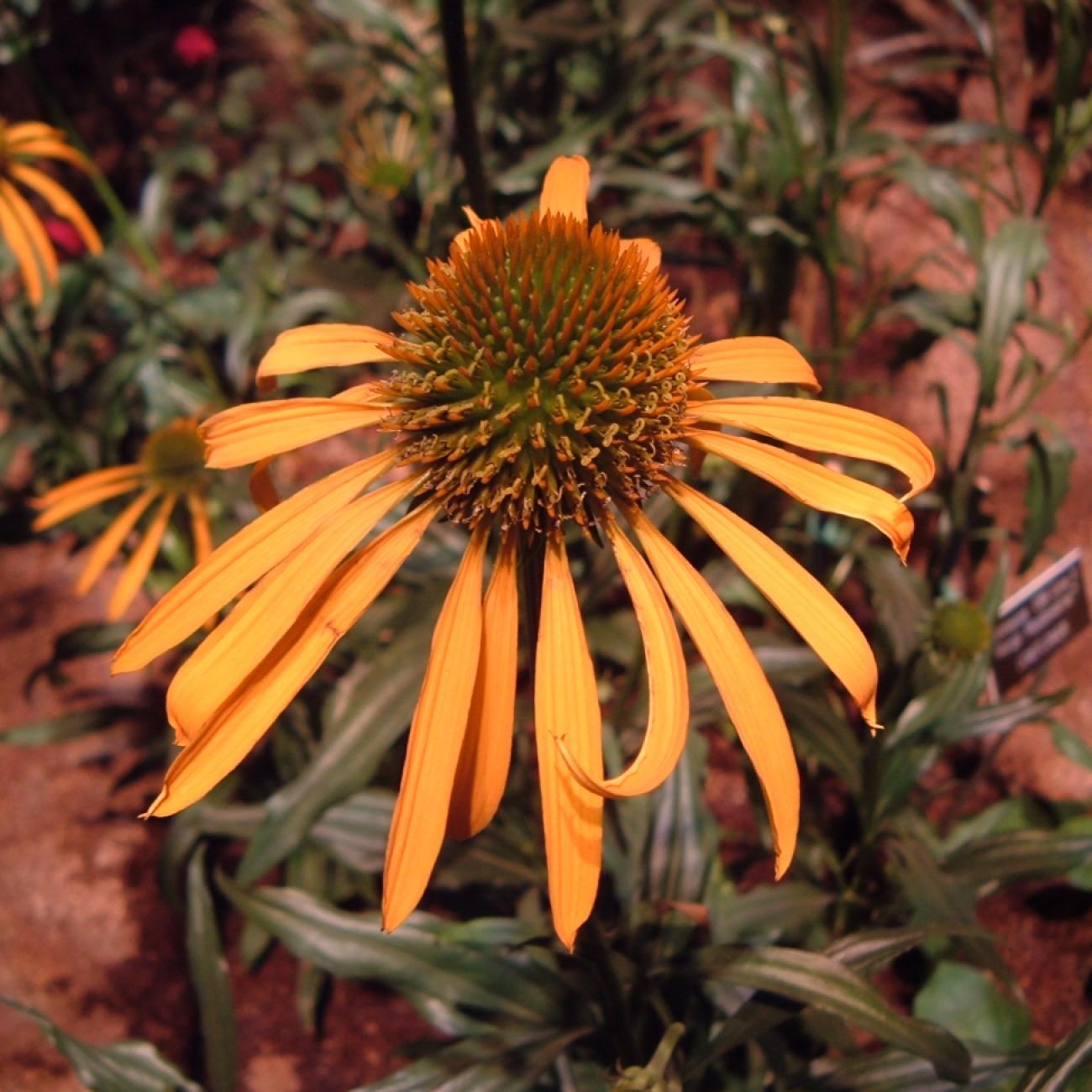
coneflower
Echinacea 'Art's Pride' ORANGE MEADOWBRITE
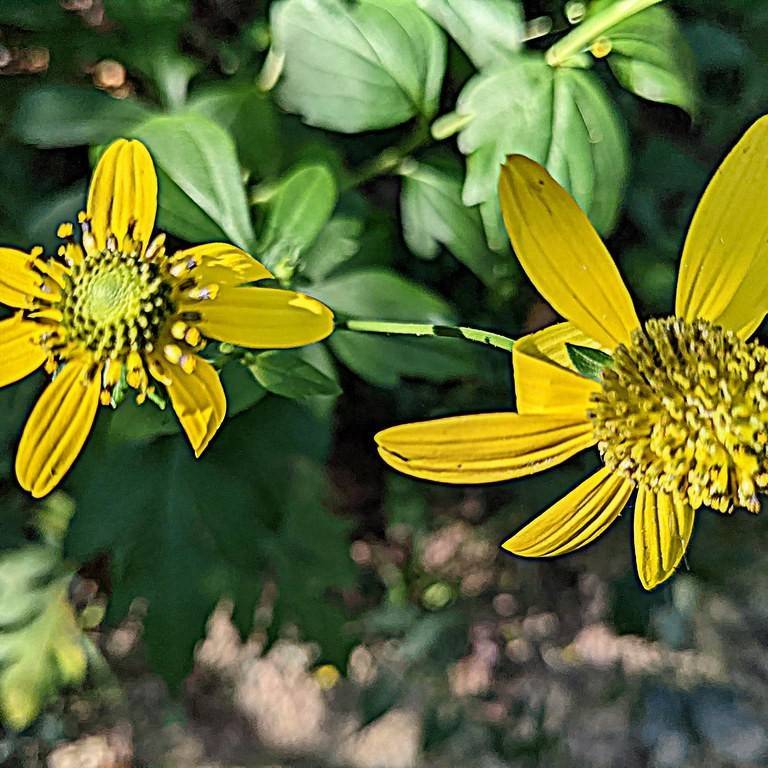
coneflower
Echinacea 'Balsomsolst' SOMBRERO SUMMER SOLSTICE
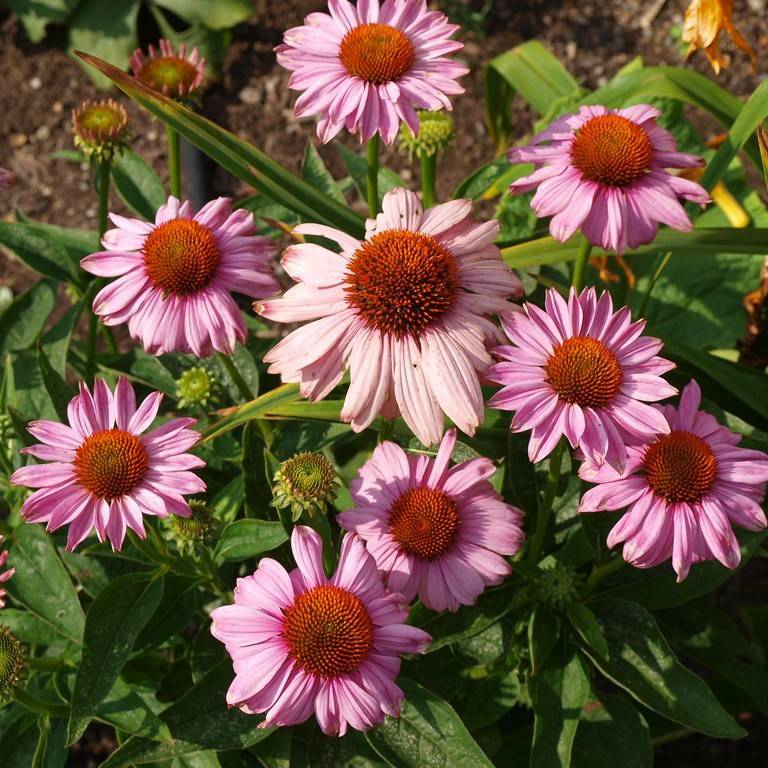
coneflower
Echinacea 'Bravado'
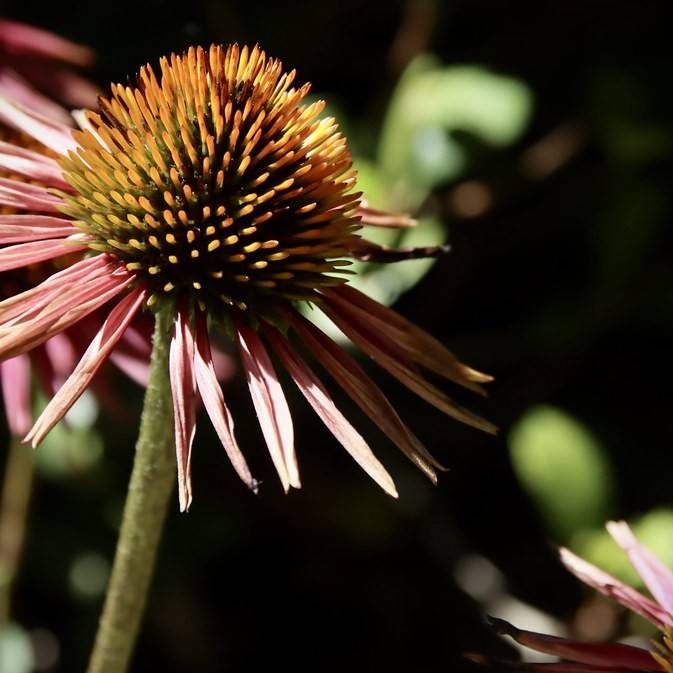
coneflower
Echinacea BURGUNDY FIREWORKS