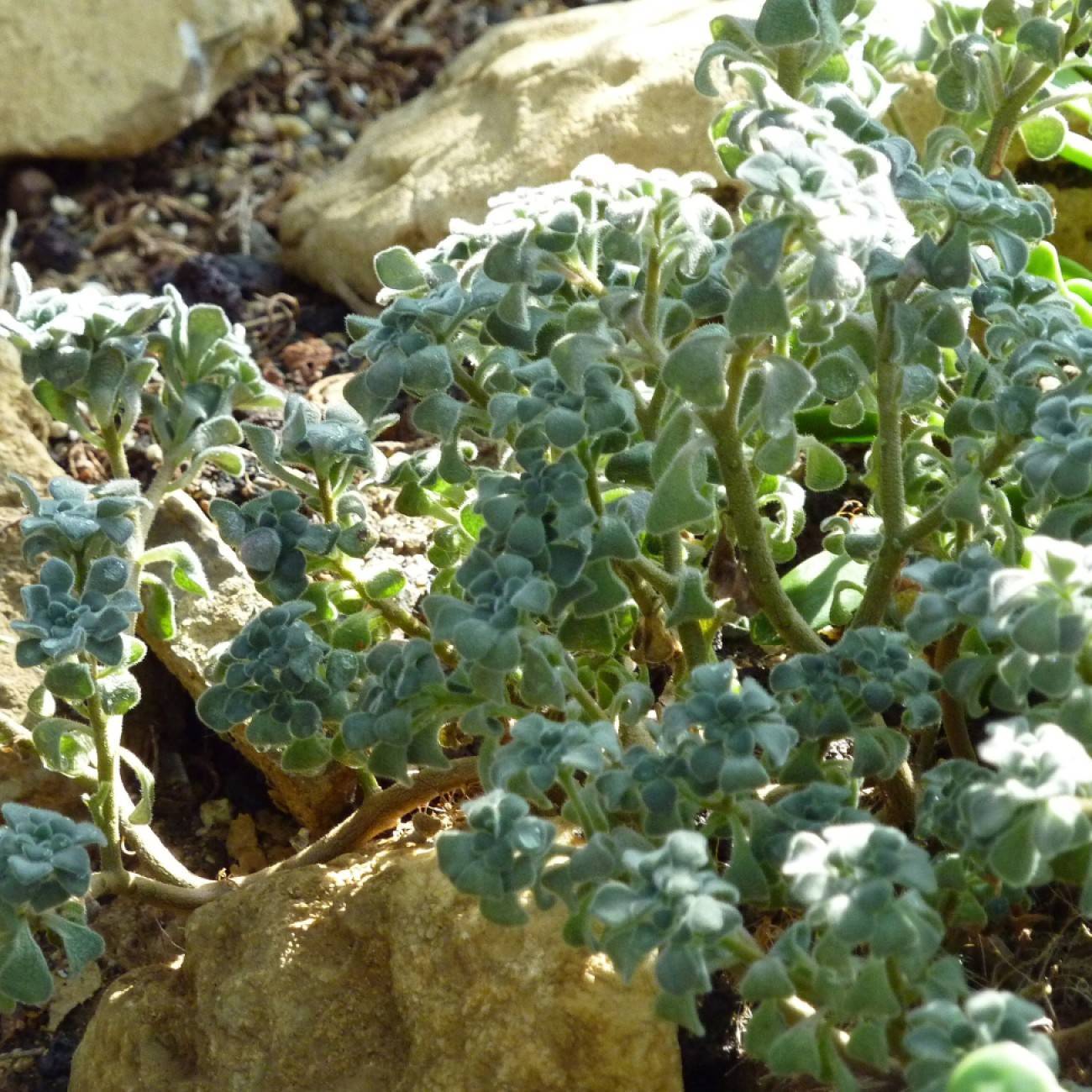
Boyds Dwarf Willow
Salix boydii
Overview
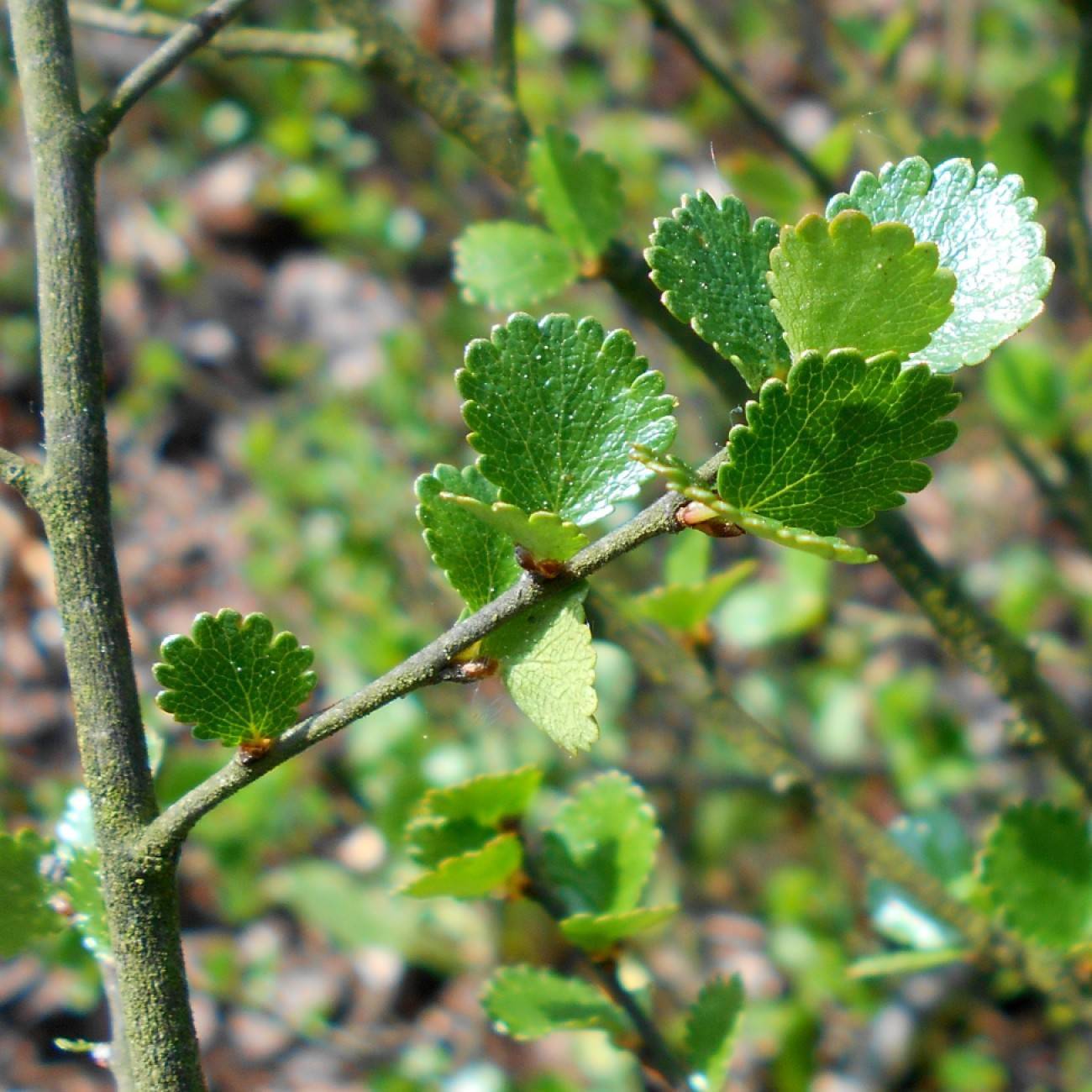
Boyds Dwarf Willow is one of the smallest willow species, naturally adapted to harsh, exposed alpine habitats in the Scottish Highlands. Its diminutive size, silvery oval leaves, and low, spreading growth make it a popular choice for specialized rock garden, alpine trough, and container plantings. In spring, it produces tiny, subtle catkins that add delicate seasonal interest without overwhelming its small form. This cold-hardy species thrives in cool conditions and struggles in hot, humid climates, making it best suited for temperate or mountain growing environments.
Care Guide
Watering
Keep the soil consistently moist but not waterlogged, as this species is adapted to damp alpine soils and will not tolerate extended dry periods. Water deeply whenever the top 1 inch of soil feels dry, reducing frequency slightly during the winter dormant season to avoid root rot. Avoid overwatering in poorly draining soils, as standing water can quickly damage the shallow root system.
Light
Grow in full sun to partial shade, with full sun promoting the densest, most compact growth and best foliage color. In regions with intense midday summer heat, provide light afternoon shade to prevent leaf scorch and reduce moisture stress. Indoor specimens require a bright, south-facing window or supplemental grow lights to maintain their tight growth habit.
Soil
Plant in well-draining, gritty, slightly acidic to neutral soil with a high proportion of coarse sand, perlite, or fine gravel to replicate its native alpine substrate. Avoid heavy, clay-rich soils that retain excess moisture, as these will cause root rot in this shallow-rooted species. For container or trough plantings, use a commercial alpine or cactus mix amended with a small amount of peat moss to adjust pH if needed.
Fertilizer
Fertilize sparingly, only once per year in early spring with a diluted, balanced slow-release fertilizer formulated for alpine or rock garden plants. Over-fertilization will cause leggy, uncharacteristic rapid growth that ruins the plant’s compact dwarf form and reduces its cold hardiness. Avoid high-nitrogen fertilizers, as these promote excessive foliage growth at the expense of the plant’s natural matting habit.
Temperature
Boyds Dwarf Willow is extremely cold hardy, tolerating winter temperatures as low as -40°F (-40°C) and thriving in cool, temperate alpine climates. It struggles in temperatures above 80°F (27°C) for extended periods, requiring extra shade and moisture during summer heatwaves to prevent stress. Indoor specimens need a cool dormant period in winter with temperatures between 35-45°F (2-7°C) to maintain long-term health.
Pruning
Pruning is rarely required for this naturally slow-growing, compact species, though you can trim back any stray, leggy shoots in early spring to maintain its neat, mat-like shape. Remove any dead, damaged, or diseased foliage as it appears throughout the growing season to improve air circulation and reduce pest and disease risk. Avoid heavy pruning, as this species grows very slowly and may take years to recover from excessive cutting.
Propagation
The most reliable propagation method is via softwood cuttings taken in early summer, rooted in moist, gritty propagating medium under high humidity. It can also be propagated by seed sown immediately after ripening in late spring, though seed production is rare in cultivation and seed viability is very short-lived. Division of mature, well-established mats can be done in early spring just as new growth emerges, though this can stress the plant and should only be attempted with large, healthy specimens.
Humidity
Prefers moderate to high humidity levels between 40-70%, consistent with its native mountain habitat where air moisture is regularly high. In dry indoor environments, mist the foliage lightly a few times per week or place the container on a pebble tray filled with water to raise ambient humidity around the plant. Avoid extremely dry conditions, as these can cause leaf browning and tip burn, especially when combined with high temperatures.
Repotting
Repot only every 3-4 years in early spring, as this species has a small, shallow root system and grows very slowly, disliking frequent root disturbance. When repotting, choose a wide, shallow container only one size larger than the previous one, and use a fast-draining alpine soil mix to prevent water retention around the roots. Avoid planting too deeply, as this can cause stem rot; keep the root crown at the same level it was in the previous container.
Uses & Symbolism
Boyds Dwarf Willow is primarily used as an ornamental plant in alpine rock gardens, trough gardens, and miniature container plantings, where its tiny size and silvery foliage add textural contrast. It is also a popular choice for cold-climate xeriscaping in mountain regions, where it can be used as a low, ground-covering plant between rocks and in exposed, well-draining sites. In traditional Scottish folk medicine, its bark was occasionally used as a mild pain reliever due to its salicin content, though it is rarely used for this purpose today.
Diseases & Pests
The most common issues are fungal root rot and stem rot caused by overwatering or poorly draining soil, which can be prevented by using a gritty growing medium and avoiding excess moisture around the root zone. It may also be affected by aphids, willow leaf beetles, and scale insects, which can be controlled with insecticidal soap or horticultural oil sprays applied at the first sign of infestation. In hot, humid climates, it is susceptible to powdery mildew and leaf spot, which can be avoided by providing good air circulation around the plant and avoiding overhead watering.
Related plants
Other plants you might like if you grow Boyds Dwarf Willow.